The auto insurance industry is entering a period of profound transformation, and the choices you make today will directly impact your premiums for years to come. As we approach 2026, a convergence of technological innovation, shifting driving patterns, and economic pressures is reshaping how insurers calculate risk and set prices. Understanding these changes is not just an academic exercise. It directly affects how much you pay for coverage and what options are available to you. Whether you are a first-time driver or a seasoned policyholder, staying informed about the auto insurance market trends for 2026 can help you secure better rates and avoid costly surprises.
Gone are the days when your annual premium was determined by a few simple factors like your age and driving record. Today, insurers are leveraging vast amounts of data from telematics devices, credit histories, and even social media signals to build detailed profiles of each driver. At the same time, the rise of electric vehicles, autonomous driving features, and gig economy work is creating new coverage categories that did not exist a decade ago. For consumers, this means both more opportunities to save money and more complexity to navigate. The key is knowing where to look and what questions to ask.
The Rise of Usage-Based Insurance Programs
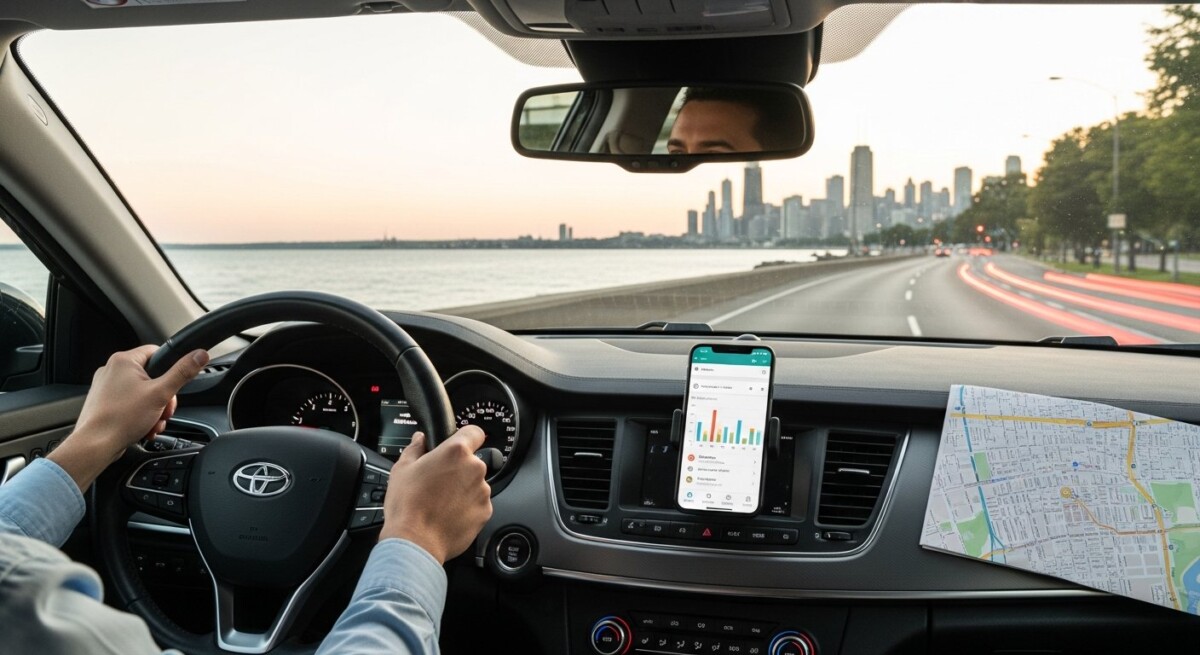
One of the most significant shifts in the auto insurance market trends for 2026 is the mainstream adoption of usage-based insurance (UBI). Also known as pay-per-mile or telematics insurance, these programs use a small device plugged into your car or a smartphone app to monitor your driving behavior. Insurers track metrics such as speed, braking patterns, time of day you drive, and total miles driven. In return for sharing this data, safe drivers can earn substantial discounts, often ranging from 10 to 40 percent off their premium.
For drivers who rarely commute or who maintain clean driving records, UBI offers a powerful way to lower costs. However, it is important to understand the trade-offs. Some critics worry about data privacy and the potential for rates to increase if your driving habits change. Still, the trend is undeniable. Major carriers are investing heavily in telematics technology, and by 2026, industry analysts predict that nearly one in four auto insurance policies will include some form of usage-based pricing. If you are considering this option, compare multiple providers to see which program best matches your driving patterns. For a detailed breakdown of what factors influence your rate, see our guide on 7 Factors That Determine Auto Insurance Rates in 2026.
How Telematics Changes the Risk Equation
The traditional insurance model relies on statistical averages applied to broad demographic groups. Telematics flips this model by measuring actual risk on an individual level. A driver who only takes short trips during daylight hours and avoids hard braking will likely see a lower premium than someone with a similar demographic profile who drives aggressively. This individualized pricing rewards good behavior and encourages safer roads. As more drivers adopt UBI programs, insurers gain richer data sets that allow them to refine their pricing models further, creating a virtuous cycle of lower rates for safer drivers.
However, not all telematics programs are created equal. Some insurers focus primarily on mileage, while others emphasize driving quality. When shopping for a UBI policy, pay close attention to what specific behaviors are tracked and how they affect your rate. Also, consider the potential impact on your privacy. While most programs allow you to opt out at any time, your data is still being collected and stored. Always read the privacy policy carefully before signing up.
Electric Vehicles Reshaping Coverage Needs
The rapid adoption of electric vehicles (EVs) is another major force driving the auto insurance market trends for 2026. EVs are fundamentally different from traditional internal combustion engine vehicles in ways that directly affect insurance costs. They are typically heavier, which can cause more damage in collisions. They also have expensive battery packs and specialized components that require trained technicians to repair. As a result, the average cost to insure an EV is often higher than a comparable gasoline-powered vehicle.
But the story does not end there. Many insurers are introducing specialized EV policies that account for unique risks such as battery degradation, charging station damage, and the potential for electrical fires. Some policies include coverage for rental cars while your EV is being charged or repaired, and others offer discounts for installing home charging equipment. As EV ownership continues to grow, competition among insurers to offer the best EV-specific coverage will intensify. For first-time EV buyers, navigating these options can be overwhelming. That is why we recommend reading our 2026 Auto Insurance Guide for First-Time Buyers to understand the essential coverage elements before you commit to a policy.
Battery and Charging Infrastructure Risks
One often overlooked aspect of EV insurance is coverage for the charging infrastructure. If you own a home charging station, a power surge or lightning strike could damage the unit. Some standard policies exclude this type of damage, while others offer optional endorsements. Similarly, if you rely on public charging stations and your vehicle is damaged while plugged in, you may need to file a claim under your comprehensive coverage. Insurers are beginning to offer add-ons specifically designed to address these gaps. When comparing policies, ask your agent whether your EV’s battery and charging equipment are fully covered and under what circumstances.
Additionally, the availability of replacement parts for EVs can lead to longer repair times and higher costs. Many insurers are partnering with certified EV repair networks to streamline the process and reduce out-of-pocket expenses for policyholders. If you drive an EV, choosing an insurer with a robust EV repair network can save you time and money after an accident.
Autonomous Driving Features and Discounts
Advanced driver-assistance systems (ADAS) are becoming standard on new vehicles, and they are having a measurable impact on the auto insurance market trends for 2026. Features such as automatic emergency braking, lane-keeping assist, adaptive cruise control, and blind-spot monitoring have been shown to reduce the frequency and severity of accidents. In response, many insurers now offer discounts for vehicles equipped with these technologies. The savings can vary, but some drivers report reductions of 5 to 15 percent on their liability and collision premiums.
However, the relationship between ADAS and insurance is not entirely straightforward. While these systems prevent many accidents, the cost to repair them after a crash can be significantly higher. Sensors, cameras, and radar units are expensive to replace and recalibrate. As a result, some insurers are adjusting their pricing models to account for the higher repair costs, which can partially offset the safety discounts. When shopping for coverage, ask specifically about ADAS discounts and whether the insurer requires proof of system functionality. Also, consider that as autonomous driving technology advances toward full self-driving capability, the question of liability will shift from the driver to the manufacturer. This legal evolution is still in its early stages, but it will likely reshape the entire insurance framework by the end of the decade.
Economic Pressures Driving Rate Increases
While technology is creating new opportunities for discounts, broader economic forces are pushing auto insurance rates upward. Inflation has increased the cost of vehicle repairs, replacement parts, and medical care. Supply chain disruptions continue to affect the availability of new and used cars, driving up the cost of total loss settlements. At the same time, labor shortages in the auto repair industry mean longer wait times and higher labor rates. These factors have contributed to double-digit rate increases across many states in recent years, and the trend is expected to continue into 2026.
For consumers, the best defense against rising rates is to shop around and compare quotes from multiple carriers. Loyalty to one insurer can sometimes cost you hundreds of dollars per year. Additionally, consider adjusting your coverage limits and deductibles to find a balance between protection and affordability. Raising your deductible from $500 to $1,000 can lower your premium by 10 to 20 percent, but make sure you have the funds available to cover the deductible if you need to file a claim. For more strategies on reducing your costs, explore our article on 7 Best Auto Insurance Discounts for 2026 Drivers.
The Role of Credit Scores in Pricing
Another economic factor that will remain prominent in 2026 is the use of credit-based insurance scores. Insurers have long used credit history as a predictor of claim risk, and studies consistently show a correlation between lower credit scores and higher claim frequency. While some states have banned or restricted this practice, it remains legal in most of the United States. If your credit score has improved recently, you may qualify for a lower rate. Conversely, if your credit has taken a hit, you could see your premium increase even if your driving record is clean.
To minimize the impact of credit on your insurance costs, focus on paying bills on time, reducing credit card balances, and avoiding unnecessary credit inquiries. Some insurers also offer alternative scoring models that consider factors like education and occupation. If you are unhappy with your current rate, ask your agent whether there are alternative scoring options available. And remember, the best way to find a competitive rate is to compare multiple quotes side by side.
Gig Economy and Rideshare Coverage Gaps
The growth of the gig economy is creating new challenges for the auto insurance market trends for 2026. Drivers who work for rideshare companies like Uber and Lyft or delivery services like DoorDash and Instacart often assume that their personal auto insurance policy covers them while they are working. In reality, most personal policies exclude business use, leaving a significant coverage gap. While rideshare companies provide some liability coverage while drivers are logged into the app, the limits are often lower than what a personal policy would offer, and there is typically no coverage for physical damage to the driver’s own vehicle during the period when they are waiting for a ride request.
To address this gap, many insurers now offer rideshare endorsements or specialized hybrid policies that combine personal and business coverage. These policies bridge the period between when a driver logs into the app and when they accept a passenger or delivery. Without this endorsement, a driver could face thousands of dollars in out-of-pocket expenses after an accident during a delivery. If you drive for a gig economy platform, check your policy immediately. If your current insurer does not offer a rideshare add-on, consider switching to one that does. For drivers in specific regions, such as Florida, it is also wise to review local requirements. Our guide on 7 Best Auto Insurance Providers in Miami for 2026 can help you find carriers that specialize in rideshare coverage.
Frequently Asked Questions
Will auto insurance rates go down in 2026?
It is unlikely that average rates will decrease significantly in 2026 due to persistent inflation and rising repair costs. However, individual drivers may see lower premiums by shopping around, improving their credit scores, taking advantage of usage-based insurance programs, and bundling policies. The key is to compare quotes annually and adjust coverage as needed.
How can I lower my auto insurance premium for 2026?
Start by requesting quotes from at least three different insurers. Ask about discounts for safe driving, low mileage, vehicle safety features, bundling home and auto policies, and paying your premium in full. If you have a clean driving record, consider a usage-based insurance program. Raising your deductible can also lower your monthly payment, but be sure you can afford the higher out-of-pocket cost if you need to file a claim.
What is the biggest trend in auto insurance for 2026?
The most significant trend is the widespread adoption of usage-based insurance powered by telematics technology. This shift from demographic-based pricing to individual behavior-based pricing is fundamentally changing how insurers evaluate risk and set rates. Drivers who adopt safe habits can save substantially, while those with risky driving patterns may see higher premiums.
Do I need special insurance for an electric vehicle?
Not necessarily, but it is highly recommended. Standard auto insurance policies will cover your EV, but they may not include specialized protections for battery degradation, charging equipment, or rental coverage while your vehicle is being charged. Many insurers now offer EV-specific policies or endorsements that provide more comprehensive protection for the unique risks associated with electric vehicles.
How does gig economy driving affect my insurance?
Most personal auto insurance policies exclude coverage while you are driving for a rideshare or delivery service. If you drive for Uber, Lyft, DoorDash, or similar platforms, you need a rideshare endorsement or a hybrid policy that covers both personal and business use. Without this coverage, you could be financially responsible for damages and injuries that occur while you are working.
Prepare for 2026 with Confidence
The auto insurance landscape in 2026 will demand more attention and proactive decision-making from drivers than ever before. Between the rise of telematics, the growth of electric vehicles, the influence of autonomous safety features, and persistent economic pressures, there is no single strategy that works for everyone. The most effective approach is to stay informed, review your coverage annually, and compare quotes from multiple carriers. By understanding the auto insurance market trends for 2026 and taking action early, you can secure the protection you need at a price that fits your budget. Visit Free Auto Insurance Quotes Online to receive personalized quotes from licensed agents and find the policy that works for you.