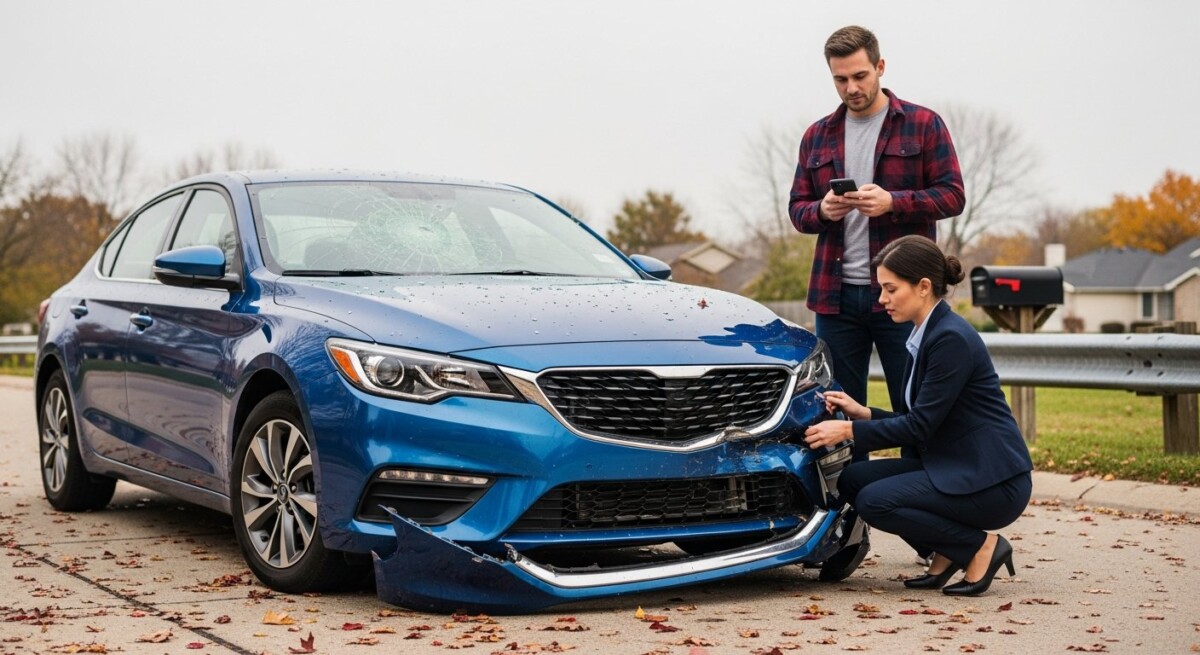
If you drive in Illinois, you already know the state has strict insurance requirements. But liability-only policies leave you exposed to thousands of dollars in out-of-pocket costs after an accident. That is why many drivers search for the best full coverage auto insurance in Illinois every year. Full coverage combines liability, collision, and comprehensive protection to shield you from financial ruin. In this guide, we break down what full coverage really means, how much it costs in Illinois, which carriers offer the best value, and how to find the right policy for your budget and lifestyle. Whether you drive a new sedan, a used SUV, or a high-mileage commuter car, this article will help you make an informed decision.
What Does Full Coverage Auto Insurance Include in Illinois?
Full coverage is not a legally defined term. It is a shorthand for a policy that goes beyond the state minimums. In Illinois, every driver must carry at least $25,000 per person for bodily injury, $50,000 per accident for bodily injury, and $20,000 for property damage liability. That is known as 25/50/20 coverage. Full coverage adds two critical components: collision and comprehensive insurance.
Collision coverage pays for damage to your vehicle when you hit another car, a tree, a guardrail, or any other object. Comprehensive coverage handles non-collision events like theft, vandalism, hail, fire, flood, or hitting a deer. Together, these coverages protect your car from the most common and costly risks. Most lenders also require full coverage if you finance or lease your vehicle. Without it, you could be forced to pay off a totaled car loan out of pocket.
Additional Coverages That Strengthen Full Coverage Policies
While collision and comprehensive form the backbone of full coverage, many Illinois insurers offer add-ons that provide even greater protection. Uninsured and underinsured motorist coverage is highly recommended in Illinois because state data shows that roughly one in eight drivers lacks insurance. Medical payments coverage (MedPay) pays for your medical bills after an accident regardless of fault. Rental reimbursement covers the cost of a loaner car while yours is being repaired. Roadside assistance can save you from expensive towing bills. When evaluating the best full coverage auto insurance in Illinois, look for carriers that bundle these extras affordably.
Average Cost of Full Coverage Auto Insurance in Illinois
Rates vary widely based on your age, driving record, credit score, vehicle type, and location. According to recent rate data, the average annual premium for full coverage in Illinois is approximately $1,550 to $1,800. However, drivers in Chicago often pay 20 to 30 percent more due to higher accident rates, theft risks, and dense traffic. Suburban and rural drivers typically see lower rates. Your personal factors matter more than the state average. A 35-year-old with a clean record and good credit might pay $1,200 per year, while a 20-year-old with a recent accident could pay $2,800 or more.
To find the best full coverage auto insurance in Illinois for your situation, you must compare quotes from multiple carriers. Rates can differ by hundreds of dollars for the exact same coverage. That is where platforms like Free Auto Insurance Quotes Online become invaluable. Instead of visiting five different websites, you can fill out one form and receive personalized quotes from licensed agents who compete for your business. This process saves time and ensures you see the full range of pricing options available in your ZIP code.
Top Carriers for Full Coverage in Illinois
Several insurers consistently rank high for customer satisfaction, claims handling, and competitive pricing in Illinois. Below are some of the most reputable options.
State Farm
State Farm is the largest auto insurer in Illinois and the nation. It offers strong local agent support, which is helpful when you need to file a claim or adjust your policy. Their full coverage policies include accident forgiveness, diminishing deductibles, and a robust mobile app. Rates are competitive for drivers with good credit and clean records.
GEICO
GEICO is known for low rates and a seamless digital experience. Their full coverage policies are often among the cheapest for safe drivers, especially those with good credit. GEICO also offers a wide range of discounts, including multi-policy, multi-vehicle, and good-student discounts. The trade-off is that you may not get the same level of personalized service as a local agent provides.
Progressive
Progressive is a strong choice for high-risk drivers or those with less-than-perfect credit. Their Name Your Price tool lets you set a budget and see coverage options that fit. Progressive also offers unique add-ons like gap insurance and custom parts coverage. Their Snapshot usage-based program can lower rates for safe drivers who opt in.
Allstate
Allstate provides robust coverage options and local agents throughout Illinois. Their full coverage policies include features like new car replacement, accident forgiveness, and deductible rewards. Rates tend to be higher than discount carriers, but the added benefits can justify the premium for drivers who prioritize service and guarantees.
Auto-Owners Insurance
Auto-Owners is a lesser-known carrier that consistently earns top marks for claims satisfaction. They offer full coverage policies with generous features like disappearing deductibles and comprehensive coverage on rental cars. Their rates are competitive for low-risk drivers, and their financial strength is excellent.
When shopping for the best full coverage auto insurance in Illinois, do not rely solely on brand reputation. Your personal risk profile determines which carrier offers the best price. A company that is cheap for one driver may be expensive for another. That is why comparison shopping is essential.
How to Lower Your Full Coverage Premium in Illinois
Full coverage is more expensive than liability-only insurance, but there are proven strategies to reduce your rate without sacrificing protection. Consider the following approaches:
- Raise your deductibles. Increasing your collision and comprehensive deductibles from $500 to $1,000 can lower your premium by 10 to 20 percent. Just make sure you have the cash on hand to cover the deductible if you need to file a claim.
- Bundle your policies. Insuring your home or renters insurance with the same carrier as your auto insurance often triggers a multi-policy discount of 10 to 25 percent.
- Take advantage of discounts. Most insurers offer discounts for safe driving, low annual mileage, anti-theft devices, defensive driving courses, and paying your premium in full.
- Maintain good credit. In Illinois, insurers are allowed to use credit-based insurance scores to set rates. A higher credit score can lead to significantly lower premiums.
- Shop around annually. Rates change frequently. Comparing quotes once a year ensures you are not overpaying. Use Free Auto Insurance Quotes Online to get multiple offers quickly.
Another effective way to lower your full coverage cost is to review your coverage limits. While you want adequate protection, you do not need to over-insure. For example, if you drive an older car worth less than $5,000, you might consider dropping collision coverage altogether. The premium savings could outweigh the potential payout. However, if you still have a loan or lease, your lender will require both collision and comprehensive.
State-Specific Factors That Affect Illinois Auto Insurance
Illinois has unique characteristics that influence insurance rates and coverage needs. The state experiences harsh winters with snow and ice, which increase the risk of accidents and comprehensive claims from weather damage. Hail storms are common in central and southern Illinois, leading to frequent comprehensive claims for dented roofs and cracked windshields. Urban areas like Chicago, Aurora, and Rockford have higher rates of theft and vandalism, which drive up comprehensive premiums.
Illinois is also a tort state, meaning the at-fault driver is responsible for damages. This legal framework makes liability coverage especially important. If you cause a serious accident, the other party can sue you for medical bills, lost wages, and pain and suffering. Having high liability limits (such as 100/300/100) is a smart way to protect your assets. Full coverage policies typically include higher liability limits, which is another reason they are popular among Illinois drivers.
For young drivers, full coverage can be very expensive. However, there are ways to make it more affordable. In our guide on affordable full coverage car insurance for young drivers, we explain how students and new drivers can access discounts and usage-based programs that lower rates significantly. If you are a parent insuring a teen driver, that article is a must-read.
Comparing Full Coverage Policies: What to Look For
When you compare full coverage quotes, do not just look at the monthly payment. Pay attention to the policy details. Here are the key factors to evaluate:
- Coverage limits. Make sure the liability limits are high enough to protect your assets. 100/300/100 is a common recommendation for full coverage.
- Deductible amounts. Lower deductibles mean higher premiums and vice versa. Choose a deductible that balances monthly affordability with out-of-pocket risk.
- Exclusions and limitations. Read the fine print. Some policies exclude certain types of damage or limit rental car coverage to a small daily amount.
- Claims process. Look for carriers with 24/7 claims support, mobile app filing, and a reputation for fast, fair settlements. Online reviews and J.D. Power ratings can help.
- Financial strength. Check the insurer’s A.M. Best rating. You want a company that can pay claims even after a major disaster.
Understanding the claims process is especially important. If you are ever in an accident, knowing what to do can reduce stress and speed up your recovery. For a step-by-step breakdown, read our guide on auto insurance Illinois: essential tips for choosing the right policy. It covers everything from filing a claim to dealing with uninsured drivers.
Frequently Asked Questions
What is the minimum full coverage requirement in Illinois?
Illinois does not legally require full coverage. The state minimum is 25/50/20 liability insurance. However, lenders require full coverage if you finance or lease a vehicle. Full coverage typically includes liability, collision, and comprehensive insurance.
Can I get full coverage if I have a bad driving record?
Yes. Many insurers, including Progressive and GEICO, offer full coverage to drivers with accidents, tickets, or DUIs. Your premium will be higher, but comparison shopping can still help you find the best full coverage auto insurance in Illinois for high-risk drivers. Start by getting quotes from multiple carriers to see which one offers the most competitive rate.
How often should I shop for full coverage insurance?
At least once a year. Insurance rates change based on your driving history, credit score, and the carrier’s pricing algorithms. Annual comparison shopping ensures you are not missing lower rates. If you have a major life change like moving, getting married, or buying a new car, shop again immediately.
Does full coverage cover rental cars?
Not automatically. Your full coverage policy extends to rental cars if you have comprehensive and collision coverage on your personal vehicle. However, rental reimbursement coverage is a separate add-on that pays for a rental car while your own car is being repaired. Check your policy or ask your agent before assuming you are covered.
What is the average full coverage insurance cost for a 25-year-old in Illinois?
A 25-year-old with a clean driving record and good credit typically pays between $1,400 and $1,900 per year for full coverage in Illinois. Rates are higher in Chicago and lower in rural areas. Young male drivers often pay more than young female drivers due to statistical risk differences.
How Free Auto Insurance Quotes Online Helps You Compare
Finding the best full coverage auto insurance in Illinois does not have to be time-consuming. Free Auto Insurance Quotes Online connects you with a network of licensed agents who can provide customized quotes from top-rated carriers. You fill out one simple form, and within minutes you receive offers tailored to your needs. There is no obligation, and the service is completely free. Whether you are a first-time buyer or a seasoned policyholder looking to switch, this platform simplifies the comparison process and helps you secure the coverage you need at a price you can afford.
Even if you have a unique situation like needing insurance with no license or a suspended license, the platform can help. Check out our resource on auto insurance no license near me in 2025 guide for advice on navigating those challenges. The key is to explore all your options before committing to a policy.
Full coverage auto insurance gives you peace of mind on Illinois roads. It protects your vehicle, your finances, and your future. By understanding what full coverage includes, comparing rates from multiple carriers, and taking advantage of discounts, you can find a policy that fits your budget without cutting corners on protection. Start your search today by requesting free quotes from Free Auto Insurance Quotes Online. The right policy is just a few clicks away.