Auto insurance rates have been climbing steadily, and 2026 is shaping up to be another year where drivers need to be strategic about their coverage costs. Whether you are a first-time buyer or a seasoned policyholder, the difference between overpaying and getting a fair rate often comes down to knowing which levers to pull. The good news is that lowering your premiums is not about luck. It is about understanding how insurers calculate risk and then positioning yourself as a lower-risk driver. This guide walks you through the most effective strategies to reduce your auto insurance costs in 2026, from leveraging new telematics technology to timing your policy changes for maximum savings.
Why Auto Insurance Rates Are Rising in 2026
Before you can lower your premiums, it helps to understand why they are going up in the first place. Insurers are facing higher costs for vehicle repairs, medical claims, and litigation. Newer cars are packed with expensive sensors and cameras that make even minor fender benders costly to fix. Additionally, inflation has driven up the price of replacement parts and labor. In 2026, many carriers are also adjusting their models to account for increased accident frequency post-pandemic. This does not mean you are stuck with high rates. It simply means you need to be more deliberate about your choices. For example, drivers who shop around every six months often find significantly lower rates than those who let their policies auto-renew without comparison. In fact, our 2026 Auto Insurance Guide for First-Time Buyers explains how new drivers can avoid common pricing pitfalls from day one.
Compare Quotes Every Policy Period
The single most effective way to lower your auto insurance premiums in 2026 is to compare quotes from multiple carriers before your renewal date. Insurance companies use proprietary algorithms to price risk, and those algorithms change frequently. A company that was expensive for you last year may now offer a competitive rate, while your current insurer may have raised rates across the board. You should request quotes from at least three to five different providers. Use a comparison platform like Free Auto Insurance Quotes Online to streamline this process. You fill out one form, and the system connects you with licensed agents who can present multiple options. This approach saves time and ensures you are not missing out on a better deal. Many drivers are surprised to find that switching carriers saves them 15 to 25 percent on their annual premium.
What to Look for in a Quote Comparison
When comparing quotes, do not just look at the monthly payment. Examine the coverage limits, deductibles, and exclusions. A cheaper policy that leaves you underinsured is not a bargain. Make sure each quote offers the same types and levels of coverage so you are comparing apples to apples. Also check the financial strength rating of each insurer. A company with a low rate but poor claims service could cost you more in the long run. Look for carriers rated A or higher by AM Best or Standard & Poor’s.
Maximize Available Discounts
Insurance companies offer a wide range of discounts that many drivers overlook. In 2026, carriers are introducing new discounts tied to technology and driving behavior. Here are some of the most impactful discounts you should ask about:
- Multi-policy discount: Bundling your auto insurance with homeowners or renters insurance can save you 10 to 25 percent on both policies.
- Safe driver discount: Maintaining a clean driving record for three to five years typically qualifies you for a significant reduction.
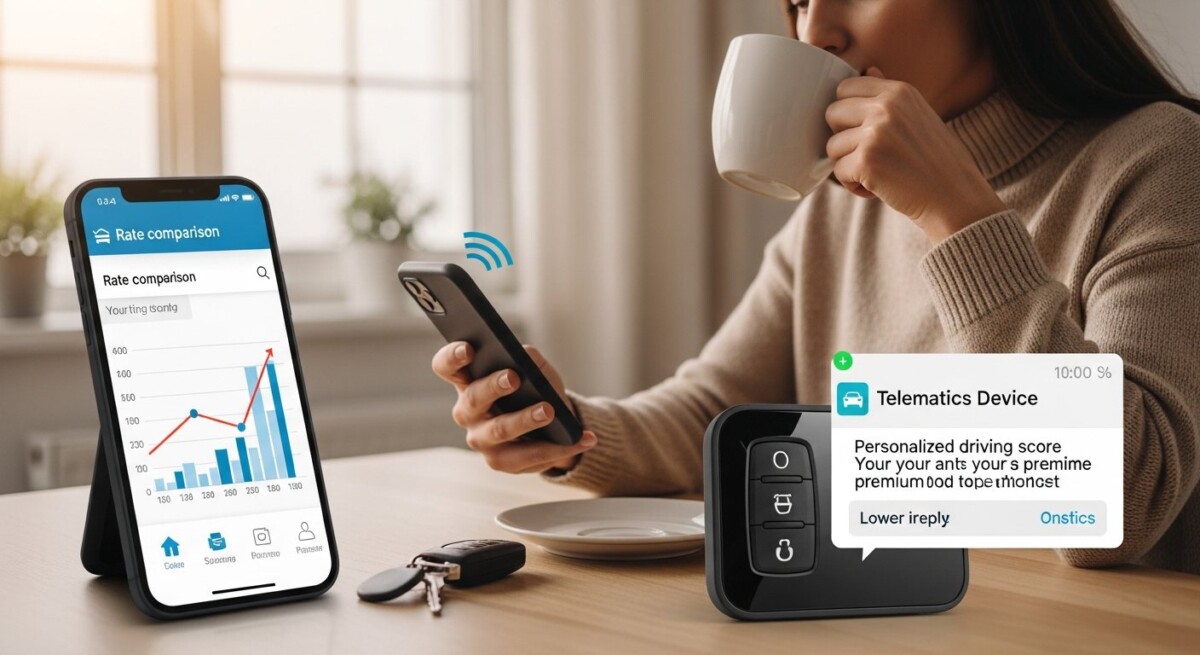
- Telematics or usage-based discount: Many insurers now offer programs where you install a device or use a smartphone app to track your driving. Safe habits like smooth braking and moderate speed can earn you up to 30 percent off.
- Low mileage discount: If you drive fewer than 7,500 miles per year, you may qualify for a low-mileage discount. Some carriers also offer pay-per-mile policies.
- Vehicle safety features discount: Cars equipped with anti-lock brakes, electronic stability control, and advanced driver assistance systems often qualify for discounts.
Ask your agent or quote platform to run a full discount check. Some discounts are automatically applied, but others require you to opt in or provide documentation. Our article on the 7 Best Auto Insurance Discounts for 2026 Drivers dives deeper into each of these savings opportunities and how to qualify for them.
Raise Your Deductibles Strategically
Your deductible is the amount you pay out of pocket before insurance kicks in after a claim. Raising your deductibles from $250 to $500 or $1,000 can lower your premium by 15 to 30 percent. This strategy works best if you have an emergency fund that can cover the higher deductible. For example, if you raise your collision deductible from $500 to $1,000, you might save $200 per year on premiums. Over five years, that is $1,000 in savings, which is exactly the amount you would pay if you had one at-fault accident. If you are a safe driver who goes years without a claim, this is a smart money move. Just be sure you can comfortably afford the deductible before you need it.
Improve Your Credit Score
In most states, insurers use credit-based insurance scores to set rates. A higher credit score signals to insurers that you are financially responsible and less likely to file claims. In 2026, this factor remains one of the most significant rating variables. If your credit score has room for improvement, focus on paying down credit card balances, disputing errors on your credit report, and making all payments on time. Even a 50-point increase in your credit score can reduce your premium by 10 percent or more. Check your credit score for free through many banking apps or credit card portals, and set a goal to raise it before your next renewal. For drivers in Florida or other high-risk states, improving credit can be especially impactful because base rates are already elevated.
Choose the Right Vehicle
If you are in the market for a new car in 2026, the make and model you choose directly affect your insurance costs. Sports cars, luxury sedans, and vehicles with high theft rates carry higher premiums. On the other hand, midsize SUVs, minivans, and sedans with strong safety ratings and lower repair costs are cheaper to insure. Before you buy a car, ask your insurance agent for a quote on that specific vehicle. The difference between insuring a Honda CR-V and a BMW 3 Series can be hundreds of dollars per year. Also consider the cost of replacement parts. Vehicles with expensive headlights or radar sensors will cost more to repair, and that cost gets passed to you through higher premiums.
Use Telematics and Usage-Based Insurance
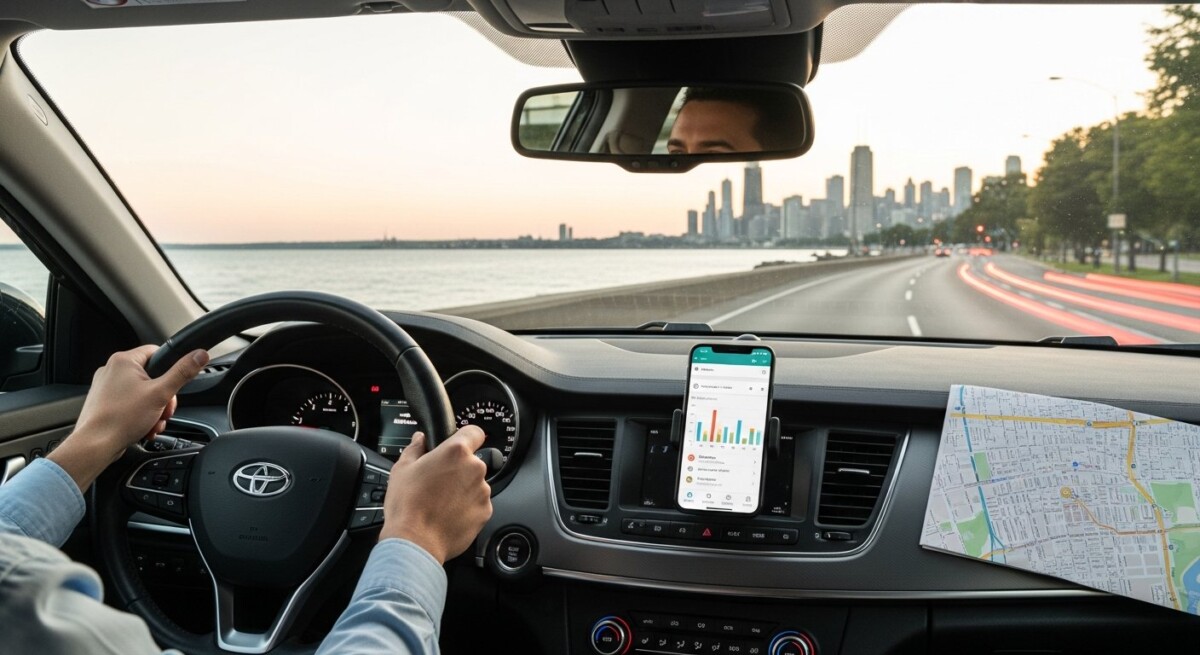
Telematics programs are becoming mainstream in 2026. These programs use a device plugged into your car or a smartphone app to monitor your driving habits. Insurers track metrics like speed, braking force, time of day, and mileage. If you drive safely and avoid late-night trips, you can earn discounts of 20 to 40 percent. Some carriers even offer a pay-per-mile option where you are charged a base rate plus a small fee for each mile driven. This is ideal for remote workers or city dwellers who drive infrequently. Before enrolling, read the privacy policy to understand how your data is used. Most major insurers now offer these programs, and they can be a great way to lower your auto insurance premiums in 2026 if you are a low-risk driver.
Review Your Coverage Limits Annually
Your insurance needs change over time. If you have an older car that is paid off, you might not need comprehensive and collision coverage. Dropping these coverages on a vehicle worth less than $3,000 can save you hundreds of dollars per year. On the other hand, if you have significant assets, you may want to increase your liability limits to protect yourself from lawsuits. A good rule of thumb is to review your policy at every renewal and ask yourself whether each coverage still makes sense for your current situation. For example, if you now work from home and drive less, you might qualify for a low-mileage discount. If your teenage driver has moved out, you can remove them from your policy. These small adjustments add up.
Take Advantage of Usage-Based Insurance Programs
Usage-based insurance (UBI) programs are another way to lower your premiums by paying for how you actually drive. Instead of relying on demographic factors like age or zip code, UBI programs base your rate on real driving data. In 2026, these programs are more sophisticated than ever. They can detect hard braking, rapid acceleration, and even phone distraction. Drivers who consistently score well can see their rates drop at each renewal. Some insurers also offer a hybrid model where you get an initial discount just for enrolling, with additional savings based on your driving. This is particularly helpful for younger drivers who typically face high rates. Our guide for 7 Best Auto Insurance for New Drivers in New York highlights how UBI programs can help new drivers build a positive insurance history.
Bundle Your Policies
Bundling is one of the simplest ways to save. If you own a home, rent an apartment, or have a life insurance policy, consider getting all your coverage from the same company. Most insurers offer a multi-policy discount of 10 to 20 percent. Some also offer a loyalty discount for staying with the same company for multiple years, though this is often smaller than the savings from shopping around. If you bundle, still compare the total cost against buying separate policies from different carriers. Sometimes the bundled price is competitive, but not always. Run the numbers both ways to be sure.
Consider a Higher Deductible for Comprehensive and Collision
As mentioned earlier, raising your deductible lowers your premium. But you can apply this strategy selectively. For example, you might keep a low deductible for liability coverage (which you use less often) and raise the deductible on comprehensive and collision (which you might use more frequently for minor damage). Some insurers allow you to set different deductible amounts for each coverage type. A $1,000 deductible on comprehensive and collision can reduce your premium by up to 30 percent compared to a $250 deductible. Just be prepared to pay that amount if you hit a deer or get into an accident.
Maintain a Clean Driving Record
Your driving record is the most direct factor in your insurance rate. A single speeding ticket can raise your premium by 20 to 30 percent, and an at-fault accident can double it. In 2026, many insurers use continuous monitoring, meaning they check your record at each renewal. If you have a blemish on your record, some carriers offer accident forgiveness programs that prevent your rate from increasing after your first at-fault accident. This is often available for an additional fee or as a loyalty perk. If you do get a ticket, consider taking a defensive driving course. In many states, completing an approved course can remove points from your license and qualify you for a discount. Check with your insurer to see if they accept defensive driving course certificates.
Drop Unnecessary Coverage on Older Vehicles
If your car is more than 10 years old and has a low market value, you may be paying for coverage you do not need. Comprehensive and collision coverage pay for damage to your own vehicle, but the payout is capped at the car’s actual cash value. If your car is worth $2,000 and your annual premium for these coverages is $600, you are paying 30 percent of the car’s value each year. In that case, it often makes more financial sense to drop these coverages and self-insure the risk. Keep liability coverage to protect others, but let go of physical damage coverage on a car that is not worth much. Use the money you save to build an emergency fund for potential repairs or a future down payment on a newer car.
Shop Around at Every Renewal
Loyalty does not always pay in the insurance world. Many carriers offer the best rates to new customers and then gradually increase premiums over time. This practice, often called price optimization, means that long-term customers may be paying more than necessary. The solution is to shop around at every renewal period, which is typically every six or twelve months. Use a comparison service like Free Auto Insurance Quotes Online to get multiple quotes quickly. Even if you decide to stay with your current insurer, seeing competing offers gives you leverage to ask for a discount. Many companies will match or beat a competitor’s quote if you ask. For drivers in specific markets, such as Florida or California, local rate fluctuations can be significant. Our analysis of the 7 Best Auto Insurance Providers in Miami for 2026 shows how regional competition can work in your favor.
Frequently Asked Questions
How much can I save by shopping around for auto insurance in 2026?
Most drivers save between 15 and 25 percent by comparing quotes from multiple carriers. In some cases, savings can exceed 40 percent if you switch from a high-cost insurer to a discount carrier.
Will my rates go up if I get a speeding ticket?
Yes, a speeding ticket typically raises your premium by 20 to 30 percent for three to five years. Some insurers offer accident forgiveness or ticket forgiveness programs that may mitigate the increase.
Is it worth raising my deductible to save money?
Raising your deductible from $500 to $1,000 can save you 15 to 30 percent on your premium. This is a good strategy if you have an emergency fund to cover the higher out-of-pocket cost in case of a claim.
Does credit score affect auto insurance rates in 2026?
Yes, in most states, insurers use credit-based insurance scores. A higher credit score generally leads to lower premiums. Improving your credit by even 50 points can result in noticeable savings.
What is the best way to lower insurance for a teenage driver?
Add them to a family policy, take advantage of good student discounts, and consider a usage-based insurance program that rewards safe driving. Also, choose a safe, low-cost vehicle for them to drive.
Lowering your auto insurance premiums in 2026 is not about a single magic trick. It is about combining multiple strategies: shopping around, maximizing discounts, adjusting deductibles, improving your credit, and choosing the right vehicle. Each step may save you a modest amount, but together they can cut your premium by hundreds of dollars per year. Start by getting a free quote comparison today. The time you invest in understanding your options will pay off every single month you are on the road. For personalized assistance, call us at 833-275-7533 or visit our website to connect with a licensed agent who can help you find the best coverage at the lowest price.