Drivers in the Beaver State face a unique set of challenges when shopping for car insurance. From Portland’s congested interstates to the winding coastal highways and the snowy passes of the Cascades, Oregon’s diverse driving conditions demand reliable coverage at a fair price. Yet many residents end up overpaying because they simply accept renewal quotes from their current provider. The good news is that comparing auto insurance quotes Oregon has never been easier, and the potential savings are substantial. By taking a strategic approach to shopping for coverage, you can secure a policy that protects your assets without straining your monthly budget.
Insurance premiums in Oregon are influenced by factors that range from your driving record and credit history to the specific zip code where you park your car at night. Without shopping around, you have no way of knowing whether you are getting a competitive rate. The insurance marketplace is dynamic, with carriers adjusting their pricing algorithms regularly based on claims data and risk models. A company that offered the lowest rate two years ago may now be the most expensive option. This article walks you through the process of obtaining and comparing quotes, understanding the coverage requirements specific to Oregon, and taking advantage of discounts that can lower your premium significantly.
Understanding Oregon’s Auto Insurance Requirements
Before you start collecting quotes, you need to know what coverage the state mandates. Oregon law requires all drivers to carry a minimum level of liability insurance. The current minimums are 25/50/20. This means you must have at least $25,000 in bodily injury liability coverage per person, $50,000 per accident, and $20,000 in property damage liability. These minimums are designed to cover costs you cause to others in an at-fault accident. However, relying solely on state minimums can leave you financially exposed if you cause a serious crash.
Medical expenses and vehicle repair costs have risen sharply in recent years. The $25,000 per person limit may be exhausted quickly by a single hospital visit. For this reason, many financial advisors recommend carrying higher liability limits, such as 100/300/50, to protect your savings and future earnings. Oregon also requires uninsured and underinsured motorist coverage (UM/UIM) with limits equal to your liability limits. This coverage protects you if you are hit by a driver who has no insurance or insufficient coverage. Given that a significant percentage of Oregon drivers are uninsured, this is a critical layer of protection.
Additional Coverage Types to Consider
Beyond the state-required coverages, you may want to add comprehensive and collision coverage to your policy, especially if you have a car loan or lease. Your lender will almost certainly require these coverages until the vehicle is paid off. Comprehensive covers damage from non-collision events such as theft, vandalism, falling objects, and weather-related incidents. Collision covers damage from hitting another vehicle or object, regardless of fault. While these coverages increase your premium, they prevent a total loss from becoming a financial catastrophe. When you compare auto insurance quotes Oregon carriers, request quotes with and without comprehensive and collision to see the exact cost difference.
Another optional coverage worth evaluating is rental reimbursement, which pays for a rental car while your vehicle is being repaired after a covered claim. Towing and roadside assistance coverage is also inexpensive and can provide peace of mind on long drives through rural Oregon. These add-ons typically cost just a few dollars per month but can save you hundreds in out-of-pocket expenses when an emergency occurs.
Key Factors That Influence Your Oregon Insurance Rate
Insurance companies use a complex set of variables to determine your premium. Understanding these factors can help you improve your profile before shopping for quotes. Your driving record is the most significant factor. A single at-fault accident or speeding ticket can increase your rates by 20 to 40 percent for three to five years. Conversely, maintaining a clean driving record for several years can qualify you for accident-free and good driver discounts.
Your credit-based insurance score also plays a major role in Oregon. Insurers in this state are permitted to use credit information to set rates, and studies show a strong correlation between credit history and claim likelihood. Drivers with excellent credit often pay significantly less than those with poor credit. If your credit score has improved recently, now is an excellent time to shop for new quotes. Other factors include your age, gender, marital status, annual mileage, and the make and model of your vehicle. Even the color of your car matters less than its safety rating, theft rate, and repair costs.
- Location: Rates vary dramatically by zip code. Urban areas like Portland and Eugene typically have higher premiums due to increased accident frequency and theft rates. Rural drivers may enjoy lower rates.
- Vehicle type: Sports cars, luxury vehicles, and models with high theft rates cost more to insure. SUVs and sedans with top safety ratings often qualify for discounts.
- Annual mileage: Drivers who commute long distances pay more because they spend more time on the road. Low-mileage drivers can qualify for usage-based discounts.
- Claims history: A history of frequent claims, even for minor incidents, labels you as high risk. Consider paying for small repairs out of pocket to avoid filing claims.
By focusing on the factors you can control, such as your driving habits and credit score, you can position yourself for the best possible rate. When you request auto insurance quotes Oregon providers, the system will automatically pull your credit-based score and driving record to generate accurate pricing. Review each quote carefully to ensure the information used is correct.
How to Compare Auto Insurance Quotes Effectively
The most common mistake drivers make is comparing only the monthly premium without looking at the coverage details. Two policies with the same price may offer vastly different levels of protection. Always compare apples to apples by ensuring each quote includes the same deductibles, liability limits, and optional coverages. A lower premium that comes with a $2,000 deductible may not be a good deal if you cannot afford to pay that amount out of pocket after an accident.
Start by gathering at least three to five quotes from different carriers. You can do this by visiting individual insurer websites or using a comparison platform like Free Auto Insurance Quotes Online, which aggregates quotes from multiple top-rated carriers in one place. This saves you time and ensures you see a broad range of pricing. When you receive the quotes, create a simple spreadsheet to compare the key variables side by side. Look beyond the price at the financial strength rating of the insurer, customer service reviews, and the claims process.
In our guide on comparing auto insurance quotes across states, we explain how regional differences affect pricing strategies. While Oregon has its own unique market dynamics, the principles of comparison shopping remain the same. You should also check whether the insurer offers a loyalty discount for bundling your auto policy with homeowners or renters insurance. Bundling can reduce your total premium by 10 to 25 percent.
Top Discounts for Oregon Drivers
Insurance companies offer a wide array of discounts, but they rarely advertise them all. You must ask or request a discount check when obtaining quotes. Some of the most valuable discounts available to Oregon drivers include the multi-policy discount, multi-car discount, good student discount for young drivers, and defensive driving course discount. If you have completed an approved driver safety course within the last three years, you may qualify for a rate reduction of 5 to 10 percent.
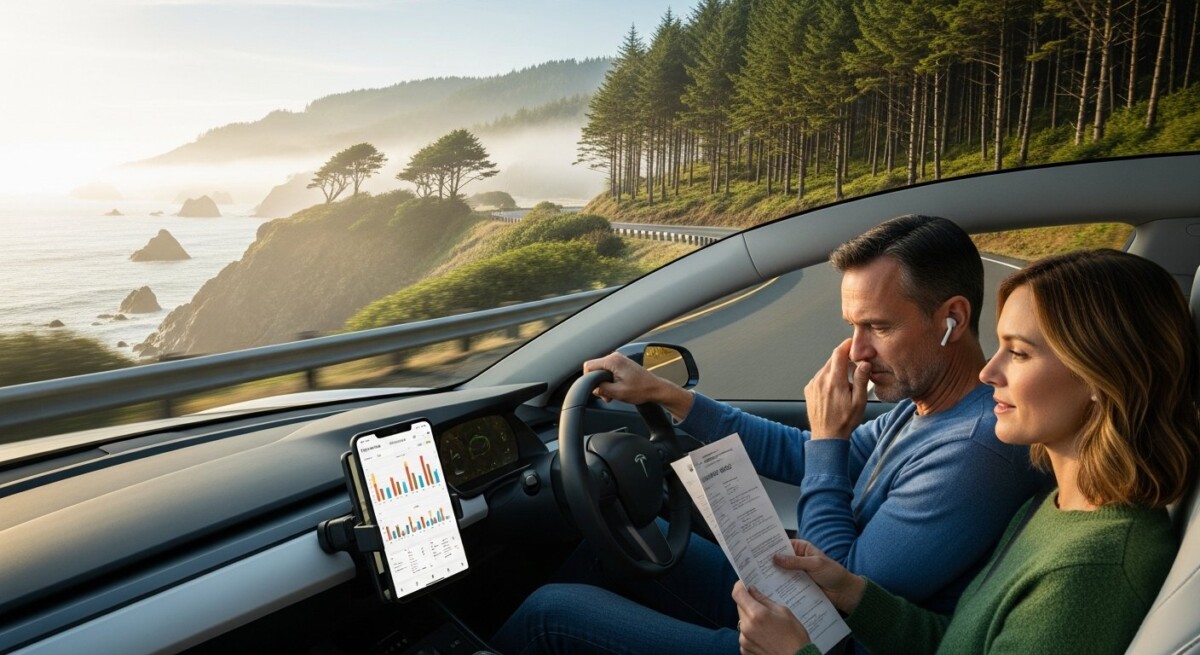
Another increasingly popular option is usage-based insurance, sometimes called telematics or pay-how-you-drive. These programs use a mobile app or a device plugged into your car to monitor your driving habits, including speed, braking, cornering, and time of day. Safe drivers can earn discounts of up to 30 percent. Oregon drivers who work from home or drive infrequently may benefit significantly from this type of program. When you compare auto insurance quotes Oregon carriers, ask each company whether they offer a usage-based discount and how much you can save.
For drivers with a history of accidents or violations, some insurers offer accident forgiveness programs after a certain period of clean driving. This discount prevents your rate from increasing after your first at-fault accident. While this benefit may come at an additional cost, it can save you hundreds of dollars over the long term. Evaluate whether the premium increase for accident forgiveness is worth the peace of mind.
When to Shop for a New Oregon Auto Insurance Policy
Most drivers wait until their policy renewal date to shop for new coverage, but there are strategic times to look for better rates. Life events such as moving to a new address, getting married, adding a teen driver, or paying off your car loan can all trigger changes in your premium. If you experience any of these events, request new quotes immediately rather than waiting for renewal. You may also want to shop around if your insurer raises your rates at renewal without a change in your driving record. This is a common practice, and it often signals that it is time to switch carriers.
The best time to compare rates is about three to four weeks before your current policy expires. This gives you enough time to evaluate offers, ask questions, and make a smooth transition without a lapse in coverage. A lapse in coverage, even for a single day, can lead to higher rates when you reinstate a policy. Many insurers view a lapse as a sign of increased risk. If you are considering switching, ensure your new policy start date aligns with the end date of your current policy to avoid any gap.
For those looking for the most affordable basic coverage, our article on liability-only auto insurance explains when this type of policy makes sense and how to ensure you are adequately protected. Liability-only policies are a good fit for older vehicles with low market value, but they do not cover damage to your own car.
Frequently Asked Questions
How much is auto insurance in Oregon per month?
The average cost of full coverage auto insurance in Oregon is approximately $140 to $170 per month, though rates vary widely based on your location, driving record, and coverage choices. Minimum liability coverage averages around $60 to $80 per month. Shopping for multiple quotes is the only way to determine your specific rate.
What is the penalty for driving without insurance in Oregon?
Driving without insurance in Oregon can result in a fine of up to $1,000, a 90-day driver’s license suspension, and a requirement to file an SR-22 certificate for three years. The SR-22 itself carries additional fees and higher premiums. It is never worth the risk to drive uninsured.
Can I get auto insurance with a suspended license in Oregon?
Yes, some insurers offer non-owner auto insurance policies for drivers with a suspended license, though options are limited and rates are higher. You must demonstrate that you are not driving illegally. Once your license is reinstated, you can transition to a standard policy.
How can I lower my auto insurance rate in Oregon quickly?
You can lower your rate by increasing your deductible, bundling policies, taking a defensive driving course, and asking about all available discounts. Also, check your credit report for errors that may be dragging down your score. Even a small improvement in your credit can lead to a lower premium.
For drivers in other states seeking similar savings, our comparison of best auto insurance quotes in Alabama and our guide on saving on car insurance in South Carolina provide state-specific strategies that can be adapted to your situation.
Securing the right auto insurance policy in Oregon requires a combination of knowledge, comparison shopping, and timing. By understanding the state’s minimum requirements, the factors that affect your rate, and the discounts available, you can make an informed decision that balances cost with coverage. Do not settle for the first quote you receive. Take the time to compare at least three options and read the policy details carefully. The few hours you invest in this process can save you hundreds of dollars every year while ensuring you have the protection you need on Oregon’s roads.