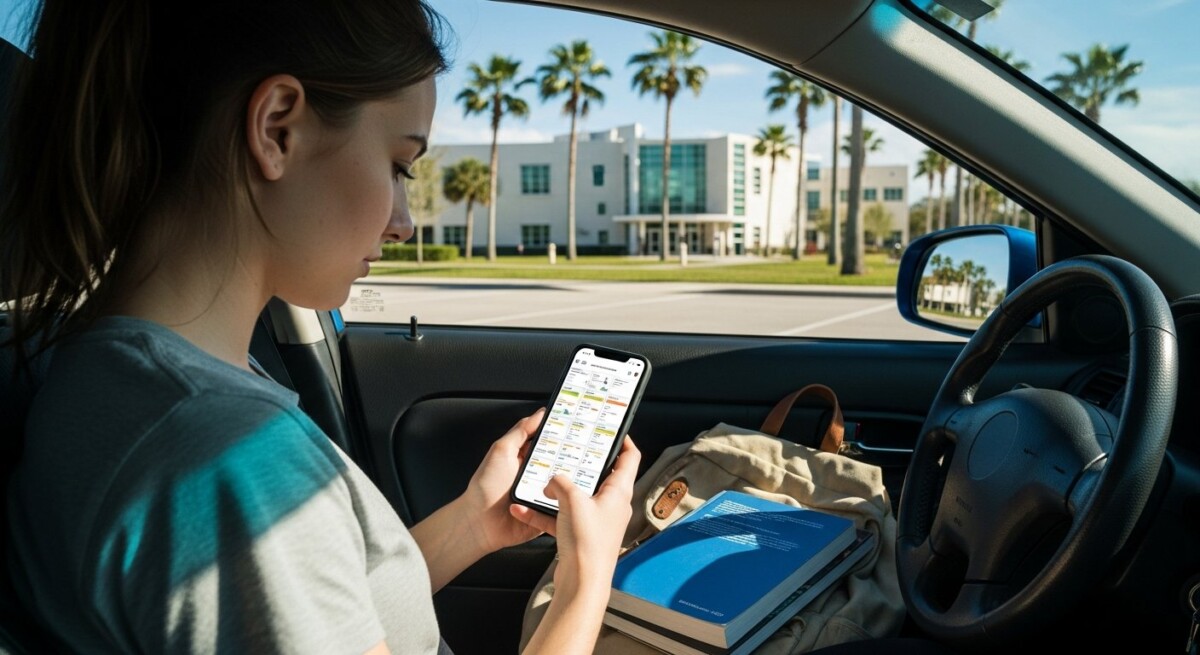
Balancing classes, part-time work, and a social schedule keeps Florida students busy. Adding the search for affordable car insurance to that list can feel overwhelming. Yet driving without proper protection is a risk that no student can afford. Whether you commute to a university in Miami, attend classes in Gainesville, or live off-campus in Tampa, understanding the specific rules and discounts available can save you hundreds of dollars each semester. This guide breaks down exactly how to secure reliable auto insurance coverage for students in Florida while keeping your budget intact.
Florida operates differently from most states when it comes to car insurance. The state requires Personal Injury Protection (PIP) and Property Damage Liability (PDL) as minimum coverage, but students often need additional layers of protection. Young drivers under 25 face higher premiums statistically, but several strategies exist to reduce those costs. By comparing quotes, leveraging good student discounts, and choosing the right policy structure, you can find a plan that fits both your car and your wallet.
Why Florida Students Face Higher Insurance Rates
Insurance companies assess risk based on data, and unfortunately, drivers between the ages of 16 and 25 file more claims than any other age group. In Florida, this trend combines with the state’s high rate of uninsured motorists and frequent severe weather events. As a result, the average premium for a student driver in Florida can be 20 to 40 percent higher than the national average for the same age bracket.
Another factor is Florida’s no-fault insurance system. Every driver must carry at least $10,000 in PIP coverage, which pays for your medical expenses regardless of who caused an accident. While this system ensures faster claim payouts, it also adds a fixed cost to every policy. Students living in urban areas like Orlando or Jacksonville also pay more due to higher traffic density and theft rates. Understanding these variables helps you see why comparing multiple quotes is essential rather than accepting the first offer you receive.
Minimum Coverage Requirements for Florida Students
Before shopping for a policy, you need to know what the state mandates. Florida law requires every driver to carry the following minimum coverages:
- Personal Injury Protection (PIP): $10,000 to cover medical bills and lost wages for you and your passengers, no matter who is at fault.
- Property Damage Liability (PDL): $10,000 to repair damage you cause to another person’s property, such as their car or a fence.
These minimums are the lowest legal requirements, but they leave significant gaps. For example, PIP does not cover damage to your own vehicle, and PDL does not cover the other driver’s medical bills if you are at fault. Many students opt for additional coverage like Bodily Injury Liability (BIL), which pays for injuries you cause to others, and Collision coverage, which repairs your car after an accident. While adding these raises the premium, it also prevents a minor fender bender from becoming a financial catastrophe.
Discounts That Help Students Save Big
Most major insurers offer specific discounts that directly benefit students. The key is knowing which ones exist and asking for them explicitly. Here are the most valuable discounts for Florida students:
- Good Student Discount: If you maintain a B average or higher (usually a 3.0 GPA), you can save 10 to 25 percent on your premium. Submit your report card or transcript to verify.
- Driver Training Discount: Completing an approved defensive driving course or driver education program can reduce your rate by 5 to 15 percent.
- Low Mileage Discount: Students who live on campus and drive fewer than 7,500 miles per year often qualify for a reduced rate.
- Bundling Discount: If your parents insure their home or renters policy with the same company, adding your car insurance can lower everyone’s premiums.
- Distant Student Discount: If you attend school more than 100 miles from your parents’ home and do not take a car to campus, some insurers offer a discount on your family’s policy.
Not every company offers all of these discounts, so it pays to compare. A good student discount alone can turn an expensive policy into an affordable one. For example, a student paying $2,400 annually could save $360 to $600 per year just by keeping their grades up. Combine that with a low mileage discount, and the savings become even more significant.
Options for Adding a Student to a Parent’s Policy
For many Florida families, the most cost-effective solution is keeping the student on a parent’s existing auto insurance policy. This approach works well if the student lives at home during school breaks or if they take a car to campus and the parents still own the vehicle. Insuring a young driver as a named driver on an established policy is usually cheaper than buying a separate policy because the parent’s multi-policy and loyalty discounts apply.
However, there are nuances to consider. If the student moves to a different city for school, the insurer may require updating the garaging address. Failing to do so could result in a denied claim if an accident occurs. Additionally, some companies charge higher rates for students who take a car out of state. Always inform your insurance agent about the student’s living situation so the policy accurately reflects the risk. If the student owns their own car and lives independently, a separate policy becomes necessary. In that scenario, shopping around is critical because rates vary widely among carriers for young adult drivers.
For a detailed comparison of carriers that cater to younger drivers, review our analysis of the best auto insurance providers in Miami for 2026. That guide covers companies with strong student-friendly policies and discount structures.
How to Compare Quotes Effectively
Getting the best rate requires more than just picking the cheapest option. You need to compare policies with identical coverage limits and deductibles to make a fair assessment. Here is a step-by-step approach:
- List your coverage needs: Decide whether you want state minimums, standard liability, or full coverage with comprehensive and collision.
- Gather personal information: Have your driver’s license number, vehicle VIN, current mileage, and driving history ready.
- Request quotes from at least three insurers: Use an online comparison platform to receive multiple offers simultaneously.
- Check for student discounts: Ask each company what proof they require for good student or driver training discounts.
- Review the declarations page: Ensure each quote includes the same deductibles and coverage limits before comparing prices.
After you receive the quotes, look beyond the monthly payment. A very low premium might come with a high deductible that you cannot afford if an accident happens. Also, check the insurer’s financial strength rating and customer service reviews. A cheap policy from a company that delays claims is no bargain. If you are a new driver, you might find our guide on auto insurance for new drivers helpful, as many of the same principles apply to Florida students.
Common Mistakes Florida Students Make
Even savvy students slip up when buying insurance. One frequent error is assuming that the cheapest policy is always the best choice. Minimum coverage may save money upfront, but a serious accident can lead to wage garnishment or lawsuits if the other driver’s medical bills exceed your limits. Another mistake is failing to update the insurer after moving to a new dorm or apartment. Your premium is partly based on your zip code, so a move to a safer neighborhood might lower your rate, while moving to a high-crime area could increase it.
Some students also forget to ask about usage-based insurance programs. These telematics programs track your driving habits through a mobile app or a device plugged into your car. Safe driving behavior such as avoiding hard brakes, staying under the speed limit, and driving fewer nighttime miles can earn you a discount of up to 30 percent. For students who drive carefully, this is an excellent way to prove their low risk to the insurer. Finally, do not let your policy lapse. Even a one-day gap in coverage can result in higher rates for years because insurers view lapses as a sign of higher risk.
Special Considerations for International Students
Florida is home to thousands of international students attending universities like the University of Florida, Florida State University, and the University of Central Florida. International students often face unique challenges when buying auto insurance. Many insurers require a U.S. driver’s license and a U.S. credit history, which newcomers may not have. Some companies accept a valid international driver’s permit for a limited time, but most require you to obtain a Florida driver’s license within 30 days of establishing residency.
If you lack a credit history, expect higher initial rates. To mitigate this, ask the insurer if they offer a non-credit-based rate or if they consider your education visa status. Some carriers specialize in policies for international students and offer competitive rates without a credit check. Additionally, if you have a driving record from your home country, request that the insurer review it. A clean record abroad can sometimes qualify you for a lower premium, though not all companies honor foreign driving histories.
Frequently Asked Questions
Can a Florida student get car insurance without a driver’s license?
No. You must have a valid driver’s license to purchase a personal auto insurance policy in Florida. If you have a learner’s permit, you can be added as a driver on a parent’s policy, but you cannot buy a standalone policy until you have a full license.
Does Florida require students to have full coverage insurance?
Florida law only requires PIP and PDL. However, if you finance or lease your vehicle, the lender will require full coverage, which includes comprehensive and collision. Even if you own the car outright, full coverage is strongly recommended because it protects your vehicle and covers your liability in serious accidents.
How does being a good student lower my insurance rate?
Insurers use statistical data showing that students with good grades tend to be more responsible and less likely to file claims. By providing proof of a 3.0 GPA or higher, you qualify for a good student discount that typically reduces your premium by 10 to 25 percent.
What happens if I get a ticket while driving to school?
A moving violation will likely increase your premium at renewal. The increase depends on the severity of the ticket and your insurer’s rating system. You may be able to take a defensive driving course to have the ticket dismissed or to prevent points from being added to your license, which can help keep your rates stable.
Can I use my parents’ insurance if I live in a dorm?
Yes, if you are listed as a driver on your parents’ policy and you do not have a car on campus. If you take a vehicle to school, you must notify the insurer so they can adjust the garaging address and ensure you have proper coverage at that location.
Final Tips for Securing the Best Policy
Finding affordable auto insurance coverage for students in Florida does not have to be a stressful process. Start your search early, gather multiple quotes, and always ask about discounts that apply to your situation. Remember that the minimum coverage required by law may not be enough to protect your assets or your future earnings. Consider raising your liability limits and adding uninsured motorist coverage, especially in a state where roughly one in five drivers has no insurance.
Once you have a few solid quotes, take the time to read the fine print. Look at the deductibles, exclusions, and what happens if you need to file a claim. A policy that covers a rental car during repairs or offers roadside assistance can save you from major headaches. Use our platform to compare rates from multiple carriers and find a policy that matches your budget and lifestyle. For a broader understanding of how coverage works in different states, check our guide on auto insurance in Massachusetts, which highlights how state laws affect policy options. Additionally, if you are considering a specific provider, our detailed review of Gainsco auto insurance coverage and claims offers insights into a company that often writes policies for younger drivers.
Driving in Florida is a privilege that comes with responsibility and financial obligations. By educating yourself, comparing options, and leveraging the discounts available, you can drive with confidence knowing you have the right protection at a price you can afford. Start your quote comparison today and take the first step toward affordable, reliable coverage.