
Auto Insurance Alaska: Liability, Collision & Full Coverage Explained
Learn how to build an auto insurance policy for Alaska’s unique risks, from mandatory minimums to essential coverage for moose strikes and remote roads. Secure the right protection for your vehicle.

By Oliver Turner
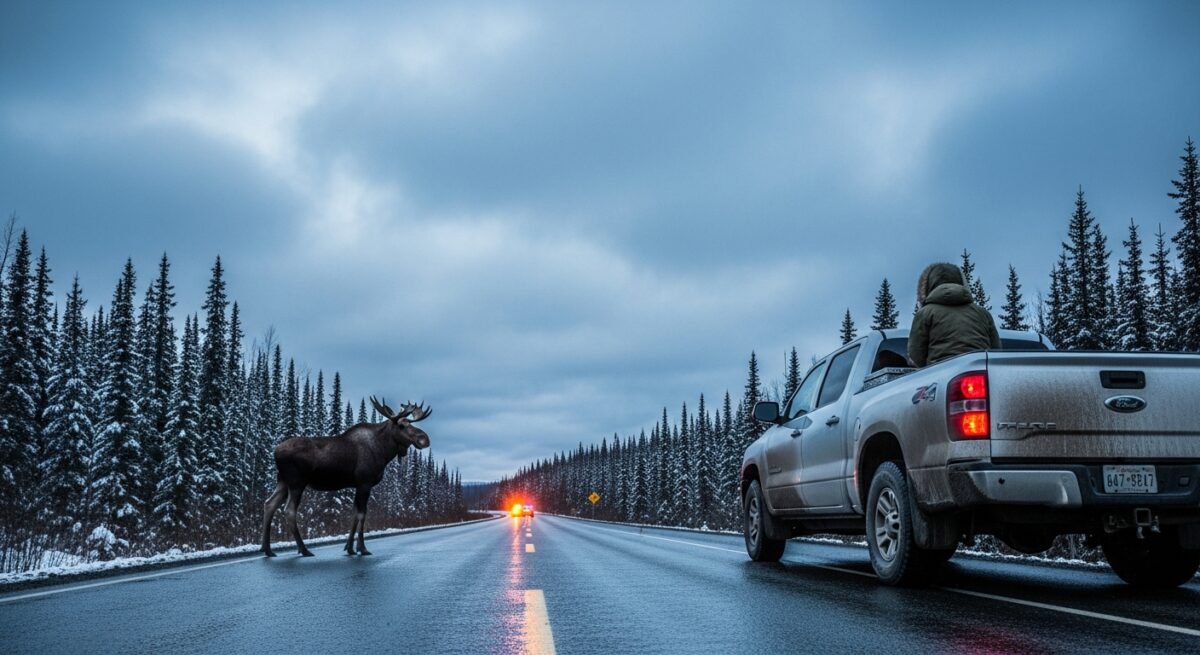
Driving in Alaska is an experience unlike any other in the United States, defined by extreme weather, remote roadways, and wildlife encounters that make standard auto insurance considerations seem almost quaint. Understanding the intricacies of auto insurance Alaska demands more than just finding the cheapest rate; it requires a strategic approach that accounts for moose collisions, long stretches of isolated highway, and the relentless wear of ice and snow. This comprehensive guide will help you build a policy that provides true security for your vehicle and financial well-being in The Last Frontier.
Alaska’s Mandatory Insurance Minimums and Real-World Needs
Alaska state law requires all drivers to carry a minimum level of liability coverage. This is designed to pay for injuries and property damage you cause to others in an at-fault accident. The mandatory minimums are 50/100/25: $50,000 for bodily injury per person, $100,000 for total bodily injury per accident, and $25,000 for property damage. While meeting these minimums keeps you legal, they are often insufficient for the high costs associated with serious accidents, especially given Alaska’s unique risk profile. A single moose collision can easily cause over $10,000 in vehicle damage alone, not accounting for potential injuries or multi-vehicle incidents on icy roads.
Therefore, treating state minimums as a mere checkbox can be a financially dangerous gamble. Experts strongly recommend considering much higher liability limits, often 100/300/100 or more, to protect your personal assets from a devastating lawsuit. Furthermore, Alaska is a “tort” or “fault” state, meaning the driver who causes an accident is financially responsible for the resulting damages. This system makes carrying robust liability coverage even more critical, as you could be held personally liable for costs that exceed your policy limits.
Essential Coverages Beyond Liability for Alaskan Drivers
Liability insurance protects others; to protect yourself and your vehicle, you must look to other key coverage types. In a state where comprehensive claims are frequent, these additions are not luxuries but necessities for prudent financial planning.
Comprehensive and Collision: Your First Line of Defense
Comprehensive coverage is arguably the most important addition for an Alaskan driver. It covers non-collision events, which in Alaska include a high-probability list: animal strikes (primarily moose), hail damage, falling ice or tree branches, vandalism, and theft. Given the sheer size and population of moose, this coverage is a near-universal recommendation. Collision coverage, which pays for damage to your car from impacting another vehicle or object (like a guardrail or ditch), is equally vital on slippery roads. If your vehicle is financed or leased, your lender will require both.
Specialized Protections for Northern Extremes
Several optional coverages can provide crucial support in Alaska’s environment. Uninsured/Underinsured Motorist (UM/UIM) coverage is highly advisable. It protects you if you’re hit by a driver with no insurance or insufficient limits, a significant risk. Medical Payments (MedPay) or Personal Injury Protection (PIP) can help with medical expenses for you and your passengers, regardless of fault. For those who venture far from urban centers, adding emergency roadside service and rental car reimbursement is a wise investment, as tow distances can be extraordinarily long and expensive. It’s also wise to understand what your policy covers in specific scenarios, such as whether auto insurance covers hail damage, a common Alaskan weather event.
Key Factors That Determine Your Alaska Premium
Insurance companies assess risk using a complex algorithm, and several Alaska-specific factors weigh heavily. Your geographic location within the state is primary. Urban areas like Anchorage or Fairbanks typically have lower premiums than remote villages or the Bush, due to better access to repair services, lower theft rates, and more frequent law enforcement patrols. However, even within cities, higher traffic density can increase collision risk. Your vehicle’s make and model also matters; four-wheel-drive trucks and SUVs popular in Alaska may have different rating factors than sedans.
Your driving record remains a universal premium driver. Accidents, speeding tickets, and DUI convictions will significantly increase your costs. Conversely, maintaining a clean record is the most reliable way to keep premiums manageable. Credit-based insurance scores are also used by most insurers in Alaska (where permitted by law) as a statistical predictor of risk. Improving your credit can, over time, lead to better insurance rates. Finally, your annual mileage plays a role; those with a long, daily commute on high-risk roads will pay more than someone who drives minimally.
To strategically lower your costs, actively pursue all available discounts. Common ones include:
- Multi-policy (bundling auto with homeowners or renters insurance)
- Multi-vehicle (insuring more than one car on the same policy)
- Safe driver (for a clean record over 3-5 years)
- Paid-in-full (paying your six-month or annual premium upfront)
- Vehicle safety features (anti-lock brakes, anti-theft devices)
- Defensive driving course completion
It’s also valuable to explore niche discounts; for instance, if you are a service member, you can look into specific military auto insurance options for savings. The key is to ask your agent or company representative for a full review of every discount for which you might qualify.
Choosing the Right Insurer and Getting Quotes
Not all national insurance companies operate in Alaska, and those that do may have varying appetites for the unique risks. It’s essential to choose a provider with a strong financial rating (look for A or A+ ratings from agencies like A.M. Best) and a solid reputation for customer service and claims handling in the state. Regional insurers familiar with Alaskan challenges can sometimes offer more tailored coverage and better understanding than a national giant unfamiliar with moose claim frequency.
The shopping process requires diligence. Gather your personal, driver, and vehicle information before starting. Get at least three to five quotes from different providers to compare not just price, but the coverage details and limits. Be sure each quote includes identical coverage so you’re making a true apples-to-apples comparison. Read customer reviews focused on the claims experience. Remember, the goal is to find the best value: robust protection at a competitive price, not merely the lowest premium. For a broader perspective on evaluating providers, reviewing top auto insurance ratings can provide useful context on financial stability and customer satisfaction industry-wide.
Frequently Asked Questions About Auto Insurance in Alaska
Is auto insurance more expensive in Alaska?
Yes, Alaska premiums are often above the national average. This is due to higher risks (wildlife, weather), higher repair costs (parts and labor), and a higher rate of uninsured drivers compared to some states.
What should I do immediately after a moose collision?
First, ensure everyone’s safety and move to a secure location if possible. Moose are large and can be dangerous even when injured. Call 911 to report the accident and any injuries. Document the scene with photos, including the animal, vehicle damage, road conditions, and any relevant landmarks. Contact your insurance company to start the claims process. Comprehensive coverage typically applies.
Are there any special winter storage considerations for my policy?
If you plan to store your vehicle for an extended period (e.g., over the summer or during a long vacation), you may be able to adjust your coverage. You can often suspend collision and liability while keeping comprehensive active to protect against theft, fire, or weather damage while stored. Always notify your insurer of storage plans to avoid coverage lapses and explore potential savings.
Can I get insurance if I only have a driver’s permit?
Yes, you can and must be insured while learning to drive. Typically, you would be added as a driver to the policy of the vehicle owner (like a parent or guardian). For unique licensing situations, it’s important to find a provider that accommodates them, much like exploring auto insurance with no license options requires specific company research.
Securing the right auto insurance in Alaska is an exercise in proactive risk management. By moving beyond bare-minimum compliance to build a policy that thoughtfully addresses moose strikes, severe weather, and remote driving, you gain more than just a legal document. You secure peace of mind, knowing that when the unpredictable happens on an Alaskan road, you and your finances have a reliable layer of protection designed for the realities of the North.