
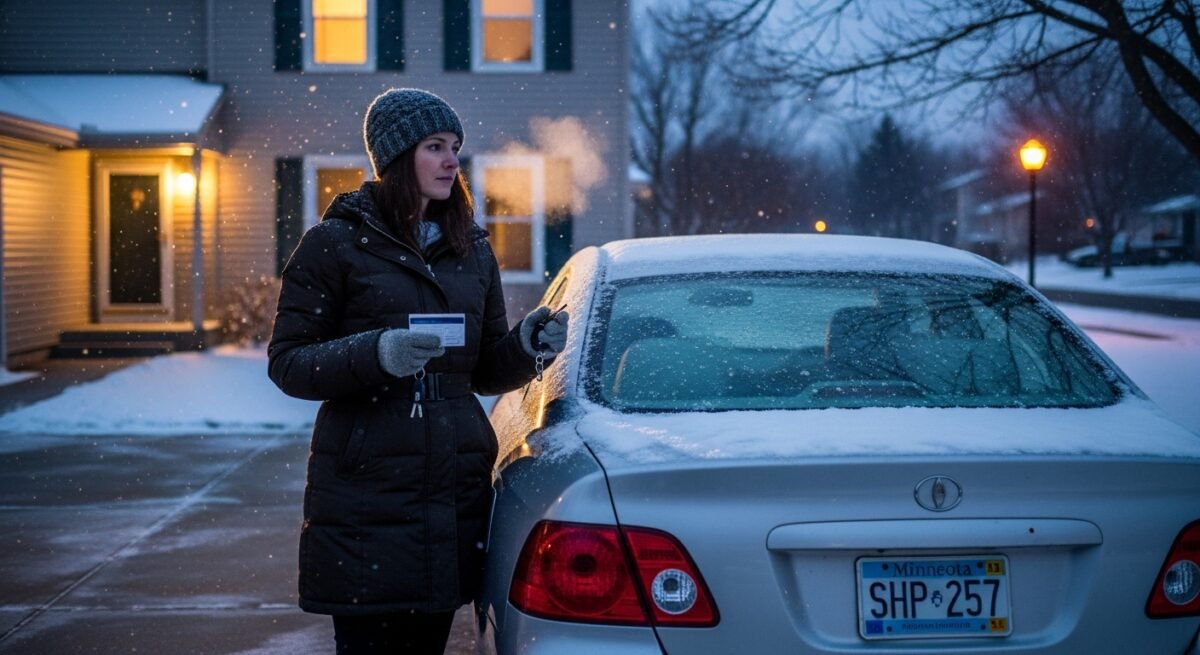
Auto Insurance Minnesota: Reliable Coverage for Residents
Navigate Minnesota’s unique auto insurance laws and winter driving risks. Learn how to choose the right coverage and find strategies to lower your premium while staying fully protected.

By Oliver Turner
Navigating the world of auto insurance Minnesota involves more than just finding the lowest premium. As a Minnesota driver, you’re subject to specific state laws and face unique driving conditions, from bustling Twin Cities traffic to challenging winter weather. Understanding these factors is key to securing the right protection for your vehicle and your finances. This guide will break down Minnesota’s mandatory insurance requirements, explore additional coverage options that make sense for local drivers, and provide actionable strategies to manage your costs effectively without sacrificing essential protection.
Understanding Minnesota’s Auto Insurance Requirements
Minnesota law mandates that all registered vehicle owners carry a minimum level of auto insurance liability coverage. This is designed to protect others if you are at fault in an accident. The state follows a “no-fault” system for certain coverages, which means your own insurance pays for your medical expenses after an accident, regardless of who caused the crash. The minimum required coverages are expressed as a series of three numbers, such as 30/60/10.
The first number, $30,000, is the limit for bodily injury liability per person. The second, $60,000, is the total bodily injury liability limit per accident. The third, $10,000, is for property damage liability. This means if you cause an accident, your insurance will pay up to $30,000 for one person’s injuries, up to a total of $60,000 for all injuries in the accident, and up to $10,000 for damage you cause to another person’s vehicle or property. It is crucial to understand that state minimums are often insufficient, especially in serious accidents where medical bills and vehicle repair costs can quickly exceed these limits, potentially leaving you personally liable for the difference.
In addition to liability coverage, Minnesota requires two types of no-fault coverage: Personal Injury Protection (PIP) and uninsured/underinsured motorist (UM/UIM) coverage. PIP covers medical expenses, lost wages, and replacement services for you and your passengers, regardless of fault, with a minimum requirement of $40,000. Uninsured motorist coverage protects you if you’re hit by a driver with no insurance, while underinsured motorist coverage applies when the at-fault driver’s liability limits are too low to cover your damages. Minnesota law requires both, with minimum limits matching your liability coverage (e.g., 30/60).
Recommended and Optional Coverage for Minnesota Drivers
While meeting the legal minimum keeps you compliant, building a robust auto insurance policy in Minnesota requires considering additional protections. The state’s harsh winters, with heavy snow, ice, and road salt, create unique risks. Likewise, urban areas have higher rates of traffic congestion and vehicle theft. Smart Minnesota drivers evaluate these factors when choosing coverage.
Collision coverage pays for damage to your own car resulting from an impact with another vehicle or object, like a tree or guardrail. Comprehensive coverage handles damage from non-collision events such as theft, vandalism, fire, hail, or hitting an animal. If you have a loan or lease on your vehicle, your lender will require both. Even if you own your car outright, these coverages are vital for protecting your financial investment, particularly against common Minnesota perils like deer collisions and severe hailstorms. Another highly recommended add-on is increased liability limits. Raising your bodily injury and property damage limits to 100/300/100 or higher provides a much stronger financial safety net.
Several other endorsements can provide valuable, targeted protection. For example, if your policy has a deductible for comprehensive or collision, you can add waiver of deductible for glass repair, which is useful given the prevalence of windshield cracks from road debris. Rental reimbursement coverage helps pay for a temporary vehicle while yours is being repaired after a covered claim. Since Minnesota is a no-fault state, medical payments coverage can supplement your PIP benefits. When reviewing options, it’s helpful to see how different states structure their requirements; for instance, our guide on Auto Insurance California details a tort-based system, highlighting the differences from Minnesota’s approach.
Key Factors That Influence Your Minnesota Auto Insurance Rates
Insurance companies use a complex algorithm to determine your premium, assessing risk based on a wide array of personal and regional data. In Minnesota, some factors carry significant weight. Your driving record is paramount; tickets, accidents, and especially DUI convictions will lead to substantially higher rates for several years. Your location within the state also matters immensely. Premiums in Minneapolis, St. Paul, and their suburbs are generally higher than in rural areas due to greater traffic density, higher claim frequencies, and increased risks of theft and vandalism.
The vehicle you drive directly impacts your cost. Insurers consider the car’s make, model, year, safety ratings, repair costs, and likelihood of theft. A brand-new luxury SUV will cost far more to insure than a mid-range sedan with top safety scores. Your own demographic profile, including age, gender, and credit-based insurance score (which Minnesota insurers are allowed to use), also plays a role. Younger drivers, particularly teenagers, face the highest premiums due to statistical risk. Married individuals often receive lower rates than single drivers. To manage these variables, consider the following steps:
- Maintain a Clean Driving Record: Safe driving over time is the most reliable way to keep premiums low.
- Improve Your Credit Score: Pay bills on time and reduce debt to improve your insurance score.
- Choose Your Vehicle Wisely: Before buying a car, research its insurance costs. Safety features like automatic emergency braking may qualify for discounts.
- Consider Your Deductible: Opting for a higher deductible on comprehensive and collision coverage can lower your premium, but ensure you can afford the out-of-pocket cost if you file a claim.
Beyond these core factors, insurers offer numerous discounts that can lead to substantial savings. Common opportunities include multi-policy (bundling home and auto), multi-vehicle, good student, paid-in-full, paperless billing, and safe driver discounts. Usage-based or telematics programs, where you allow the company to monitor your driving habits via a mobile app or plug-in device, can also result in significant savings for safe drivers. It’s always worth asking your agent for a full review of available discounts. For specialized circumstances, such as those facing military personnel, exploring dedicated resources like Military auto insurance options for savings and support can uncover additional, tailored discounts.
The Process of Shopping for and Comparing Policies
Finding the best auto insurance in Minnesota requires a proactive and informed shopping approach. Start by gathering your current policy declarations page and your driver’s license and vehicle identification numbers. You’ll need to provide consistent information to each insurer to get comparable quotes. It’s advisable to get quotes from at least three to five different companies, including large national carriers, regional providers, and direct-to-consumer insurers. Comparison shopping is not a one-time event; you should revisit the market every two to three years or after a major life event, like moving or buying a new car.
When evaluating quotes, look beyond the bottom-line premium. Scrutinize the coverage details, limits, and deductibles to ensure you are comparing identical policies. Check the insurer’s financial strength ratings from agencies like A.M. Best or Standard & Poor’s, which indicate their ability to pay claims. Also, research customer service and claims satisfaction scores through resources like J.D. Power or the National Association of Insurance Commissioners (NAIC) complaint index. A slightly cheaper policy is a poor value if the company is difficult to work with when you need them most. The process can vary by location; for example, drivers in Auto Insurance Florida: Protect Your Vehicle with Top Providers navigate different storm-related risks and regulations, but the principle of diligent comparison remains universal.
Frequently Asked Questions About Minnesota Auto Insurance
What happens if I’m caught driving without insurance in Minnesota?
Penalties are severe and can include fines of several hundred dollars, license plate impoundment, vehicle impoundment, and driver’s license suspension. Repeat offenses lead to higher fines and longer suspensions.
Does my auto insurance cover me if I drive in Canada?
Most Minnesota policies extend your liability coverage to Canada. However, it’s wise to carry proof of insurance (your card) and to contact your agent before a trip to confirm your comprehensive and collision coverage also apply and to understand any recommendations.
How does a “no-fault” system affect my claim after an accident?
After an accident in Minnesota, you first turn to your own insurance company to cover your medical expenses and certain economic losses under your PIP coverage, regardless of fault. You can only step outside the no-fault system to sue the other driver for pain and suffering if your injuries meet a certain threshold of seriousness, as defined by law.
Will my rates go up if I file a claim for hail damage?
Comprehensive claims, such as those for hail or deer collisions, typically have less impact on your premium than at-fault accident claims. However, filing multiple claims in a short period can still lead to a rate increase or non-renewal, depending on the insurer’s guidelines.
Can I get auto insurance if I don’t have a Minnesota driver’s license?
Yes, but it can be more complex and expensive. Insurers may see this as a higher risk. You must be able to demonstrate an “insurable interest” in the vehicle, such as being the owner. For more on this nuanced topic, see our resource on How to Get Auto Insurance No License Legally.
Securing the right auto insurance in Minnesota is a balance of legal compliance, personal risk management, and financial prudence. By thoroughly understanding the state’s unique requirements, thoughtfully selecting coverage that addresses local hazards, and actively shopping for competitive rates and discounts, you can drive with confidence knowing you and your assets are well-protected on every Minnesota road, from the North Shore to the southern bluffs.