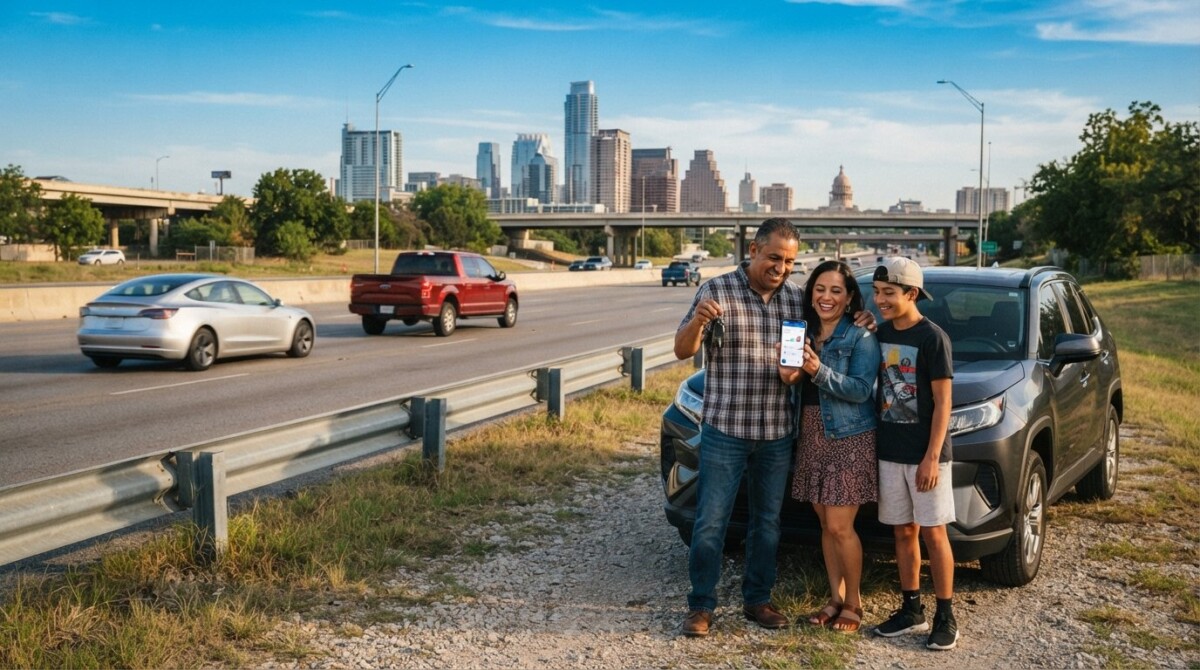
Texas is a state built on wide-open roads, bustling cities, and long commutes. But with that freedom comes a responsibility that every driver shares: carrying the right auto insurance. The Lone Star State has its own unique set of rules, minimum coverage limits, and pricing trends that can make finding affordable protection feel like navigating a maze. The good news is that comparing auto insurance quotes Texas drivers use today has never been easier, and doing so can unlock substantial savings.
If you are like most drivers, you probably want to know one thing: how much will this cost me? The answer depends on a mix of factors that are personal to you, your vehicle, and your driving history. But here is the key insight: the price you pay is not set in stone. Insurers use different formulas to calculate risk, which means the same driver can receive wildly different rates for identical coverage. By taking a strategic approach to gathering quotes, you can position yourself to get the best possible rate without sacrificing the protection you need.
In this guide, we will break down the essentials of shopping for auto insurance in Texas, including what the state requires, what factors affect your rates, and how to use online comparison tools to your advantage. We will also cover common mistakes to avoid and answer some frequently asked questions that can help you make a confident choice. Whether you are a new driver, a seasoned commuter, or someone just looking to lower their premium, this article is designed to give you a clear, actionable path forward.
Understanding Texas Auto Insurance Requirements
Before you start comparing rates, it is crucial to understand what the state of Texas demands from you as a driver. Texas follows a fault-based system, meaning the person who causes an accident is financially responsible for the damages. To ensure that drivers can meet this responsibility, the state requires a minimum amount of liability coverage. As of 2026, the minimum liability limits in Texas are 30/60/25, which breaks down as follows: $30,000 for bodily injury per person, $60,000 for bodily injury per accident, and $25,000 for property damage per accident.
These minimums are exactly what the name suggests: the least amount of coverage you can carry to legally drive. However, they may not be enough to protect your assets in a serious accident. Medical bills and vehicle repair costs can easily exceed these limits, leaving you personally responsible for the difference. Many financial advisors recommend carrying higher liability limits, such as 100/300/50, to provide a stronger safety net. Additionally, you may want to consider adding uninsured/underinsured motorist coverage, which protects you if you are hit by a driver who lacks adequate insurance, a real risk in a state where a significant number of drivers are uninsured.
Beyond liability, Texas does not require you to carry collision or comprehensive coverage, but your lender might. If you are financing or leasing your vehicle, the bank will typically require these coverages to protect its investment. Collision pays for damage to your car from a crash, while comprehensive covers non-collision events like theft, vandalism, or hail. Even if you own your car outright, adding these coverages can be a smart move, especially if you cannot afford to replace your vehicle out of pocket.
Key Factors That Influence Your Texas Auto Insurance Rate
Insurance companies evaluate a wide range of variables to determine your premium. Understanding these factors can help you see why your rates are what they are and what you can do to lower them. Here are the primary elements that shape your auto insurance quotes Texas insurers will offer you:
- Driving record: A clean history with no accidents or tickets will earn you lower rates, while violations can cause your premium to spike.
- Location: Drivers in urban areas like Houston, Dallas, and San Antonio often pay more due to higher traffic density and accident rates, while rural drivers may see lower premiums.
- Age and experience: Younger drivers, especially teens, face higher rates because they are statistically more likely to be in accidents. Experienced drivers over 25 typically enjoy more favorable pricing.
- Credit history: In Texas, insurers are allowed to use your credit-based insurance score to set rates. A good credit score can lead to significant savings, while poor credit may increase your premium.
- Vehicle type: The make, model, age, safety features, and repair costs of your car all influence your rate. A new luxury SUV will cost more to insure than an older sedan with a strong safety rating.
Once you understand these factors, you can start to see where you might have some control. For example, you cannot change your age, but you can improve your credit score or choose a car with better safety ratings. You can also ask about discounts for defensive driving courses, bundling policies, or low mileage. The point is that an auto insurance quote is not a random number; it is a calculation based on your unique profile, and you have the power to influence it.
Another factor that is often overlooked is your annual mileage. If you have a long commute or drive frequently for work, you will likely pay more than someone who works from home and drives only a few thousand miles a year. Some insurers offer usage-based programs that track your driving habits and reward safe, low-mileage drivers with discounts. These programs can be a great option for those who are confident in their behind-the-wheel behavior.
How to Compare Auto Insurance Quotes in Texas Effectively
Now that you know what to look for, the next step is to gather quotes from multiple insurance companies. This is where many drivers make a critical mistake: they settle for the first quote they receive or they only check rates from one or two big-name carriers. The truth is that rates can vary by hundreds, even thousands, of dollars between providers. To truly compare auto insurance quotes in Texas, you need to cast a wide net.
Start by using an online comparison platform like Free Auto Insurance Quotes Online. These tools allow you to enter your information once and receive quotes from multiple carriers, saving you time and effort. When you use such a service, you are not just getting quick numbers; you are also gaining access to licensed agents who can explain the nuances of different policies and help you find coverage that fits your budget and needs. This is especially valuable if you have a less-than-perfect driving record or unique coverage requirements.
When you receive quotes, do not just look at the monthly price. Take the time to compare the coverage details, deductibles, and exclusions. A lower premium might come with a higher deductible or less coverage, which could cost you more in the long run if you have an accident. Create a simple spreadsheet to list each quote alongside its coverage limits, deductibles, and any additional features like roadside assistance or rental car reimbursement. This will help you make an apples-to-apples comparison.
Also, be honest with yourself about the coverage levels you need. If you have an older car that is paid off, you might consider dropping collision and comprehensive coverage to save money. On the other hand, if you have a new car or a long commute, you will probably want full coverage for peace of mind. The goal is to find a balance between affordability and adequate protection.
If you are ready to start comparing, check out our in-depth guide on auto insurance quotes Texas: compare and save for a step-by-step breakdown of the process. You can also review our article on how to compare and save on auto insurance quotes in Texas for additional tips and strategies.
Top Discounts to Ask For When Shopping in Texas
Insurance companies love to reward drivers who are low-risk. One of the easiest ways to lower your premium is to take advantage of the discounts that are available. However, many drivers never ask about these savings, leaving money on the table. When you are gathering auto insurance quotes in Texas, be sure to inquire about the following discounts:
- Safe driver discount: If you have no accidents or moving violations in the past three to five years, you likely qualify for a discount.
- Multi-policy discount: Bundling your auto insurance with your home or renters insurance can save you up to 25% on both policies.
- Multi-car discount: If you insure more than one vehicle on the same policy, you can save a significant amount.
- Good student discount: Full-time students under the age of 25 with a B average or better can earn a discount, even if they are not the primary driver.
- Defensive driving course discount: Completing an approved defensive driving course can reduce your premium by up to 10% for three years.
Do not assume that these discounts are applied automatically. You need to ask your agent or the online comparison tool specifically about them. For example, if you have taken a defensive driving course recently, provide the certificate to your insurer to ensure you receive the discount. Similarly, if you have recently moved to a safer neighborhood, your rates may change, so it is worth reviewing your policy periodically.
Another consideration is your payment method. Many insurers offer a discount if you pay your premium in full rather than in monthly installments. This can save you money in the long run, but it requires a larger upfront payment. If you can afford it, it is a smart financial move. Additionally, setting up automatic payments can sometimes earn you a small discount, and it ensures you never miss a payment, which could lead to a lapse in coverage.
For a forward-looking perspective, read our guide on how to compare auto insurance quotes in Texas for 2026 to see how upcoming trends might affect your rates.
Avoiding Common Mistakes When Buying Texas Auto Insurance
Even with the best intentions, drivers often make errors that end up costing them money or leaving them underinsured. One of the most common mistakes is purchasing the minimum liability coverage just to save a few dollars. While this may satisfy the legal requirement, it can be financially devastating if you cause a serious accident. Medical bills can easily exceed $30,000, and if you are sued, your personal assets could be at risk. It is wise to consider higher limits, even if it means a slightly higher premium.
Another mistake is not shopping around at renewal time. Many drivers stick with the same insurer for years without checking if they are getting a competitive rate. Loyalty does not always pay in the insurance world. Rates change over time, new companies enter the market, and your personal situation may have improved. By comparing quotes every year or two, you can ensure you are not overpaying. This is where a comparison platform becomes invaluable, as it allows you to quickly see what other carriers are offering.
You should also be careful about providing inaccurate information on your application. Understating your annual mileage or failing to list all drivers in your household might lower your quote initially, but it can lead to a denied claim or a policy cancellation later. Always be truthful and transparent. If you are unsure about a question, ask the agent for clarification.
Finally, do not ignore the financial health of the insurance company you choose. A cheap policy from a financially unstable insurer might not be there when you need to file a claim. Check the company’s ratings with agencies like A.M. Best or Standard & Poor’s to ensure they have a strong track record. You want an insurer that will be reliable and responsive when it matters most.
Frequently Asked Questions
How can I get cheap auto insurance quotes in Texas?
To get the most affordable rates, start by comparing quotes from multiple insurers, raise your deductibles if you can afford them, and take advantage of all eligible discounts. Maintaining a clean driving record and good credit also helps keep your premiums low. Using an online comparison tool like Free Auto Insurance Quotes Online can simplify the process and help you find the best deal available.
What is the minimum car insurance coverage in Texas?
Texas requires liability coverage of 30/60/25, meaning $30,000 per person for bodily injury, $60,000 total per accident for bodily injury, and $25,000 for property damage. While this meets the legal requirement, many experts recommend higher limits for better financial protection.
Does my credit score affect my auto insurance rate in Texas?
Yes, in Texas insurers can use your credit-based insurance score to determine your premium. A higher credit score generally leads to lower rates. If you have poor credit, you may want to work on improving it before shopping for insurance, or you can ask about companies that place less emphasis on credit.
Can I get insurance with a suspended license in Texas?
It is possible, but it will be challenging and expensive. Some insurers offer non-owner policies or high-risk coverage for drivers with a suspended license, but you will need to seek out specialty providers. It is always best to resolve any license issues before applying for coverage.
How often should I shop for new auto insurance quotes in Texas?
It is a good idea to compare quotes at least once a year, especially around your policy renewal date. Life changes such as moving, buying a new car, or adding a teen driver are also good times to revisit your coverage and see if you can save. Rates can shift, and new discounts may become available, so regular comparison is a smart habit.
If you are ready to see what you can save, our team at Free Auto Insurance Quotes Online is here to help. We provide free, no-obligation quotes from multiple carriers, so you can make an informed choice. Call us today at 833-275-7533 to speak with a licensed agent and get personalized assistance. You can also use our online form to receive quotes instantly, making it easier than ever to find the right auto insurance policy for your needs and budget.
For more detailed strategies, check out our article on Texas auto insurance quotes: how to save big in 2026 to maximize your savings this year.
In the end, finding the right auto insurance in Texas comes down to knowledge and action. By understanding the requirements, knowing what affects your rates, and comparing quotes from multiple carriers, you can secure coverage that protects you without breaking the bank. Do not settle for the first quote you see or assume that your current insurer has your best interests at heart. Take control of your insurance journey, and you will be rewarded with both peace of mind and savings. Start comparing today, and remember that help is just a phone call away.