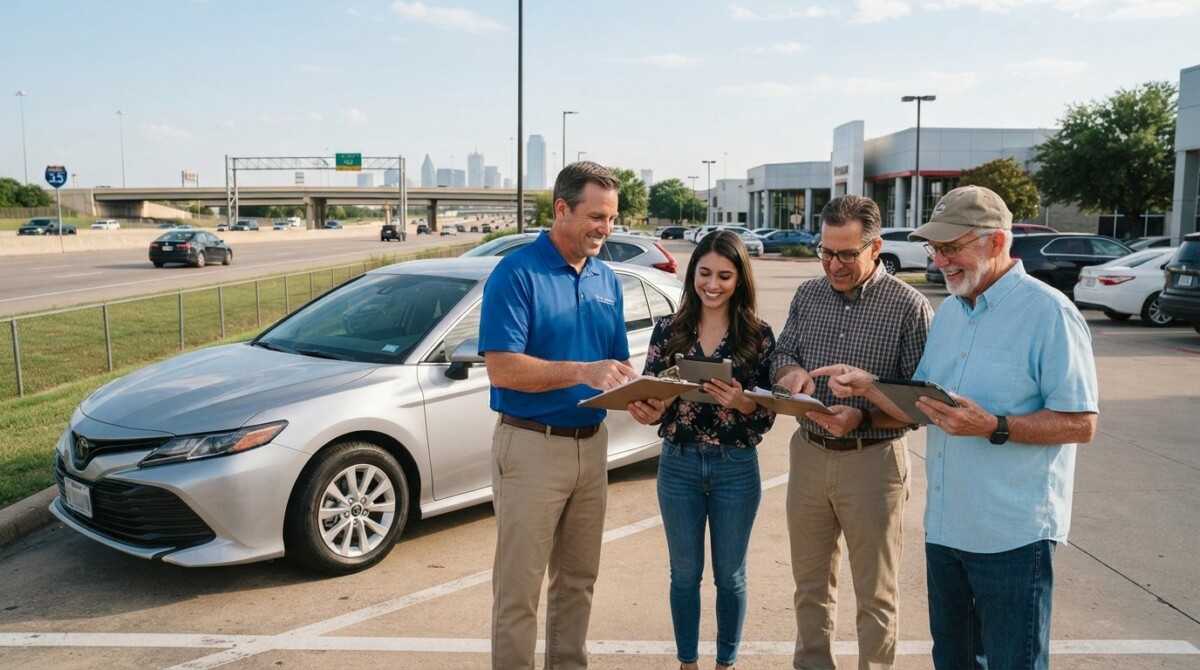
Texas roads are vast, and so is the range of auto insurance premiums across the Lone Star State. Whether you are commuting through Houston traffic, cruising the Hill Country, or parking in downtown Dallas, the cost of your car insurance can vary dramatically. Many drivers overpay simply because they accept their current rate without shopping around. The good news is that obtaining auto insurance quotes Texas has never been easier, and the potential savings are often substantial. By taking a strategic approach to comparison shopping, you can secure the coverage you need at a price that fits your budget.
Why Texas Auto Insurance Rates Vary So Much
Insurance is not a one-size-fits-all product, and Texas rates are influenced by a mix of personal, geographic, and vehicle-related factors. Understanding these variables is the first step toward finding a better deal. Your age, driving history, credit score, and the type of car you drive all play a role in the premium you pay. Additionally, where you park your car at night matters. Urban areas with higher traffic congestion and accident rates typically see higher premiums than rural communities.
Another significant factor is the coverage limits you choose. Texas law requires minimum liability coverage, but many drivers opt for higher limits or add comprehensive and collision coverage for greater protection. Each increase in coverage adds to your premium, but it also reduces your financial risk. The key is to balance cost and protection based on your unique situation.
For a deeper look at how different coverage levels affect your rates, you can explore our full coverage auto insurance quotes guide to see what fits your needs.
What Are the Minimum Insurance Requirements in Texas?
Before you start comparing quotes, it is essential to know what the law requires. Texas mandates minimum liability coverage, often referred to as 30/60/25. This means you must have at least $30,000 in bodily injury coverage per person, $60,000 in bodily injury coverage per accident, and $25,000 in property damage coverage. These minimums are designed to cover costs if you cause an accident, but they may not be enough to fully protect your assets in a serious crash.
Many financial advisors recommend carrying higher liability limits, such as 50/100/50, and adding uninsured/underinsured motorist coverage. This is especially important in Texas, where a significant number of drivers are uninsured. If you are involved in an accident with an uninsured driver, this coverage can save you from paying out of pocket for medical bills and vehicle repairs.
While minimum coverage is the legal baseline, it often leaves you vulnerable. When you request auto insurance quotes Texas, consider getting pricing for both minimum and higher limits to see the cost difference. Often, the increase in premium is modest compared to the added peace of mind.
How to Get Accurate Auto Insurance Quotes in Texas
Getting accurate quotes requires a bit of preparation. Insurance companies use detailed information to calculate your risk profile, so the more accurate your data, the more reliable your quotes will be. Start by gathering your driver’s license number, vehicle identification number (VIN), current policy details, and information about all drivers in your household. You will also need to know your annual mileage and how you use your vehicle, such as for commuting or pleasure.
Once you have your information ready, you can begin comparing rates. Here are the steps to follow for a smooth comparison process:
- Research multiple insurers, including national carriers and regional Texas providers, to build a broad comparison set.
- Use an online comparison platform that lets you enter your details once and receive quotes from several companies, saving time and effort.
- Review each quote carefully, checking that the coverage limits and deductibles are identical so you are comparing apples to apples.
- Look for discounts you may qualify for, such as safe driver, multi-policy, good student, or low mileage discounts.
- Contact a licensed agent if you have questions about a quote or need help tailoring coverage to your needs.
After you collect your quotes, take time to analyze them beyond just the premium. Consider the financial strength of the insurer, customer service reputation, and claims handling process. A slightly higher premium with a top-rated company may be worth the extra cost for better support when you need it most.
For a step-by-step breakdown of comparing rates effectively, our guide to comparing Texas auto insurance quotes offers practical advice to help you make an informed choice.
Key Factors That Influence Your Texas Insurance Premium
Several elements determine what you pay for car insurance in Texas. Some of these are within your control, while others are not. Your driving record is one of the most significant factors. A clean history with no accidents or tickets will earn you lower rates, while a single speeding violation can raise your premium for years. Similarly, insurance companies use credit-based insurance scores in Texas, so maintaining a good credit score can help you secure better rates.
The vehicle you drive also matters. Sports cars and luxury vehicles are more expensive to insure because they cost more to repair or replace. On the other hand, family sedans with high safety ratings often qualify for discounts. Your age and experience behind the wheel are also considered, with teenage drivers and seniors over 80 typically facing higher premiums.
Your location within Texas is another major factor. Drivers in the Dallas-Fort Worth metroplex and the Houston area often pay more than those in smaller cities like Amarillo or Lubbock. This is due to higher traffic density, accident frequency, and vehicle theft rates in urban centers. Even your zip code can influence your rate, so it pays to shop around if you move within the state.
Discounts That Can Lower Your Texas Auto Insurance Costs
Insurers offer a variety of discounts that can significantly reduce your premium. Taking advantage of these savings is one of the fastest ways to lower your auto insurance quotes Texas. Below are some common discounts to look for:
- Multi-policy discount: Bundling your auto insurance with home or renters insurance can save you up to 25%.
- Safe driver discount: Completing a defensive driving course or maintaining a clean record for three to five years can qualify you for savings.
- Good student discount: Students with a B average or better often receive a discount of 5% to 15%.
- Low mileage discount: If you drive fewer than a certain number of miles per year, you may be eligible for a reduced rate.
- Vehicle safety features discount: Cars with anti-lock brakes, airbags, and anti-theft devices can earn additional savings.
While discounts are attractive, they should not be the sole reason you choose an insurer. Always confirm that the discount is applied to your quote and understand the eligibility requirements. Some discounts, like the safe driver discount, may only apply after a certain period without incidents. Reading the fine print will help you avoid surprises later.
In addition to discounts, you can lower your premium by choosing a higher deductible. A deductible is the amount you pay out of pocket before insurance kicks in. Raising your deductible from $500 to $1,000 can reduce your premium by 10% to 20%. Just make sure you have enough savings to cover the deductible if you need to file a claim.
When to Shop for Auto Insurance in Texas
You do not have to wait for your policy to expire to shop for better rates. In Texas, insurers can change your premium at renewal, so it is wise to compare quotes every six to twelve months. Life events such as getting married, moving to a new city, or buying a new car are also perfect times to reevaluate your coverage. Even a small change, like paying off your car loan, can affect your insurance needs.
Another important time to shop is after a major life change, such as adding a teen driver to your policy. Teen drivers are expensive to insure, but you may find that one insurer offers more competitive rates for young drivers than another. Similarly, if you receive a speeding ticket or are involved in an accident, your premium may increase at renewal, making it a good time to see if you can switch to a more affordable provider.
However, avoid switching policies mid-term unless you are sure the new policy is a better deal. Canceling a policy early may result in a cancellation fee, and you may lose any paid-in-full discounts. Always calculate the total cost of switching, including any fees, before making a change.
Common Mistakes to Avoid When Comparing Quotes
Comparison shopping is only effective if you do it correctly. Many drivers make simple errors that lead to inaccurate quotes or missed savings. One common mistake is not providing the same information to every insurer. If one quote includes higher liability limits and another uses minimum coverage, you cannot fairly compare the prices.
Another mistake is ignoring the financial health of the insurance company. A low premium is not a bargain if the insurer has a history of denying claims or goes bankrupt. Check rating agencies like A.M. Best or J.D. Power for customer satisfaction scores. You also want to confirm that the insurer is licensed to operate in Texas by checking with the Texas Department of Insurance.
Finally, do not neglect to read the policy details. Coverage exclusions, deductibles, and policy limits can vary widely between providers. For example, some policies include roadside assistance and rental car reimbursement, while others charge extra for these perks. Understanding what is included in your quote will help you avoid unexpected costs later.
Frequently Asked Questions
How often should I shop for auto insurance quotes in Texas?
It is recommended to compare quotes at least once a year, either at renewal or after a major life event. Doing so ensures you are still getting the best rate for your coverage needs.
What coverage level should I choose to save money?
While minimum liability coverage is the cheapest, it may not adequately protect your assets. Consider raising your coverage limits and deductibles to find a balance between affordability and financial safety.
Can my credit score affect my Texas auto insurance rate?
Yes, Texas insurers are allowed to use credit-based insurance scores when calculating premiums. Maintaining a good credit score can lead to lower rates.
Are there discounts for seniors or military members in Texas?
Many insurers offer discounts for seniors who complete a defensive driving course, and some provide special rates for active military and veterans. Ask each insurer about their specific discount offerings.
How do I get the most accurate auto insurance quotes Texas?
Provide consistent and accurate information across all quote requests. Use an online comparison tool to streamline the process and ensure you are comparing equivalent coverage.
For more detailed guidance on comparing rates, our auto insurance quotes Texas comparison guide can help you navigate the process.
If you are ready to start saving, use our free comparison tool to receive quotes from multiple carriers. You can also read our step-by-step guide on comparing Texas quotes to ensure you are getting the best deal.
Ultimately, finding affordable auto insurance in Texas is about being proactive and informed. By understanding the factors that affect your rates, leveraging discounts, and comparing quotes regularly, you can keep your premium in check while maintaining the coverage you need. Start your comparison today and see how much you can save on your next policy.