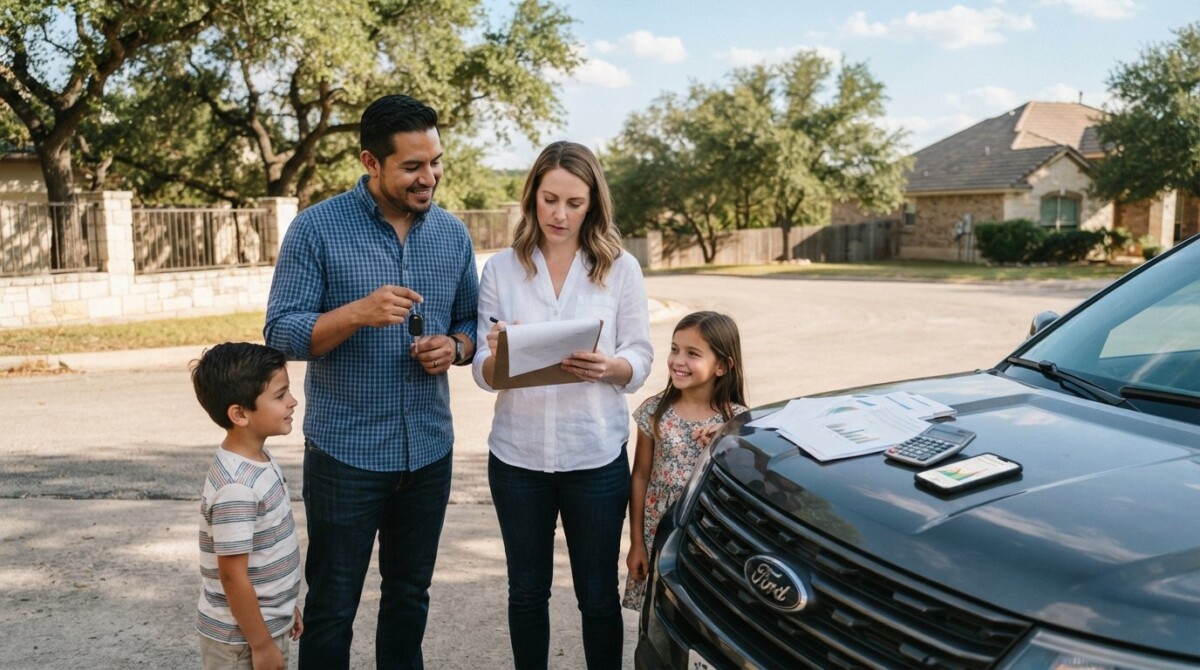
Finding the right auto insurance in Texas can feel overwhelming, especially with so many carriers competing for your attention. Rates vary widely between companies, and the cheapest option for your neighbor may be the most expensive for you. The key to saving money is understanding how Texas insurance works, knowing what factors affect your premium, and comparing multiple auto insurance quotes Texas carriers offer. This guide walks you through the process, from minimum coverage requirements to hidden discounts, so you can make an informed decision without wasting time or overpaying.
Whether you are a new driver, a long-time resident, or someone just looking to switch providers, the Texas auto insurance market offers plenty of opportunities to save. However, the average driver in the Lone Star State pays hundreds of dollars more per year than the national average. That gap exists largely because Texas is a high-risk state for weather events, hail damage, and uninsured motorists. By taking a strategic approach to comparing quotes, you can find coverage that fits both your budget and your needs.
Why Texas Auto Insurance Rates Are Unique
Texas operates under a unique regulatory system that affects how insurers calculate premiums. Unlike many states that require prior approval for rate changes, Texas uses a “file and use” system. This means insurers can adjust rates without waiting for state approval, as long as they file the changes with the Texas Department of Insurance. As a result, rates can fluctuate more frequently, and comparing quotes becomes even more important.
Another factor that sets Texas apart is its status as a “fault” state for auto accidents. In a fault state, the at-fault driver’s insurance pays for the other party’s medical bills and vehicle repairs. This system gives injured parties the right to seek compensation beyond their own policy limits, which often leads to higher liability coverage needs. Consequently, Texas drivers are encouraged to carry higher liability limits than the state minimum to protect their personal assets in a serious accident.
Weather also plays a significant role. Texas experiences severe thunderstorms, hailstorms, and occasional flooding, all of which lead to frequent comprehensive claims. Insurers factor this risk into their pricing, especially for drivers in hail-prone regions like Dallas, Houston, and San Antonio. If you live in an area with high claim activity, your comprehensive coverage will cost more, making it even more critical to shop around for the best rate.
Minimum Coverage Requirements in Texas
Before you start comparing quotes, you need to know what coverage the state legally requires. Texas mandates a minimum amount of liability insurance, often referred to as 30/60/25:
- $30,000 for bodily injury per person
- $60,000 for total bodily injury per accident
- $25,000 for property damage per accident
These limits are relatively low compared to the potential cost of a serious accident. A single hospital stay can easily exceed $30,000, and vehicle repairs can surpass $25,000 in seconds. If you cause an accident and your limits are exhausted, you are personally responsible for the remaining costs. That is why many financial experts recommend carrying higher limits, such as 50/100/50, or even more if you have significant assets to protect.
In addition to liability coverage, Texas requires that you purchase Personal Injury Protection (PIP) and Uninsured/Underinsured Motorist (UM/UIM) coverage, unless you explicitly reject them in writing. PIP covers your medical expenses and lost wages regardless of who is at fault, while UM/UIM protects you if you are hit by a driver without insurance or with insufficient coverage. Rejecting these coverages can lower your premium, but it also exposes you to significant financial risk. For most drivers, keeping PIP and UM/UIM is a wise investment.
How to Get Accurate Auto Insurance Quotes Texas
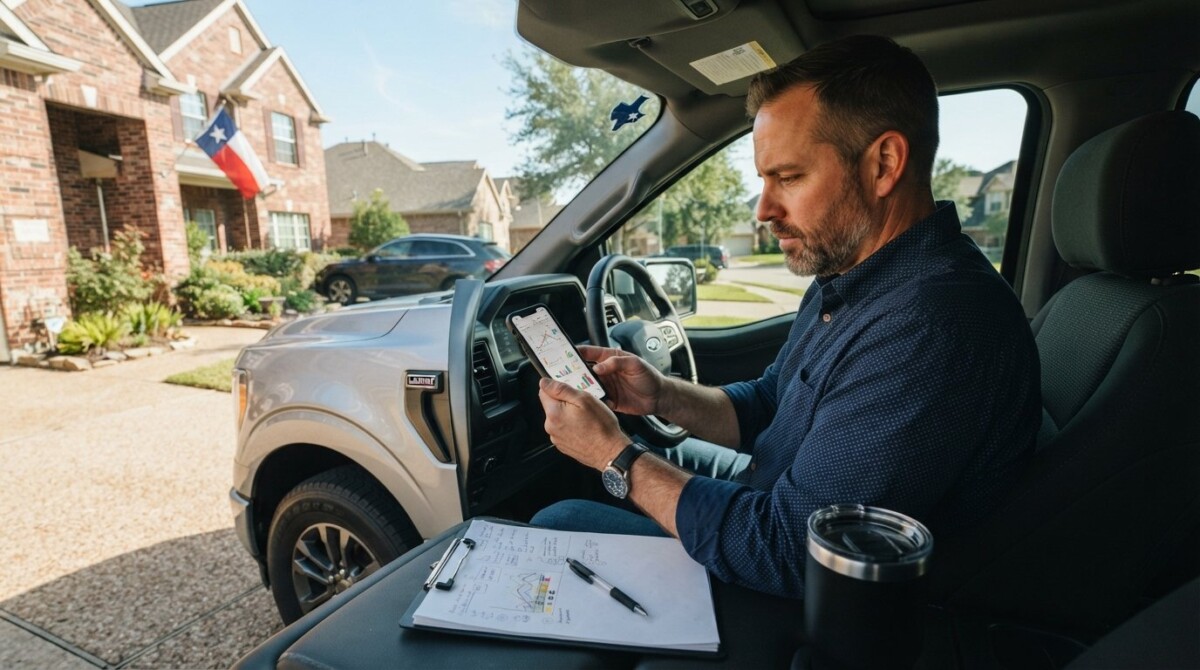
Getting accurate quotes is the foundation of saving money on car insurance. The process may seem straightforward, but many drivers make mistakes that lead to inflated rates. Here is a step-by-step approach to gathering quotes that reflect your true risk profile:
- Gather your personal information: You will need your driver’s license number, vehicle identification number (VIN), current mileage, and details about your driving history, including any accidents or violations in the past three to five years.
- Decide on coverage levels: Determine the liability limits, deductibles, and optional coverages you want. Consistency is crucial when comparing quotes, as different coverage levels will produce different prices.
- Use a comparison platform: Instead of visiting each insurer’s website individually, use a service like Free Auto Insurance Quotes Online to receive multiple offers with one form. This saves time and ensures you see a broad range of rates.
- Review the quotes carefully: Check for discrepancies in coverage, deductibles, and any discounts applied. A cheaper quote may have higher deductibles or lower limits, so compare apples to apples.
- Ask about discounts: Many discounts are not automatically applied. Ask each insurer or agent about available discounts for safe driving, bundling, anti-theft devices, and low mileage.
Once you have gathered quotes from several companies, take the time to compare not just the premium but also the customer service reputation and financial strength of each insurer. A cheap policy from a company with poor claims handling could cost you more in the long run if you need to file a claim.
Factors That Influence Your Texas Auto Insurance Rates
Insurance companies use a variety of factors to determine your premium. Some of these are within your control, while others are not. Understanding these factors can help you find opportunities to reduce your rate:
- Driving record: A clean record with no accidents or traffic violations earns you the lowest rates. One speeding ticket can increase your premium by 20% or more, and a DUI can double or triple it.
- Age and experience: Young drivers under 25, especially teenagers, face the highest rates due to inexperience. Drivers over 50 often see lower rates, but those over 70 may see increases as reaction times decline.
- Credit score: Texas allows insurers to use credit-based insurance scores when setting rates. A poor credit score can raise your premium significantly, so improving your credit can lead to substantial savings.
- Vehicle type: The make, model, and year of your car affect repair costs, safety ratings, and theft likelihood. Sports cars and luxury vehicles are more expensive to insure than sedans and minivans.
- Location: Your ZIP code determines your exposure to theft, vandalism, and weather-related claims. Urban areas with higher traffic density typically have higher rates than rural areas.
- Annual mileage: The more you drive, the higher your risk of an accident. Drivers who commute long distances or use their car for business pay more than those who drive infrequently.
While you cannot change your age or where you live, you can improve your driving habits, maintain a good credit score, and choose a vehicle that is cheaper to insure. Additionally, many insurers offer usage-based programs that track your driving via a mobile app or device, rewarding safe habits with discounts.
Comparing Quotes: What to Look For
When you receive multiple auto insurance quotes Texas, the temptation is to pick the lowest price. However, the cheapest policy is not always the best value. Here are key elements to examine in each quote:
- Coverage limits: Ensure the liability limits meet your needs, not just the state minimum. Also, check the deductibles for comprehensive and collision coverage. A higher deductible lowers your premium but increases your out-of-pocket cost in a claim.
- Exclusions: Read the policy language to see what is not covered. Some policies exclude certain drivers, such as teenagers or drivers with a poor record, and some exclude certain uses, like ride-sharing or delivery.
- Endorsements: Look for optional coverages like roadside assistance, rental car reimbursement, and gap insurance. These add-ons can be valuable but also increase your premium.
- Discounts: Verify that all applicable discounts have been applied. Common discounts include multi-policy, multi-car, safe driver, good student, and anti-theft device discounts.
- Financial strength: Check the insurer’s rating from AM Best, Standard & Poor’s, or Moody’s. A company with a strong financial rating is more likely to pay claims promptly.
For a detailed breakdown of how to evaluate full coverage options, refer to our guide on full coverage auto insurance quotes. It explains the difference between state minimum and full coverage, and when upgrading makes sense.
Discounts That Can Lower Your Premium
One of the easiest ways to reduce your auto insurance costs is to take advantage of discounts. Many drivers miss out on savings simply because they do not ask. Here are some common discounts available in Texas:
- Multi-policy discount: Bundling your auto insurance with homeowners or renters insurance can save you 10% to 20% on both policies.
- Multi-car discount: Insuring more than one vehicle on the same policy often earns a discount of 10% or more.
- Safe driver discount: Maintaining a clean driving record for three to five years can qualify you for a significant discount.
- Good student discount: Full-time students under age 25 with a B average or better can receive up to 15% off.
- Defensive driving course: Completing an approved defensive driving course can reduce your premium by 5% to 10%.
- Anti-theft and safety features: Cars equipped with alarms, tracking devices, or advanced safety systems may qualify for discounts.
Not all insurers offer the same discounts, and the amount of savings varies. That is why comparing quotes from multiple companies is essential. A discount that one insurer offers may not be available from another, but the base rate may be lower, resulting in a better overall price.
If you are looking for the best rates in the state, our review of the best auto insurance quotes in Texas for 2026 highlights top providers and their unique offerings. It can help you narrow down your options before you request quotes.
How to Use a Comparison Platform Effectively
Using a comparison platform like Free Auto Insurance Quotes Online simplifies the process of obtaining multiple quotes. Instead of filling out the same form on dozens of websites, you enter your information once and receive offers from several carriers. This approach saves time and ensures you are comparing similar coverage levels.
To get the most accurate results, be honest and precise when entering your information. Inaccuracies, such as a wrong VIN or incorrect mileage, can lead to quotes that do not match your actual premium. Also, check your email or phone for follow-up messages from the platform or its partner agents. Some quotes may require additional information or verification before they are finalized.
Keep in mind that the platform is a lead generator, meaning its business model relies on connecting you with licensed agents. This is beneficial because agents can answer your questions and help you tailor coverage to your needs. However, you are under no obligation to accept any offer. Use the quotes as a starting point for your own research.
For a broader view of the Texas market, our comprehensive article on auto insurance quotes in Texas covers additional strategies for finding affordable rates, including when to shop around and how to negotiate with insurers.
Common Mistakes to Avoid When Shopping for Auto Insurance in Texas
Even with the best intentions, drivers often make mistakes that cost them money. Here are some pitfalls to avoid:
- Choosing the minimum coverage: While it may seem economical, minimum liability limits offer little protection if you cause a serious accident. The financial consequences can be devastating, including wage garnishment or loss of assets.
- Not shopping around each year: Your premium can change at renewal, even if nothing in your life has changed. Rates increase due to inflation, claims in your area, or changes in the insurer’s risk model. Shopping around annually ensures you are not overpaying.
- Ignoring discounts: Failing to ask about discounts is like leaving money on the table. Always ask your agent or the comparison platform about available savings.
- Setting too high of a deductible: A high deductible lowers your premium, but it also means you pay more out of pocket if you file a claim. Choose a deductible you can comfortably afford in an emergency.
- Not reviewing your policy before renewal: Your coverage needs may change, such as adding a new vehicle, moving to a new address, or starting a ride-sharing job. Review your policy at each renewal to ensure it still fits your situation.
By avoiding these mistakes, you can maximize your savings and ensure you have the protection you need.
Frequently Asked Questions
How much auto insurance do I need in Texas?
Texas requires a minimum of 30/60/25 liability coverage, but most experts recommend carrying at least 50/100/50. Additionally, you should consider adding UM/UIM and PIP coverage, as these protect you from uninsured drivers and medical expenses. The right amount depends on your assets, income, and risk tolerance.
How can I get cheap auto insurance in Texas?
The most effective way is to compare multiple auto insurance quotes Texas providers. Start by improving your credit score, maintaining a clean driving record, and asking about discounts. Using a comparison platform like Free Auto Insurance Quotes Online can help you find the best rates quickly.
Does my credit score affect my auto insurance rate in Texas?
Yes, Texas insurers are allowed to use credit-based insurance scores in their pricing. A higher credit score generally results in lower premiums. If you have poor credit, you can still find affordable coverage by shopping around, as some insurers place less weight on credit than others.
Can I get auto insurance with a DUI in Texas?
Yes, but your premiums will be significantly higher, and you may need to file an SR-22 certificate with the state. An SR-22 is a form your insurer files to prove you have the required liability coverage. Shopping around is essential, as rates for high-risk drivers vary dramatically between companies.
Final Thoughts on Saving with Auto Insurance Quotes Texas
The Texas auto insurance market is competitive, and that works in your favor. By taking the time to compare auto insurance quotes Texas carriers offer, you can find a policy that provides solid protection at a price that fits your budget. Start with a free comparison tool to see multiple rates at once, then dig into the details of each quote to ensure you are getting the best value, not just the lowest price.
Remember that your premium is not set in stone. Life changes, such as moving, getting married, or buying a new car, can affect your rate. Revisit your coverage at least once a year and after any major life event. For more tips on comparing auto insurance in the Lone Star State, check out our Texas auto insurance quotes guide to start your journey toward lower premiums.