
Auto Insurance Utah: Laws, Rates, and Savings Strategies
Navigate Utah’s no-fault insurance laws and discover actionable strategies to lower your premiums. Learn about required coverages, unique state risks, and how to build a policy that offers real financial protection on the road.

By Marcus Bennett
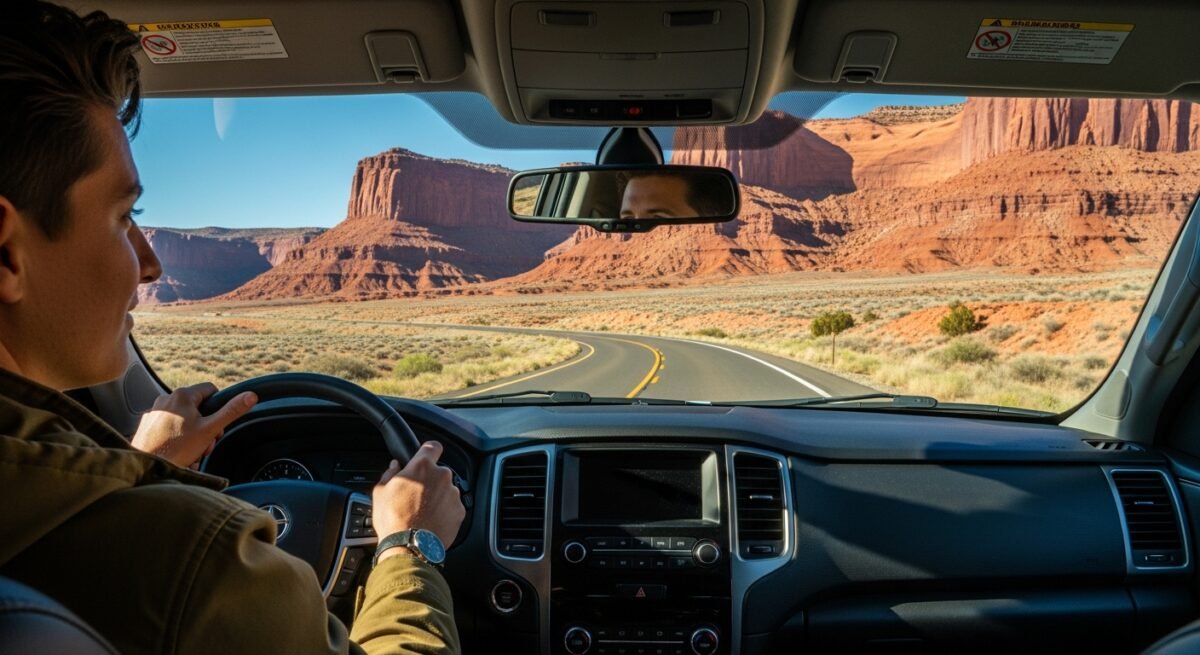
Driving through Utah’s stunning landscapes, from the red rocks of Moab to the powdered slopes of the Wasatch Range, requires reliable protection on the road. Navigating auto insurance in Utah is about more than just meeting a legal mandate; it’s about understanding the unique risks of the state’s diverse terrain and securing coverage that shields you from financial hardship after an accident. With distinct laws, competitive rates, and specific regional factors at play, Utah drivers need a clear roadmap to find the right policy. This comprehensive guide breaks down everything you need to know, from Utah’s minimum liability requirements to proven strategies for lowering your premium without sacrificing essential coverage.
Understanding Utah’s Auto Insurance Laws and Minimum Requirements
Utah operates under a “no-fault” auto insurance system, which significantly impacts how claims are handled after a crash. In a no-fault state, each driver’s own insurance company pays for their medical expenses and lost wages, regardless of who caused the accident. This system is designed to expedite medical payments and reduce litigation for minor injuries. However, Utah’s no-fault law has an important threshold: you can step outside the no-fault system and file a liability claim against the at-fault driver if your injuries meet certain criteria of severity, such as incurring more than $3,000 in medical expenses or resulting in permanent disability or disfigurement.
To legally drive in Utah, you must carry minimum liability insurance. This coverage is crucial as it pays for the damages and injuries you cause to others if you are at fault in an accident. The state mandates the following 25/65/15 coverage limits: $25,000 for bodily injury or death per person, $65,000 total for bodily injury or death per accident, and $15,000 for property damage per accident. It is vital to understand that these are only the bare minimums. In a serious multi-vehicle collision, these limits can be exhausted quickly, potentially leaving you personally liable for amounts that exceed your policy. For more robust financial protection, drivers are strongly encouraged to consider limits well above the state minimum.
Key Coverage Options for Utah Drivers
While liability insurance satisfies the legal requirement, a truly comprehensive auto insurance policy in Utah includes several other important coverages. Personal Injury Protection (PIP) is a cornerstone of Utah’s no-fault system. It covers reasonable and necessary medical expenses, rehabilitation costs, lost wages, and even essential services (like childcare) for you and your passengers, regardless of fault. Utah law requires a minimum of $3,000 in PIP coverage, but higher limits are available and often recommended given today’s high medical costs.
Collision and comprehensive coverage are not legally required but are essential for protecting your own vehicle. Collision covers damage to your car from an accident with another vehicle or object. Comprehensive covers non-collision events like theft, vandalism, fire, falling objects, or encounters with wildlife—a relevant risk in Utah’s rural areas. If you have a loan or lease on your vehicle, your lender will almost certainly require both. Uninsured/Underinsured Motorist (UM/UIM) coverage is another critical addition. It protects you if you’re hit by a driver with no insurance or insufficient coverage. Given that not all drivers comply with the law, this coverage is a wise investment for your safety.
Addressing Utah’s Specific Risk Factors
Your auto insurance policy should reflect the environment in which you drive. Utah presents unique risks that insurers consider. Harsh winter weather, particularly in mountain passes and the I-15 corridor, leads to an increase in accidents due to snow, ice, and reduced visibility. Urban congestion in the Salt Lake City and Provo-Orem metropolitan areas raises the likelihood of fender-benders and more serious collisions. Furthermore, Utah’s high rate of outdoor recreation means more vehicles on remote roads, potentially increasing the risk of animal strikes, single-vehicle accidents, and challenges with towing and repair access. Informing your insurer about your primary driving routes and garage location can help ensure your policy accurately reflects your risk profile.
How Auto Insurance Rates Are Determined in Utah
Insurance companies use a complex algorithm to calculate your premium, assessing the likelihood that you will file a claim. While each insurer weights factors differently, several key elements heavily influence your rate for auto insurance in Utah. Your driving record is paramount; tickets, at-fault accidents, and DUIs will significantly increase your costs for years. Your age and driving experience also play a major role, with younger, less experienced drivers facing the highest premiums. The make, model, and year of your vehicle affect rates due to repair costs, safety ratings, and theft statistics.
Where you live and park your car overnight is another critical factor. Rates can vary dramatically between ZIP codes based on local claim data for theft, vandalism, and accidents. Your annual mileage and primary use of the vehicle (commuting, business, or pleasure) are also considered. To manage these factors, you can take proactive steps. Maintaining a clean driving record is the most powerful tool. You can also choose a vehicle with high safety ratings and lower repair costs, and consider using a telematics device or app from your insurer that tracks your driving habits for a potential discount. Just as drivers in New Hampshire seek tailored coverage for their specific laws, Utah drivers must focus on the local factors that insurers evaluate.
Proven Strategies to Save on Your Utah Auto Insurance
Utah drivers have multiple avenues to secure more affordable coverage without compromising protection. The single most effective action is to comparison shop. Premiums for identical coverage can vary by hundreds of dollars between companies, so it’s advisable to get quotes from at least three to five insurers. When you shop, be sure to ask about every discount for which you may qualify. Common discounts in Utah include multi-policy (bundling auto with home or renters insurance), multi-vehicle, good driver, good student, paid-in-full, automatic payment, and discounts for safety features like anti-lock brakes and anti-theft devices.
Adjusting your coverage strategically can also yield savings, though this should be done carefully. If you drive an older car with a low market value, you might consider dropping collision and comprehensive coverage. Increasing your deductible—the amount you pay out of pocket before insurance kicks in—can lower your premium. However, ensure you choose a deductible you can comfortably afford in an emergency. Other financial decisions, like improving your credit score (which insurers in Utah can use as a rating factor), can also lead to better rates over time. The process of evaluating these savings levers is similar to the approach recommended for securing the best policies for NJ drivers, where a methodical review of options is key.
To effectively implement these strategies, follow this step-by-step approach:
- Gather Your Documents: Have your current policy, driver’s license numbers, and vehicle VINs ready.
- Audit Your Current Coverage: Understand exactly what you’re paying for and identify any gaps or unnecessary coverage.
- Get Multiple Quotes: Use online comparison tools and speak directly with independent agents who represent several companies.
- Review Quotes Apples-to-Apples: Ensure each quote has the same coverage types, limits, and deductibles.
- Inquire About All Discounts: Go down the list with each insurer to ensure you’re getting every possible price reduction.
Handling Claims and Violations in the Beehive State
Knowing what to do after an accident in Utah is crucial. First, ensure safety by moving vehicles out of traffic if possible and checking for injuries. Call 911 to report the accident, especially if there are injuries or significant property damage. Exchange information with the other driver(s), including names, contact details, insurance information, and license plate numbers. Document the scene thoroughly with photos and gather contact information from any witnesses. Notify your insurance company as soon as practical to begin the claims process. Under Utah’s no-fault system, you will typically file a claim with your own insurer for medical expenses via your PIP coverage.
Traffic violations carry serious consequences for your auto insurance in Utah. A DUI conviction will result in severe penalties, including license suspension, and will label you a high-risk driver, leading to dramatically higher premiums for many years. Other moving violations like speeding, reckless driving, and at-fault accidents will also add points to your license and trigger premium increases. To mitigate these impacts, you may be able to attend a state-approved defensive driving course to reduce points on your license, and some insurers offer accident forgiveness programs for your first at-fault incident. Understanding the long-term financial impact of violations is as important in Utah as it is for drivers in New Mexico seeking reliable coverage they can trust.
Frequently Asked Questions About Utah Auto Insurance
Is Utah a no-fault state for auto insurance?
Yes, Utah is a no-fault state. Your own insurance pays for your medical expenses after an accident through Personal Injury Protection (PIP) coverage, regardless of who caused the crash. You can only sue the at-fault driver for damages if your injuries are serious, as defined by specific legal thresholds.
What happens if I’m caught driving without insurance in Utah?
Driving without the required auto insurance in Utah is a class B misdemeanor for a first offense. Penalties include a minimum $400 fine, suspension of your driver’s license and vehicle registration, and the possibility of having your vehicle impounded. To reinstate your privileges, you must file an SR-22 certificate of financial responsibility for three years, which often leads to much higher insurance premiums.
How much car insurance do I really need in Utah?
While the state minimum is 25/65/15 for liability, most financial advisors recommend carrying much higher limits—such as 100/300/100—to protect your personal assets from a lawsuit. You should also strongly consider Uninsured/Underinsured Motorist coverage, and comprehensive and collision coverage if your vehicle has significant value.
Does my credit score affect my auto insurance rate in Utah?
Yes, most insurance companies in Utah use credit-based insurance scores as one factor in determining premiums. Statistical data indicates a correlation between credit history and the likelihood of filing a claim. Maintaining good credit can help you secure lower rates.
Are there any specific discounts Utah drivers should ask about?
Absolutely. In addition to standard discounts, ask about low-mileage discounts if you have a short commute, usage-based telematics programs, discounts for completing a defensive driving course, and affiliation discounts through employers, alumni associations, or professional organizations.
Securing the right auto insurance in Utah is a vital component of responsible vehicle ownership. By moving beyond the bare minimums, understanding the state’s no-fault system, and proactively shopping for coverage that aligns with your specific risks and budget, you can drive Utah’s breathtaking roads with greater confidence and security. Regularly review your policy, especially after major life events, and maintain open communication with your insurance provider to ensure your coverage evolves alongside your needs.
Ensure you’re fully protected. Call 📞833-275-7533 or visit Get Your Quote to get a personalized insurance quote today.