
Auto Insurance Vermont: Navigating State Laws and Coverage
Understand Vermont’s mandatory 25/50/10 insurance laws and discover essential coverage for winter roads and wildlife. Learn strategies to find affordable, comprehensive protection tailored for Green Mountain State drivers.

By Nathaniel Carter
Driving through the Green Mountain State, with its winding rural roads and picturesque but challenging winter conditions, requires more than just a steady hand. It demands a solid understanding of Vermont’s unique auto insurance landscape. Vermont’s specific laws, from its required minimum coverages to its financial responsibility statutes, create a distinct framework for drivers. Choosing the right policy isn’t just about legal compliance; it’s a critical step in protecting your financial future against the unexpected, from a minor fender-bender on I-89 to a more serious collision on a snowy backroad. This guide will navigate the intricacies of Vermont auto insurance, helping you build a policy that offers genuine protection.
Vermont’s Mandatory Auto Insurance Requirements
Vermont law mandates that all registered vehicle owners carry a minimum amount of liability insurance. This is not a suggestion but a legal requirement designed to ensure that drivers can cover the costs they may inflict on others in an at-fault accident. The state enforces this through a compulsory insurance law and an electronic insurance verification system, meaning your insurance company regularly reports your policy status to the Department of Motor Vehicles (DMV). Failing to maintain continuous coverage can result in fines, license suspension, and vehicle registration suspension.
The state minimum liability coverage in Vermont is expressed as a series of three numbers: 25/50/10. It’s crucial to understand what each number represents, as this forms the absolute baseline of your financial responsibility. The first number is the per-person bodily injury limit, covering up to $25,000 for injuries to one person in an accident you cause. The second is the per-accident bodily injury limit, capping the total payout for all injuries in one accident at $50,000. The third number is for property damage liability, providing up to $10,000 for damage you cause to another person’s vehicle, fence, building, or other property. While meeting these minimums keeps you legal, they are often insufficient for serious accidents, a point we will explore in depth when discussing coverage enhancements.
Essential and Recommended Coverage Options in Vermont
Building a policy that stops at the state minimums leaves significant gaps in your personal financial protection. A comprehensive auto insurance policy in Vermont should address the specific risks posed by the state’s geography and climate. Beyond liability, several other coverage types are either required or highly advisable for Vermont drivers seeking full-spectrum protection.
Vermont law also requires uninsured motorist (UM) and underinsured motorist (UIM) coverage. UM coverage protects you if you’re hit by a driver with no insurance, while UIM kicks in when the at-fault driver’s limits are too low to cover your medical bills and related costs. Vermont mandates these be offered at the same limits as your bodily injury liability, and you must sign a waiver to reject them. Given that not all drivers comply with insurance laws, this is a critical layer of protection. Another vital coverage is medical payments (MedPay), which helps pay for medical or funeral expenses for you and your passengers, regardless of who is at fault. This can be especially useful for covering deductibles or co-pays from your health insurance.
To protect your own vehicle, you’ll need to consider physical damage coverages: collision and comprehensive. Collision covers damage to your car from an impact with another vehicle or object. Comprehensive covers non-collision events like theft, vandalism, fire, or hitting an animal. Vermont’s abundant wildlife makes comprehensive coverage particularly relevant. If you have a loan or lease on your vehicle, your lender will require both. For a clear breakdown of how these components work together, consider reviewing our detailed guide on Auto Insurance New Hampshire, which faces similar rural driving challenges and coverage decisions.
Addressing Vermont’s Unique Driving Risks
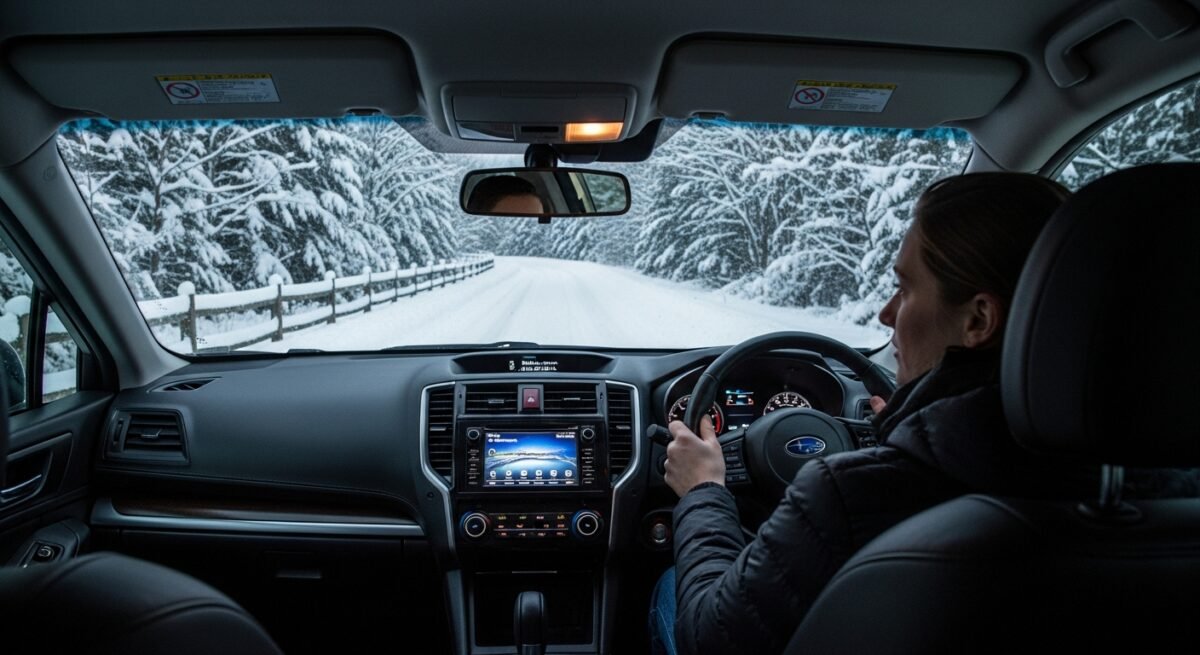
Vermont’s beautiful landscape comes with distinct hazards. Long, harsh winters mean a high risk of ice, snow, and related collisions. This makes coverages like collision and rental car reimbursement (to cover a temporary vehicle while yours is repaired after a covered claim) extremely valuable. Furthermore, many roads are rural and poorly lit, increasing the risk of animal strikes. Comprehensive coverage is essential for these incidents, as hitting a deer or moose can cause extensive damage and is not covered by collision insurance. Evaluating these environmental factors is key to tailoring a policy that doesn’t just meet the law but meets your life on Vermont’s roads.
Strategies for Finding Affordable Vermont Auto Insurance
Vermont drivers often face premiums above the national average, influenced by factors like winter weather claims and relatively low population density. However, numerous strategies exist to secure more affordable rates without sacrificing necessary protection. The process begins with understanding what insurers evaluate when determining your premium, allowing you to position yourself in the most favorable light possible.
Insurance companies use a variety of factors to assess risk. Some are within your control, while others are not. Key rating factors include your driving record (violations and at-fault accidents), your age and years of driving experience, your vehicle’s make, model, and year, your primary location (urban areas like Burlington may have different rates than remote counties), and your annual mileage. Your credit-based insurance score, which is regulated but permitted in Vermont, is also a significant factor for most insurers, as it correlates with claim risk.
Once you understand the factors, you can take proactive steps to lower your costs. The single most effective action is to shop around and compare quotes from multiple insurers. Rates can vary dramatically for the same driver and vehicle. When shopping, be sure to compare identical coverage limits and deductibles for an accurate comparison. Another powerful strategy is to inquire about all available discounts. Common discounts Vermont drivers may qualify for include multi-policy (bundling auto with home or renters insurance), multi-vehicle, paid-in-full, electronic billing, good student, and defensive driving course completion. Many insurers also offer usage-based or telematics programs where a device or app monitors your driving habits (like mileage, braking, and speed) and can provide a discount for safe driving.
- Increase Your Deductible: Opting for a higher deductible on your collision and comprehensive coverages can substantially lower your premium. Ensure you have the savings to cover the deductible if you need to file a claim.
- Maintain a Clean Driving Record: Avoiding tickets and accidents is the most straightforward way to keep premiums low over the long term.
- Review Your Coverage on Older Vehicles: If your car’s market value is low, consider whether carrying collision and comprehensive coverage still makes financial sense. The premium cost may exceed the potential payout.
For drivers managing budgets, understanding these levers is as important as knowing the legal requirements. Similar cost-saving principles apply across state lines, as explored in our resource on Auto Insurance New Mexico, which details balancing affordability with robust coverage.
The Claims Process and Protecting Your Rights
Knowing how to proceed after an accident in Vermont is as important as having the right policy. A calm, methodical approach immediately following a collision protects your safety and strengthens your insurance claim. Your first priorities are always safety and legal compliance: move vehicles out of traffic if possible, check for injuries, and call 911 to report the accident and request medical help if needed. Vermont law requires you to report any accident involving injury, death, or property damage exceeding $3,000 to the DMV within 72 hours.
Once safety is addressed, begin documenting the scene. Use your smartphone to take photos of all vehicles involved from multiple angles, close-ups of damage, license plates, the overall accident scene (including skid marks or road conditions), and any visible injuries. Exchange information with the other driver(s), including name, address, phone number, insurance company, policy number, and driver’s license number. Get contact information from any witnesses as well. Avoid discussing fault or making statements about the accident beyond the basic facts with others at the scene.
Notify your insurance company of the accident as soon as practicable, even if you are not at fault. They will guide you through filing a claim. If you are filing through your own policy (for collision, UIM, or MedPay), you will likely need to pay your deductible upfront, which may be recovered later if your company subrogates against the at-fault driver. If you are filing a third-party claim against the other driver’s insurance, be prepared for the possibility of a dispute over fault. Vermont follows a “comparative negligence” rule, meaning your compensation can be reduced by your percentage of fault. If you are found 30% at fault for an accident, your damage award would be reduced by 30%.
Frequently Asked Questions for Vermont Drivers
What happens if I’m caught driving without insurance in Vermont? Penalties are severe. For a first offense, you face a minimum $500 fine, a possible license suspension, and loss of your vehicle registration and plates. You will also be required to file an SR-22 certificate of financial responsibility for three years, which leads to significantly higher insurance premiums.
Are there low-cost auto insurance programs in Vermont? Vermont does not have a state-sponsored low-income auto insurance program. Your best option for finding affordable coverage is to shop widely among private insurers, apply for every discount you qualify for, and consider adjusting your coverage limits and deductibles responsibly.
How does Vermont’s comparative negligence law affect my claim? If you are partially at fault for an accident, your financial recovery from the other party (or their insurer) will be reduced by your assigned percentage of fault. If you are found 50% or more at fault, you cannot recover any damages from the other party.
Is it worth getting more than the state minimum liability limits? Absolutely. The 25/50/10 minimums can be exhausted quickly in a moderate accident, leaving you personally liable for any excess damages. Increasing to 100/300/100 or higher is a relatively inexpensive upgrade that provides crucial asset protection. This is a foundational principle of sound financial planning for drivers, much like the advice highlighted in our analysis of Auto Insurance New Jersey requirements and best practices.
Does my credit score affect my auto insurance rate in Vermont? Yes, most insurers in Vermont use a credit-based insurance score as one factor in determining premiums. State law regulates its use, prohibiting insurers from denying a policy solely based on credit, but it remains a common rating element.
Securing the right auto insurance in Vermont is an exercise in balancing legal mandates, personal financial risk, and the realities of driving in a state known for its natural beauty and seasonal challenges. By moving beyond the bare minimums, understanding the coverage options that address Vermont-specific risks, and actively shopping for competitive rates, you can drive the backroads and interstates with greater confidence. Your policy should be a dynamic part of your financial plan, reviewed regularly to ensure it evolves with your life, your vehicle, and the roads you travel.
Ensure you’re fully protected. Call 📞833-275-7533 or visit Get Your Quote to get a personalized insurance quote today.