
Auto Insurance Wyoming: Get the Best Deal for Your Vehicle
Learn the mandatory coverage, cost factors, and smart strategies for securing auto insurance in Wyoming. Protect yourself against unique risks like wildlife collisions and severe weather.

By Nathaniel Carter
Navigating the open roads of Wyoming, from the Big Horn Mountains to the vast plains, requires more than just a reliable vehicle—it demands reliable financial protection. For drivers, understanding the state’s specific auto insurance Wyoming landscape is crucial for legal compliance and personal peace of mind. This guide delves into the essential coverage mandates, cost factors unique to the Cowboy State, and strategies for finding the right policy that balances protection with affordability.
Wyoming’s Unique Driving Environment and Insurance
Wyoming presents a distinctive set of driving conditions that directly influence auto insurance needs and premiums. The state boasts the second-lowest population density in the nation, which can mean less congested roads but also longer distances between services and help. This factor alone creates a unique risk profile where a single accident could occur far from medical or repair facilities, potentially increasing claim costs.
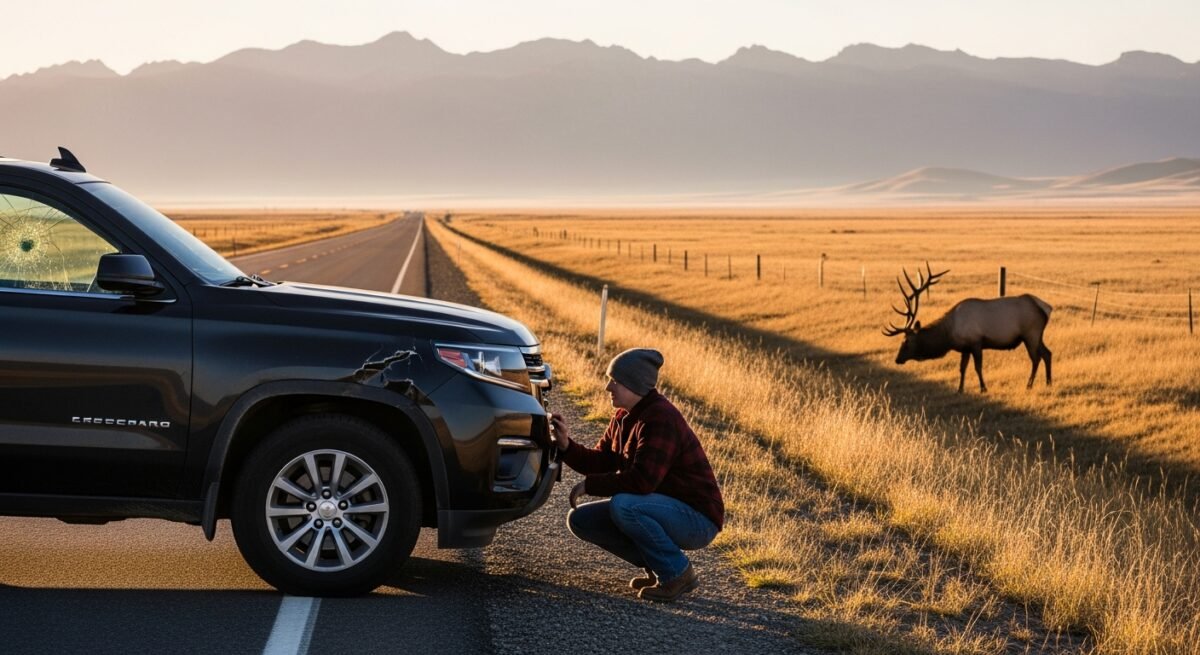
Furthermore, Wyoming’s weather is notoriously variable and severe. Drivers routinely contend with heavy snowfall, ice, high winds, and hail, especially during long winters. Wildlife collisions are also a significant concern, with one of the nation’s highest rates of accidents involving deer, elk, and moose. These environmental realities necessitate that drivers consider coverages beyond the state’s minimum requirements to ensure they are adequately protected against the specific hazards of Wyoming roads.
Wyoming’s Minimum Auto Insurance Requirements
Like most states, Wyoming operates under a tort system, meaning the driver found at fault in an accident is financially responsible for damages. To ensure drivers can meet this responsibility, Wyoming law mandates all registered vehicle owners carry a minimum level of liability insurance. This insurance does not cover your own vehicle’s damage; it covers the costs you may owe to others if you cause an accident.
The state’s minimum liability limits are expressed as 25/50/20. Understanding this breakdown is critical for any Wyoming driver:
- Bodily Injury Liability: $25,000 per person for injuries you cause to others in an accident.
- Bodily Injury Liability: $50,000 total per accident for all injuries you cause.
- Property Damage Liability: $20,000 for damage you cause to another person’s property (e.g., their car, fence, or building).
While these are the legal minimums, they are often insufficient to cover the full cost of a serious accident, especially one involving multiple vehicles or severe injuries. Medical bills and vehicle repair costs can easily exceed these limits, leaving you personally liable for the difference. For more robust protection strategies common across state lines, you can explore our guide to auto insurance in California, which details higher coverage options that are wise considerations in any state.
Recommended Additional Coverages for Wyoming Drivers
Given the state’s specific risks, relying solely on minimum liability coverage is a considerable gamble. Savvy Wyoming drivers enhance their policies with additional coverages to create a comprehensive safety net. The following options are highly recommended to address gaps left by a basic policy.
Uninsured/Underinsured Motorist (UM/UIM) coverage is particularly valuable. This protects you if you’re hit by a driver with no insurance or insufficient coverage. Since not all motorists comply with the law, this coverage ensures your medical bills and vehicle repairs are paid for.
Collision and Comprehensive insurance are typically required if you finance or lease your vehicle, but they are wise for nearly all drivers. Collision covers damage to your car from an accident, regardless of fault. Comprehensive covers non-collision events like theft, vandalism, fire, falling objects, and animal strikes. Given Wyoming’s high rate of wildlife collisions and severe hail storms, comprehensive coverage is a prudent investment.
Medical Payments (MedPay) or Personal Injury Protection (PIP) can help pay for medical expenses for you and your passengers after an accident, regardless of who is at fault. This can be crucial for covering deductibles and co-pays from your health insurance.
What Influences Auto Insurance Costs in Wyoming?
Wyoming’s average auto insurance premiums tend to be near or slightly below the national average, but individual rates vary widely based on personal factors and choices. Insurance companies use a complex algorithm to assess risk, and understanding these factors can help you find ways to lower your premium.
Your driving record is the most significant personal factor. A clean record with no accidents or violations will secure you the best rates. Conversely, a DUI conviction or at-fault accidents will lead to substantial premium increases for several years. Your age, years of driving experience, and even your credit-based insurance score (where permitted) also play major roles. Young drivers, especially teens, face the highest premiums due to statistical risk, while mature drivers with long, clean records benefit from lower costs.
Vehicle choice also matters significantly. The make, model, year, and safety features of your car all influence your rate. A new luxury SUV will cost far more to insure than a mid-range sedan with excellent crash-test ratings. Additionally, your annual mileage and where you garage the vehicle (e.g., Cheyenne vs. a rural area) are factored in. For drivers in unique situations, such as those without a standard license, navigating the insurance market requires specific knowledge, as detailed in our resource on how to get auto insurance with no license.
Finding the Best Auto Insurance Policy in Wyoming
With numerous providers offering auto insurance in Wyoming, from national giants to regional specialists, shopping around is the single most effective way to save money. Rates for identical coverage can vary by hundreds of dollars between companies. The process involves more than just looking for the cheapest price; it’s about finding the best value—reliable coverage from a reputable company at a competitive rate.
Start by gathering quotes from at least three to five different insurers. Be prepared to provide consistent information about your driving history, vehicles, and desired coverage levels to ensure you are comparing equivalent quotes. When evaluating offers, consider the following steps:
- Compare Identical Coverage: Ensure each quote includes the same liability limits, deductibles, and add-on coverages.
- Research Company Reputation: Check customer service reviews, financial strength ratings from agencies like A.M. Best, and claims satisfaction scores.
- Ask About Discounts: Inquire about all available discounts, such as those for bundling home and auto, safe driving, good student, vehicle safety features, and paid-in-full.
- Review the Policy Details: Before finalizing, understand the claims process, local agent availability if that’s important to you, and any policy exclusions.
Remember, the cheapest policy may not provide the service you need when filing a claim. Balancing cost with company reliability is key. For a broader perspective on shopping for coverage, our guide to auto insurance in Indiana outlines similar comparative strategies that apply nationwide.
Frequently Asked Questions
What are the penalties for driving without insurance in Wyoming?
Penalties are severe to ensure compliance. For a first offense, you face a fine of up to $750, a potential license suspension for up to 90 days, and could be required to file an SR-22 certificate of financial responsibility for three years. Subsequent offenses carry higher fines, longer suspensions, and potential vehicle impoundment.
Is Wyoming a no-fault state for auto insurance?
No, Wyoming is a traditional tort, or “at-fault,” state. The driver who is legally responsible for causing an accident is also financially liable for the resulting damages. This system is why carrying strong liability limits is so important.
How can I lower my auto insurance premium in Wyoming?
Beyond shopping around, you can raise your deductibles (if you have savings to cover them), maintain a clean driving record, take advantage of every discount you qualify for, consider dropping comprehensive and collision on an older/low-value car, and bundle policies with one insurer.
Do I need extra coverage for rental cars in Wyoming?
Your personal auto insurance policy often extends to rental cars, providing similar coverage for liability and damage to the rental vehicle (if you carry collision). However, check your policy details and consider the rental company’s loss-of-use and administrative fees, which your policy may not cover. A separate rental car policy or the rental company’s coverage can fill this gap.
What should I do after an auto accident in Wyoming?
Ensure safety first, call 911 if there are injuries, and move vehicles out of traffic if possible. Exchange insurance and contact information with the other driver(s), document the scene with photos, and report the accident to your insurance company promptly, even if you are not at fault.
Securing the right auto insurance in Wyoming is a fundamental aspect of responsible vehicle ownership. It’s a financial safeguard that protects your assets, your health, and your freedom to explore the state’s majestic landscapes with confidence. By understanding the mandatory requirements, acknowledging the unique risks of Wyoming driving, and actively shopping for a policy that offers both robust protection and fair value, you can drive knowing you’re prepared for whatever lies down the road.