
Best Car Insurance for Families with Multiple Vehicles
Find the best car insurance for families with multiple vehicles. Compare quotes, unlock multi-car discounts, and protect your household for less.

By Leo Fairmont
Juggling school runs, weekend sports, and the daily commute across two, three, or even four vehicles is a reality for many American households. The challenge is not just keeping track of who is driving what, but also ensuring your family is properly protected without overpaying. Shopping for the best car insurance for families with multiple vehicles can feel complex, but the right strategy can unlock significant savings and better coverage. Understanding how insurers view multi-car households, which discounts apply, and how to compare policies effectively is the key to protecting your family and your budget.
Why Multi-Vehicle Families Have Unique Insurance Needs
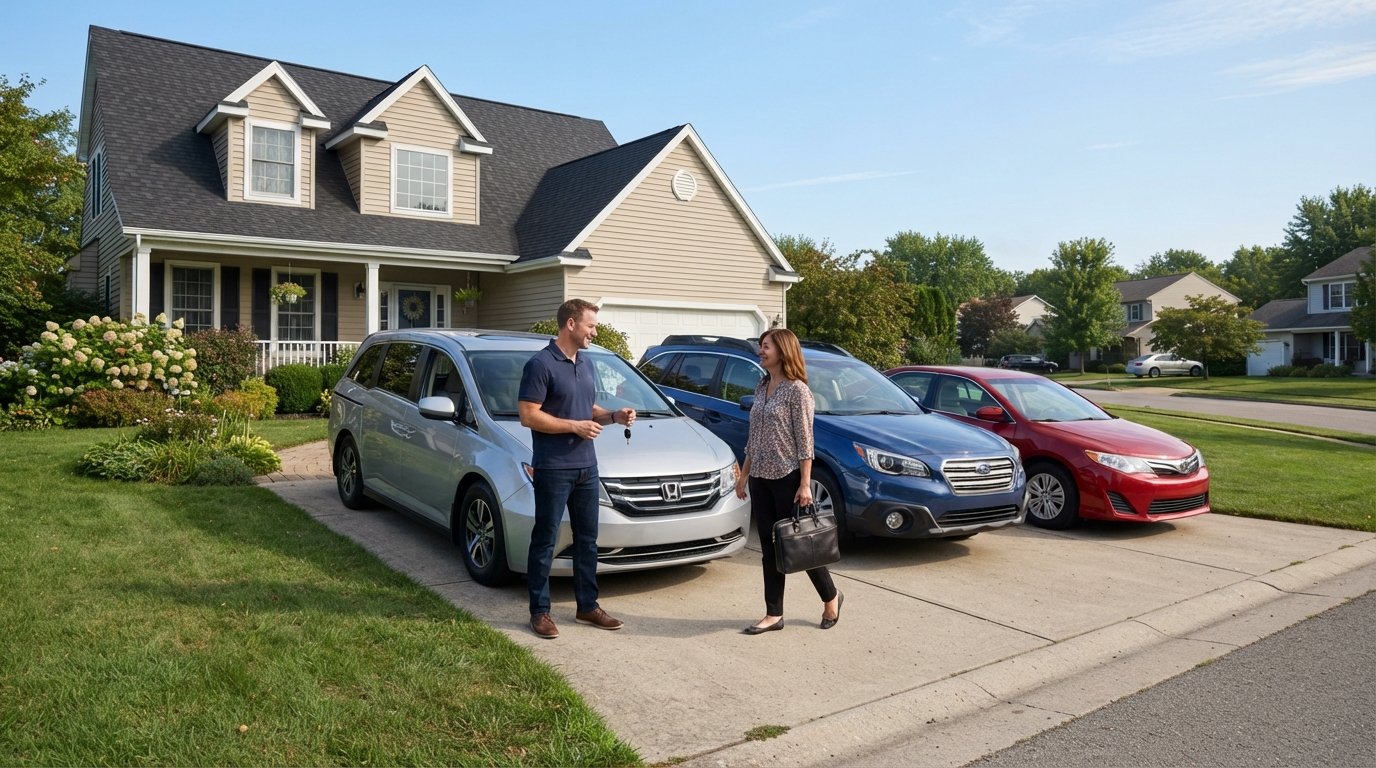
Families with multiple vehicles face a different insurance landscape than single-car drivers. You have more drivers, more vehicles, and more potential liability. A standard policy designed for one person and one car will not adequately cover a household where a teenager borrows the sedan, a spouse drives the truck, and a rideshare vehicle sits in the driveway. Insurers assess risk based on the entire household, including every licensed driver and every registered vehicle.
This complexity creates both challenges and opportunities. The challenge is that one high-risk driver or one expensive vehicle can raise premiums across the board. The opportunity is that insurers offer specific multi-car and multi-driver discounts that can dramatically reduce your total cost. To find the best car insurance for families with multiple vehicles, you need to understand how these factors interact and how to present your household in the most favorable light to carriers.
How Insurers Calculate Premiums for Multi-Car Households
Insurance companies use a process called rating to determine your premium. For families, this involves evaluating each driver and each vehicle, then combining them into a household policy. Key rating factors include driving records, ages, credit-based insurance scores (in most states), vehicle make and model, annual mileage, and claims history. When you have multiple vehicles, insurers typically assign each driver to a primary vehicle, but all household members must be disclosed.
One common misconception is that adding a car to an existing policy simply doubles the cost. In reality, multi-car discounts often apply, and the incremental cost of adding a second or third vehicle is usually less than the first. However, if you add a teen driver, the premium can jump significantly because young drivers statistically have higher accident rates. The best car insurance for families with multiple vehicles balances these risks by finding carriers that offer generous multi-policy and multi-driver credits.
Key Discounts for Families with Multiple Vehicles
To get the best car insurance for families with multiple vehicles, you must take advantage of every discount you qualify for. Insurers reward loyalty, safety, and bundling. Here are the most common discounts that apply to multi-vehicle households:
- Multi-Car Discount: Applied when you insure two or more vehicles on the same policy. Savings typically range from 10% to 25%.
- Multi-Policy (Bundling) Discount: Combine auto with homeowners or renters insurance for additional savings, often 5% to 15%.
- Good Student Discount: For full-time students with a B average or higher, this can reduce premiums for teen drivers.
- Safe Driver Discount: Available to drivers with clean records and no recent claims.
- Low Mileage Discount: If a vehicle is driven less than a certain number of miles per year, you may qualify.
Stacking these discounts can lead to substantial savings. For example, a family with three vehicles, two adult drivers, and one teen driver could combine multi-car, good student, and safe driver discounts to reduce their total premium by 30% or more. Always ask your insurer which discounts you are eligible for and whether they can be combined.
Factors That Affect Your Multi-Vehicle Insurance Premium
Beyond discounts, several factors influence how much you pay. The type of vehicles you own matters: sports cars, luxury SUVs, and electric vehicles often cost more to insure due to repair costs and theft rates. The ages and driving records of all household members are critical. A single at-fault accident or speeding ticket can raise rates for the entire policy.
Where you live also plays a role. Urban areas with high traffic and theft rates typically have higher premiums than rural areas. State regulations vary widely, so the best car insurance for families with multiple vehicles in Texas may differ from the best option in California or New York. For Texas drivers, comparing Texas auto insurance quotes can help you identify carriers that offer competitive rates for multi-car households.
Additionally, the coverage limits you choose affect your premium. Liability-only policies are cheaper but leave your family exposed if you cause an accident. Full coverage, including collision and comprehensive, costs more but protects your vehicles. For families, it is often worth paying a bit more for peace of mind.
How to Compare Quotes for Multiple Vehicles
Finding the best car insurance for families with multiple vehicles requires comparing quotes from several insurers. Do not simply renew with your current carrier; rates change, and loyalty does not always pay. Follow these steps to get accurate, comparable quotes:
- Gather your information: Have your driver's license numbers, vehicle identification numbers (VINs), current coverage details, and driving histories ready for all household members.
- Decide on coverage levels: Determine the liability limits, deductibles, and optional coverages (like roadside assistance or rental reimbursement) you need.
- Request quotes from multiple carriers: Use an online comparison platform to get quotes from several insurers at once. This saves time and ensures you see a range of options.
- Review discounts and exclusions: Check which discounts each quote includes and read the fine print for any exclusions that could affect your family.
- Compare total household cost: Look at the total premium for all vehicles, not just per-vehicle rates, and consider the deductible and out-of-pocket costs.
After receiving quotes, contact the insurers to clarify any questions. Ask about accident forgiveness, gap insurance, and whether your teen driver's grades qualify for a discount. A licensed agent can help you tailor a policy that fits your family's specific needs.
Coverage Options Every Multi-Vehicle Family Should Consider
When you have multiple vehicles, your coverage needs are more complex. At a minimum, you need liability coverage to meet state requirements. But for families, additional coverages are often worth the investment:
- Collision and Comprehensive: Protects your vehicles against accidents, theft, and weather damage.
- Uninsured/Underinsured Motorist (UM/UIM): Covers you if you are hit by a driver with little or no insurance.
- Medical Payments (MedPay) or Personal Injury Protection (PIP): Pays for medical expenses for you and your passengers, regardless of fault.
- Rental Reimbursement: Covers the cost of a rental car if your vehicle is in the shop after a covered claim.
- Roadside Assistance: Provides towing, jump-starts, and flat tire changes, which is handy with multiple vehicles.
For families with teen drivers, consider increasing liability limits and adding UM/UIM coverage. Teens are more likely to be involved in accidents, and adequate coverage protects your family's assets. If you have a vehicle that is not driven often, you might qualify for a low-mileage discount or a usage-based insurance program that tracks driving habits.
Tips to Save on Multi-Vehicle Insurance
Beyond discounts, there are several strategies to reduce your premium. Raising your deductible can lower your monthly cost, but ensure you have savings to cover the higher out-of-pocket expense if you file a claim. Consolidating all vehicles onto one policy is almost always cheaper than separate policies. Also, review your coverage regularly; as vehicles age, you may be able to drop collision and comprehensive if the car's value is low.
Another tip is to maintain a good credit score. In most states, insurers use credit-based insurance scores to set rates. A higher score can lead to lower premiums. Finally, consider telematics programs that reward safe driving. These programs can be especially beneficial for families with young drivers, as they encourage safe habits and can lead to discounts.
For more educational resources on auto insurance, including guides and FAQs, you can visit NewAutoInsurance, an independent online resource that provides consumer guidance and comparisons for vehicle owners in the United States.
State-Specific Considerations for Families
Insurance requirements vary by state, and what works in one state may not be the best in another. For example, Texas requires minimum liability coverage of 30/60/25, while California requires 15/30/5. Some states, like New York, have no-fault laws that require PIP coverage. Families in states with high minimums may need to purchase additional coverage to protect their assets.
If you live in a state with harsh winters, like West Virginia, you may want to consider comprehensive coverage to protect against weather-related damage. In urban areas like Chicago, theft rates are higher, making comprehensive coverage more important. Always check your state's requirements and consider your specific risks when choosing coverage.
Working with an Independent Agent or Comparison Platform
An independent insurance agent can be a valuable ally for families with multiple vehicles. They can shop your policy among several carriers and help you find the best car insurance for families with multiple vehicles. However, using an online comparison platform like Free Auto Insurance Quotes Online can also streamline the process. These platforms allow you to enter your information once and receive quotes from multiple insurers, saving time and effort.
When using a comparison platform, be sure to provide accurate information. Underreporting drivers or vehicles can lead to claim denials. Once you have quotes, review them carefully and ask questions. A licensed agent can explain the differences between policies and help you make an informed decision.
Finding the best car insurance for families with multiple vehicles is about balancing coverage, cost, and convenience. By understanding discounts, comparing quotes, and choosing the right coverage, you can protect your family without breaking the bank. Start by gathering your information and requesting quotes from multiple carriers today.