
Classic and Antique Car Insurance Coverage Explained
Classic and antique car insurance coverage explained: lock in agreed value and avoid lowball payouts. Call 8332757533 for a free quote today.

By Oliver Turner
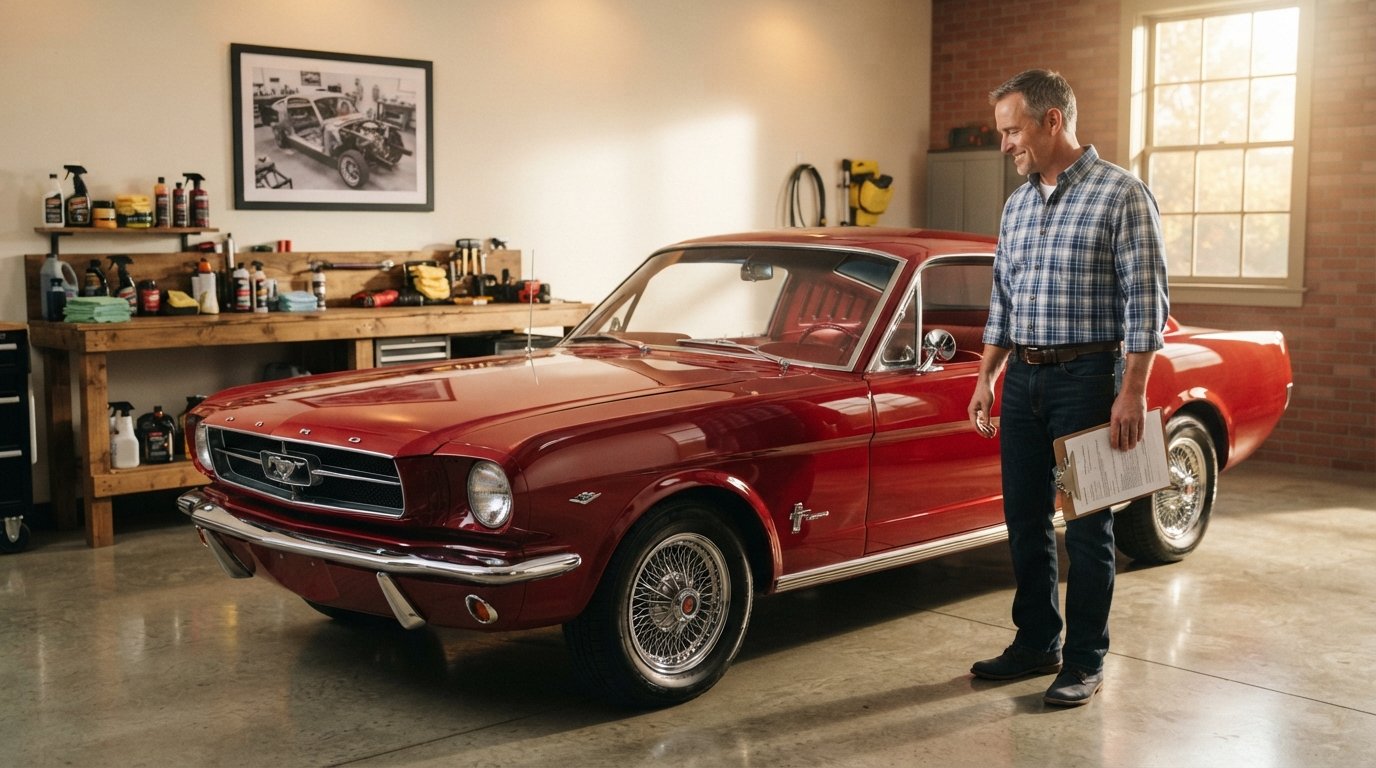
Your 1965 Mustang is not just a car. It is a rolling piece of history, a weekend passion, and often a significant financial asset. But here is the catch: your everyday auto policy is not built for it. Standard insurers see an old car and think "low value, high risk." Classic car insurers see a restored investment that deserves specialized protection. Understanding classic and antique car insurance coverage explained in plain terms can mean the difference between a full restoration payout and a crushing settlement check after a collision. This guide walks you through agreed value, usage restrictions, eligibility, and the practical steps to protect your investment without overpaying.
What Makes Classic and Antique Car Insurance Different
Standard auto insurance is designed for daily drivers that lose value every year. Insurers calculate payouts based on actual cash value, which means depreciation works against you. A 1968 Camaro that you spent $40,000 restoring might have a book value of $12,000 in a standard policy. If it is totaled, that is all you receive. Classic and antique policies flip this model entirely. They use agreed value, a figure you and the insurer lock in before the policy starts, based on appraisals, photos, and documented restoration costs.
Another major difference is how usage is treated. Daily drivers accumulate mileage, face commuter traffic, and park in crowded lots. Classic cars typically sit in garages, attend weekend shows, and log low annual mileage. Insurers reward this lower exposure with reduced premiums. However, that reward comes with conditions. If you start driving your classic to work every day, you void the policy terms and risk a denied claim.
Classic and antique coverage also includes specialized benefits that standard policies ignore. These can include coverage for spare parts, tools, memorabilia, and even the cost of hiring a qualified appraiser after a loss. Some policies offer inflation guards that automatically adjust your agreed value each year. Others provide flatbed towing to a restoration shop rather than a generic garage. These details matter when your vehicle requires rare parts and expert labor.
Agreed Value vs. Actual Cash Value: The Core of Classic Coverage
Agreed value is the defining feature of classic car insurance. Before the policy begins, you and the insurer agree on a specific dollar amount that represents the vehicle's worth. If the car is stolen or totaled, you receive that amount, minus any deductible. There is no haggling over depreciation, no arguments about market comparables, and no surprise deductions for that scratch on the fender.
Actual cash value (ACV) works differently. With ACV, the insurer determines what your car was worth on the open market just before the loss. For a classic car, this often leads to lowball offers because standard valuation tools do not track limited-production or restored vehicles accurately. A 1957 Bel Air with a numbers-matching engine and a frame-off restoration might be valued at $25,000 by a generic database, while the real market value is $70,000. Agreed value eliminates that gap.
To establish agreed value, you typically need to provide:
- A recent professional appraisal from a classic car specialist
- Clear photographs of the exterior, interior, engine bay, and odometer
- Receipts for restoration work, parts, and paint
- Documentation of the vehicle identification number (VIN) and title
- Proof of secure storage, such as a locked garage
Once the insurer reviews these items, they issue a policy with a stated value. Some companies require periodic reappraisals, often every three to five years, to keep the agreed value aligned with market trends. If you add a new paint job or rebuild the engine, you should update your policy immediately. Otherwise, you are paying premiums on an outdated value and will receive an outdated payout.
Eligibility Rules: What Qualifies as Classic or Antique
Insurers use specific definitions to separate classic cars from antiques, modified vehicles, and daily drivers. While exact rules vary by company and state, most follow a general framework. Antique cars are typically at least 25 years old and maintained in original condition. Classic cars are often 10 to 25 years old and may include limited-production or high-interest models. Some insurers also cover modern classics, such as 1990s sports cars, under separate programs.
Usage restrictions are the second major eligibility factor. Most classic policies limit annual mileage to somewhere between 2,500 and 7,500 miles. They also require that the vehicle is not used for commuting, commercial purposes, or daily errands. Acceptable uses include car shows, club events, parades, occasional weekend drives, and maintenance trips to a mechanic. If you need to drive your classic to work once a week, you may need a different policy or a rider that allows limited commuting.
Storage requirements matter as well. Insurers prefer a locked garage or enclosed carport. Some allow outdoor storage with a car cover, but they often charge higher premiums or reduce coverage for weather-related damage. If you live in an apartment without a garage, you may need to find a storage facility that meets insurer standards. Documenting your storage arrangement with photos and a lease agreement can help you qualify.
Coverage Options and Add-Ons Worth Considering
Classic car policies mirror standard auto coverage in some ways but add specialized protections. Liability coverage pays for injuries or property damage you cause to others. It is required in nearly every state, even for classic cars that are rarely driven. Collision coverage pays for damage to your vehicle from an accident, regardless of fault. Comprehensive coverage handles theft, fire, vandalism, hail, and falling objects. These core coverages form the foundation of most classic policies.
Beyond the basics, several add-ons can make a real difference. Spare parts coverage pays for rare components, tools, and memorabilia stored in your garage. Roadside assistance designed for classics includes flatbed towing and jump-starts from technicians who understand older electrical systems. Trip interruption coverage reimburses hotel and travel costs if you break down far from home during a show or tour. Some policies also offer automatic coverage for newly acquired vehicles, giving you a grace period to add a new purchase to your policy.
When comparing quotes, ask each insurer how they handle claims. Do they use independent appraisers who specialize in classics? Do they allow you to choose your own repair shop? Will they pay for OEM or NOS (new old stock) parts? These questions reveal whether a policy is truly built for classic owners or just a standard policy with a different label. For a broader look at how coverage types fit together, especially if you are new to buying policies, our guide on essential auto insurance coverage breaks down the fundamentals that apply across vehicle types.
How to Shop for Classic Car Insurance and Save
Finding the right policy starts with preparation. Gather your appraisal, photos, receipts, and storage documentation before requesting quotes. Insurers who specialize in classics will ask for these items upfront. General insurers may not even offer agreed value, so you can quickly narrow your list. Once you have two or three specialized quotes, compare not just the premium but the agreed value, mileage limits, and claims process.
Here is a practical sequence for shopping smart:
- Get a professional appraisal and update it every three to five years.
- Document your storage with photos and a written description.
- Request quotes from at least three classic car insurers.
- Compare agreed value, premium, deductible, and add-ons side by side.
- Ask about mileage limits, commuting rules, and renewal requirements.
Discounts can lower your premium further. Many insurers offer lower rates for vehicles driven under 2,500 miles per year, for members of classic car clubs, for multiple classic vehicles on one policy, and for completing defensive driving or restoration safety courses. Some companies also reward loyalty if you insure your daily driver with them. Always ask which discounts apply to your situation rather than assuming they are included.
If you are also insuring a daily driver, it helps to understand how standard policies work alongside your classic coverage. Platforms like NewAutoInsurance provide consumer guidance and comparisons that can help you see the full picture before you commit. The goal is to avoid gaps, such as assuming your classic is covered under your regular policy when it is not.
Common Mistakes That Cost Classic Owners Money
The most expensive mistake is underinsuring the vehicle. Many owners set an agreed value based on what they paid years ago, not what the car is worth today. Market values for classic cars can rise quickly, especially for limited-production models. If you have not updated your policy in three years, you may be leaving tens of thousands of dollars on the table.
Another mistake is ignoring mileage limits. Insurers track annual mileage through odometer readings and claims investigations. If you exceed the limit, they may reduce your payout or deny the claim entirely. Keep a simple log of your drives, including dates and approximate mileage. This log protects you if questions arise.
Finally, do not assume that all classic car insurers are the same. Some focus on show-quality concours vehicles, while others cater to drivers who actually enjoy their cars on the road. Read the policy language carefully, especially sections on exclusions, storage requirements, and claims procedures. A lower premium is meaningless if the policy excludes the very risks you face.
Protecting a classic or antique car is about matching the right coverage to the right vehicle. Agreed value, usage limits, and specialized add-ons are not upsells; they are the tools that ensure your investment survives a worst-case scenario. Take the time to document your car, shop with specialists, and review your policy annually. Your classic deserves more than a generic policy, and with the right approach, you can get the protection it needs without paying for coverage you will never use.