
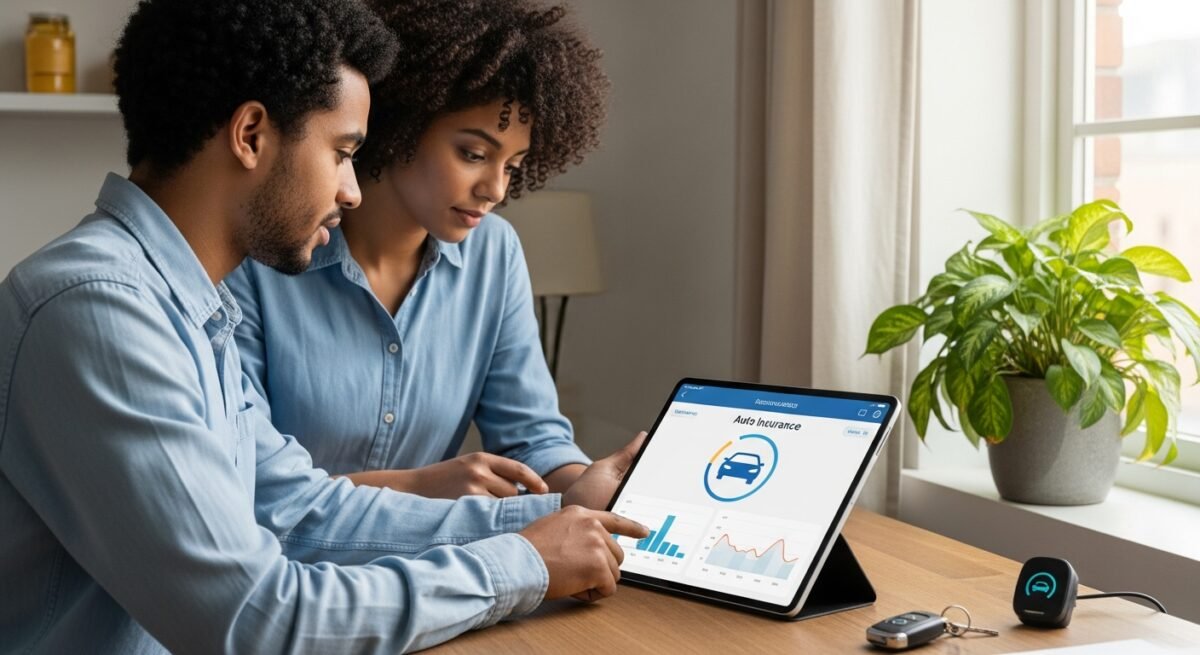
Connect Auto Insurance: A Modern Approach to Coverage
Connected auto insurance uses technology to personalize your policy and potentially lower your costs based on your actual driving behavior. This modern approach offers savings, convenience, and valuable feedback for safer driving.

By Ethan Powell
In today’s digital age, the process of buying and managing auto insurance is undergoing a significant transformation. The concept to connect auto insurance represents more than just getting a quote online, it’s about leveraging technology, data, and streamlined services to create a more integrated, efficient, and often more affordable relationship with your insurer. This modern approach moves beyond traditional, siloed interactions, aiming to connect you with the right policy, support, and savings through intuitive platforms and personalized service. Whether you’re a new driver seeking your first policy or a seasoned motorist looking to optimize your coverage, understanding this connected ecosystem is key to making empowered insurance decisions.
What Does It Mean to Connect with Auto Insurance?
The phrase “connect auto insurance” encompasses several interconnected ideas in the contemporary insurance landscape. At its core, it refers to the use of digital platforms and telematics to establish a direct, data-driven link between the driver and the insurance provider. This connection facilitates a more dynamic and personalized insurance model. Instead of a static annual policy based on generalized risk categories, connected insurance can adjust based on actual driving behavior, vehicle usage, and real-time data. This model often involves smartphone apps, onboard diagnostic (OBD-II) devices, or built-in vehicle telematics that monitor factors like mileage, braking habits, speed, and time of day driven.
This data connection allows insurers to offer usage-based insurance (UBI) programs, such as pay-per-mile or pay-how-you-drive policies. For safe, low-mileage drivers, this can translate to substantial savings, as they are only paying for the risk they actually present. Furthermore, the ability to connect extends to customer service. Modern providers offer seamless channels to manage policies, file claims, request roadside assistance, and communicate with agents through apps and web portals, creating a continuous and supportive relationship. This shift represents a move from a transactional purchase to an ongoing, interactive partnership.
Key Benefits of a Connected Auto Insurance Experience
Adopting a connected approach to your auto insurance policy offers a range of advantages that go beyond simple convenience. The integration of technology creates tangible benefits for the consumer, primarily centered on personalization, cost control, and enhanced support. One of the most compelling benefits is the potential for personalized premiums. By sharing your driving data, you provide proof of your safe habits, which can be directly rewarded with lower rates. This is a fairer model for many drivers who feel penalized by broad demographic rating factors.
Another major benefit is proactive safety and savings. Many connected insurance apps provide feedback on your driving, helping you identify and correct risky behaviors like hard braking or rapid acceleration. This not only makes you a safer driver but can also improve your eligibility for discounts. The convenience factor is also paramount. Imagine being able to instantly pull up your digital insurance ID card, report a claim with photo uploads from the accident scene, or track your claim’s status in real time, all from your phone. This level of access and transparency was unheard of in the traditional model. For a deeper exploration of tailoring coverage to your budget, our resource on full coverage auto insurance on a budget offers practical strategies.
To summarize the core advantages, consider the following key benefits:
- Personalized Pricing: Premiums based on your actual driving, not just demographics.
- Potential for Significant Savings: Discounts for safe driving, low mileage, and good behavior.
- Enhanced Convenience: Manage every aspect of your policy from a mobile device.
- Faster Claims Processing: Digital tools can streamline and accelerate the claims journey.
- Improved Driving Safety: Feedback and insights help you become a more aware and cautious driver.
How to Get Started with Connected Insurance
Transitioning to a connected auto insurance policy is a straightforward process, but it requires some research and consideration. The first step is to identify insurers that offer robust usage-based insurance programs or telematics-driven discounts. Most major carriers and several newer, tech-focused insurers now provide these options. When shopping, you’ll want to compare not just the potential discount but also the specific data being collected, how it’s used to calculate your rate, and the privacy policies in place. It’s crucial to understand what you are opting into.
Once you select a provider, the enrollment process typically involves downloading the company’s app and either connecting it to your vehicle’s built-in telematics system (common in newer cars) or plugging a small device into your car’s OBD-II port. This port is usually located under the dashboard near the steering column. The device or app then begins a monitoring period, often 30 to 90 days, to establish a baseline of your driving behavior. After this period, your discount is calculated and applied. It’s important to drive as you normally would during this time, the goal is to accurately reflect your habits, not to game the system for a short period. For a comprehensive look at securing robust protection without overspending, our guide on how to get full coverage auto insurance at a low cost is an excellent next step.
Privacy Considerations and Data Security
A legitimate concern for many drivers when considering connected insurance is privacy. You are, after all, allowing a company to collect detailed data about your whereabouts and behavior. Addressing this concern head-on is essential. Reputable insurance companies are transparent about what data they collect, how it is used, and who has access to it. Before enrolling, you should carefully review the program’s terms and conditions and privacy policy. Key questions to ask include: Is location data tracked continuously, or only when driving? Is the data shared with third parties? Can the data be used against me in a claim? How long is the data retained?
In most cases, insurers are primarily interested in driving behavior metrics (hard braking, speed, phone use) rather than continuous location tracking. The data is used to assess risk and offer discounts, not to monitor your every move. Furthermore, strong data encryption and security protocols are standard to protect your information from breaches. If privacy is a top concern, look for programs that offer a “drive score” based on behavior without collecting granular trip data. The choice to connect is always voluntary, and the trade-off between data sharing and financial benefit is a personal calculation every driver must make.
Maximizing Savings with a Connected Policy
Simply enrolling in a telematics program is not a guarantee of maximum savings. To truly optimize your rates, you need to understand the factors that influence your score or discount. While each program has its own algorithm, common positive behaviors include maintaining consistent speeds, avoiding harsh braking and acceleration, driving during lower-risk times of day (avoiding late-night driving), and keeping mileage low. Using your app’s feedback regularly is the best way to see where you can improve.
Beyond driving behavior, remember that connected insurance is one piece of the savings puzzle. You should still bundle policies (like home and auto), maintain a clean driving record, and take advantage of other standard discounts for things like safety features, anti-theft devices, and good student grades. Regularly shopping around and comparing quotes, even with your connected data in mind, ensures you are getting the best possible rate. The connected model empowers you with more control over one significant rating factor: your own driving. For drivers in specific regions, such as New York, understanding local market dynamics is also crucial, as detailed in our article on finding affordable auto insurance NY drivers can trust.
Frequently Asked Questions
Will a connected insurance program raise my rates if I’m a bad driver?
Yes, it is possible. While most programs are designed to offer discounts for good driving, some may also surcharge for consistently risky behavior. It’s vital to understand the program’s structure before enrolling. Some are “discount-only,” meaning your base rate won’t go up, but your discount could be minimal or zero.
What happens if I forget my phone or someone else drives my car?
Policies differ. Some apps only track trips when you activate them, while others connected to an OBD-II device track the vehicle regardless of the driver. If someone else drives poorly in your car, it could affect your score. Check with your insurer about their rules for occasional drivers and how trips are authenticated.
Can I remove the tracking device or opt out later?
Typically, yes. You can usually opt out of the telematics program at any time. However, doing so will likely cause you to lose any associated discount, and your rate will revert to a standard price based on traditional factors.
Does connected auto insurance work for all types of vehicles?
Most personal vehicles are compatible, especially those with an OBD-II port (standard in cars made after 1996). However, some programs may have restrictions for commercial vehicles, classic cars, or motorcycles. Always verify compatibility with your insurer.
How does connected insurance handle claims after an accident?
The data from your device or app can sometimes be used to support your claim by providing details about the incident, such as speed and impact force. This can help establish fault and expedite the process. For more nuanced analysis on complex coverage topics, you can always Read full article on specialized insurance blogs.
The evolution towards connected auto insurance marks a positive shift towards fairness, engagement, and efficiency. By choosing to connect, drivers gain unprecedented insight into their habits and direct influence over a portion of their insurance costs. While it requires a consideration of privacy and a commitment to safe driving, the potential rewards in savings, convenience, and safety make it a compelling option for the modern driver. As technology continues to advance, this connected relationship will likely become the standard, offering a more personalized and responsive approach to managing risk on the road.