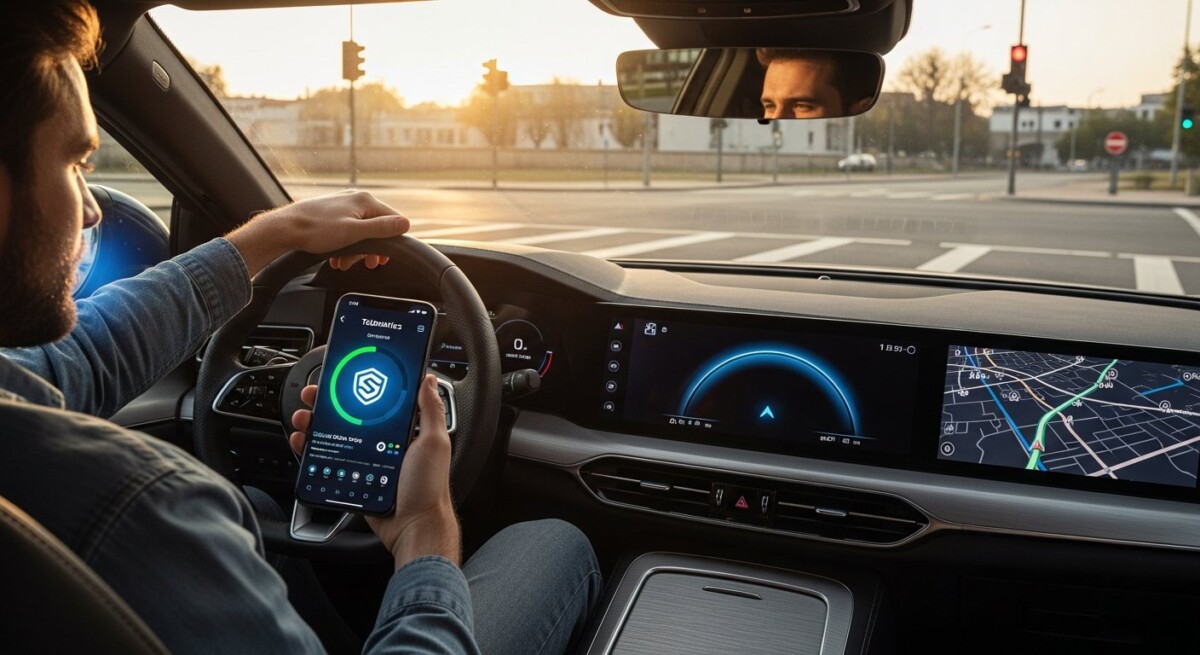
The cost of car insurance is shifting faster than most drivers realize. By 2026, a combination of telematics data, usage-based policies, and evolving risk algorithms means that the old rules of shopping for coverage no longer apply. If you have been paying the same premium for years without a second look, you are almost certainly overpaying. The key to unlocking lower rates lies in understanding how modern insurers calculate risk and where you can intervene to tip the scales in your favor. This guide walks through actionable strategies that go beyond the standard advice of comparing quotes, with a focus on what will matter most in 2026.
Why Car Insurance Rates Are Changing in 2026
Insurance premiums are not static. They respond to broad economic trends, claim frequency, repair costs, and even weather patterns. In 2026, several forces are converging to push rates higher for some drivers while creating opportunities for others to save. The cost of vehicle repairs has climbed sharply due to advanced sensors, cameras, and lightweight materials. At the same time, more insurers are adopting AI-driven underwriting that evaluates driving behavior in real time. This means your rate is no longer based solely on your age, credit score, and vehicle model. It is increasingly based on how you actually drive. If you can demonstrate safe habits, you can secure a rate that reflects your true risk profile rather than a statistical average.
Another factor is the growing availability of pay-per-mile and usage-based insurance. These policies allow low-mileage drivers to pay less, and they are becoming mainstream in 2026. Traditional annual policies with fixed premiums are being challenged by flexible models that reward infrequent driving. Understanding these shifts is the first step in learning how to get the best rates on car insurance in 2026. It is not just about finding a cheaper company. It is about changing the way your risk is measured.
Leverage Telematics and Usage-Based Insurance
Telematics devices and smartphone apps that track driving behavior are no longer niche products. Major carriers now offer programs that monitor speed, braking, cornering, and phone usage while driving. In 2026, these programs are more accurate and more widely accepted. If you are a cautious driver, opting into a telematics program can reduce your premium by 15 to 30 percent compared to a standard policy. However, there is a trade-off. Aggressive driving, hard braking, or late-night driving can increase your rate. The decision to enroll depends on your confidence in your own habits.
For drivers who work from home or drive fewer than 10,000 miles per year, usage-based insurance is an even better fit. These policies charge a base rate plus a per-mile fee. If your mileage is low, the savings can be substantial. To make the most of this option, track your mileage for a month before requesting quotes. Then compare the cost of a usage-based policy against a traditional one. In many cases, the difference is hundreds of dollars annually. As you evaluate telematics programs, look for clear privacy policies. Understand what data is collected and how it is used. Reputable insurers allow you to opt out or delete data after a policy ends.
Optimize Your Credit Profile Before Shopping
Credit-based insurance scores remain one of the most powerful factors in rate calculations for most states in 2026. Insurers have found that individuals with higher credit scores file fewer claims and file them less frequently. A low credit score can double or triple your premium, even if you have a clean driving record. Improving your credit profile before seeking quotes is one of the fastest ways to lower your rate. Start by pulling your credit reports from the three major bureaus for free. Dispute any errors you find. Pay down credit card balances to below 30 percent of your available limit. Avoid opening new accounts or closing old ones in the months before you apply for insurance.
If your credit history is thin or damaged, consider a pay-as-you-drive policy that does not rely heavily on credit scores. Some insurers in 2026 are offering alternative underwriting models that prioritize driving data over financial history. In our guide on Can’t Find Car Insurance? Get Covered Fast!, we explain how high-risk drivers can still find affordable coverage by choosing the right carrier. The takeaway is that credit is not destiny. You can work around it with the right strategy.
Bundle Policies Strategically
Bundling auto insurance with homeowners or renters insurance remains a reliable way to save, but the approach in 2026 requires more nuance. Insurers are offering deeper discounts to customers who bundle multiple vehicles, umbrella policies, or even life insurance under the same carrier. The key is to not assume that bundling automatically gives you the best deal. Run the numbers. Sometimes the discount you receive on auto insurance is offset by a higher premium on the bundled policy. Compare the standalone rate for each policy against the combined quote. If the total savings exceed 10 percent, bundling is likely worth it.
Another emerging trend is multi-policy bundling that includes roadside assistance, rental car coverage, and gap insurance. These add-ons can be cheaper when purchased as part of a package rather than individually. However, only add coverage you actually need. For example, if your car is older and paid off, gap insurance may be unnecessary. Focus on the bundles that align with your actual risk exposure. For families with multiple drivers and vehicles, bundling can reduce administrative hassle and lock in a loyalty discount that grows over time.
Raise Your Deductibles and Adjust Coverage Limits
One of the simplest ways to lower your premium is to increase your deductible. The deductible is the amount you pay out of pocket before insurance kicks in. Raising your comprehensive and collision deductibles from $500 to $1,000 can reduce your premium by 15 to 20 percent. In 2026, this strategy is especially effective because repair costs have risen, making higher deductibles more attractive to insurers. However, you must have the cash reserves to cover that deductible if you file a claim. If you cannot afford a $1,000 out-of-pocket expense, keep the deductible lower.
Review your coverage limits as well. If your vehicle is older and has a low market value, dropping collision and comprehensive coverage entirely could save you more than the car is worth. A good rule of thumb is to drop physical damage coverage when the annual premium for that coverage exceeds 10 percent of the car’s value. For example, if your car is worth $4,000 and collision coverage costs $500 per year, it may not be worth keeping. Instead, direct those savings toward a higher liability limit, which protects you in a serious accident. Liability coverage is not optional, and in 2026, minimum state limits are often too low to cover medical costs and property damage. Carry at least $100,000 per person and $300,000 per accident if you have assets to protect.
Shop for Quotes Every Six Months
Loyalty does not pay in auto insurance. Insurers regularly adjust their pricing algorithms, and the company that offered the lowest rate six months ago may no longer be competitive. In 2026, the market is more dynamic than ever, with new entrants offering aggressive introductory rates. To secure the lowest premium, commit to shopping for quotes at every renewal. Do not wait for your policy to expire. Start the process three to four weeks before your current term ends. This gives you time to gather quotes from at least three to five carriers.
When comparing quotes, ensure that each one offers the same coverage limits, deductibles, and endorsements. A lower quote that skimps on liability coverage is not a bargain. Use a comparison platform like Free Auto Insurance Quotes Online to see multiple offers side by side. This approach helps you spot outliers and avoid overpaying. For drivers who have had difficulty finding coverage in the past, our resource on Get Car Insurance Now, Avoid Fines outlines steps to secure a policy quickly while still getting a fair rate.
Take Advantage of Discounts You May Overlook
Insurers offer a wide range of discounts, but many go unclaimed because drivers do not ask. In 2026, discounts are more granular than ever. Beyond the standard good driver and good student discounts, look for:
- Low mileage discount: For driving under 7,500 miles per year. Some insurers require a telematics device to verify.
- Paid-in-full discount: Paying your entire annual premium upfront instead of monthly can save 5 to 10 percent.
- Paperless billing and autopay: Small discounts (usually 2 to 5 percent) for signing up for electronic statements and automatic payments.
- Defensive driving course: Completing an approved course every three years can earn a discount, especially for older drivers.
- Occupation or affiliation discounts: Some insurers offer lower rates to teachers, engineers, military members, and alumni of certain organizations.
Ask each insurer for a complete list of available discounts before you buy. Many discounts are not advertised prominently. You have to request them. Also, check if your employer or professional association has a group insurance program. These arrangements often include discounted rates that are not available to the general public.
Understand the Role of Vehicle Choice
The car you drive has a massive impact on your insurance rate. In 2026, insurers are using more detailed data on vehicle safety features, theft rates, and repair costs. A car with a high safety rating, automatic emergency braking, and low theft risk will cost less to insure than a sports car or a luxury SUV. Before you buy a new vehicle, research its insurance group rating. Some insurers offer discounts for vehicles equipped with advanced driver-assistance systems (ADAS). Conversely, cars with expensive headlights, sensors, or aluminum body panels cost more to repair, which drives up premiums.
If you already own a vehicle and are looking to reduce costs, consider whether a different car would lower your rate enough to justify a trade. For families with multiple vehicles, assigning the highest-risk drivers to the safest, cheapest-to-insure car can reduce the overall premium. This is a tactic that many people overlook. For students and young drivers, our guide on How Students Can Get Major Car Insurance Discounts explains how choosing the right vehicle can unlock significant savings.
Frequently Asked Questions
How often should I compare car insurance rates in 2026?
You should compare rates every six months, ideally before your renewal date. The market changes quickly, and a competitor may offer a better rate for your profile. Even if you stay with the same company, having a competing quote gives you leverage to negotiate a lower premium.
Will a speeding ticket raise my rate in 2026?
Yes, but the impact varies by insurer and state. A single minor violation may increase your rate by 10 to 20 percent. Some insurers offer accident forgiveness programs that waive the first incident. If you have a ticket on your record, shop for quotes from companies that specialize in high-risk drivers or that weigh driving data more heavily than violations.
Can I get car insurance without a credit check?
Yes, but options are limited. Some insurers offer policies that do not use credit scores, particularly in states like California, Hawaii, and Massachusetts where credit-based scoring is restricted. Usage-based insurance programs also tend to rely less on credit. If your credit is poor, these may be your best path to affordable coverage.
Are pay-per-mile policies cheaper than traditional insurance?
For low-mileage drivers, pay-per-mile is almost always cheaper. Drivers who log fewer than 8,000 miles per year can save 20 to 40 percent compared to a standard policy. However, if you drive more than 12,000 miles per year, a traditional policy may be more cost-effective.
What is the most important factor in my insurance rate?
In 2026, the most important factor is your driving behavior as measured by telematics. If you opt into a monitoring program, your rate will reflect your actual habits. Without telematics, your credit score and claims history are the strongest predictors. For a detailed breakdown of coverage types, see our article on 5 Types of Car Insurance Explained.
Getting the best rates on car insurance in 2026 requires a proactive, informed approach. The days of setting your policy on autopilot and hoping for the best are over. By leveraging telematics, optimizing your credit, bundling strategically, and shopping every six months, you can take control of your premium. Use a trusted comparison platform to see your options, and do not hesitate to ask for discounts. The savings are there if you know where to look. Start your comparison today and see how much you can save.