
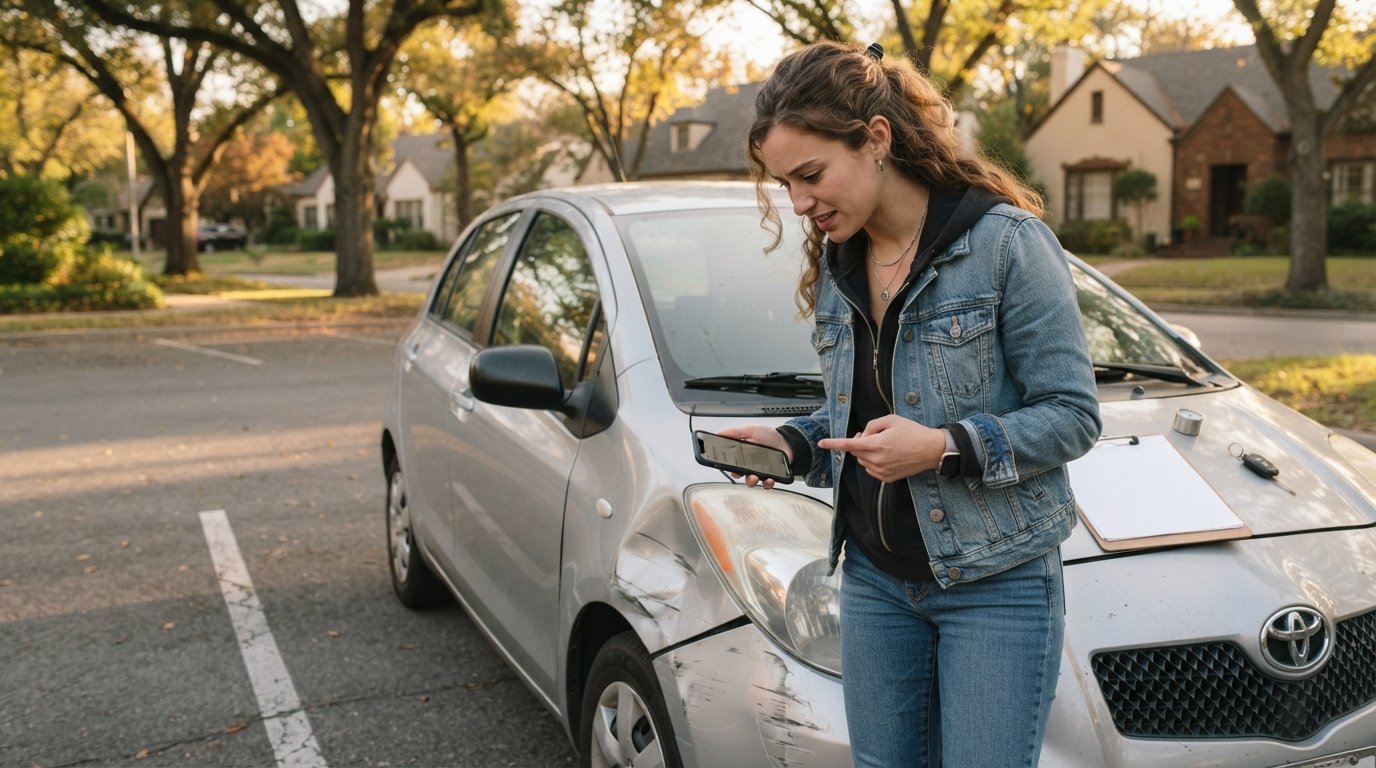
How to Lower Car Insurance Costs for Young Drivers After an Accident
Lower car insurance costs for young drivers after an accident with proven tactics. Call (833)-275-7533 for expert guidance on recovery and savings.

By Kieran Maddox
A single at-fault accident can feel like a financial earthquake for a young driver. Premiums can jump by hundreds or even thousands of dollars per year, and the sting lingers for three to five years in most states. But that first crash does not have to sentence you to years of overpaying. With the right strategy, you can soften the blow, rebuild your insurance profile, and find meaningful savings even while the accident remains on your record.
The key is understanding how insurers view young drivers after a claim, then taking deliberate steps to reduce your risk profile in their eyes. This guide walks through proven tactics, from accident forgiveness programs to telematics discounts and smart vehicle assignments. Whether you are a parent helping a teen recover from a fender bender or a twenty-something driver facing your first rate hike, these strategies can put money back in your pocket.
How One Accident Affects Young Driver Rates and How Long It Sticks
Young drivers already pay some of the highest auto insurance rates of any demographic. Adding an at-fault accident on top of that can push premiums up by 30 percent to 80 percent, depending on the carrier, state, and severity of the claim. A minor parking lot scrape might add $500 per year, while a serious collision with injuries could add several thousand. The impact is amplified because insurers see young drivers as statistically riskier, so any evidence of poor driving behavior weighs heavily.
The good news is that the surcharge is not permanent. Most insurers keep an at-fault accident on your record for three years, though some states and carriers extend it to five. After that period, the accident typically drops off your motor vehicle report and your rates should decrease, assuming no new violations. Some insurers reduce the surcharge gradually, while others remove it all at once. Knowing your state's rules and your carrier's specific timeline helps you plan when to re-shop for coverage.
It also helps to understand the difference between an at-fault and not-at-fault accident. If the crash was clearly the other driver's fault and their insurance paid, your rates may not rise at all, though some carriers still apply a small surcharge. If fault was shared or disputed, the outcome can vary. Review your accident report and your policy language carefully, and ask your agent how the claim is coded in your file. For a deeper look at what young drivers typically pay before and after claims, see our breakdown of young driver car insurance real costs.
Check for Accident Forgiveness and First-Accident Waivers
Many major insurers offer accident forgiveness as an optional add-on or as a loyalty benefit for long-term customers. This feature essentially waives the surcharge for your first at-fault accident, keeping your rate stable. For young drivers, this can be a lifesaver. However, eligibility rules vary widely. Some programs require a clean driving record for three to five years, which a teen may not have. Others only apply if the accident is below a certain dollar threshold or if no injuries occurred.
If you are a parent with a teen on your policy, check whether your carrier offers a first-accident waiver for youthful drivers. Some companies include it automatically for teens who maintain good grades and complete a driver safety course. If your current insurer does not offer this, it may be worth switching to one that does, especially if your teen is likely to have a minor mishap. Just be sure to read the fine print: accident forgiveness often applies only to the policyholder's first accident, not to every driver on the policy.
If you already had the accident and did not have forgiveness in place, ask your agent if there is any discretionary leeway. Some carriers will reduce or waive the surcharge if you have been a loyal customer, if the claim was small, or if you agree to take a defensive driving course. It never hurts to ask, especially if you have multiple policies bundled with the same insurer.
Use Telematics and Safe-Driver Programs to Offset the Surcharge
Telematics programs, also known as usage-based insurance, have become one of the most effective tools for young drivers to lower their premiums after an accident. These programs use a mobile app or a plug-in device to monitor driving habits such as speed, braking, cornering, and time of day. Safe drivers can earn discounts of 10 percent to 30 percent or more, which can significantly offset an accident surcharge.
For young drivers, telematics can be a game-changer because it rewards good behavior rather than penalizing a single mistake. Many programs offer a participation discount just for signing up, plus ongoing discounts based on your driving score. Some insurers even allow the discount to apply immediately, which can soften the rate increase from the accident. If you are willing to drive carefully and avoid late-night trips, telematics can help you rebuild your rate profile faster than waiting for the accident to age off.
Here are a few ways to maximize telematics savings:
- Sign up for a program with a guaranteed participation discount, even if your driving score is not perfect.
- Focus on smooth braking and acceleration, which are heavily weighted in most scoring models.
- Avoid driving during high-risk hours (late night and early morning) when possible.
- Review your driving score regularly in the app and adjust habits accordingly.
Keep in mind that telematics programs are not available in every state, and some insurers only offer them to certain age groups. Check with your carrier or compare quotes from companies that specialize in usage-based insurance for young drivers.
Adjust Deductibles and Vehicle Assignments to Reduce Premiums
Raising your deductible is one of the simplest ways to lower your comprehensive and collision premiums. If you can afford to pay more out of pocket in the event of a claim, a higher deductible can reduce your premium by 10 percent to 30 percent. For young drivers, this can be a smart trade-off, especially if the accident was minor and you are unlikely to file another claim soon. Just be sure you have the financial cushion to cover the higher deductible if needed.
Vehicle assignment is another often-overlooked strategy, particularly for families with multiple vehicles. Insurers assign each driver to a specific vehicle, and the cost of coverage depends on which car you are assigned to. If your teen drives the family's older, less valuable car most of the time, make sure the policy reflects that. Assigning a young driver to the cheapest-to-insure vehicle in the household can significantly reduce premiums. Conversely, if your teen is listed as the primary driver of a new sports car, you are likely overpaying.
You can also consider dropping optional coverage on older vehicles. If the car is worth less than the cost of comprehensive and collision premiums plus your deductible, it may not make sense to carry those coverages. This is a personal decision, but for a teen driving a beater, liability-only coverage might be the most cost-effective choice. Just ensure you meet your state's minimum requirements.
Re-Shop Your Policy at the Right Time
Re-shopping for car insurance after an accident is essential, but timing matters. If you shop immediately after the claim, you will likely see higher rates across the board because the accident is fresh on your record. However, some insurers are more forgiving than others, and a company that specializes in high-risk drivers may offer a better rate than your current carrier. It is worth comparing quotes from multiple carriers to see if switching can save you money, even with the accident on your record.
The best time to re-shop is when the accident is about to age off your record or when your current policy is up for renewal. Insurers use different lookback periods, so an accident that is three years old may still affect your rate with one carrier but not another. By shopping around at the three-year mark, you can potentially find a much lower rate. Also, if you have improved your driving record with telematics or a defensive driving course, mention that to insurers when getting quotes.
When comparing quotes, be transparent about the accident. Trying to hide it will only lead to problems later. Instead, focus on carriers that have accident forgiveness or that specialize in drivers with a single at-fault accident. Our quote comparison tool can connect you with licensed agents who can help you find the best rate for your situation.
Improve Your Overall Financial Profile
Insurance companies look at more than just your driving record. Your credit score, in most states, is a major factor in determining auto insurance rates. Young drivers often have thin credit files, which can lead to higher premiums. After an accident, improving your credit score can help offset the surcharge over time. Paying bills on time, reducing credit card balances, and avoiding new debt can all contribute to a better insurance score.
If you are financing a vehicle, refinancing your auto loan can also free up cash that you can use to cover a higher deductible or pay for a defensive driving course. CarLoanRefinancing offers educational resources and rate comparisons that can help you lower your monthly car payment, potentially freeing up room in your budget for insurance costs. While refinancing does not directly lower your insurance premium, it can improve your overall financial stability, which may help you afford better coverage or a higher deductible.
Additionally, maintaining continuous insurance coverage is crucial. A lapse in coverage can lead to higher rates, especially for young drivers. If you are struggling to pay your premium, talk to your agent about payment plans or discounts before letting your policy lapse.
Take a Defensive Driving Course
Many states and insurers offer discounts for completing a defensive driving course, also known as a driver improvement course. For young drivers, this can be particularly beneficial after an accident because it demonstrates a commitment to safe driving. Discounts typically range from 5 percent to 15 percent, and some states require insurers to offer them by law.
The course usually takes a few hours and can be completed online. It may also help remove points from your driving record in some states, which can further reduce your premium. Check with your insurer to see if they recognize specific courses and how much of a discount you can expect. Even a small discount can add up over three years, especially when combined with other savings strategies.
Consider a Higher-Risk Carrier or a New Policy Structure
After an accident, your current insurer may hike your rate dramatically. In some cases, it may be worth switching to a carrier that specializes in high-risk drivers. These companies often charge more than standard carriers, but they may be more forgiving of a single accident. However, be cautious: high-risk carriers can be expensive, and you should compare quotes carefully to ensure you are not overpaying.
Another option is to restructure your policy. For example, if your teen has their own policy, adding them back to your policy as a listed driver might be cheaper than keeping them separate, especially if you have a multi-car discount. Conversely, if your teen is on your policy and the accident has caused your rate to skyrocket, it might be worth getting them their own policy, though this is usually more expensive for young drivers. Run the numbers with an agent to see which structure makes the most sense.
Final Thoughts on Recovering Financially After a Young Driver's Accident
Lowering car insurance costs for young drivers after an accident requires patience and a proactive approach. Start by checking for accident forgiveness and telematics discounts, then adjust your deductible and vehicle assignments to find immediate savings. Re-shop your policy at the right time, and take steps to improve your credit and driving record. With each of these strategies, you can chip away at the surcharge and eventually return to more affordable rates. Remember that the accident will not follow you forever, and with smart choices, you can minimize its financial impact.