
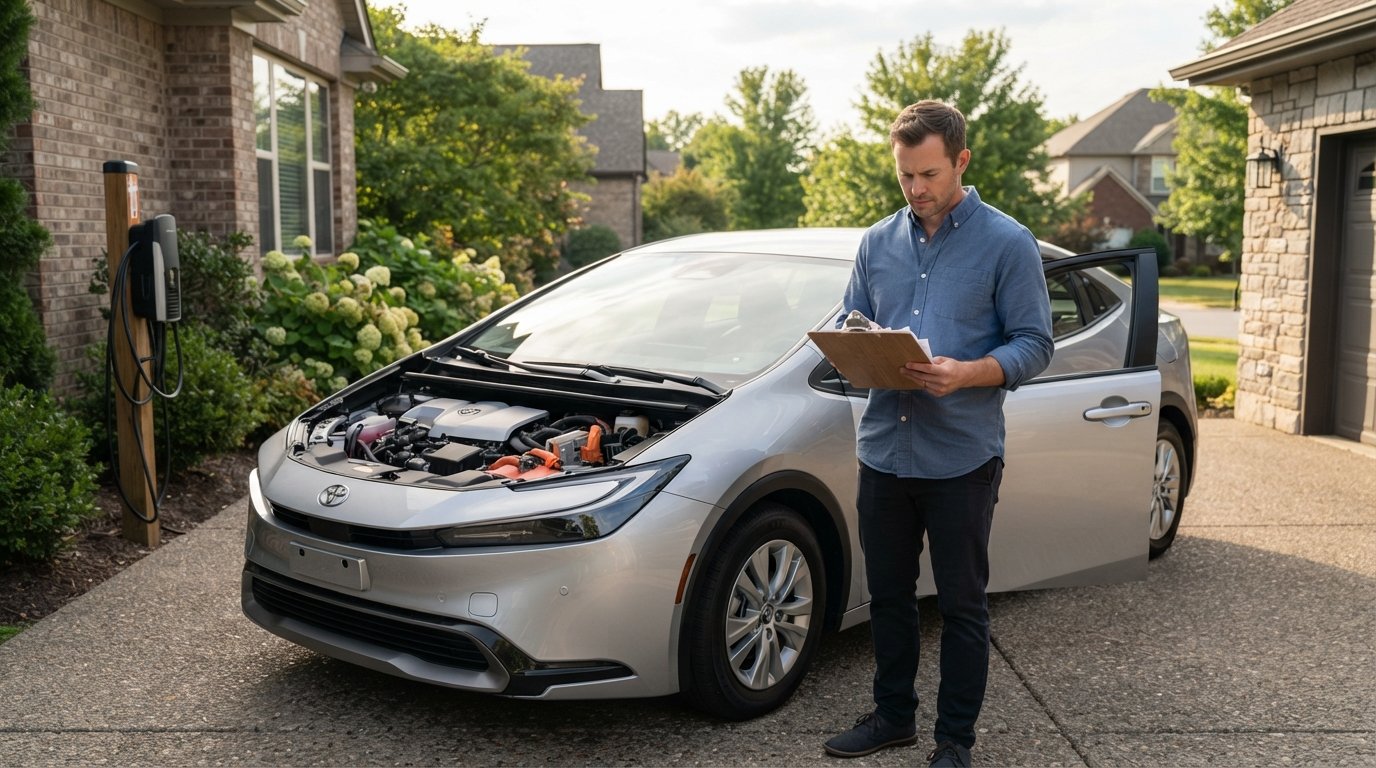
Hybrid Car Insurance: What Is Different for Eco Friendly Drivers
Hybrid car insurance what is different for eco friendly drivers explained. Call 8332757533 to compare quotes and lock in green discounts.

By Oliver Turner
Hybrid vehicles have moved from niche curiosity to mainstream choice, and millions of drivers now enjoy lower fuel costs and a smaller carbon footprint. But when the time comes to insure that hybrid, many owners assume their policy will look exactly like the one on a conventional gas car. In reality, hybrid car insurance what is different for eco friendly drivers is a question worth asking, because the answers can affect your premium, your repair options, and your long term savings. Understanding those differences before you buy or renew a policy helps you avoid overpaying and helps you secure coverage that actually fits the technology under your hood.
The good news is that hybrid coverage is not complicated once you know where the distinctions live. Insurers price hybrids using many of the same factors they use for gas vehicles, but a handful of unique variables, from battery repair costs to eco friendly discount programs, can shift your rate up or down. This guide walks through those variables step by step so you can compare quotes with confidence.
How Hybrid Vehicles Change the Insurance Equation
At the most basic level, a hybrid combines an internal combustion engine with an electric motor and a battery pack. That dual system changes the vehicle's value, its repair complexity, and in some cases how it is driven. Insurers care about all three because they influence the likelihood and cost of a claim. A hybrid's advanced components, especially the battery, can be expensive to replace, and not every body shop has the tools or training to service them. That reality feeds directly into premium calculations.
At the same time, hybrid owners often present a favorable risk profile to insurers. Many hybrid drivers are safety conscious, commute efficiently, and log predictable mileage, factors that can lower rates. Some carriers actively court this group with green discounts and telematics programs that reward smooth, fuel efficient driving. The result is a market where hybrid insurance can be cheaper than expected, provided you shop carefully and understand what each quote includes.
It also helps to think about the hybrid as two systems sharing one chassis. A minor fender bender may cost more to repair if sensors, wiring, or cooling lines for the battery are affected. A major battery failure, while rare, can approach four figures or more depending on the model. These possibilities do not make hybrids uninsurable by any means, but they do explain why some carriers price them differently than a comparable gas sedan.
If you are also weighing coverage for a temporary vehicle, our guide on 2026 rental car insurance coverage updates explains how those rules interact with your own policy, which is useful when a hybrid is in the shop for battery or drivetrain work.
Premiums: Why Hybrids Sometimes Cost More and Sometimes Cost Less
There is no single answer to whether hybrid insurance costs more than gas car insurance. The outcome depends on the specific model, the carrier, your driving record, and where you live. Several forces push premiums in opposite directions, and the balance determines your final rate.
Factors that can increase a hybrid premium include higher purchase price and replacement value, specialized parts and labor, battery replacement exposure, and limited repair networks in some regions. Factors that can decrease a hybrid premium include safety features, lower annual mileage for many owners, defensive driving habits, and carrier specific green discounts. When you request quotes, ask each insurer how it classifies your exact model, because a compact hybrid hatchback and a large hybrid SUV can land in very different rating tiers.
It also pays to review how your state regulates insurance. Minimum liability requirements, no fault rules, and personal injury protection mandates vary widely, and those rules apply to hybrids just as they do to any other car. Comparing quotes from multiple carriers remains the most reliable way to find the best combination of price and protection, and it takes only a few minutes online. For a broader look at how independent resources evaluate policies, NewAutoInsurance offers consumer education and comparison content that can help you frame the right questions before you call an agent.
One practical tip: when you compare quotes, keep the coverage limits identical across carriers. A low premium that quietly drops collision coverage or sets a high deductible is not a real savings. Ask for the declarations page or a coverage summary so you can compare apples to apples.
Repair Costs and Battery Coverage: The Hidden Variables
The hybrid battery is the single biggest reason hybrid insurance differs from conventional coverage. Batteries are designed to last many years, and most manufacturers offer long warranties, often eight to ten years or 100,000 miles. But warranties do not cover collision damage, road debris, flooding, or theft. If your battery is damaged in a covered event, your comprehensive or collision coverage typically responds, and the payout can be substantial.
This is where coverage choices matter. A policy with a very high deductible might save you a few dollars each month but leave you paying thousands out of pocket if the battery or its cooling system is damaged. Conversely, a moderate deductible paired with comprehensive coverage often provides the best balance for hybrid owners. Review your deductible against the cost of a battery for your specific model, then decide how much risk you can comfortably carry.
Repair network access is another consideration. Hybrids require technicians who understand high voltage systems, and not every shop is equipped. Some insurers maintain preferred networks with certified hybrid technicians, which can speed up repairs and reduce the chance of improper work. When you get quotes, ask whether the carrier has hybrid certified shops in your area. If not, confirm that you can choose your own repair facility without penalty.
Finally, consider the total loss scenario. If your hybrid is declared a total loss, the settlement is based on its actual cash value, which reflects depreciation. Because hybrids often hold value well, this can work in your favor. But if you financed the car, consider gap coverage to cover the difference between the settlement and your loan balance. These details are easy to overlook until you need them.
Discounts and Incentives Built for Eco Friendly Drivers
Insurers have recognized that green vehicle owners represent a desirable customer segment, and many now offer programs tailored to them. These incentives can meaningfully reduce your annual premium, but they are not automatic. You usually have to ask, and sometimes you have to qualify through driving behavior or vehicle type.
Common opportunities for hybrid and eco friendly drivers include:
- Green vehicle discounts for certified low emission or hybrid models
- Telematics or usage based programs that reward smooth, efficient driving
- Low mileage discounts for drivers who commute less or work from home
- Safety feature discounts for automatic braking, lane assist, and adaptive cruise control
- Multi policy bundling when you combine auto with home or renters coverage
Telematics deserves special attention. These programs use a mobile app or plug in device to track acceleration, braking, cornering, and mileage. Eco friendly drivers often score well because smooth driving aligns with fuel efficiency. The result can be a discount of ten to thirty percent at renewal, though poor scores can also raise rates in some programs. Read the terms carefully and choose a program that rewards the way you already drive.
State and federal incentives can also reduce your overall cost of ownership, even though they are not insurance discounts. Tax credits, carpool lane access, and reduced registration fees in some states effectively lower what you pay each year. Add those to insurance savings and the financial case for a hybrid grows stronger. Always confirm current program rules, because funding and eligibility change over time.
How to Compare Hybrid Car Insurance Quotes Effectively
Comparing quotes is the single most powerful action you can take to control your premium. Rates for the same driver and vehicle can vary by hundreds of dollars per year between carriers, and hybrids are no exception. A structured approach keeps the process quick and prevents apples to oranges comparisons.
Follow these steps to get accurate, comparable quotes:
- Gather your vehicle identification number, current coverage limits, and driving history.
- Decide on your target coverage levels, including liability, collision, comprehensive, and uninsured motorist protection.
- Request quotes from at least three to five carriers, using identical limits and deductibles.
- Ask specifically about hybrid related discounts, certified repair networks, and battery coverage.
- Review each quote's declarations page and note exclusions, then compare total annual cost, not just monthly payments.
After you have quotes in hand, look beyond price. A carrier with a strong claims reputation and a local hybrid certified shop may be worth a small premium difference. Check complaint ratios, read customer reviews, and ask how claims are handled after hours. Insurance is a promise to pay when things go wrong, and the quality of that promise matters as much as the sticker price.
It also helps to revisit your policy once a year. As your hybrid ages, its replacement value drops, and you may be able to lower your premium by adjusting deductibles or dropping optional coverages you no longer need. Conversely, if you have added a teenage driver or moved to a new state, your rates will change. An annual review keeps your coverage aligned with your life.
Coverage Choices That Matter Most for Hybrid Owners
Not every coverage type is equally important for hybrid drivers, but a few deserve close attention. Liability coverage is mandatory in nearly every state and protects you when you injure someone or damage their property. It does not cover your own hybrid, so you need collision and comprehensive coverage to protect the vehicle itself. Given the cost of hybrid components, these coverages are usually worth the expense.
Uninsured and underinsured motorist coverage is another smart addition. If a driver with minimal insurance hits your hybrid, this coverage fills the gap for medical bills and sometimes property damage. Because hybrid repairs can be costly, the extra protection is often inexpensive relative to the risk. Ask your agent to quote it alongside your other coverages so you can see the actual cost.
Medical payments or personal injury protection may also be valuable, depending on your health insurance and your state's rules. These coverages pay for medical expenses after an accident regardless of fault, which can reduce stress while you recover. If you have solid health insurance and a good emergency fund, you might choose lower limits, but do not skip the conversation entirely.
Finally, consider roadside assistance and rental reimbursement. A hybrid that needs dealer service may sit longer than a conventional car, and rental reimbursement keeps you mobile during repairs. Roadside assistance is useful for flat tires, dead batteries, and lockouts, and it often costs only a few dollars per month when bundled with your policy. These small add ons can prevent large inconveniences.
Common Myths About Hybrid Insurance
Misinformation about hybrid insurance circulates widely, and it can lead drivers to make poor decisions. One persistent myth is that hybrids are always more expensive to insure. In practice, many hybrids cost about the same as comparable gas cars, and some cost less thanks to safety features and discounts. Your rate depends on your profile, not just the powertrain.
Another myth is that hybrid batteries fail constantly and insurers refuse to cover them. Batteries are durable and warrantied for years, and damage from covered events is typically paid under comprehensive or collision coverage. The key is to carry those coverages and to understand your deductible. A third myth is that green discounts are automatic. They are not. You usually have to ask, and eligibility rules vary by carrier and state.
A fourth myth holds that hybrids are unsafe in crashes because of the battery. Independent testing consistently shows modern hybrids perform well in crash tests, and manufacturers design battery packs to isolate in a collision. Insurers price risk based on data, and the data does not support the idea that hybrids are inherently dangerous. If anything, many hybrid models come with advanced safety technology that lowers risk.
Separating fact from fiction helps you negotiate from a position of knowledge. Ask direct questions, request written explanations, and do not accept vague answers. A good agent will welcome the conversation because it leads to better coverage decisions and fewer surprises at claim time.
Final Thoughts on Insuring Your Hybrid
Hybrid car insurance what is different for eco friendly drivers comes down to a few practical realities: battery and repair costs, specialized service networks, and a growing set of green discounts that can lower your rate. None of these differences make hybrid coverage difficult, but they do reward drivers who shop carefully and ask the right questions. By comparing quotes from multiple carriers, choosing sensible deductibles, and taking advantage of eco friendly programs, you can protect your hybrid without overpaying.
Take a few minutes today to gather quotes and review your current policy. Small adjustments now can save you hundreds of dollars over the life of your vehicle, and they ensure that your coverage keeps pace with the technology you drive.