
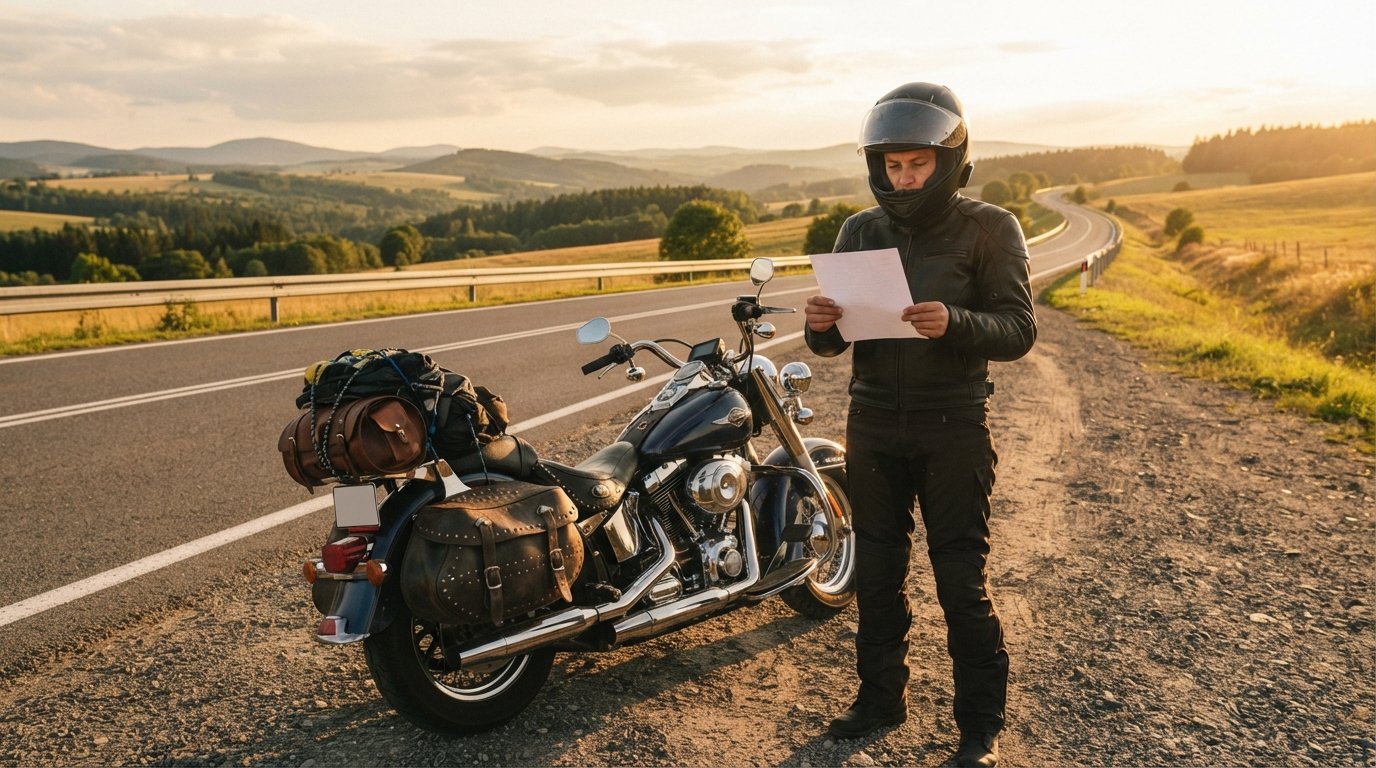
Motorcycle Insurance Coverage Essentials for Riders
Understand motorcycle insurance coverage essentials for riders. Call 8332757533 to compare quotes and avoid costly coverage gaps.

By Evelin Cross
Riding a motorcycle delivers a sense of freedom that few other vehicles can match. That same freedom comes with exposure that car drivers never face: no steel cage, no airbags, and far less protection in a crash. Motorcycle insurance coverage essentials for riders are not just a legal checkbox, they are the financial shield that stands between a serious accident and a devastating bill. Whether you ride a cruiser on weekend highways, a sportbike through city traffic, or a touring bike across state lines, understanding what your policy actually pays for is the difference between a quick recovery and years of debt.
Many riders assume their policy works exactly like auto insurance, then discover gaps only after a claim is denied. This guide breaks down every major coverage type, explains how each one protects you, and shows you how to compare quotes without overpaying. If you also tow a camper or ride with family, the same comparison logic applies to other vehicles, which is why our guide on RV insurance coverage for motorhomes and travel trailers pairs well with this one.
Why Motorcycle Coverage Is Different From Car Insurance
Motorcycle policies share some DNA with auto policies, but insurers treat riders as a higher risk category. According to the National Highway Traffic Safety Administration, motorcyclists are roughly 24 times more likely to die in a crash per mile traveled than passenger car occupants. That statistic shapes everything about how premiums are calculated and why certain coverages matter more for riders.
Another key difference is how claims are paid. In a car accident, the vehicle itself absorbs much of the impact. On a motorcycle, the rider's body absorbs it. That means medical payments coverage and uninsured motorist protection often carry more weight than they would on a standard auto policy. Injured riders frequently face hospital bills that dwarf the value of the bike itself.
Motorcycles also fall into distinct categories that affect pricing: cruisers, sportbikes, touring bikes, standards, and dual-sport models. Engine size, rider experience, and even the safety features on the bike can move your rate by hundreds of dollars a year. Because pricing varies so widely, the only reliable way to know your real cost is to gather multiple quotes and compare them side by side, the same approach that works for any vehicle on the road.
The Core Motorcycle Insurance Coverage Essentials for Riders
Most states require some form of liability coverage before you can legally ride on public roads, but the minimum legal requirement is rarely enough to protect your finances. A solid policy typically stacks several coverage types together so that no single event can wipe you out.
Here are the coverage components every rider should evaluate before signing a policy:
- Bodily injury liability: Pays for injuries you cause to other people in an accident, including medical costs and legal fees if you are sued.
- Property damage liability: Covers damage you cause to another person's vehicle, fence, mailbox, or other property.
- Collision coverage: Repairs or replaces your motorcycle after a crash, regardless of who was at fault.
- Comprehensive coverage: Handles non-collision damage such as theft, fire, vandalism, hail, and deer strikes.
- Uninsured and underinsured motorist coverage: Protects you when a hit-and-run or low-limit driver cannot pay for your injuries.
- Medical payments or personal injury protection: Covers your own medical bills and sometimes lost wages, no matter who caused the crash.
- Optional add-ons: Roadside assistance, custom parts and equipment coverage, and trip interruption benefits.
Liability coverage is the foundation, and nearly every state mandates it. Collision and comprehensive are usually optional, but they matter enormously if your bike is financed or leased, since lenders typically require them. Uninsured motorist coverage is the quiet hero of the list: roughly one in seven U.S. drivers carries no insurance at all, and many more carry only the legal minimum. If one of those drivers hits you, your own UM coverage becomes your only realistic path to compensation.
When you request quotes, ask specifically for a full coverage quote that bundles liability, collision, and comprehensive, then ask for a separate quote with higher uninsured motorist limits. The price difference is often smaller than riders expect, and the added protection can be the difference between a manageable claim and financial ruin.
How State Minimums Fall Short for Riders
Every state sets minimum liability requirements, and those minimums vary dramatically. Some states require as little as $10,000 in property damage coverage; others require $50,000 or more for injury to a single person. The problem is that minimum limits are designed to get you legal, not to make you whole.
Consider a common scenario. A rider with a state-minimum policy causes an accident that injures a passenger in another car. Medical bills reach $80,000, but the policy only pays $25,000. The injured party can pursue the rider personally for the difference, which may mean wage garnishment, liens, or bankruptcy. Raising liability limits to $100,000 per person and $300,000 per accident often costs only a few dollars more per month, yet it can prevent a financial catastrophe.
Riders should also check whether their state requires uninsured motorist coverage by law. Some states mandate it, some make it optional, and a few allow you to reject it in writing. Even where it is optional, carrying UM coverage is one of the smartest decisions a rider can make. For a deeper look at how these protections work across different vehicle types, the consumer guides and comparison resources at NewAutoInsurance explain coverage structures in plain language for drivers and riders alike.
Full Coverage Versus Liability Only: Making the Right Call
The phrase "full coverage" does not describe a single product. It is shorthand for a policy that combines liability with collision and comprehensive, and sometimes uninsured motorist protection. The right choice depends on your bike's value, your savings, and your risk tolerance.
Liability-only coverage is the cheapest option, and it makes sense in a narrow set of situations: the bike is worth only a few thousand dollars, you have substantial emergency savings, and you could replace the motorcycle out of pocket without hardship. For most riders, though, liability-only leaves too much exposed. A single theft or a slide on gravel can destroy a bike worth $12,000 or more.
Full coverage tends to make sense when the motorcycle is financed, when it is worth more than a few thousand dollars, or when the rider simply cannot absorb the loss of the bike and the medical bills that follow a crash. The cost gap between liability-only and full coverage is usually modest once you factor in discounts for safe riding courses, multi-policy bundling, and anti-theft devices.
A practical framework for deciding looks like this:
- Calculate what it would cost to replace your bike today at market value.
- Compare that number to your emergency savings.
- Check whether your lender or lease requires collision and comprehensive.
- Request quotes for both liability-only and full coverage, then compare the monthly difference.
- Choose the option that keeps you solvent after a worst-case accident, not just the cheapest premium.
That final step matters most. The goal of insurance is not to win a price war, it is to transfer a risk you cannot afford to carry. Saving $30 a month only to face a $15,000 repair bill is a losing trade.
Riding Gear, Custom Parts, and Accessory Coverage
Standard motorcycle policies often exclude the gear you wear and the custom parts you install. Helmets, jackets, gloves, boots, and riding pants can easily total more than a thousand dollars, and custom exhaust systems, seats, and paint can add thousands more. Without add-on coverage, those items may not be reimbursed after a crash or theft.
Two optional coverages address this gap. Custom parts and equipment coverage raises the limit for modifications and accessories, while safety apparel coverage reimburses damaged riding gear, often up to a set amount per accident. Both are inexpensive relative to the value they protect, especially for riders who have invested heavily in their machines.
Riders should also ask about roadside assistance and trip interruption benefits. A breakdown two hundred miles from home is a very different experience when your policy covers towing and a hotel night. These add-ons are usually a few dollars per month and can save hundreds during a single long-distance ride.
How to Compare Motorcycle Insurance Quotes the Smart Way
Because rates swing wildly between carriers, comparing quotes is the single most effective way to reduce your premium. The same rider with the same bike can receive quotes that differ by 50 percent or more, simply because insurers weigh factors like age, riding history, and bike type differently.
Start by gathering at least three to five quotes with identical coverage limits so the comparison is apples to apples. Adjust one variable at a time, such as the deductible or the liability limit, to see how each change affects the price. Then ask about every discount you might qualify for: completion of a motorcycle safety course, membership in a riders' association, bundling with auto or home insurance, paying the full premium upfront, and installing anti-theft technology.
Pay attention to how each insurer handles claims, not just the premium. A slightly higher rate from a carrier with a strong claims reputation is often the better long-term value. Review the deductible structure too: a higher deductible lowers your premium but increases your out-of-pocket cost after an accident, so choose a number you could actually pay on short notice.
Finally, revisit your policy once a year. Rates change, discounts appear, and your riding habits evolve. A policy that was competitive two years ago may be overpriced today, and a five-minute annual review can keep hundreds of dollars in your pocket.
Common Mistakes That Leave Riders Underinsured
Even experienced riders make coverage mistakes that only surface after a claim. One of the most common is carrying the legal minimum and assuming it is enough. Another is skipping uninsured motorist coverage to save a few dollars, then getting hit by a driver with no insurance at all.
Riders also forget to update their policy after major changes: moving to a new state, adding a second bike, or installing expensive modifications. Each of these events changes your risk profile and your coverage needs. Failing to report them can lead to denied claims or inadequate payouts.
Finally, many riders never read the exclusions in their policy. Racing, track days, and certain off-road uses are frequently excluded from standard coverage. If you participate in those activities, ask specifically about supplemental coverage before you need it. A policy you understand is a policy that works when it matters.
Motorcycle insurance coverage essentials for riders come down to a simple idea: match your coverage to the risks you actually face. Layer liability, collision, comprehensive, and uninsured motorist protection so that no single accident can derail your finances. Compare quotes from multiple carriers, take every discount you have earned, and review your policy annually. Do that, and you can ride with confidence knowing that the freedom of the road is backed by protection that holds up when it counts.