
Permissive Use Car Insurance: Who Is Covered Driving Your Car?
Permissive use car insurance who is covered when driving your car explained, plus steps to avoid claim denials. Call (833)-275-7533 for a free quote review.

By Odessa Wright
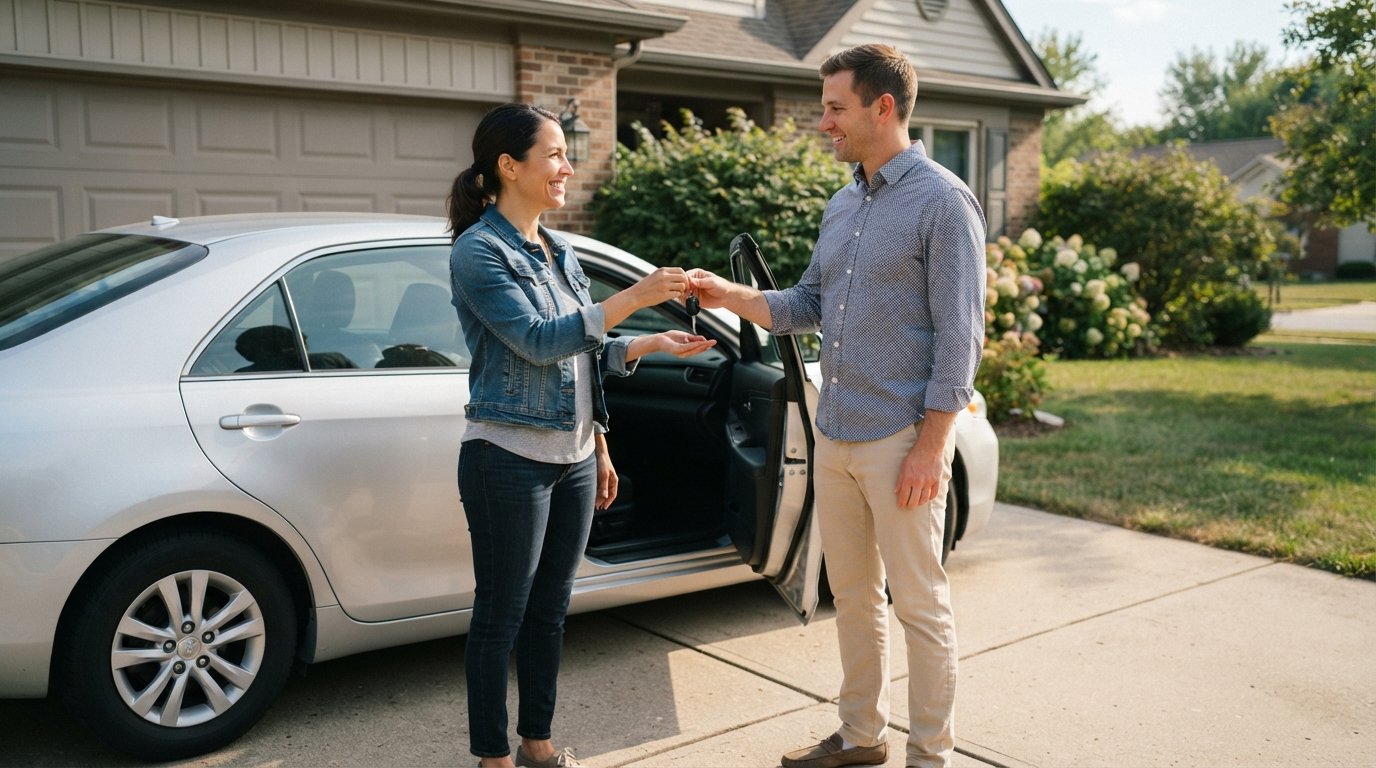
When you hand your keys to a friend for a quick errand, you probably are not thinking about liability limits, exclusions, or claim denials. Yet that simple act of trust sits at the center of one of the most misunderstood concepts in auto insurance: permissive use. Understanding permissive use car insurance who is covered when driving your car matters because the answer determines whether a crash turns into a covered claim or a personal financial crisis. This guide explains how permissive use works, when it fails, and how to confirm coverage before you lend your vehicle to anyone.
What Is Permissive Use in Car Insurance?
Permissive use is the legal and contractual principle that allows someone who is not listed on your policy to drive your car with your express or implied permission and still receive coverage under your policy. Express permission is straightforward: you say, "Yes, you can borrow my car." Implied permission is broader and arises from circumstances, such as a family member who regularly uses the vehicle or a coworker who drives it to pick up lunch because that has become an established practice. In both cases, the driver steps into your coverage rather than relying on their own.
The critical point is that your insurance responds first. If your friend causes an accident while driving your car with your permission, your liability, collision, and any applicable medical payments coverage typically apply before their own policy does. Their insurer may eventually share responsibility, but your carrier is the primary responder. This is why the phrase "my insurance follows my car" is repeated so often in agent training and consumer education materials.
Permissive use also has limits. It generally applies to occasional, infrequent use. It does not apply when someone takes your car without permission, when a driver is specifically excluded from your policy, or when the vehicle is used for commercial purposes that your policy does not cover. Misunderstanding these boundaries is where most coverage disputes begin.
Who Is Actually Covered Under Permissive Use?
The short answer is that permissive use can extend coverage to almost anyone you allow to drive your car, but the details depend on your policy language, your state's laws, and the driver's relationship to you. Most standard personal auto policies include a permissive use clause, but that clause is not unlimited. It typically covers a friend, neighbor, or relative who does not live with you and who uses the car occasionally with your consent.
Coverage does not automatically extend to everyone. The following categories of drivers often fall outside standard permissive use:
- Household members and regular drivers: Anyone who lives with you and uses the car regularly usually must be listed on the policy as a rated driver.
- Excluded drivers: If you signed a named driver exclusion, that person has no coverage under your policy even with your permission.
- Commercial or delivery drivers: Using your car for DoorDash, Uber Eats, or similar services typically falls outside personal permissive use.
- Car-sharing renters: Turo or similar peer-to-peer rentals operate under separate agreements and often require their own insurance.
- Unlicensed or impaired drivers: Coverage may be denied or limited if the driver lacks a valid license or was intoxicated.
Even when permissive use applies, the coverage you provide is only as good as your own limits. If your friend causes $80,000 in damage and you carry $50,000 in liability coverage, the remaining $30,000 can become your friend's personal responsibility, and in some states, yours as well. This is why reviewing your limits before lending your car is just as important as confirming that permissive use applies.
When Permissive Use Does Not Apply: Household Members and Regular Drivers
The most common permissive use mistake involves household members. If your roommate, spouse, or adult child lives with you and drives your car more than occasionally, most insurers require that person to be listed on your policy. The reason is simple: insurance pricing is based on risk, and a regular driver represents ongoing exposure that the carrier needs to underwrite and rate. Failing to list a regular household driver can lead to a claim denial or a mid-term premium adjustment.
What counts as "regular" varies by insurer and state, but a good rule of thumb is that anyone who drives your car more than once or twice a month, or who has their own set of keys, should be added to the policy. If you are unsure, call your agent and ask. Adding a driver is usually far cheaper than discovering after an accident that coverage does not apply.
There is one nuance worth noting: some policies include a permissive use provision that covers household members in emergencies or one-time situations, but these exceptions are narrow and inconsistently applied. Do not rely on them. If someone lives under your roof and uses your vehicle with any regularity, list them.
Car-Sharing, Delivery Driving, and Other Commercial Uses
Permissive use is designed for personal, occasional driving. It is not designed for commercial activity. If you lend your car to a friend who then uses it to deliver pizzas, drive for a rideshare platform, or rent it out through a peer-to-peer car-sharing service, your personal policy will likely deny the claim. The reasoning is that commercial use dramatically increases risk exposure, and personal policies are not priced to cover it.
This distinction matters because the line between personal and commercial use has blurred. A friend who occasionally drives for a rideshare company might assume your permission covers a weekend shift. It does not. Similarly, renting your car on Turo is a commercial transaction, not a favor, and it requires commercial or car-sharing specific coverage. If you are exploring rental scenarios, our guide on 2026 rental car insurance coverage updates explains how those policies differ from personal auto coverage.
The safest approach is to ask directly what the driver intends to do with your car. If the answer involves earning money, delivery, or renting it to strangers, treat it as a commercial use and verify coverage separately before proceeding.
How to Confirm Coverage Before Lending Your Car
Before you hand over your keys, a few minutes of verification can prevent months of financial stress. Coverage rules vary by state and insurer, so the only reliable answer comes from your own policy documents and your carrier. Use the following steps as a practical checklist.
- Review your policy's permissive use clause. Look for language about "permissive drivers," "temporary substitute vehicles," or "non-owned autos." This tells you what your carrier allows.
- Check your state's rules. Some states have specific statutes or case law that broaden or limit permissive use. Your state insurance department website is a good starting point.
- Confirm the driver is not excluded. If you have ever signed a named driver exclusion, that person has no coverage under your policy.
- Verify the driver is licensed and sober. An unlicensed or impaired driver can void permissive use entirely.
- Ask about the intended use. Personal errands are fine; delivery or rideshare is not.
- Call your insurer if you are unsure. A five-minute call can confirm whether a specific driver or situation is covered.
If you discover that your coverage is thinner than you expected, you have options. Increasing your liability limits, adding a driver, or purchasing an endorsement for occasional commercial use can close the gap. Comparing quotes from multiple carriers is often the fastest way to find better coverage at a similar price, and platforms like Free Auto Insurance Quotes Online let you request personalized quotes from licensed agents without obligation.
It also helps to think about the broader financial picture. If you are still paying off your vehicle, your lender may require certain coverage levels, and refinancing your auto loan could free up room in your budget for better insurance. Resources such as CarLoanRefinancing explain how vehicle owners can compare refinance options and potentially lower monthly payments, which can make it easier to afford the coverage you actually need.
What Happens When a Permissive Driver Causes an Accident?
When a permissive driver causes an accident, the claims process usually begins with your insurer. Your liability coverage pays for injuries and property damage the other party suffers, up to your policy limits. If you carry collision coverage, it also pays to repair your own vehicle, minus your deductible. Medical payments or personal injury protection coverage may pay for injuries to you and your passengers, depending on your state and policy.
Your friend's insurance may also become involved, but typically as a secondary payer. Some states require the driver's policy to contribute, while others place the primary burden on the vehicle owner's policy. In either case, the driver's own coverage can help cover amounts that exceed your limits, which is one reason it is wise for regular borrowers to carry their own policy even if they do not own a car.
The long-term consequences can extend beyond a single claim. An at-fault accident can raise your premium at renewal, even if you were not behind the wheel. Some insurers surcharge the policy that paid the claim, not the driver who caused it. This is another argument for listing regular drivers and confirming coverage in advance rather than relying on permissive use as a permanent solution.
Common Myths About Permissive Use
Several persistent myths cause drivers to make costly assumptions. One myth is that permissive use covers anyone, anytime. In reality, it covers occasional drivers who have your permission and who are not excluded or regular household members. Another myth is that the driver's insurance always pays first. In most cases, the vehicle owner's policy is primary, and the driver's policy is secondary.
A third myth is that permission can be granted after an accident. It cannot. If you did not give permission before the crash, the driver may be treated as an unauthorized user, and coverage may be denied. Finally, some drivers believe that permissive use protects their premium. It does not. A claim is a claim, and it can affect your rates regardless of who was driving.
Understanding these myths helps you make better decisions. If you want to protect yourself, your vehicle, and your finances, treat permissive use as a safety net for occasional situations, not as a substitute for proper driver listing and adequate limits.
Frequently Asked Questions
Does permissive use cover a friend who borrows my car for a week?
It depends on your policy and your insurer's definition of occasional use. A week-long loan may be considered regular use, especially if the friend has their own set of keys or drives the car daily. Call your agent to confirm before lending the car for an extended period.
What if the permissive driver has no insurance?
Your policy still responds first, but if damages exceed your limits, you may be personally exposed. Uninsured and underinsured motorist coverage can help in some scenarios, but it does not eliminate the risk of a large liability claim.
Can I exclude a household member from my policy?
Yes, many insurers allow named driver exclusions, but rules vary by state. Excluding a driver means they have no coverage under your policy, even in an emergency. Weigh the savings against the risk carefully.
Does permissive use apply if the driver is not licensed?
Generally, no. Most policies require the driver to be legally licensed. If an unlicensed driver takes your car, coverage may be denied or limited.
How do I add a driver to my policy?
Contact your insurer or agent with the driver's name, license number, and driving history. Adding a driver is usually quick, and the premium change depends on the driver's record and your coverage.
Permissive use is a valuable feature of personal auto insurance, but it is not a blanket guarantee. It works best when you understand its boundaries, list regular drivers, and confirm coverage before lending your car. A few minutes of preparation can protect you from a claim denial and the financial fallout that follows. If you want to compare coverage options or find a policy that fits your lending habits, request free, no-obligation quotes from licensed agents and take control of your risk before the next set of keys leaves your hand.