
Rideshare Driver Insurance Gap Explained for 2026
Understand the rideshare driver insurance gap explained in plain terms. Call 8332757533 to compare quotes and close coverage gaps before your next shift.

By Lucas Bennett
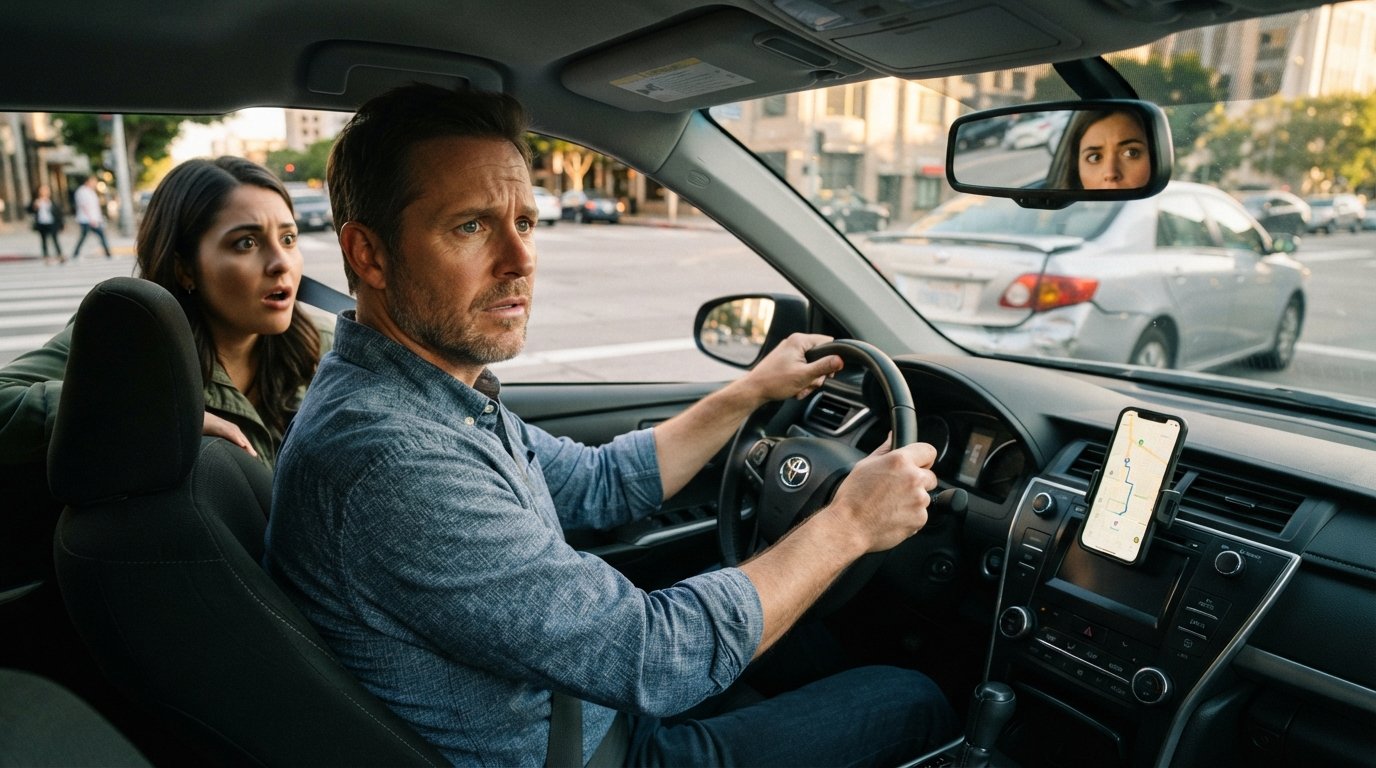
You are sitting at a red light with a passenger in the back seat, and a distracted driver slams into your rear bumper. You exchange information, file a claim, and then the adjuster asks a simple question: were you logged into a rideshare app when the crash happened? That one answer determines whether your personal policy responds, the rideshare company's commercial policy responds, or you end up paying out of pocket. The rideshare driver insurance gap explained in plain terms is the space between what your personal auto policy covers and what the rideshare platform's commercial coverage provides. Most drivers do not learn about this gap until they need it most, and by then the bills are already stacking up.
This guide walks through how the gap works, when it opens, what it costs, and how to close it before a claim forces the issue. Whether you drive for Uber, Lyft, DoorDash, or a smaller regional platform, the same structural problem applies: personal policies exclude commercial use, and platform coverage only kicks in during certain phases of your workday. Understanding those phases is the difference between a paid claim and a financial headache.
What the Rideshare Insurance Gap Actually Is
Standard personal auto policies contain a business use exclusion. That clause means your insurer can deny a claim if the vehicle was being used to carry passengers or deliver goods for compensation at the time of the loss. Insurers added these exclusions long before rideshare apps existed, originally to avoid covering pizza delivery drivers and taxi services. When rideshare platforms scaled up, drivers found themselves in a coverage no man's land: personal insurance said no, and the platform's commercial policy only applied during specific windows.
The gap is not a single hole. It is a series of overlapping conditions that determine who pays what. The size of the gap depends on which app you drive for, which phase you were in when the incident occurred, and whether your state requires the platform to carry contingent liability coverage. In some states, the platform's coverage is robust from the moment you log in. In others, there is a period where you are logged in but not yet matched with a rider, and during that window your protection is thin or nonexistent.
To make this concrete, think about the three phases that most rideshare platforms use to define coverage:
- Phase 1 (App on, waiting for a request): You are logged in but have not accepted a ride. Platform coverage is usually limited or absent, and your personal policy may still exclude you because the app is active.
- Phase 2 (En route to pick up a rider or delivery): You have accepted a request and are driving to the pickup location. Platform liability coverage typically begins here, but limits may be lower than during Phase 3.
- Phase 3 (Passenger in the car or delivery in progress): The ride or delivery is active. Platform coverage is at its highest, often including contingent comprehensive and collision.
Many drivers assume they are covered the entire time the app is on. That assumption is the gap. Phase 1 is where most disputes happen, because the driver was technically working but not yet on an active trip. Your personal insurer sees commercial intent, and the platform sees no active ride. The result is a denied claim and a repair bill you did not plan for.
Why Personal Auto Policies Exclude Rideshare Driving
Personal auto insurance is priced for personal risk. The actuarial models assume you drive to work, run errands, and take occasional road trips. They do not assume you are transporting strangers for money, which increases both the frequency of accidents and the severity of liability claims. When you accept payment for driving, you change the risk profile of the vehicle, and insurers respond by excluding that activity unless you buy a commercial or rideshare endorsement.
The exclusion language varies by carrier, but the intent is consistent: if the vehicle is used to carry persons or property for compensation, the policy does not apply. Some insurers are stricter than others. A few will cover you if you only drive occasionally and disclose it, but most will deny a claim outright if they discover the app was active. In a disputed claim, the adjuster may request your phone records, app logs, or even subpoena the platform for trip data. If the timestamps show you were logged in, the denial is usually upheld.
This is why disclosure matters. If you tell your insurer you drive for a rideshare platform, they may offer a rideshare endorsement or a commercial policy that fills the gap. If you do not tell them, you are gambling that nothing happens during Phase 1. That gamble is not worth the risk, especially when you consider that a single at-fault accident with injuries can exceed the liability limits of a standard personal policy.
How Platform Coverage Works and Where It Falls Short
Uber and Lyft both provide commercial liability coverage that activates when you are on an active trip. The limits are typically $1 million for third-party bodily injury and property damage during Phase 3. During Phase 2, the limits are lower, often matching state minimums or a modest commercial threshold. During Phase 1, coverage may be limited to contingent liability that only applies if your personal policy denies the claim first. That contingent structure is the source of endless confusion.
Contingent coverage means the platform's insurer steps in only after your personal insurer has denied the claim. If your personal insurer denies the claim because of the business use exclusion, the platform's contingent policy may respond. But if your personal insurer denies the claim for a different reason, such as a lapsed payment or an excluded driver, the contingent coverage may not apply at all. The result is a gap within a gap: you thought you were covered, but neither policy pays.
Comprehensive and collision coverage is another weak spot. During Phase 1, most platforms do not provide comprehensive or collision at all. That means if your car is stolen, vandalized, or damaged in a hit-and-run while you are waiting for a request, you are relying entirely on your personal policy. If your personal policy excludes rideshare use, you may be paying for repairs yourself. During Phases 2 and 3, platform coverage may include contingent comprehensive and collision, but only if you carry those coverages on your personal policy and only after your deductible is met.
Delivery drivers face an additional wrinkle. Food delivery platforms like DoorDash and Grubhub often have different coverage structures than rideshare platforms. Some provide no commercial coverage at all, leaving drivers entirely dependent on personal policies that exclude delivery use. If you drive for both rideshare and delivery apps, you may be navigating two different coverage regimes on the same shift.
State Rules Change the Size of the Gap
State insurance regulators have taken different approaches to the rideshare gap. Some states require platforms to provide coverage from the moment the app is on, closing Phase 1 entirely. Others require coverage only during active trips, leaving Phase 1 open. A few states have mandated that personal insurers offer a rideshare endorsement, giving drivers a clear path to fill the gap. The result is a patchwork of rules that can be confusing if you drive across state lines or move frequently.
For example, California and New York have relatively robust requirements for platform coverage, including Phase 1 liability. Texas has its own framework that requires platform coverage during active trips but leaves some Phase 1 questions to the insurer and the platform. West Virginia and other states with smaller rideshare markets may have less developed rules, which can leave drivers more exposed. If you are unsure about your state, the best approach is to ask your insurer directly whether they offer a rideshare endorsement and what it covers.
This is where comparison shopping becomes essential. A personal policy that includes a rideshare endorsement may cost slightly more per month, but it closes the gap that would otherwise leave you paying thousands out of pocket. If you are comparing quotes, ask specifically about rideshare or commercial use. Not every carrier offers it, and those that do may have different requirements. You can start by reviewing educational resources that explain coverage options, such as guides on how families can lower teen driver insurance costs, which also touch on how household policies handle multiple drivers and vehicles. The same principle applies: disclose the risk, then find a policy that prices it accurately.
What Happens When a Claim Falls Into the Gap
When a claim falls into the gap, the first sign is usually a denial letter from your personal insurer. The letter cites the business use exclusion and states that the policy does not apply to the loss. At that point, you have two options: file a claim with the platform's insurer under contingent coverage, or pay out of pocket and pursue reimbursement later. The contingent claim process can be slow, and the platform's insurer may request extensive documentation, including app logs, trip records, and proof that your personal policy denied the claim.
If the platform's insurer also denies the claim, you may be left with no coverage at all. That scenario is rare but possible, especially if the denial from your personal insurer is based on something other than the business use exclusion. For example, if your policy lapsed for nonpayment, the platform's contingent coverage may not apply because the denial was not triggered by the rideshare exclusion. Similarly, if you were driving with a suspended license or excluded driver status, neither policy may respond.
The financial consequences can be severe. A single at-fault accident with injuries can result in a lawsuit that exceeds your personal liability limits. If the platform's coverage does not apply, you may be personally responsible for the excess judgment. Even a minor accident can cost thousands in repairs, rental car expenses, and lost income while your car is in the shop. The gap is not just an insurance technicality; it is a real financial risk that affects your ability to earn a living.
How to Close the Rideshare Insurance Gap
Closing the gap starts with disclosure. Tell your insurer that you drive for a rideshare or delivery platform. Ask whether they offer a rideshare endorsement, a commercial policy, or a hybrid product that covers both personal and commercial use. If they do not offer one, you may need to switch carriers. The extra premium is usually modest compared to the cost of an uninsured claim, and it buys you peace of mind during every phase of your workday.
Next, review the platform's coverage details. Uber and Lyft publish their insurance summaries online, including limits and deductibles for each phase. Read them carefully, especially the sections on Phase 1 and contingent coverage. If the platform does not provide comprehensive and collision during Phase 1, make sure your personal policy does. If you carry a high deductible, consider lowering it or setting aside savings to cover it.
Finally, consider your overall risk profile. If you drive full time, a commercial policy may be more appropriate than a personal policy with an endorsement. If you drive part time, an endorsement may be sufficient. If you have a poor credit history or a high-risk driving record, you may face higher premiums, but the coverage is still worth it. The key is to match the policy to the actual risk, not to the risk you wish you had.
For drivers who want to compare options, an independent resource like NewAutoInsurance can help you understand how different carriers approach rideshare coverage. The site provides consumer guidance and educational content that explains coverage types, state requirements, and ways to save. It is not a carrier or broker, but it can help you ask better questions when you contact insurers directly.
Steps to Take Before Your Next Shift
If you are driving for a rideshare or delivery platform, take these steps to protect yourself:
- Review your personal policy: Look for the business use exclusion and any rideshare endorsement. If you do not understand the language, call your insurer and ask for a plain-language explanation.
- Check the platform's coverage summary: Find the section on insurance and read the limits for each phase. Note the deductibles and any exclusions.
- Compare quotes with rideshare coverage included: Ask multiple carriers whether they offer a rideshare endorsement and how much it costs. Do not assume your current insurer is the cheapest option.
- Document your app activity: Keep records of when you log in and log out, and save trip summaries. If a claim happens, these records can help prove which phase you were in.
- Set aside a repair fund: Even with the best coverage, deductibles and incidental costs can add up. A small emergency fund can keep a minor accident from becoming a financial crisis.
These steps take an afternoon, but they can save you thousands. The rideshare insurance gap is not something you can ignore and hope for the best. It is a structural feature of the way personal and commercial insurance interact, and it affects every driver who uses a platform to earn money.
The Bottom Line on the Rideshare Insurance Gap
The gap exists because personal auto policies are not designed for commercial use, and platform coverage is not designed to replace personal insurance entirely. The two systems overlap imperfectly, leaving periods and perils uncovered. The only reliable way to close the gap is to buy coverage that explicitly addresses rideshare driving, either through an endorsement on your personal policy or through a commercial policy designed for rideshare drivers.
If you are unsure where to start, begin by comparing quotes from carriers that offer rideshare coverage. Ask about Phase 1 protection, contingent comprehensive and collision, and how claims are handled when both policies are involved. The more you know, the better you can protect your income, your vehicle, and your financial future. Driving for a platform is a job; treating your insurance like a business expense is part of doing that job well.