
Temporary Car Insurance for Short Term Needs Explained
Temporary car insurance for short term needs explained: cover a weekend, a rental, or a gap in coverage fast. Call (833)-275-7533 for help.

By Celeste Rowan
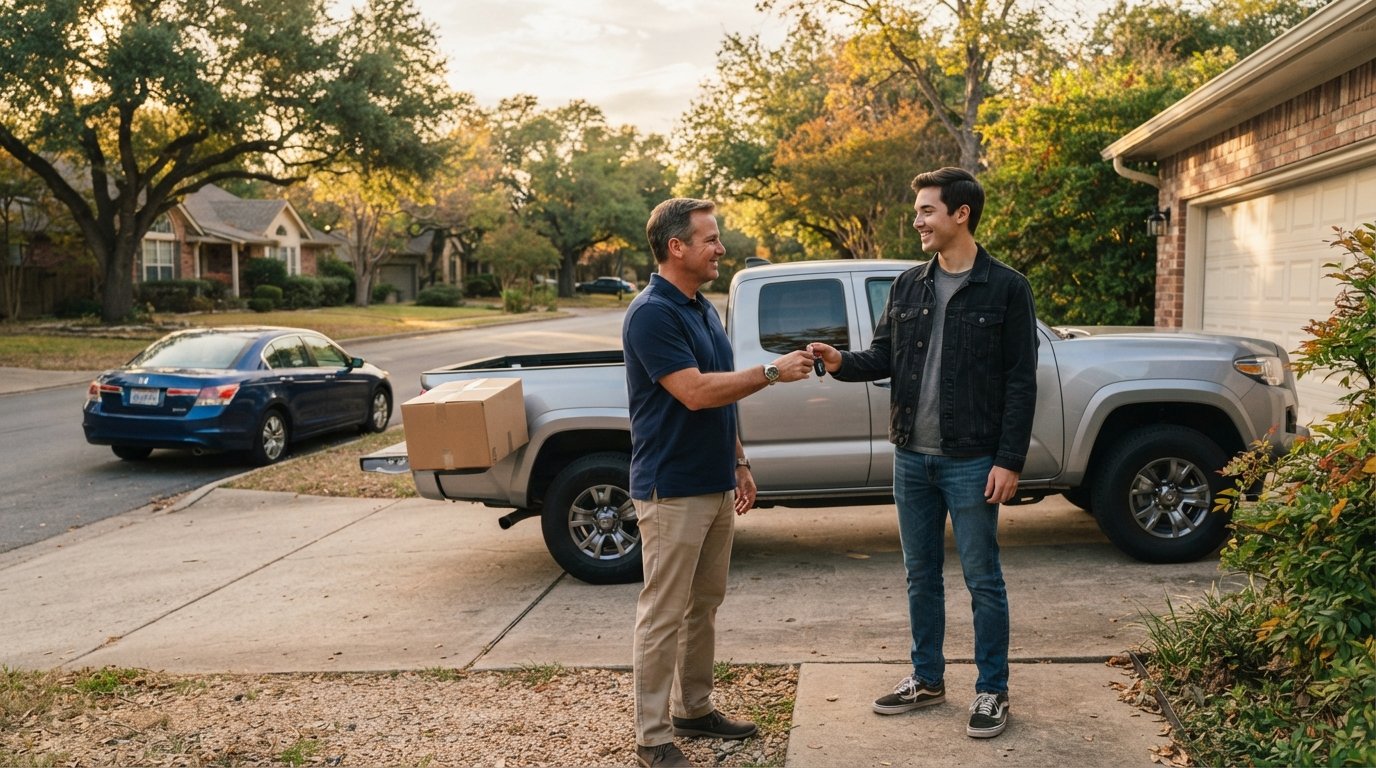
Your neighbor needs to borrow your pickup for a weekend move. A college student is home for winter break and wants to drive the family sedan. You just sold your car and need to deliver it to the buyer across the state. Or you are renting a vehicle for a two week road trip and want more protection than the rental counter offers. In each of these moments, a standard six month auto policy feels like overkill. That is exactly the gap that temporary car insurance for short term needs explained fills, and understanding how it works can save you real money while keeping you legally covered.
Short term car insurance is a real product category, but it is not sold the same way as a traditional policy. It comes in several forms, each designed for a different situation, and the rules vary by state, by insurer, and by how long you actually need coverage. This guide walks through what temporary coverage is, who offers it, what it costs, how to buy it, and where the common traps are hiding. By the end, you will know whether you need a one day policy, a named non owner policy, or simply a phone call to your existing insurer.
What Temporary Car Insurance Actually Is
Temporary car insurance, sometimes called short term car insurance or one day car insurance, is a policy that provides liability and sometimes physical damage coverage for a defined period, usually between one day and thirty days. Unlike a standard auto policy that runs for six or twelve months, a temporary policy starts and ends on specific dates you choose. It exists because traditional insurers built their business around annual customers, and they did not want to write policies that could be canceled two days later.
The coverage inside a short term policy mirrors what you would find in a standard policy, just compressed into a smaller window. You will typically see bodily injury liability, property damage liability, and in many cases collision and comprehensive coverage. Some temporary policies also include medical payments or personal injury protection, depending on the state. What you almost never see is the long list of endorsements and add-ons that come with a full annual policy, because the whole point is simplicity.
It helps to think of temporary coverage as a bridge. It bridges the gap between not needing insurance and needing it right now. It bridges the gap between owning a car and borrowing one. It bridges the gap between a rental car counter and your own driveway. Once you understand that role, the rest of the details fall into place.
Who Needs Short Term Coverage and Why
The demand for temporary car insurance has grown steadily as more people share vehicles, rent cars, and move between cities. Several distinct groups drive that demand, and each has slightly different needs.
- Borrowers and lenders: If you lend your car to a friend or relative for a few days, their own policy may or may not extend to your vehicle. A short term policy removes the guesswork.
- Rental car drivers: Rental companies sell damage waivers at the counter, but those waivers are not insurance. A temporary policy can provide actual liability coverage at a lower cost.
- New car owners: When you buy a vehicle on a weekend and your insurer is closed, a one day or three day policy keeps you legal until the permanent policy starts.
- Students home on break: A college student who does not own a car may need coverage for a few weeks while driving the family vehicle.
- Drivers between policies: If you are switching carriers or waiting for a new policy to take effect, short term coverage prevents a lapse.
Each of these situations has a common thread: the need is real, the duration is short, and the cost of a full six month policy cannot be justified. That is why temporary coverage exists, and why it has become a practical tool rather than a niche product.
It is also worth noting who does not need temporary coverage. If you already have a standard auto policy with comprehensive and collision, your coverage usually extends to a rental car or a borrowed vehicle, subject to your deductible and policy limits. In that case, buying a separate short term policy would be redundant. The key is to check your existing policy before you spend money on a second one.
How Temporary Car Insurance Differs From Standard Policies
The biggest difference is duration, but that is not the only one. Standard auto policies are underwritten with the assumption that you will be a customer for at least six months. Temporary policies are underwritten with the assumption that you will disappear in a few days. That changes how insurers price them, how they verify your information, and how they handle claims.
Pricing is the most visible difference. A six month policy spreads administrative costs across many months, so the daily cost is relatively low. A three day policy has to cover the same administrative costs in a much shorter window, so the daily rate is higher. You are paying for convenience and speed, not for a discount. That said, the total out of pocket for three days is still far less than the total for six months.
Underwriting is another difference. Many temporary policies are issued with minimal verification. The insurer may not pull your full driving record or credit history before issuing the policy. That speed is a feature, but it also means the insurer may cancel the policy after the fact if it discovers something you did not disclose. Always answer questions honestly, even on a short term application.
Claims handling also differs. Because the policy period is so short, claims are usually straightforward. If an accident happens on day two of a three day policy, there is no debate about whether the coverage was active. The main question is whether the loss falls within the covered perils and limits. That simplicity works in your favor as long as you understand what you bought.
Types of Short Term Policies You Can Buy
Not all temporary coverage is the same. There are at least four distinct products that fall under the short term umbrella, and choosing the wrong one can leave you exposed. Here is how they break down.
One Day and Multi Day Policies
These are the purest form of temporary car insurance. You specify a start date and an end date, pay a single premium, and receive a policy that covers you for that window. Some insurers offer one day policies, while others require a minimum of three or seven days. The coverage is usually liability only, though some carriers add collision and comprehensive for an extra fee. These policies are ideal for borrowing a car, test driving a vehicle you plan to buy, or covering a short rental period.
Named Non Owner Policies
A named non owner policy covers you when you drive a car you do not own. It does not cover the car itself, only your liability for injuring someone or damaging property. These policies typically run for six months or a year, but some insurers offer shorter terms. They are a good fit for people who rent cars frequently, drive borrowed vehicles often, or live in a city without owning a car but still drive occasionally.
Rental Car Insurance Add Ons
Some traditional insurers sell a temporary endorsement that extends your existing policy to a rental car for a specific number of days. This is not a standalone policy, but it functions like one. You keep your regular coverage and simply add the rental vehicle to it for the duration of your trip. The cost is usually lower than a standalone temporary policy because you are only paying for the additional risk, not for a whole new policy.
Non Owner SR 22 Policies
Drivers who need to file an SR 22 form after a violation or license suspension often cannot get a standard policy. Some insurers offer short term non owner policies that satisfy SR 22 requirements for a limited period. These are more expensive and harder to find, but they exist for drivers who need to reinstate their license quickly.
Understanding which category fits your situation is the single most important step in buying temporary coverage. A one day policy will not help you if you need a month of coverage, and a named non owner policy will not protect a car you own. Match the product to the need before you shop.
What Temporary Car Insurance Costs
Costs vary widely based on where you live, how long you need coverage, what vehicle you are driving, and what coverage limits you choose. That said, some general patterns hold true across the market.
A one day liability only policy might cost anywhere from $20 to $60. A three day policy might run $40 to $120. A seven day policy might cost $70 to $200. A thirty day policy could range from $150 to $500 or more. These are rough ranges, not quotes, and your actual price will depend on your driving record, your age, and the state you live in.
Several factors push the price up or down. Younger drivers pay more. Drivers with accidents or violations pay more. High value vehicles cost more to insure for collision and comprehensive. States with expensive litigation environments, like California and New York, tend to have higher rates. States with fewer insurers offering temporary policies may also have higher prices because there is less competition.
One counterintuitive point: a temporary policy is not always cheaper than a standard policy for the same number of days. If you need coverage for thirty days, a standard six month policy might actually cost less per day, and you can cancel it after thirty days for a partial refund. Run the numbers both ways before you decide. The goal is not to buy temporary coverage for its own sake, but to buy the coverage that fits your situation at the lowest total cost.
How to Buy Temporary Car Insurance Step by Step
Buying short term coverage is faster than buying a standard policy, but it still requires preparation. Follow these steps to avoid delays and surprises.
- Confirm you actually need it. Call your current insurer and ask whether your existing policy extends to the vehicle you plan to drive. If it does, you may not need a separate policy at all.
- Decide on coverage type and limits. Liability only is the minimum. If the vehicle is valuable or you cannot afford to replace it, add collision and comprehensive. Choose limits that at least meet your state minimums, and consider higher limits if you have assets to protect.
- Gather your information. You will need your driver license number, the vehicle identification number, the dates you need coverage, and payment information. Some insurers also ask for your current insurance history.
- Compare quotes from multiple sources. Temporary policies are not sold by every insurer, so you may need to check several. Using a comparison platform can save time because it aggregates options in one place.
- Review the policy before you pay. Check the effective dates, the coverage limits, the exclusions, and the cancellation rules. Make sure the policy starts when you need it and ends when you expect it to.
- Save your proof of insurance. Download the ID card or save the email confirmation. You may need to show it if you are stopped by police or if you get into an accident.
If you are shopping for coverage in a specific state, it helps to see how rates and rules differ locally. For example, drivers comparing options in the Lone Star State can review auto insurance quotes in Texas to understand how temporary and standard policies stack up against each other. The same logic applies in every state: compare before you commit.
One more tip: buy your temporary policy before you need it, not after. If you wait until the day you pick up the rental car, you may run out of time to compare options and end up paying whatever the rental counter offers. A little planning goes a long way.
Common Pitfalls and How to Avoid Them
Temporary car insurance is simple on the surface, but there are several traps that catch unprepared buyers. Knowing them in advance can save you money and frustration.
- Assuming the rental counter waiver is insurance. It is not. A damage waiver shifts responsibility for damage to the rental company, but it does not provide liability coverage if you injure someone else.
- Buying coverage you already have. Many standard policies extend to rental cars and borrowed vehicles. Check before you buy a second policy.
- Choosing the cheapest liability limits. State minimums are often too low to cover a serious accident. If you have assets, buy higher limits.
- Missing the effective dates. A policy that starts at midnight may not cover you if you pick up the car the evening before. Read the fine print.
- Failing to disclose a young driver. If a teenage driver will be behind the wheel, tell the insurer. Nondisclosure can void the policy.
Another common mistake is buying a temporary policy when a standard policy would cost less. If you need coverage for more than a few weeks, run quotes for both options. You may find that a six month policy with a planned cancellation is cheaper than thirty days of temporary coverage. The math depends on your state and your driving record, but it is always worth checking.
Finally, do not overlook the value of guidance. If you are unsure which type of policy fits your situation, independent resources like NewAutoInsurance can help you understand coverage options and compare approaches before you commit. The more you know, the better your decision will be.
State Rules and Why They Matter
Temporary car insurance is regulated at the state level, which means the product available in California may not exist in the same form in Texas or New York. Some states require insurers to offer short term policies. Others allow insurers to decline. Some states have minimum coverage requirements that apply to all policies, including temporary ones. Others have no fault systems that change how claims are handled.
Before you buy, check your state department of insurance website or ask a licensed agent about the rules in your state. Pay attention to minimum liability limits, whether proof of insurance is required at the time of registration, and whether temporary policies satisfy state financial responsibility laws. In most cases they do, but the details matter.
If you are moving between states or buying a car in a different state from where you live, the rules can get complicated. A temporary policy issued in one state may not satisfy the requirements of another. When in doubt, buy coverage in the state where the vehicle will be registered and driven.
It also helps to understand how insurers view short term policies. Some treat them as a stepping stone to a full policy and will offer a discount if you convert. Others treat them as a standalone product with no path to renewal. Ask about conversion options before you buy, especially if there is a chance you will need longer coverage later.
Frequently Asked Questions About Temporary Coverage
Even with a solid understanding of the basics, readers often have specific questions. Here are answers to the most common ones.
Can I get temporary car insurance for one day? In many states, yes. Some insurers offer one day policies, while others require a minimum of three or seven days. Availability varies by state and carrier.
Does temporary insurance cover accidents? Yes, if the accident falls within the coverage you purchased. Liability coverage pays for damage you cause to others. Collision and comprehensive, if included, pay for damage to the vehicle you are driving.
Can I buy temporary insurance if I do not own a car? Yes. A named non owner policy is designed for exactly that situation. It covers you when you drive a car you do not own.
Is temporary insurance cheaper than a standard policy? Not always. For very short periods, it usually is. For longer periods, a standard policy may cost less per day. Compare both before you decide.
What happens if I need to cancel? Cancellation rules vary. Some temporary policies are non refundable. Others refund a portion of the premium if you cancel before the coverage period begins. Read the terms before you pay.
These questions come up again and again because temporary coverage sits at the intersection of convenience and confusion. The more you understand the product, the less likely you are to overpay or end up uninsured.
Making the Right Choice for Your Situation
Temporary car insurance for short term needs explained comes down to one core idea: match the coverage to the moment. If you need protection for a weekend, buy a weekend policy. If you need it for a month, compare a temporary policy against a standard one and choose the cheaper total cost. If you already have coverage that extends to the vehicle you plan to drive, save your money and use what you have.
The market for short term coverage has matured in recent years, and more insurers now offer products designed for drivers who need flexibility. That is good news for consumers, because competition tends to lower prices and improve service. But it also means you have more choices to evaluate, and more opportunities to make a mistake if you shop carelessly.
Take the time to understand your state rules, your existing coverage, and the specific product you are considering. Compare quotes from multiple sources, read the fine print, and ask questions before you pay. Do that, and temporary car insurance becomes what it was always meant to be: a simple, affordable tool for a short term need, not a source of stress or surprise.