The auto insurance industry is undergoing a rapid transformation as we approach 2026. Shifts in driving behavior, advances in vehicle technology, and evolving consumer expectations are reshaping how insurers price policies and how drivers shop for coverage. For the average driver, understanding these changes is not just interesting, it is essential for finding affordable rates and avoiding coverage gaps. At Free Auto Insurance Quotes Online, we track these developments closely to help you make informed decisions. Let us explore the key auto insurance market trends for 2026 and what they mean for your wallet.
Usage-Based Insurance Goes Mainstream
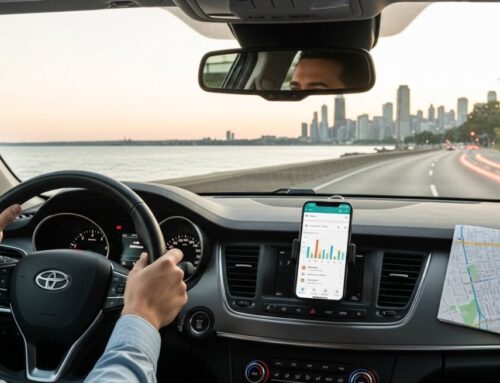
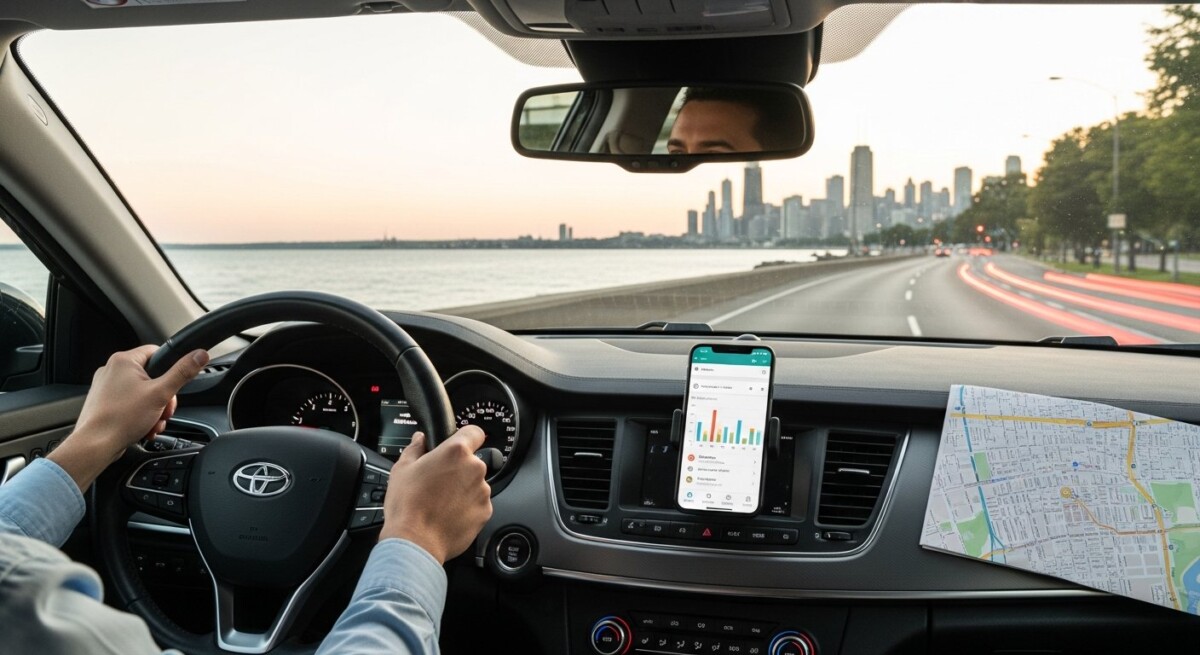
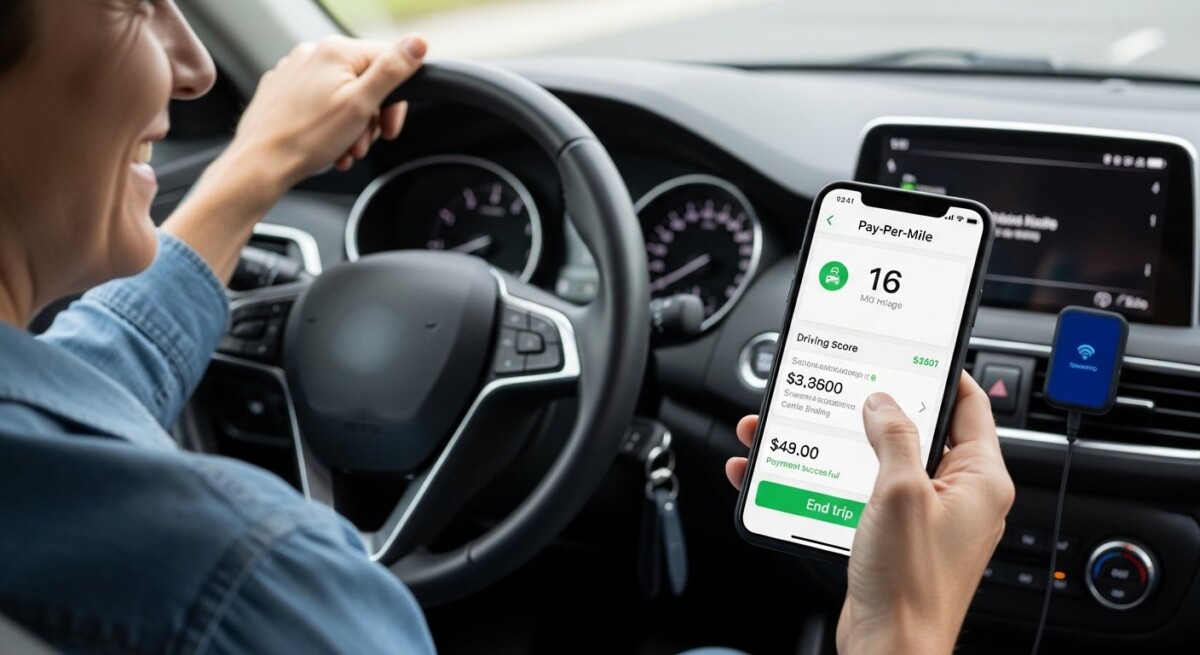
One of the most significant auto insurance market trends for 2026 is the widespread adoption of usage-based insurance (UBI). Telematics devices and smartphone apps now allow insurers to monitor driving behavior in real time. Factors such as mileage, braking patterns, speed, and time of day are used to calculate premiums. This shift from demographic-based pricing to behavior-based pricing rewards safe drivers with lower rates.
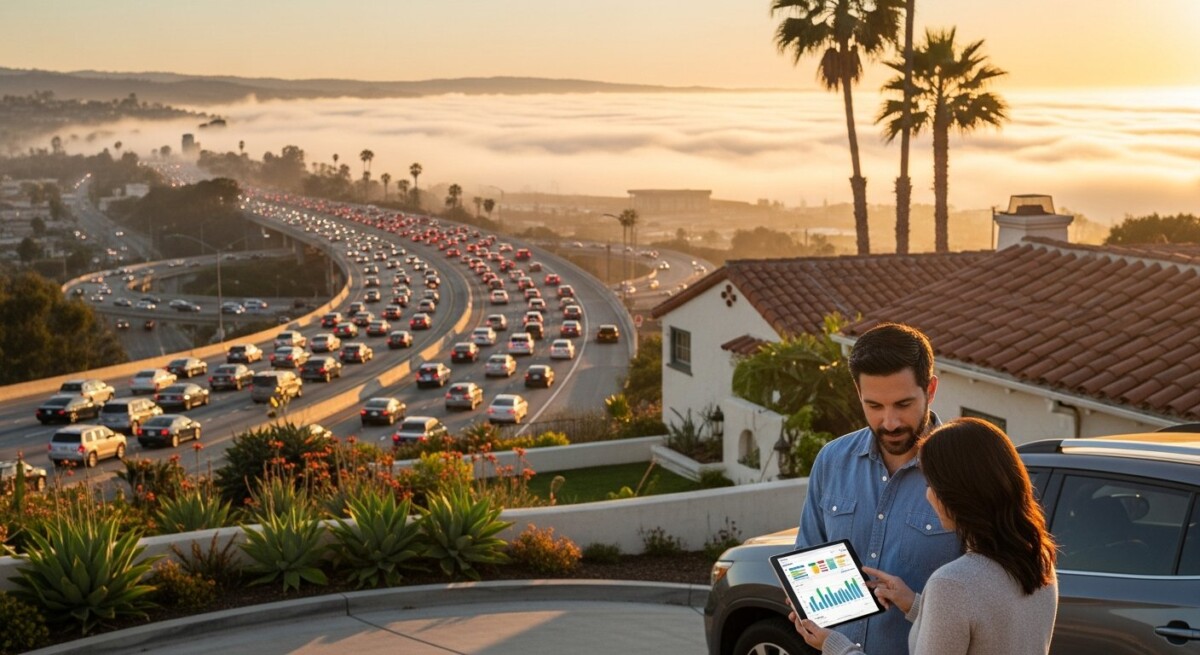
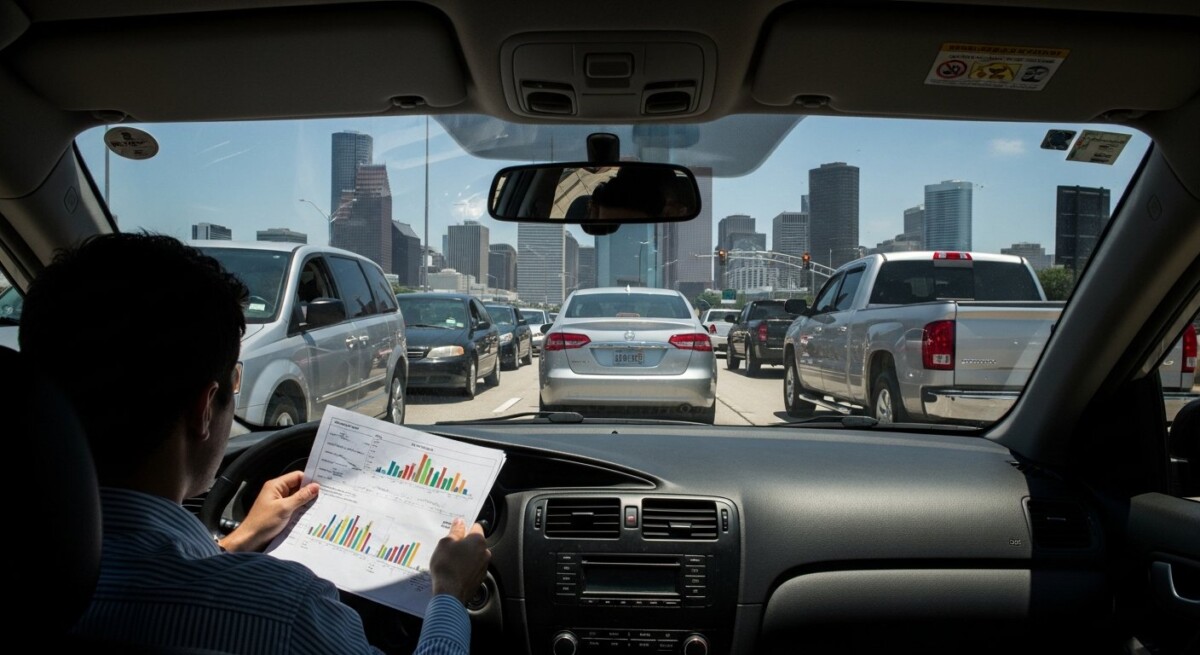
For example, a driver who commutes 10 miles daily on low-traffic roads may pay significantly less than a driver with the same age and credit score who drives 50 miles in heavy traffic. In 2026, more carriers are expected to offer pay-per-mile or pay-how-you-drive policies. According to industry forecasts, nearly 40% of new auto policies will include some telematics component by the end of the year. This trend empowers consumers to take control of their rates through safe driving habits. For those new to UBI, our 2026 Auto Insurance Guide for First-Time Buyers explains how these policies work and how to qualify for the best discounts.
Electric and Autonomous Vehicles Reshape Risk Profiles
The growing number of electric vehicles (EVs) and the slow but steady rollout of autonomous driving features are fundamentally changing risk assessment. EVs have different repair costs, battery fire risks, and maintenance requirements compared to traditional internal combustion engine vehicles. Insurers are adjusting their models to account for these factors, which often results in higher premiums for EVs despite their safety features.
Meanwhile, vehicles equipped with Level 2 and Level 3 autonomous features (such as Tesla Autopilot or GM Super Cruise) reduce human error, which is responsible for over 90% of crashes. However, the high cost of repairing sensor arrays, cameras, and LiDAR systems offsets some of the safety gains. In 2026, insurers are expected to offer specific discounts for vehicles with advanced driver-assistance systems while also introducing surcharges for models with expensive repair histories. If you drive an EV or a semi-autonomous vehicle, it pays to compare quotes from multiple carriers to find a policy that reflects your vehicle’s actual risk profile.
Rising Repair Costs and Inflation Pressure Premiums
Inflation and supply chain disruptions continue to drive up the cost of auto repairs and replacement parts. In 2026, the average cost of a comprehensive claim is projected to rise by another 8% to 10%. This directly impacts premiums, as insurers must account for higher payouts. Labor shortages in the auto repair industry, particularly for specialized EV technicians, further compound the issue.
Drivers can mitigate these cost increases by taking advantage of available discounts. For instance, bundling auto and home insurance, maintaining a clean driving record, and installing anti-theft devices can reduce your premium by 15% to 30%. To explore the full range of savings opportunities, review our list of the 7 Best Auto Insurance Discounts for 2026 Drivers. These strategies are especially valuable in high-cost states like Florida and California, where rate hikes have been steepest.
AI and Big Data Revolutionize Underwriting
Artificial intelligence (AI) and big data analytics are enabling insurers to assess risk with unprecedented granularity. In 2026, underwriters are using machine learning models that analyze thousands of data points, including credit history, social media activity, and even shopping habits, to predict claim likelihood. While this can lead to more accurate pricing, it also raises concerns about privacy and fairness.
On the positive side, AI-powered chatbots and virtual assistants are improving customer service, allowing policyholders to file claims, update coverage, and ask questions 24/7. For example, after a minor fender bender, you can submit photos through an app and receive an instant estimate without speaking to an adjuster. This reduces processing time from days to minutes. As AI tools become more sophisticated, consumers who embrace digital self-service tools may see faster claim resolutions and lower administrative costs passed on as savings.
Climate Change and Catastrophe Modeling
Extreme weather events are becoming more frequent and severe, directly affecting auto insurance rates. Hurricanes, hailstorms, wildfires, and floods cause billions of dollars in vehicle damage annually. In 2026, insurers are incorporating climate risk models into their pricing algorithms, leading to rate increases in high-risk regions such as the Gulf Coast, the Southwest, and parts of the Midwest.
If you live in an area prone to natural disasters, consider adding comprehensive coverage if you have not already. Comprehensive insurance covers damage from hail, falling objects, floods, and fire. While it adds to your premium, it can save you thousands in out-of-pocket costs after a storm. Use our comparison tools to weigh the cost of comprehensive coverage against the likelihood of weather-related claims in your zip code.
Personalized Policies and On-Demand Coverage
Consumers increasingly expect customization in their insurance products, and auto insurance market trends for 2026 reflect this demand. Insurers are offering modular policies where drivers can pick and cover specific risks rather than buying a one-size-fits-all package. For instance, a gig economy driver who uses their car for food delivery may purchase additional liability coverage for commercial use only during delivery hours.
On-demand insurance is another emerging trend. Some startups now allow drivers to activate coverage by the hour or day through a smartphone app. This is ideal for occasional drivers, car-sharing users, or those who let a friend borrow their vehicle temporarily. While still niche, on-demand policies are expected to grow 25% year-over-year through 2026. For most drivers, however, a traditional annual policy with tailored add-ons remains the most cost-effective option. Compare quotes to find a provider that offers the flexibility you need.
Regulatory Changes and State-Specific Shifts
State insurance departments are responding to market pressures with new regulations. In 2026, several states are considering or have already implemented rules that limit the use of non-driving factors in pricing, such as credit scores, education, and occupation. These changes aim to reduce bias and make insurance more accessible for low-income drivers.
For example, California already restricts the use of credit history in auto insurance pricing. Other states like Michigan and New York are updating their no-fault insurance systems to reduce fraud and stabilize premiums. If you live in a state with regulatory changes, it is wise to review your policy annually. Our state-specific guides, such as the 7 Best Auto Insurance Providers in Miami for 2026, can help you navigate local requirements and find carriers that comply with new laws while offering competitive rates.
Cybersecurity and Connected Car Risks
Modern vehicles are increasingly connected to the internet via infotainment systems, GPS, and telematics. This connectivity introduces cybersecurity risks. Hackers could potentially disable a vehicle, steal personal data, or even take control of driving functions. In response, some insurers are beginning to offer standalone cyber coverage for vehicles, similar to home cyber insurance.
In 2026, about 15% of auto insurers now include limited cyber protection as part of their comprehensive policies, with more expected to follow. If you own a connected car, ask your agent whether your policy covers losses from a cyber incident. This is especially important for owners of luxury EVs that rely heavily on software. As this coverage evolves, staying informed will help you avoid gaps that could leave you vulnerable.
Consumer Behavior: Digital-First Comparison Shopping
Finally, how consumers shop for auto insurance is changing. In 2026, over 70% of drivers start their search online, and most compare at least three quotes before purchasing. The days of calling a single agent and accepting their first quote are fading. Consumers are using comparison platforms like Free Auto Insurance Quotes Online to evaluate rates from multiple carriers side by side.
To get the best deal, gather quotes from at least five carriers, check for discounts you may have missed, and review your coverage limits annually. Life changes such as moving, getting married, or adding a teen driver can significantly affect your rates. For a deeper dive into what influences your premium, read our article on 7 Factors That Determine Auto Insurance Rates in 2026. Understanding these factors puts you in control of your insurance costs.
Frequently Asked Questions
Will auto insurance rates go down in 2026?
Rates are expected to stabilize but not decrease significantly in most states. Inflation and rising repair costs continue to push premiums upward. However, safe drivers who use telematics programs and bundle policies may see lower rates compared to peers who do not.
How can I lower my auto insurance premium in 2026?
Shop around for quotes annually, maintain a clean driving record, increase your deductible, and ask about discounts for safe driving, low mileage, and vehicle safety features. Using a comparison platform like ours can help you identify the most affordable options quickly.
Are usage-based insurance policies safe for my privacy?
Most insurers encrypt telematics data and do not share it with third parties without your consent. Review the privacy policy of any UBI program before enrolling. You can often opt out after a set period if you are uncomfortable with the data collection.
What is the most important coverage to add in 2026?
Comprehensive coverage is increasingly important due to extreme weather and theft rates. Uninsured/underinsured motorist coverage is also critical, as one in eight drivers remains uninsured. Both coverages offer essential protection at a relatively low cost.
The auto insurance landscape in 2026 is defined by technology, personalization, and rising costs. By staying informed about these trends, you can make smarter choices that protect both your vehicle and your budget. At Free Auto Insurance Quotes Online, we are here to help you compare rates, understand your options, and find coverage that fits your life. Start your quote today and see how much you could save.