
Understanding Comprehensive Car Insurance and What It Covers
Comprehensive auto insurance protects your vehicle from unexpected damage like theft, hail, and animal collisions. It is a critical safeguard for your financial investment in your car.

By Jacob Martinez
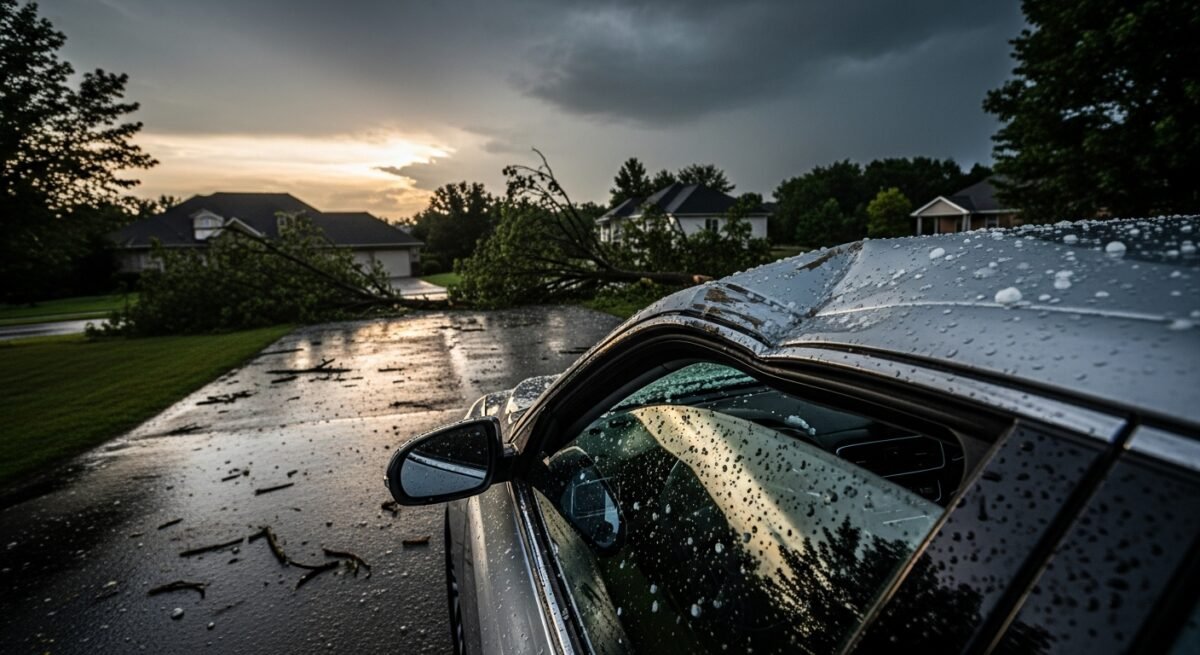
You diligently pay your auto insurance premium every month, confident you’re protected. But what happens when a massive hailstorm leaves your car’s roof looking like a golf ball, or a deer darts in front of your vehicle on a dark road? These incidents are not collisions with another car, so your standard liability coverage won’t help. This is where understanding what is comprehensive auto insurance becomes critical. It’s the financial safety net for the unpredictable, non-collision disasters that can turn your vehicle into a costly repair bill overnight. Far from being an obscure add-on, comprehensive coverage is a cornerstone of full financial protection for your automobile, safeguarding your investment from a wide array of threats you cannot control.
The Core Definition and Purpose of Comprehensive Coverage
Comprehensive auto insurance, often called “other than collision” coverage, is a specific type of optional protection that pays for damage to your own vehicle caused by events that are typically outside of your direct control while driving. Its fundamental purpose is to cover losses from physical damage that do not result from a crash with another vehicle or object. While state laws mandate liability insurance to cover injuries and damage you cause to others, comprehensive coverage is about protecting your own asset. It operates on the principle of fortuitous events, sudden and accidental occurrences that are not predictable. When you file a comprehensive claim, you are responsible for paying your chosen deductible, and your insurer covers the remaining repair or replacement costs up to the vehicle’s actual cash value. This coverage is especially vital for newer, leased, or financed cars, where a single unexpected event could result in a significant financial setback that you would otherwise bear alone.
What Does Comprehensive Auto Insurance Actually Cover?
The scope of comprehensive insurance is broad, designed to address the myriad of non-collision perils a vehicle can face. Policies are generally all-risk for these specified perils, meaning they cover all causes of loss except those explicitly excluded in the contract language. The most common and significant covered events include several key categories. Theft is a primary concern, covering not just the entire vehicle if stolen, but often items taken from inside it. Vandalism and malicious mischief, such as keyed paint, slashed tires, or broken windows, are also covered. Weather-related damage is a major component, encompassing hail, which can cause extensive body damage, flooding and water damage from rising waters, and damage from falling objects like tree limbs or debris in a windstorm. Fire damage, whether from wildfires, electrical faults, or arson, is included. Furthermore, collisions with animals, most commonly deer, are a frequent and costly claim under comprehensive policies. It’s important to review your specific policy details, as some insurers may offer slight variations or optional endorsements for additional specific threats.
Common Exclusions: What Isn’t Covered
While comprehensive coverage is wide-ranging, it is not a catch-all policy for every imaginable type of damage. Understanding the exclusions is just as important as knowing what’s covered. Typically, mechanical failure or breakdown from wear and tear is excluded, as this is considered a maintenance issue. Damage from a collision with another car or a stationary object like a guardrail or tree is handled by your collision coverage, not comprehensive. Personal belongings left inside the car, such as laptops, phones, or sports equipment, are usually not covered under the auto policy, they may be covered under a homeowner’s or renter’s policy. Custom parts and equipment not factory-installed often require a separate endorsement. Furthermore, damage intentionally caused by the policyholder, or losses occurring while the vehicle is used for ride-sharing or commercial delivery without proper endorsements, are excluded. For a complete picture of your financial responsibility in an accident, you should understand how liability and comprehensive interplay, which is explored in our breakdown of liability only auto insurance.
Comprehensive vs. Collision: Knowing the Critical Difference
New drivers often confuse comprehensive and collision coverage, but the distinction is simple and crucial for filing correct claims. Collision insurance covers damage to your car resulting from an impact with another vehicle or object, or from your car flipping over. It applies when you are at fault in an accident or in a hit-and-run. Comprehensive covers nearly everything else that happens to your car while it is stationary or in motion that isn’t a collision. A helpful way to remember: collision involves something you (or another driver) hit. Comprehensive involves something that hits your car (like hail or a falling branch) or something that happens to it (like theft or fire). Most policies require you to carry both if you want full physical damage protection, often bundled together. When assessing your total coverage needs, knowing this difference helps you accurately evaluate different providers, a process made easier by services like those detailed in our Insurify auto insurance review.
Is Comprehensive Coverage Required and Who Needs It Most?
No state law requires drivers to purchase comprehensive auto insurance. The legal minimum is always liability coverage. However, if you have a loan or lease on your vehicle, your lender or leasing company will almost certainly require you to carry both comprehensive and collision coverage. This protects their financial interest in the asset until you own it outright. For drivers who own their cars free and clear, the decision is personal and financial. You should strongly consider comprehensive coverage if your vehicle is new or has a high market value, as the cost to repair or replace it from a comprehensive loss would be substantial. If you live in an area prone to specific risks like severe hail, wildfires, frequent flooding, or high rates of vehicle theft or vandalism, the coverage becomes highly advisable. Conversely, if your car is older and has a low actual cash value, the cost of the premium plus the deductible may approach or exceed the car’s worth, making the coverage less economically sensible.
Cost Factors and How Premiums Are Determined
The cost of comprehensive coverage varies significantly based on several rating factors insurers use to assess risk. Your vehicle’s actual cash value (ACV) is paramount, a newer, more expensive car costs more to repair or replace. Your chosen deductible has a direct inverse relationship with your premium: a higher deductible (e.g., $1,000) lowers your monthly cost, while a lower deductible (e.g., $100) raises it. Your geographic location heavily influences rates due to local risk factors like crime statistics for theft and vandalism, and the frequency of weather events like hail or hurricanes. Your personal driving record, while less directly tied to comprehensive claims than collision, can still affect your overall policy pricing. Typically, comprehensive coverage is less expensive than collision coverage because the claims are generally less frequent and severe. To balance cost and protection, it’s wise to get quotes from multiple carriers, a strategy central to finding the best auto insurance companies for your needs.
Filing a Comprehensive Claim: The Step-by-Step Process
When a covered comprehensive event occurs, following the correct steps ensures a smoother claims process. First, ensure safety and mitigate further damage if possible, such as moving the car to a safe location or covering a broken window, but avoid making permanent repairs. Immediately contact local authorities if required, such as in cases of theft, vandalism, or a deer collision that creates a traffic hazard. Notify your insurance company as soon as practicable to report the loss. Document everything thoroughly: take clear, date-stamped photos of the damage from multiple angles, and if applicable, the scene (like fallen tree branches or flood water lines). Obtain a copy of any police or incident report. Your insurer will assign an adjuster to assess the damage, often through an in-person inspection or by reviewing photos and estimates from a preferred repair shop. You will pay your deductible directly to the repair facility when the work is completed, and your insurer will pay the remainder. For a deeper dive into the claims and comparison process, you can Read full article on related topics.
Frequently Asked Questions
Does a comprehensive claim raise my insurance rates? It can, but not always as severely as an at-fault collision claim. Since comprehensive claims are often for events outside your control, some insurers are more forgiving. However, frequent comprehensive claims may label you as high-risk.
Is hitting an animal always a comprehensive claim? Generally, yes. Collisions with animals like deer, birds, or rodents are almost always covered under comprehensive, not collision. The key is that the animal is wild, hitting a domestic animal may involve different liability considerations.
Does comprehensive cover a cracked windshield? Yes, windshield damage is a very common comprehensive claim. Many insurers even offer full glass coverage endorsements that waive the deductible for windshield repair or replacement.
Can I choose my own repair shop with a comprehensive claim? In most states, you have the right to choose the auto body shop that repairs your vehicle. However, your insurer may have a network of preferred shops that offer guarantees on the work and can streamline the process.
What if my car is totaled in a comprehensive event? If the cost to repair your car exceeds a certain percentage of its actual cash value (often 70-80%), the insurer will declare it a total loss. They will pay you the ACV of the vehicle, minus your deductible, and take possession of the salvage.
Ultimately, comprehensive auto insurance is a strategic financial decision about risk management. It provides peace of mind against life’s unpredictable events, transforming a potential financial catastrophe into a manageable deductible payment. By carefully evaluating your vehicle’s value, your local risk environment, and your personal financial tolerance, you can make an informed choice on whether this layer of protection is a necessary part of your automotive safety net.