
Water Damage and Flood Title Car Insurance Claims Explained
Understand water damage and flood title car insurance claims explained, from coverage to resale. Call (833)-275-7533 for expert guidance.

By Lucas Bennett
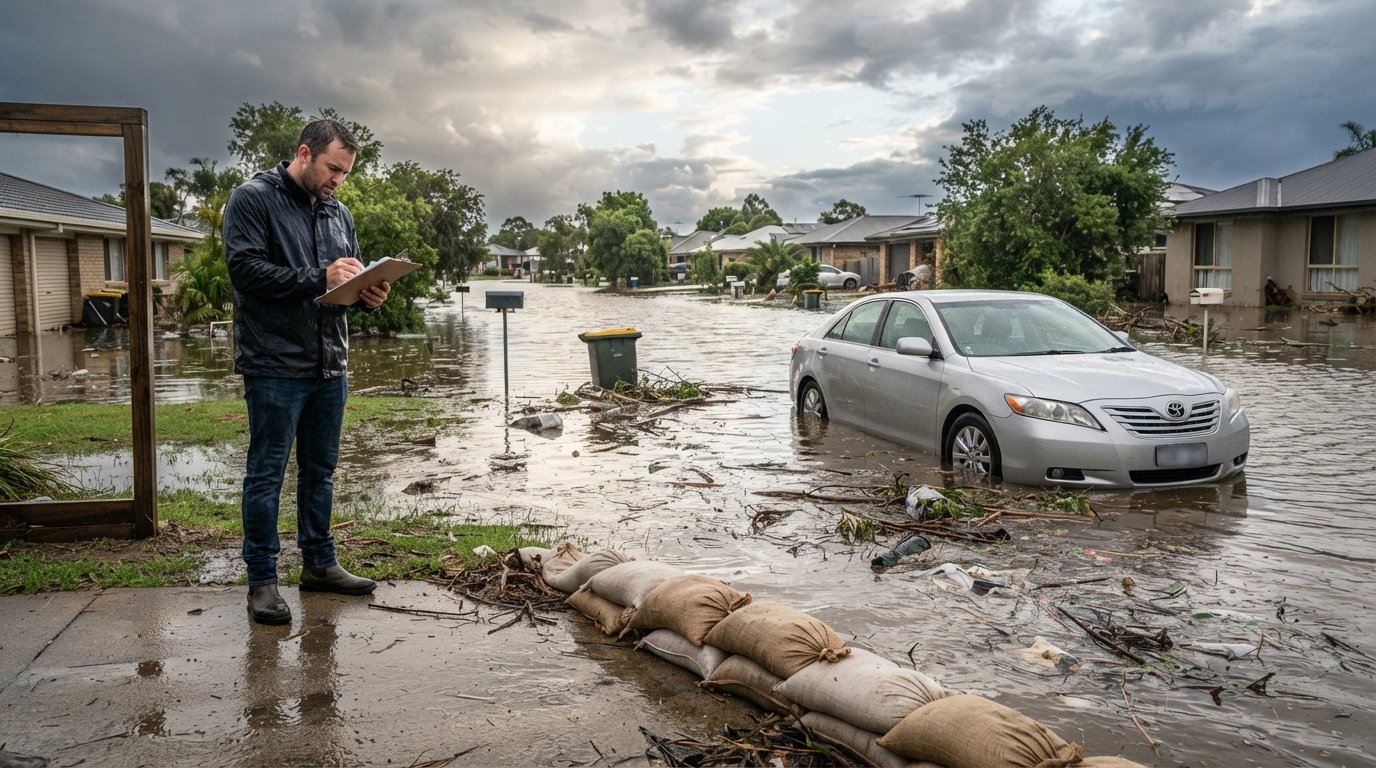
When a storm surge, flash flood, or burst pipe leaves your car sitting in water, the damage can feel overwhelming. You are not just dealing with a soggy interior; you are facing a complex insurance process that determines whether your vehicle is repaired, totaled, or branded with a flood title. Understanding how water damage and flood title car insurance claims work is critical to protecting your financial interests and getting back on the road safely. This guide breaks down the coverage rules, the claims timeline, and the long-term consequences of a flood-branded vehicle so you can make informed decisions under pressure.
Does Comprehensive Coverage Pay for Flood Damage?
The short answer is yes, but only if you carry comprehensive coverage on your policy. Flood damage is specifically classified as a weather-related event, and it falls under the comprehensive portion of an auto insurance policy, not collision. Comprehensive coverage is optional in most states, but it is required by lenders if you are leasing or financing a vehicle. If you only carry liability insurance, your policy will not pay for water damage to your own car, regardless of how the flooding occurred.
It is important to distinguish between different types of water intrusion. Rising water from a hurricane, river overflow, or heavy rain is typically covered. However, if you deliberately drove your car into a flooded road and the engine hydro-locked, the claim may be scrutinized or denied depending on your policy language and the adjuster's findings. Some insurers may argue that driving into standing water constitutes negligence, though many still pay for the damage under comprehensive coverage. Always review your declarations page to confirm your deductible and coverage limits before filing a claim.
If you are unsure whether your current policy includes comprehensive coverage, now is the time to check. Comparing quotes from multiple carriers can help you secure this protection at a competitive rate. Platforms like Free Auto Insurance Quotes Online allow you to compare personalized quotes from licensed agents without obligation, ensuring you understand exactly what your policy covers before the next storm hits.
How Insurers Decide Between Repair and Total Loss
Once you file a claim, the insurance adjuster will inspect your vehicle to determine the extent of the damage. The decision between repairing the car and declaring it a total loss hinges on the cost of repairs relative to the vehicle's actual cash value (ACV). Each state has a total loss threshold, typically expressed as a percentage of the car's value. For example, if repairs exceed 70 to 80 percent of the ACV, the insurer will likely declare the vehicle a total loss.
Water damage is particularly tricky because the visible damage is often just the tip of the iceberg. An adjuster will check for:
- Engine and transmission damage from water ingestion
- Electrical system corrosion and short circuits
- Mold and mildew in the carpet, upholstery, and ventilation system
- Structural rust in the frame and undercarriage
- Airbag and safety system sensor failures
Even if the car starts and runs after a flood, hidden corrosion can cause failures months later. Insurers know this, which is why they often lean toward totaling flood-damaged vehicles to avoid future liability. If your car is declared a total loss, the insurer will pay you the ACV minus your deductible. You may have the option to buy back the salvage vehicle, but be aware that doing so often results in a flood title and significant safety risks.
What a Flood Title Means for Resale and Future Insurability
A flood title, also known as a salvage title or branded title, is a permanent mark on your vehicle's history. When an insurer declares a car a total loss due to flooding, the state motor vehicle department is notified, and the title is branded accordingly. This branding stays with the vehicle forever, even if it is repaired and passes inspection. A flood title dramatically reduces the car's resale value, often by 50 percent or more, because buyers know that water damage can lead to ongoing electrical and structural problems.
Future insurability is also a major concern. Many insurance companies will refuse to offer comprehensive or collision coverage on a vehicle with a flood title. Some may offer liability-only policies, but they will not pay for any water-related damage that occurs later. If you are considering buying a used car, always run a vehicle history report and have a mechanic inspect for signs of flooding, such as musty odors, foggy headlights, or rust in unusual places. Purchasing a flood-titled vehicle without full disclosure is a financial risk that can cost you thousands in repairs and resale losses.
For drivers who already own a flood-titled car, finding affordable insurance can be challenging. However, some carriers specialize in high-risk or branded-title vehicles. Using a comparison platform to gather quotes from multiple insurers is the most efficient way to find coverage. You can also explore educational resources on full coverage options to understand what protections are available for vehicles with a prior salvage history.
Steps to Take Immediately After Water Intrusion
If your car has been exposed to floodwater, acting quickly can minimize damage and strengthen your insurance claim. Do not attempt to start the engine, as this can cause further mechanical damage and may void your claim. Instead, follow these steps to document the damage and initiate the claims process.
- Prioritize safety: If water is still rising, evacuate the area and do not enter standing water. Once it is safe, take photos and videos of the vehicle from multiple angles, including the water line on the exterior and any visible interior damage.
- Contact your insurer immediately: Report the claim as soon as possible. Most insurers have 24/7 claims hotlines. Provide accurate details about the incident, including the date, time, and cause of the flooding.
- Do not dry out or repair the car yourself: Let the adjuster inspect the vehicle first. Moving the car or attempting repairs can complicate the claim and reduce your payout.
- Arrange for a tow: If the car is not drivable, ask your insurer for a recommended towing service. Towing costs are often reimbursed under comprehensive coverage or roadside assistance.
- Keep all receipts: If you incur any out-of-pocket expenses related to the flood (e.g., rental car, towing, storage), keep the receipts. These may be reimbursable under your policy.
After filing the claim, stay in close contact with your adjuster and provide any requested documentation promptly. The claims process can take several weeks, especially after a widespread flooding event when insurers are overwhelmed with claims. Patience and persistence are key to ensuring your claim is processed fairly.
Comparing Quotes for Vehicles with a Prior Flood History
If you own a flood-titled vehicle or are considering buying one, insurance shopping requires extra diligence. Standard carriers may decline coverage outright, while others may offer policies with exclusions for water damage. To find the best rate, you need to compare quotes from multiple insurers that specialize in branded titles. Start by gathering your vehicle identification number (VIN) and a copy of the title, then request quotes from at least three carriers.
Be transparent about the flood title during the quote process. Hiding this information can lead to a denied claim or policy cancellation later. Ask specifically whether the policy includes comprehensive coverage and whether any water-related exclusions apply. Some insurers may offer liability-only coverage, which is cheaper but leaves you unprotected if the car is damaged again. Others may offer full coverage at a higher premium. Use online comparison tools to streamline the process and ensure you are getting accurate, personalized rates.
Understanding the claims process is only part of the equation. Modern technology is also changing how insurers handle water damage claims. For example, blockchain in car insurance claims management is being explored to speed up payouts and reduce fraud, which could benefit consumers in the future. While these innovations are still emerging, they highlight the importance of staying informed about how your claim is evaluated.
Key Takeaways for Flood-Damaged Vehicle Owners
Navigating a water damage claim is stressful, but knowing the rules can help you avoid costly mistakes. Comprehensive coverage is your primary protection against flood damage, so verify your policy before storm season. If your car is totaled, understand that a flood title will impact resale value and future insurance options. Document everything, file promptly, and do not attempt repairs before the adjuster inspects the vehicle.
For drivers in the market for new coverage, whether your car has a clean title or a flood brand, comparing quotes from multiple carriers is the smartest way to find affordable protection. Resources like NewAutoInsurance provide independent consumer guidance and educational content to help you make informed decisions about your auto insurance needs. By staying proactive and informed, you can navigate the complex world of flood title claims and protect your financial future.