
What Happens to No Claims Discount After an Accident?
An accident can reduce your no claims discount, but the impact depends on fault and your insurer. Call (833)-275-7533 for guidance on comparing quotes and protecting your savings.

By Graham Ellison
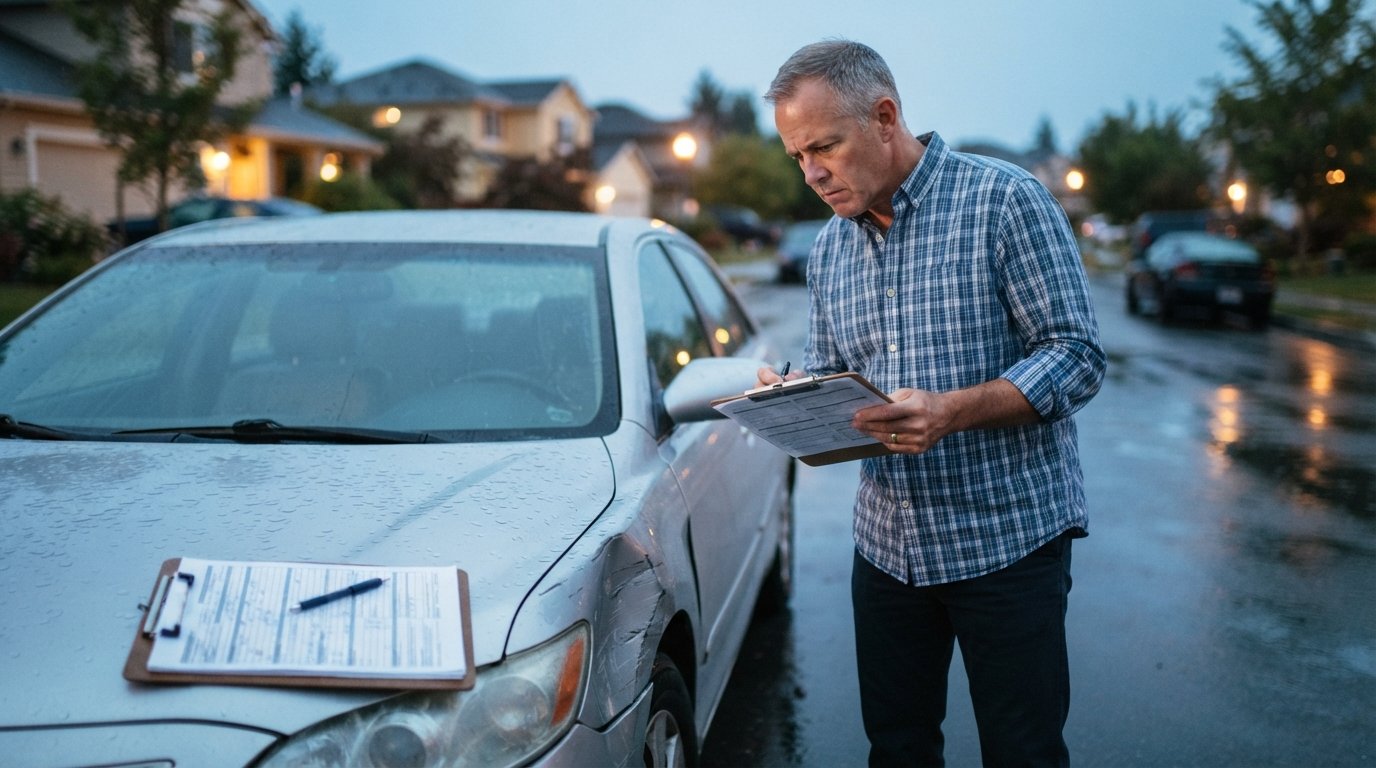
A single accident can turn a moment of stress into months of uncertainty, especially when you realize it might also affect your car insurance premium. If you have earned a no claims discount over years of careful driving, the first question that comes to mind is simple: what happens to no claims discount after an accident? The answer depends on who was at fault, whether you file a claim, and how your insurer structures its discount program. Understanding these moving parts helps you avoid surprise increases and make smarter decisions about your coverage.
How a No Claims Discount Works and Why It Matters
A no claims discount (sometimes called a no claims bonus) is a reward for staying claim-free. Insurers view drivers who do not file claims as lower risk, so they reduce premiums at renewal. The discount typically grows each year you remain claim-free, often starting around 10 percent and climbing to 30 percent or more after five or more years. The exact scale varies by insurer and state, but the principle is consistent: fewer claims mean lower rates.
This discount is not a legal right, and it is not standardized across the industry. Each carrier sets its own rules for how much discount you earn, how quickly it grows, and what causes it to shrink or disappear. That is why two drivers with identical records can pay very different premiums. When you compare quotes, the no claims discount is one of several pricing factors layered into your rate, alongside your driving history, location, credit score (in most states), and the vehicle you drive.
Because the discount is such a significant part of your premium, protecting it becomes a priority. Many drivers hesitate to file small claims precisely because they fear losing the discount. That instinct is understandable, but it is not always the right call. Sometimes filing a claim is necessary, and the discount loss is simply part of the cost. The key is to know in advance what will happen so you can weigh the trade-offs.
What Happens to No Claims Discount After an Accident: The Core Rules
When you report an accident, your insurer investigates to determine fault. If you are found at fault and a claim is paid, the no claims discount usually takes a hit. The severity of that hit depends on your insurer's specific rules and the size of the claim. Some insurers reduce the discount by a fixed percentage, while others reset it entirely to zero. A few offer a protected no claims discount, which allows you to keep the discount even after one at-fault accident for an extra premium.
If you are not at fault, the outcome is usually different. Most insurers will not reduce your no claims discount when another driver is clearly responsible, provided the claim is handled correctly and your insurer can recover the costs from the at-fault party's insurer. However, fault can be contested, and in no-fault states or shared-fault situations, the rules become more complex. In those cases, your insurer may still apply a surcharge or reduce the discount until fault is fully resolved.
It is also important to distinguish between reporting an accident and filing a claim. Reporting an accident to your insurer is often required by your policy, but it does not automatically mean a claim will be paid or that your discount will be affected. If you report the accident but choose not to file a claim (for example, if you pay for repairs out of pocket), your no claims discount may remain intact. However, some insurers track all reported incidents, so it is worth asking how your specific carrier handles reports that do not become claims.
Accident Forgiveness and Safe Driver Discounts: How They Interact
Accident forgiveness is a feature some insurers offer that allows you to keep your no claims discount after your first at-fault accident. It is not free; you typically pay extra for it, and it may only apply to one accident within a set period. Accident forgiveness can be a valuable safety net, especially for drivers who have built up a substantial discount and want to protect it.
Safe driver discounts and no claims discounts are related but distinct. A safe driver discount may be based on a combination of factors, such as completing a defensive driving course, maintaining a clean record for a certain number of years, or using telematics that track your driving habits. A no claims discount is specifically tied to the absence of claims. You can lose a no claims discount after an at-fault accident even if you still qualify for a safe driver discount, and vice versa. Understanding how these discounts stack and interact helps you see the full picture of your premium.
Some insurers bundle these benefits into a single program, while others keep them separate. If you are considering accident forgiveness, read the fine print carefully. It may not apply if you have multiple accidents, if the accident involves serious injuries, or if you switch insurers mid-policy. Asking your agent how accident forgiveness interacts with your no claims discount is a smart move before you need it.
Is Your No Claims Discount Portable Between Insurers?
One of the most common questions drivers ask after an accident is whether they can take their no claims discount with them if they switch insurers. The answer is not straightforward. In many cases, a no claims discount is tied to your policy with a specific insurer, and it may not transfer directly to a new carrier. However, many insurers will honor your claims-free history when you switch, especially if you can provide proof of your previous discount.
Portability varies by state and insurer. Some states have regulations that require insurers to recognize a certain level of claims-free history, while others leave it to the market. When you shop for a new policy, be prepared to provide a letter from your current insurer confirming your no claims discount and claims history. This documentation can help you qualify for a similar discount with a new carrier, even if the exact percentage differs.
If you have lost your no claims discount due to an accident, switching insurers may still be beneficial. A new carrier might offer a lower base rate or a different discount structure that results in a lower overall premium, even without the full no claims discount. This is why comparing quotes after an accident is so important. You may find that the impact of the accident is softened by a more competitive rate elsewhere.
How Long Does an At-Fault Accident Affect Your Premium?
The impact of an at-fault accident on your premium is not permanent, but it can last for several years. Most insurers look back at your claims history for a period of three to five years. During that window, the accident may affect your rate, either through a surcharge or through the loss of your no claims discount. After the lookback period ends, the accident typically drops off your record and no longer affects your premium.
The exact duration depends on your insurer and your state. Some insurers apply a surcharge for three years, while others may keep it for five. The no claims discount may take longer to rebuild, depending on how the discount scale works. For example, if you had a 30 percent discount and lost it entirely, it might take several claim-free years to climb back to that level.
It is worth noting that the surcharge and the discount loss are two separate mechanisms. A surcharge is an additional amount added to your premium because of the accident. The discount loss is a reduction in the discount you previously earned. Both can happen at the same time, which is why the total increase can feel steep. Understanding the difference helps you ask the right questions when you review your renewal quote.
Claim Surcharge vs. Losing a Discount: What Is the Difference?
A claim surcharge is a penalty added to your premium after an at-fault accident. It is typically a percentage increase applied to your base rate for a set number of years. Losing a no claims discount is different: it removes a discount you had earned, which effectively increases your premium by the amount of the discount. The two can occur together, but they are not the same thing.
For example, suppose your base premium is $1,000 and you have a 20 percent no claims discount, bringing your premium to $800. After an at-fault accident, your insurer might apply a 20 percent surcharge and also remove your discount. Your new premium could be calculated on the base rate plus the surcharge, with no discount, resulting in a significantly higher amount. Seeing the math helps you understand why the increase can be larger than you expect.
Some insurers combine these adjustments into a single rate, while others show them separately on your renewal notice. If you are unsure how your insurer handles surcharges and discounts, ask for a breakdown. A clear explanation can help you decide whether to stay with your current carrier or shop around. It also gives you a basis for negotiating or exploring alternative options.
Comparing Quotes After an Accident to Soften the Impact
After an accident, your instinct might be to stay with your current insurer to avoid further disruption. However, staying loyal is not always the cheapest option. Insurers weigh risk differently, and a new carrier might view your accident less harshly or offer a more competitive base rate. Comparing quotes from multiple insurers is one of the most effective ways to reduce the financial impact of an accident.
When you compare quotes, be transparent about the accident. Withholding information can lead to claim denials or policy cancellations later. Provide accurate details about the accident, including whether you were at fault and whether a claim was paid. Then compare the quotes side by side, looking not just at the premium but also at the deductible, coverage limits, and any discounts you qualify for. A lower premium with higher out-of-pocket costs may not be the best deal.
If you are unsure whether to file a claim, consider the potential impact on your no claims discount alongside the cost of repairs. For minor damage, paying out of pocket might preserve your discount and save money in the long run. For major damage, filing a claim is usually the right choice, even if it affects your discount. Our guide on skipping an accident claim explains the risks of avoiding a claim when you should file one.
To make the comparison process easier, use a platform that gathers quotes from multiple carriers in one place. NewAutoInsurance offers educational resources and guidance to help you understand your options after an accident. By seeing several quotes at once, you can quickly identify which insurer offers the best rate for your situation and how each one treats your no claims discount.
Practical Steps to Protect Your No Claims Discount
While you cannot always avoid an accident, you can take steps to minimize its impact on your no claims discount. The first step is to understand your policy. Read the sections on claims, discounts, and accident forgiveness so you know what to expect. If accident forgiveness is available, consider whether it is worth the extra cost, especially if you have a long claims-free history.
The second step is to evaluate the cost of a claim versus the cost of losing your discount. For small repairs, paying out of pocket may be cheaper than the premium increase you would face after a claim. For larger repairs, the math usually favors filing a claim. Run the numbers before you decide.
The third step is to shop around at renewal. Even if you have lost your no claims discount, a new insurer might offer a lower rate. Comparing quotes takes time but can save you hundreds of dollars. The fourth step is to drive safely and avoid future claims. Rebuilding your no claims discount takes time, but every claim-free year brings you closer to lower premiums.
Frequently Asked Questions
Will my no claims discount be affected if I am not at fault?
In most cases, no. If another driver is clearly at fault and your insurer can recover the costs, your no claims discount should remain intact. However, in shared-fault or no-fault situations, the outcome can vary. Check your policy and ask your insurer for clarification.
Can I transfer my no claims discount to a new car?
Yes, in most cases. Your no claims discount is typically tied to you as a driver, not to a specific vehicle. When you buy a new car, your discount should carry over, but confirm with your insurer to be sure.
Does reporting an accident always affect my discount?
Not necessarily. Reporting an accident is often required, but if you do not file a claim and no payout is made, your discount may not be affected. Some insurers track reports, so ask how yours handles them.
How can I rebuild my no claims discount after an accident?
Stay claim-free in the years following the accident. Most insurers increase the discount for each claim-free year. Avoiding small claims and driving safely can help you rebuild faster.
An accident does not have to mean the end of your savings. By understanding how your no claims discount works, comparing quotes after an accident, and making informed decisions about claims, you can protect your finances and get back on the road with confidence. Take the time to review your policy and explore your options; a few proactive steps can make a significant difference in your premium.