
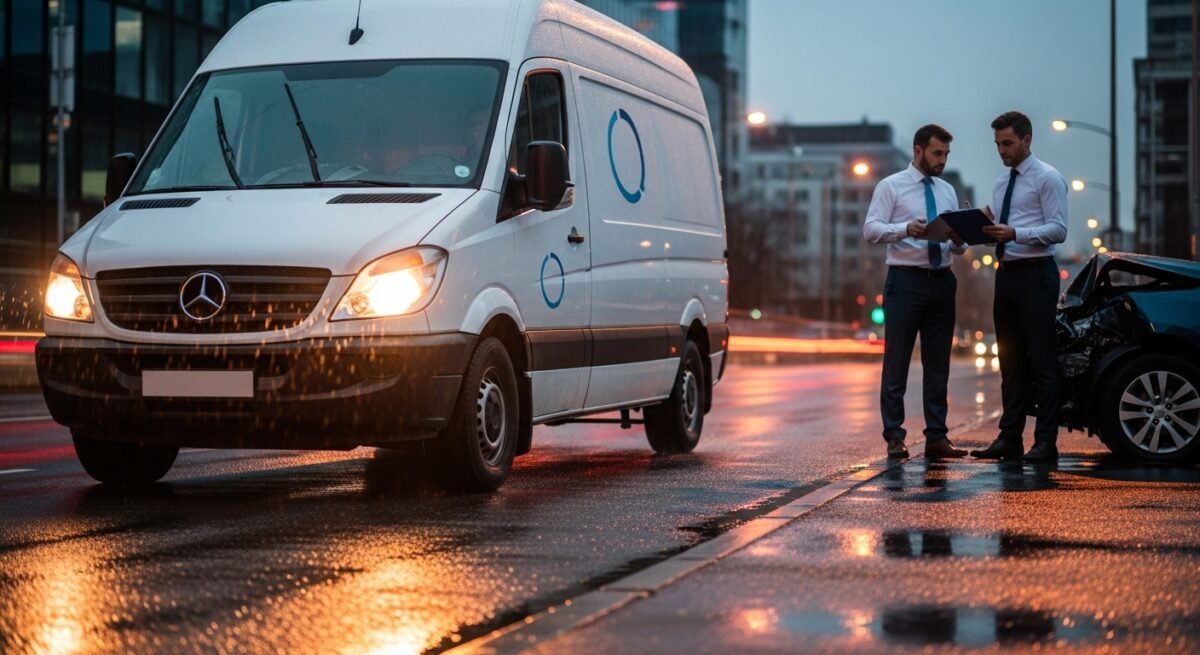
What Is Commercial Auto Liability Insurance and Why You Need It
Commercial auto liability insurance protects your business from financial ruin after an at-fault accident. It covers costly injuries and property damage you cause to others.

By Marcus Bennett
If you use a vehicle for business, you are operating in a world of heightened risk and legal responsibility. A single at-fault accident involving a company car, delivery van, or work truck can trigger catastrophic financial consequences, from staggering medical bills for injured victims to expensive property damage claims and relentless legal fees. Personal auto policies explicitly exclude business use, creating a dangerous coverage gap. This is where commercial auto liability insurance becomes not just a wise investment, but a fundamental shield for your business’s financial stability and legal compliance. It is the core coverage that protects your company from the devastating costs associated with causing injury or damage while conducting business on the road.
Understanding Commercial Auto Liability Insurance Coverage
Commercial auto liability insurance is a policy designed specifically for vehicles used for business purposes. Its primary function is to protect your business assets by covering costs you become legally obligated to pay if your vehicle causes bodily injury to others or damages their property. Unlike a personal auto policy, it is underwritten with commercial risks in mind, such as higher mileage, multiple drivers, and the transport of goods or equipment. The coverage follows the vehicle, not the individual driver, though all drivers must be listed and rated appropriately. It is a crucial component of any business’s risk management strategy, acting as the first line of defense against lawsuits and claims that could otherwise cripple or bankrupt a company.
The coverage is typically broken down into two main limits, often expressed as a split limit like 250/500/100. The first number represents the maximum the policy will pay, in thousands, for bodily injury per person. The second is the maximum for bodily injury per accident. The third number is the maximum for property damage per accident. For example, a 250/500/100 policy means up to $250,000 for one person’s injuries, up to $500,000 total for all injuries in one accident, and up to $100,000 for damage to other vehicles, structures, or property. Businesses can also purchase a combined single limit (CSL), which provides one total amount, for instance $1 million, to be used for both bodily injury and property damage claims from a single accident.
Who Absolutely Needs This Coverage?
Any entity that uses vehicles as part of its operations requires commercial auto liability insurance. This extends far beyond companies with fleets of branded trucks. If you or your employees drive for work related tasks, a personal auto policy will likely deny coverage in the event of an accident, leaving you personally liable. Common examples of businesses that need this coverage include, but are not limited to, contractors and tradespeople (plumbers, electricians, carpenters), delivery and courier services, retail businesses making deliveries, real estate agents, cleaning services, consultants who travel to client sites, and non-profits using vehicles for their activities. Even if you simply use your personal car occasionally for business errands like depositing cash at the bank or picking up office supplies, you may need a “business use” endorsement on your personal policy or a separate commercial policy. The defining factor is the vehicle’s use, not its ownership.
The risks of operating without proper coverage are severe. If an employee driving on company business causes a serious accident, the injured party will sue the driver and the business. Without commercial auto liability insurance, your business’s assets, including bank accounts, equipment, and even future revenue, could be seized to satisfy a judgment. Furthermore, many states require businesses to carry minimum levels of liability insurance to register commercial vehicles. Operating without it can result in hefty fines, license suspensions, and loss of operating authority for regulated industries like trucking.
Key Components and Additional Coverages to Consider
While liability coverage is the cornerstone, a robust commercial auto policy includes other essential protections. These coverages address different aspects of risk associated with vehicle use.
Bodily Injury and Property Damage Liability
As discussed, this is the mandatory core. It covers medical expenses, lost wages, pain and suffering, legal defense, and settlements or judgments for others you injure, as well as repair or replacement costs for property you damage. It does not cover injuries to you or your employees, or damage to your own vehicle.
Physical Damage Coverages: Collision and Comprehensive
Collision coverage pays for damage to your insured vehicle from an impact with another object, like another car or a tree, regardless of fault. Comprehensive coverage (often called “other than collision”) covers damage from non-collision events such as theft, vandalism, fire, hail, or hitting an animal. These are crucial for protecting your business’s capital investment in its vehicles. Lenders typically require both if the vehicle is financed.
Other Important Endorsements
A basic policy can be enhanced with endorsements tailored to specific needs. Hired and Non-Owned Auto Liability (HNOA) is critical for businesses that don’t own vehicles but have employees using their personal cars for work errands, or that rent vehicles periodically. This endorsement provides liability coverage for those situations. Motor Truck Cargo insurance protects the goods you are hauling for others. Uninsured/Underinsured Motorist coverage protects you and your employees if you are hit by a driver with no insurance or insufficient limits.
To build the right policy, consider your specific exposures. For a deeper dive into structuring a policy for a service-based business, Read full article for a focused analysis. The key is to work with an agent who understands your industry and can identify potential gaps.
How Premiums Are Calculated and Ways to Save
Commercial auto insurance premiums are calculated using a complex formula that assesses the risk profile of your business. Insurers evaluate numerous factors to determine how likely you are to file a claim. Understanding these factors can help you manage your costs.
The primary rating factors include the type of business and vehicle use (a long-haul trucker poses a different risk than a local florist making deliveries), the driving records of all listed employees, the number, age, and type of vehicles in the fleet, the geographic area where vehicles are primarily operated, the annual mileage for each vehicle, and your business’s claims history. A company with multiple at-fault accidents will pay significantly more than one with a clean record.
While you cannot change your business’s fundamental nature, you can take proactive steps to demonstrate lower risk and potentially reduce premiums. Implementing a formal driver safety program, requiring regular motor vehicle record checks for all drivers, installing telematics devices to monitor driving behavior (like hard braking and speeding), increasing deductibles on physical damage coverages, and bundling your commercial auto with other policies like general liability under a Business Owner’s Policy (BOP) are all effective strategies. Most importantly, shop around and compare quotes from multiple carriers specializing in commercial lines every few years.
Frequently Asked Questions (FAQs)
Q: I only use my personal car for occasional business meetings. Do I need a commercial policy?
A: It depends on the frequency and nature of use. Many personal auto policies allow for minor, incidental business use. However, if you are regularly traveling to client sites, carrying tools or samples, or making deliveries, your personal insurer may deny a claim. A “business use” endorsement on your personal policy or a separate commercial policy may be necessary. Always disclose your vehicle’s complete use to your agent.
Q: What is the difference between commercial auto insurance and hired/non-owned auto insurance?
A: Commercial auto insurance covers vehicles owned by your business. Hired and Non-Owned Auto (HNOA) is an endorsement (or separate policy) that provides liability coverage when your business is held responsible for an accident involving a vehicle you don’t own, such as an employee’s personal car used for work or a rental car. It does not cover physical damage to the rented or employee-owned vehicle.
Q: Are my employees covered when driving a company vehicle?
A: Yes, commercial auto liability insurance follows the business vehicle. Any authorized, permissive driver listed on the policy is covered while operating that vehicle for business purposes. The policy’s liability limits apply.
Q: How much liability coverage is enough?
A> State minimums are often dangerously low (e.g., $25,000 per person). A serious accident can easily result in claims exceeding $1 million. It is advisable to purchase the highest liability limits you can afford, often starting at $1 million combined single limit. Consider your business’s assets and potential exposure when deciding. An umbrella policy can provide additional layers of liability coverage above your auto and general liability limits.
Q: What happens if I don’t tell my insurer about a business use and have an accident?
A> This is called material misrepresentation and is a serious issue. Your insurer will likely investigate the accident’s circumstances. If they discover the vehicle was being used for an undisclosed business purpose, they can deny the claim entirely, leaving you personally responsible for all damages. They may also cancel your policy.
Navigating the requirements for commercial auto liability insurance is a critical task for any business owner. It is not an area for assumptions or shortcuts. By accurately assessing your vehicle use, securing adequate limits, and implementing strong risk management practices, you transform this policy from a simple line-item expense into a powerful tool for business continuity. It ensures that a single moment on the road does not erase years of hard work, protecting your livelihood, your employees, and your company’s future. Consult with a knowledgeable commercial insurance agent to review your specific operations and build a protection plan that leaves no dangerous gaps.