
What Is Comprehensive Auto Insurance and What Does It Cover?
Comprehensive auto insurance protects your vehicle from theft, weather, vandalism, and animal collisions. It covers repairs not caused by a driving accident.

By Nathaniel Carter
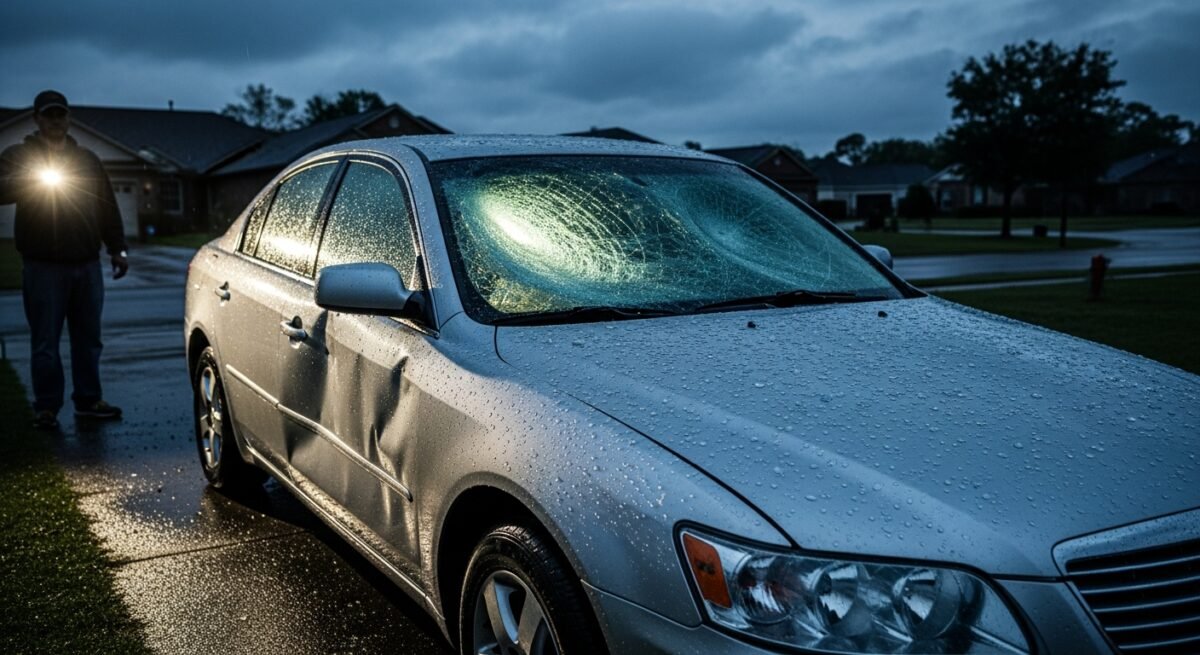
Your car is parked, completely unattended, when disaster strikes. A massive hailstorm pummels the bodywork, a fallen tree limb crashes onto the hood, or a fire spreads from a nearby structure. In these terrifying scenarios, the at-fault driver you could pursue for damages simply does not exist. This is the critical gap in protection that comprehensive auto insurance is specifically designed to fill. Unlike collision coverage, which handles accidents involving another vehicle or object, comprehensive insurance (often called “other than collision” coverage) is your financial shield against a wide array of unpredictable and uncontrollable events that can damage or destroy your vehicle. Understanding its scope, limits, and strategic value is essential for any car owner seeking complete financial protection.
Defining Comprehensive Coverage: Beyond Collisions
Comprehensive auto insurance is a specific type of optional coverage that pays for damage to your vehicle caused by incidents other than a collision with another car or object. It is a cornerstone of what insurers call “full coverage,” which typically combines comprehensive, collision, and liability insurance. The fundamental purpose of comprehensive coverage is to protect your asset from losses that are largely outside your control and unrelated to driving performance. When you file a comprehensive claim, you are responsible for paying your chosen deductible, and then your insurance covers the remaining repair or replacement costs, up to the vehicle’s actual cash value (ACV). It is crucial to remember that comprehensive coverage is not mandated by state law, unlike liability insurance. However, if you are financing or leasing your vehicle, your lender or lessor will almost certainly require you to carry it to protect their financial interest in the asset.
What Comprehensive Auto Insurance Covers: A Detailed Breakdown
The list of perils covered under a standard comprehensive policy is extensive, focusing on environmental, criminal, and accidental events. A common way to remember its scope is that it covers damage from events where your vehicle is stationary or where no other driver is involved.
Key covered events typically include:
- Theft and Vandalism: If your car is stolen or intentionally damaged (keyed, windows broken, spray-painted), comprehensive coverage helps pay for repairs or the vehicle’s value if it is not recovered.
- Weather and Natural Disasters: Damage from hail, windstorms, hurricanes, floods, tornadoes, lightning strikes, and earthquakes is covered. This includes water damage from rising floodwaters.
- Falling Objects and Projectiles: This encompasses damage from tree limbs, rocks kicked up by other vehicles, airborne debris, and objects falling from buildings or overpasses.
- Fire and Explosion: Damage resulting from a vehicle fire, whether from an internal mechanical failure or an external wildfire, is covered under comprehensive.
- Contact with Animals: Collisions with animals like deer, elk, or moose are a classic comprehensive claim. It also covers damage from rodents chewing through wiring.
- Glass Damage: While some policies offer separate glass coverage, comprehensive generally covers windshield and window cracks or chips, often with a zero-deductible option for windshield repair.
- Civil Disturbances: Damage occurring during riots, protests, or other civil commotions is typically included.
It is vital to review your specific policy, as exclusions can apply. For example, some policies may exclude certain types of flooding or have specific clauses for “acts of war.” Normal wear and tear, mechanical breakdowns, and damage from neglecting maintenance are never covered by comprehensive insurance.
Comprehensive vs. Collision: Understanding the Critical Difference
New policyholders often confuse comprehensive and collision coverage, but the distinction is clear and has significant implications for claims and premiums. Collision insurance applies when your vehicle is in motion and hits, or is hit by, another vehicle or a stationary object like a guardrail, fence, or pothole. The key factor is the impact from a collision. Comprehensive, as detailed, applies to nearly everything else that happens to your car while it is not in a collision. If you swerve to miss a deer and hit a tree, that is a collision claim. If you hit the deer directly, that is a comprehensive claim. This distinction matters because insurers categorize claims differently, which can affect your future rates. Generally, comprehensive claims are viewed as less within your control than collision claims and may have a smaller impact on your premium increases. For a complete picture of risk management, pairing this coverage with liability is a smart start. To explore how combining different insurance products can maximize value, our resource on how to bundle home and auto insurance for maximum savings provides a useful financial strategy.
Cost, Deductibles, and Is Comprehensive Coverage Worth It?
The cost of comprehensive auto insurance varies widely based on factors like your vehicle’s make, model, and age, your location (risk of hail, theft, etc.), your deductible, and your own driving history. On average, it is significantly less expensive than collision coverage. The single biggest factor you control is your deductible, the amount you pay out-of-pocket before insurance kicks in. Common deductible choices range from $100 to $1,000. Selecting a higher deductible lowers your premium but increases your financial responsibility in the event of a claim.
Determining if comprehensive coverage is worthwhile is a financial calculation based on your vehicle’s value and your personal risk tolerance. A standard rule of thumb is to consider dropping comprehensive (and collision) when the annual premium cost exceeds 10% of your car’s current market value. For example, if your car is worth $4,000 and your comprehensive premium is $500 per year, you are paying 12.5% of its value annually, which may not be cost-effective. However, this is a guideline, not a rule. If you live in an area with high deer population, frequent severe hail, or elevated theft rates, the statistical likelihood of a claim may justify keeping the coverage even on a moderately valued vehicle. For newer, leased, or financed cars, the decision is made for you: comprehensive coverage is required. One effective way to manage the overall cost of carrying full protection is to leverage multi-policy discounts. A bundle home and auto insurance strategy can significantly reduce premiums while simplifying your coverage under one provider.
The Claims Process for a Comprehensive Loss
Filing a comprehensive claim follows a standard procedure. First, ensure safety and document the scene. Take clear photographs of the damage from multiple angles and any relevant context (e.g., the fallen tree, the hail on the ground). Next, contact your insurance company or agent to report the loss and initiate the claim. They will assign an adjuster to assess the damage. You may need to get repair estimates from approved shops. Once the adjuster approves the claim, you pay your deductible directly to the repair shop, and the insurer pays the remainder. If your car is stolen, you must file a police report immediately and provide the report number to your insurer. There is usually a waiting period (e.g., 30 days) before the insurer will declare the vehicle a total loss and issue a payment for its actual cash value if it is not recovered. It is important to note that filing a comprehensive claim can affect your eligibility for “claim-free” discounts, but its impact on your base rate is usually less severe than an at-fault collision claim.
Frequently Asked Questions About Comprehensive Insurance
Does comprehensive insurance cover a cracked windshield?
Yes, windshield damage is a common comprehensive claim. Many insurers offer a separate glass coverage endorsement with a low or $0 deductible specifically for windshield repair or replacement, which can be a valuable addition.
Is hitting an animal comprehensive or collision?
Hitting an animal like a deer, dog, or bird is almost always covered under comprehensive insurance. However, if you swerve to avoid the animal and hit another object, that damage would fall under collision coverage.
Do I need comprehensive insurance on an old car?
It depends on the car’s value and your financial ability to repair or replace it. If the annual premium plus the deductible approaches or exceeds the car’s cash value, it may not be a financially sound investment. This is a personal risk-assessment decision.
Will a comprehensive claim raise my rates?
While not as impactful as an at-fault collision claim, a comprehensive claim can lead to a premium increase, especially if you file multiple claims. It may also cause you to lose a claim-free discount. Policies vary, so it is best to ask your insurer about their specific practice.
What is not covered by comprehensive auto insurance?
Comprehensive does not cover damage from a collision with another vehicle or object, damage to another person’s property, injuries to anyone, personal belongings stolen from your car (these may be covered by renters/homeowners insurance), or normal wear and tear and mechanical failures.
For drivers seeking to optimize their entire insurance portfolio, understanding how different policies interact is key. Implementing a smart financial strategy for bundling home and auto insurance can unlock savings that make maintaining robust auto coverage, like comprehensive, more affordable. Ultimately, comprehensive auto insurance is a risk management tool for the unpredictable. It provides peace of mind against the financial shock of events you cannot foresee or prevent. By carefully weighing the value of your vehicle against the premium cost and understanding the specific protections in place, you can make an informed decision on whether this coverage is a necessary part of your financial safety net. For a deeper exploration of policy specifics and state-level considerations, you can always Read full article on our dedicated resource site.