
What Is Comprehensive Auto Insurance in California?
Understand what comprehensive auto insurance in California covers, from wildfires to theft. For personalized advice, call 833-275-7533.

By Julian Prescott
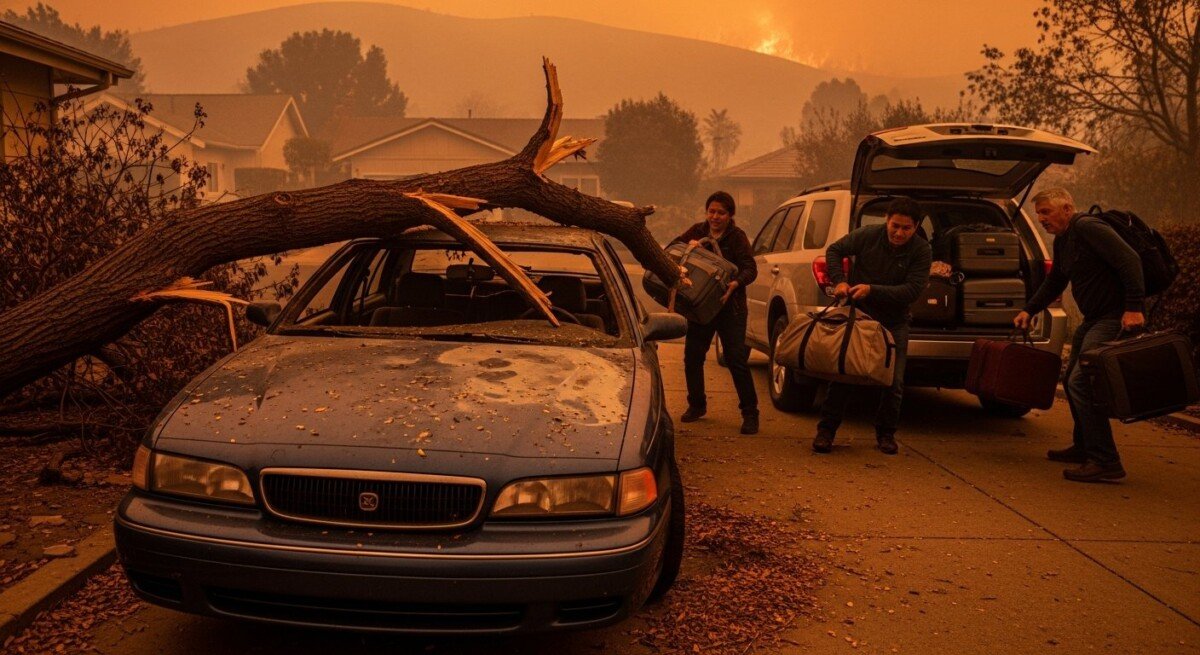
You have the right auto insurance, right? You carry the mandatory California liability coverage. Maybe you even added collision. But what happens when a wildfire forces you to evacuate and embers damage your car’s paint? Or when a fallen tree branch crushes your hood in a windstorm? Or, more commonly, when a hit-and-run driver scratches your door in a parking lot and vanishes? These are not accidents with another driver. These are the unpredictable, often frustrating events covered not by your basic policy, but by a specific, crucial type of protection: comprehensive auto insurance. For California drivers facing unique risks from natural disasters to high theft rates, understanding this coverage is not a luxury, it’s a strategic part of financial planning.
Defining Comprehensive Coverage in Plain Language
In California, comprehensive auto insurance, often called “other than collision” coverage, is the part of your policy that pays for damage to your vehicle caused by events largely outside of your control, and which do not involve colliding with another vehicle or object. Think of it as protection against life’s random misfortunes that can befall your car when it’s parked or when you’re faced with an unavoidable natural hazard. It is fundamentally different from collision insurance, which covers damage from accidents involving another car, a tree, a guardrail, or even if you roll your vehicle. The core distinction is the source of the damage: collision is for crashes, comprehensive is for almost everything else. This coverage is optional under California law, but if you are leasing or financing your vehicle, your lender will almost certainly require you to carry it to protect their financial interest in the asset.
What Does Comprehensive Insurance Cover in California?
The list of perils covered by a comprehensive policy is broad, designed to address the wide array of non-collision threats. California’s specific environmental and urban challenges make many of these coverages particularly relevant. A standard comprehensive policy will typically include protection for damage caused by:
- Theft and Vandalism: This includes the theft of the entire vehicle, parts of the vehicle (like catalytic converters, a major issue in California), or its contents. It also covers malicious acts such as keying, broken windows, or slashed tires.
- Fire and Wildfire: Damage from any fire, including structure fires and the state’s prevalent wildfires, is covered. This can range from melted plastic to total destruction.
- Natural Disasters: This encompasses falling objects (like tree limbs or hail), earthquakes, floods, landslides, and windstorms. Note that for floods and earthquakes, while covered under comprehensive, some insurers in high-risk areas may have specific deductibles or requirements.
- Animal Collisions: Hitting an animal, such as a deer, coyote, or even smaller fauna, is a comprehensive claim, not a collision claim.
- Weather and Atmospheric Events: Hail, lightning, and wind damage (like a flying patio table during a Santa Ana wind event) are all included.
- Glass Damage: A cracked or shattered windshield, sunroof, or window is typically covered. Many California policies offer zero-deductible glass repair as an endorsement due to the high frequency of windshield damage from road debris.
It is vital to understand what is not covered. Comprehensive does not cover damage from a collision with another car or object. It does not cover mechanical breakdowns or wear and tear. It also does not cover personal belongings stolen from your car if they are not permanently installed (those may fall under renters or homeowners insurance). For a deeper dive into the nuances of what comprehensive insurance covers, our detailed guide on What Is Comprehensive Auto Insurance and What Does It Cover provides further clarification and examples.
The California Context: Why Comprehensive Coverage Matters
While comprehensive insurance is valuable anywhere, it holds special significance for California drivers due to a confluence of geographic and socio-economic factors. The state’s diverse landscape presents elevated risks that make this coverage a wise consideration. First, California has one of the highest rates of vehicle theft in the nation, with certain metropolitan areas being consistent hotspots. Comprehensive coverage is your primary recourse if your car is stolen and not recovered, or is recovered with significant damage. Second, the state is prone to catastrophic natural events. The annual wildfire season can destroy thousands of vehicles, not just from direct flames but from radiant heat and falling embers. Flooding, mudslides in burn scars, and even rare but damaging hailstorms are real threats. Third, urban challenges like vandalism and break-ins are prevalent in many cities. Finally, California’s extensive wildlife means animal collisions are a common occurrence on rural and even suburban roads. Without comprehensive coverage, the financial burden of repairing or replacing your vehicle after any of these events falls entirely on you.
How Comprehensive Insurance Works: Deductibles and Claims
Comprehensive coverage functions with a deductible, which is the amount you agree to pay out-of-pocket before your insurance kicks in. Deductibles typically range from $100 to $2,500, with $500 and $1,000 being the most common choices in California. Selecting a higher deductible lowers your premium (the cost of the policy), but means you pay more if you file a claim. When a covered event occurs, you would file a claim with your insurer, pay your chosen deductible, and the insurance company would cover the remaining repair costs, up to the vehicle’s actual cash value (ACV). The ACV is the market value of your car at the time of the loss, factoring in depreciation. It is crucial to understand that comprehensive insurance will not pay more than the car is worth. If the cost of repairs exceeds the ACV, the insurer will typically declare the vehicle a total loss, pay you the ACV (minus your deductible), and take possession of the car.
Costs and Considerations for California Drivers
The cost of comprehensive auto insurance in California varies widely based on several key factors. Your location within the state is a primary driver; zip codes with higher theft rates, wildfire zones, or areas prone to flooding will see higher premiums. The make, model, and year of your vehicle significantly impact cost, as cars that are expensive to repair or are frequent theft targets (like certain trucks and SUVs) cost more to insure. Your chosen deductible directly influences your premium, as mentioned. Your own driving record, while less directly tied to comprehensive risk than to collision, can still affect your overall policy cost. To determine if comprehensive coverage is cost-effective for you, consider the value of your vehicle. A common rule of thumb is to consider dropping comprehensive (if not required by a lender) when the annual premium plus your deductible approaches 10% of your car’s current market value. For newer, more valuable, or financed cars, comprehensive is almost always a prudent purchase.
Frequently Asked Questions
Is comprehensive insurance required in California?
No, comprehensive coverage is not legally required by the state of California. However, it is almost universally required by lenders and leasing companies if you are financing or leasing your vehicle.
Does comprehensive insurance cover a hit-and-run?
If your parked car is damaged in a hit-and-run, comprehensive coverage would apply. If you are driving and hit by another driver who flees, it may be covered under your uninsured motorist property damage (UMPD) coverage, if you have it, which is different from comprehensive. The specifics depend on your policy and the scenario.
Will comprehensive insurance pay for a rental car if my car is stolen?
Not by itself. Comprehensive covers damage to or loss of the vehicle itself. To get a rental car while yours is being repaired or replaced, you need rental reimbursement coverage, which is a separate, optional add-on to your policy.
How does comprehensive work with a car loan if my car is totaled?
If your car is declared a total loss, your insurance company will pay the actual cash value (ACV) to you and your lender (the lienholder). If the ACV is less than the amount you owe on your loan (a situation called being “upside-down”), you are responsible for the difference unless you have separate loan/lease gap coverage.
Does filing a comprehensive claim raise my rates?
It can, but not always. In California, insurers are prohibited from raising rates solely because you filed a claim for a loss that was not your fault. However, if you file multiple comprehensive claims, an insurer may see you as a higher risk and adjust your premium at renewal, or they may choose not to renew your policy. It’s always best to check with your specific provider about their claims forgiveness policies.
Choosing the right auto insurance is about aligning your coverage with your real-world risks. For Californians, those risks extend far beyond the freeway. Comprehensive auto insurance provides a critical financial safety net against the unexpected events that are, unfortunately, all too common in the Golden State. It transforms a potentially devastating financial loss into a manageable incident, allowing you to recover and get back on the road with confidence. Assessing your vehicle’s value, your personal financial situation, and your local risk factors will guide you to the right decision for your needs.