
What Is Comprehensive Car Insurance and Do You Need It?
Comprehensive car insurance protects your vehicle from theft, weather, and vandalism. Call 833-275-7533 for a personalized quote.

By Beckett Nolan
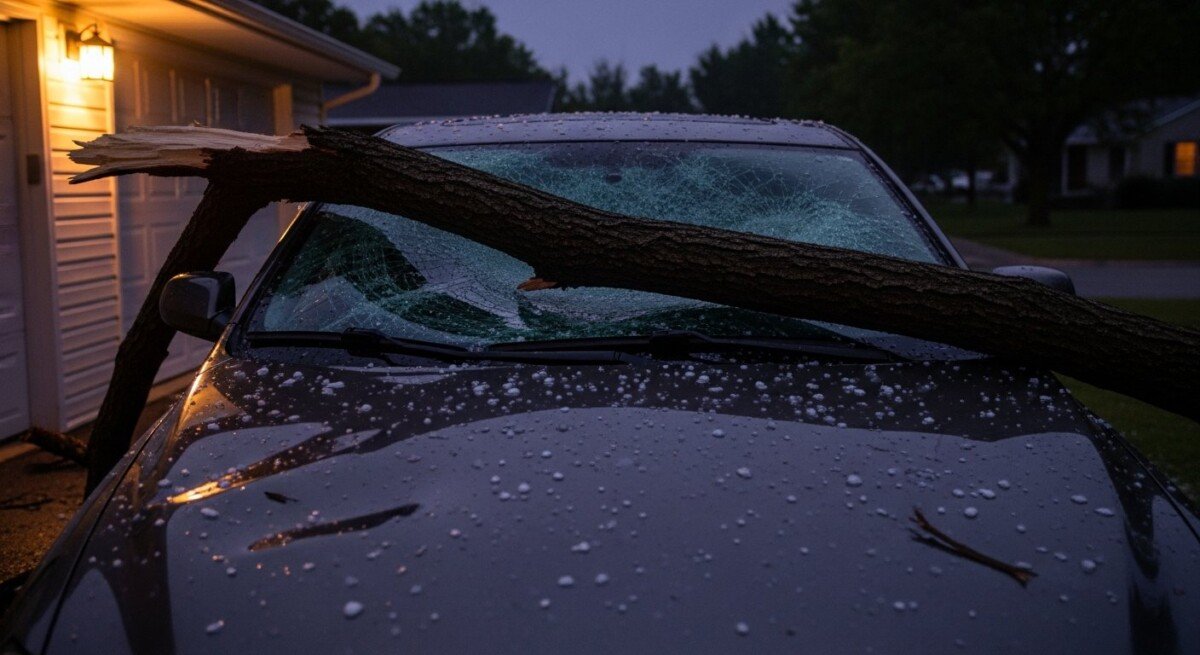
You’ve insured your car against collisions and other drivers, but what about the unpredictable threats that don’t involve another vehicle? From a hailstorm denting your hood to a fallen tree branch shattering your windshield, or even theft, your vehicle faces numerous risks when it’s simply parked. This is where comprehensive car insurance becomes a critical component of a full financial protection plan. Unlike liability or collision coverage, which address specific incidents, comprehensive insurance is designed for the “everything else” category of auto-related mishaps. Understanding its scope, limitations, and true value is essential for any car owner looking to make an informed decision about their auto insurance portfolio.
Defining Comprehensive Coverage: Protection Beyond Collisions
Comprehensive car insurance, often called “other than collision” coverage, is a type of auto insurance that pays for damage to your vehicle caused by events outside of your control that are not the result of a collision with another car or object. It’s a safeguard against the unforeseen and often unavoidable perils of vehicle ownership. While state laws typically mandate liability insurance, comprehensive coverage is almost always optional. However, if you finance or lease your vehicle, your lender will almost certainly require you to carry it to protect their financial interest in the asset. The core principle is risk transfer: for a predictable premium, you transfer the financial risk of costly, random events to your insurance company.
It is crucial to distinguish comprehensive from collision coverage, as they are separate coverages often purchased together. Collision insurance covers damage to your car resulting from an impact with another vehicle or object, like a guardrail or tree, regardless of who is at fault. Comprehensive, on the other hand, handles damage from events where no collision occurs. Think of it this way: collision is for when you’re driving and hit something; comprehensive is for when something hits, or happens to, your parked car. For a broader look at how these coverages fit into the bigger picture, our guide on the 5 types of car insurance explained breaks down all the essential components.
What Does Comprehensive Car Insurance Actually Cover?
The list of perils covered under a standard comprehensive auto insurance policy is extensive, though specific inclusions can vary slightly by insurer and region. Generally, you can expect protection from the following events:
- Theft and Vandalism: If your car is stolen or intentionally damaged (keyed, windows broken, spray-painted), comprehensive coverage will pay for repairs or the actual cash value of the vehicle if it’s not recovered.
- Natural Disasters: Damage from events like hurricanes, tornadoes, earthquakes, floods, and wildfires is typically covered.
- Falling Objects and Weather Events: This includes hail, which can cause extensive body damage, as well as damage from falling tree limbs, rocks, or debris. It also covers damage from heavy snow or ice.
- Animal Collisions: Hitting an animal, such as a deer, elk, or moose, is one of the most common comprehensive claims. This is distinct from a collision with another vehicle.
- Fire and Explosion: Damage resulting from fire, whether from an engine fire, arson, or a wildfire, is covered.
- Glass Damage: While often associated with vandalism or hail, comprehensive usually covers windshield and glass repair or replacement, sometimes with a separate, lower deductible.
- Civil Disturbances: Damage occurring during riots, protests, or other civil commotions may be covered.
It’s important to review your policy’s exclusions carefully. Typical exclusions include normal wear and tear, mechanical breakdown, and intentional damage caused by the policyholder. Furthermore, if you live in an area prone to specific risks, like frequent flooding, insurers are increasingly using advanced tools for risk assessment. The industry’s move toward AI-powered car insurance fraud detection and pricing models can also influence how comprehensive claims are processed and validated.
How Comprehensive Coverage Works: Deductibles and Claims
Comprehensive insurance functions with a deductible, which is the amount you agree to pay out-of-pocket toward a repair before your insurance coverage kicks in. Deductibles commonly range from $100 to $1,000. Choosing a higher deductible will lower your premium, but it means you’ll pay more if you file a claim. For example, if you have a $500 comprehensive deductible and a hailstorm causes $2,000 in damage to your car, you would pay $500, and your insurer would pay the remaining $1,500.
The claims process for comprehensive damage is generally straightforward. After ensuring your safety and documenting the damage (take photos from multiple angles), you should contact your insurance company to file a claim. An adjuster will assess the damage, often by reviewing your photos or inspecting the vehicle in person. Once approved, you’ll pay your deductible to the repair shop, and the insurer will cover the rest, up to the actual cash value (ACV) of your car. It is vital to understand that comprehensive coverage will not pay more than your car’s ACV at the time of the loss. If the cost of repairs exceeds the ACV, the car will be declared a total loss, and you will receive a payment for the ACV, minus your deductible.
Evaluating If You Need Comprehensive Coverage
Deciding whether to purchase comprehensive insurance is a personal financial calculation based on risk tolerance, vehicle value, and geographic location. Ask yourself these key questions to guide your decision:
- What is the actual cash value of my vehicle? If your car is older and has a low market value, the cost of the premium plus the deductible may approach or even exceed the car’s worth. In this case, it may be more economical to self-insure by setting aside savings for potential repairs.
- What are the risks in my area? Do you live in a region with frequent hailstorms, high wildfire risk, or a significant deer population? Is vandalism or theft common in your neighborhood? If your geographic risk is high, comprehensive coverage becomes more valuable. For instance, drivers in certain climates should consider specific protections, as noted in our resource on the best car insurance for drivers in snowy areas.
- Can I afford a major unexpected repair or total loss? If replacing your car out-of-pocket would cause significant financial hardship, the premium for comprehensive coverage is likely a wise investment for peace of mind.
- Am I required to have it? If you have a loan or lease, the answer is almost certainly yes. The lender mandates it to protect their collateral.
Cost Factors and Strategies for Saving
The cost of comprehensive coverage varies widely. Key factors include your vehicle’s make, model, and year (expensive cars cost more to repair or replace), your location (risk of natural disasters, theft rates), your chosen deductible, and your personal driving history. While your claims history for comprehensive events usually doesn’t affect your premium as directly as at-fault accidents do, a history of multiple claims can still lead to higher rates.
To manage costs, consider raising your deductible. Moving from a $250 to a $500 or $1,000 deductible can significantly reduce your premium. You can also inquire about discounts, such as those for bundling your auto and home insurance, having anti-theft devices installed, or being a loyal customer. Furthermore, regularly shopping around and comparing quotes is essential, as rates can differ dramatically between insurers for the same coverage. For a state-specific example of how rates and requirements can vary, you can explore details on affordable car insurance in Maine to see regional factors in action.
Frequently Asked Questions About Comprehensive Insurance
Does comprehensive insurance cover hitting a pothole? No, pothole damage is typically covered under collision insurance, as it involves your car colliding with the road surface. However, if the pothole causes damage to your tires or rims only, it may only be covered if you have specific tire and wheel coverage.
If my car is stolen, what does comprehensive pay? It will pay the actual cash value of your vehicle at the time of theft, minus your deductible. This payment is based on the car’s market value, not what you originally paid or what you owe on a loan.
Does comprehensive cover personal items stolen from my car? No. Comprehensive car insurance covers damage to or theft of the vehicle itself. Personal belongings, like laptops or luggage, stolen from your car are generally covered under your homeowners or renters insurance policy.
Is windshield damage covered under comprehensive? Yes, windshield repair or replacement is a common comprehensive claim. Many insurers offer zero-deductible glass coverage as an option or in certain states, meaning you wouldn’t pay anything out-of-pocket for a windshield repair.
Can I drop comprehensive coverage at any time? You can generally make changes to your policy at any time. However, if you have a loan or lease, your lender will be notified and may purchase force-placed insurance on your vehicle, which is often much more expensive and provides less protection.
Ultimately, comprehensive car insurance is about managing financial risk from life’s unpredictable events. It provides a crucial safety net for perils that are entirely out of your hands as a driver. By carefully assessing your vehicle’s value, your local risk factors, and your own financial capacity to absorb a loss, you can make a confident choice about whether this optional coverage is a necessary part of your auto insurance strategy. Regularly reviewing your policy and coverage limits ensures your protection evolves alongside your vehicle’s value and your life circumstances.