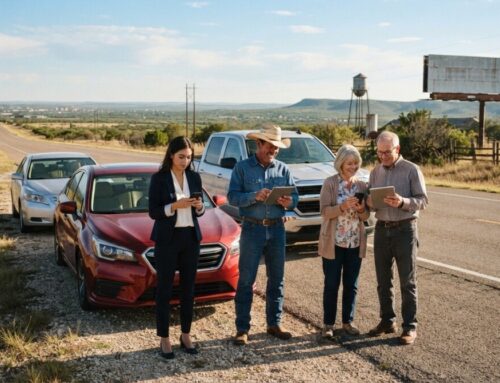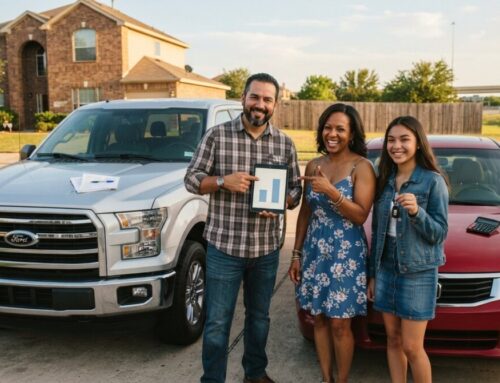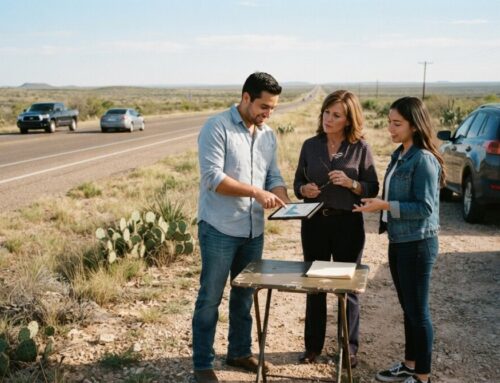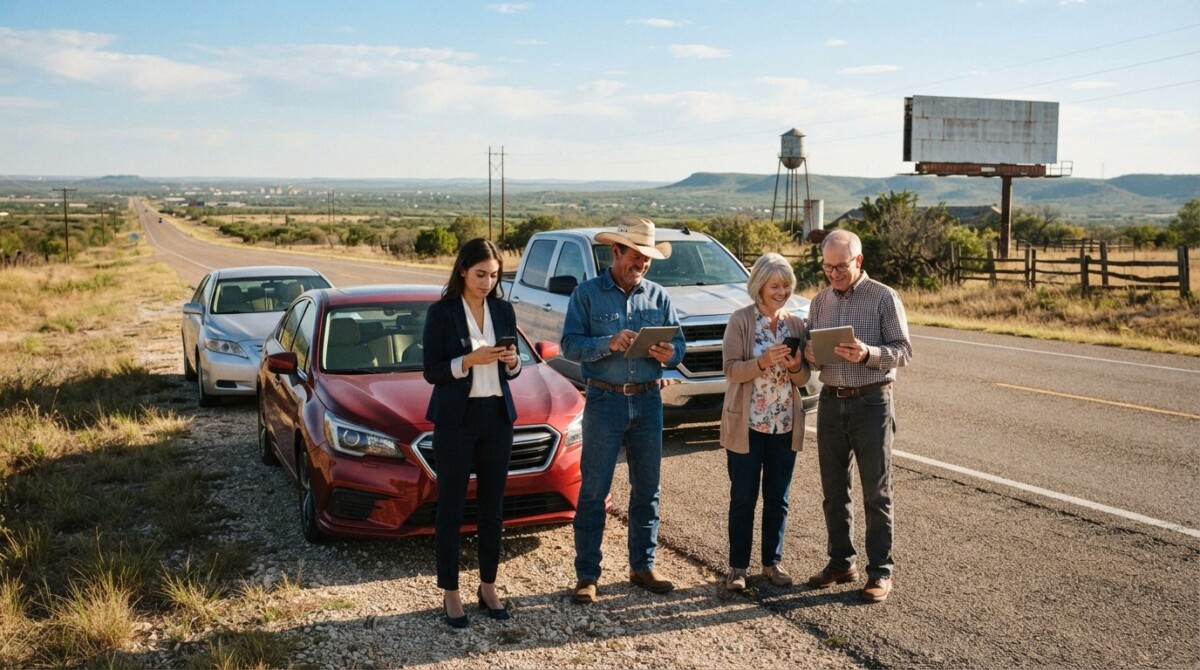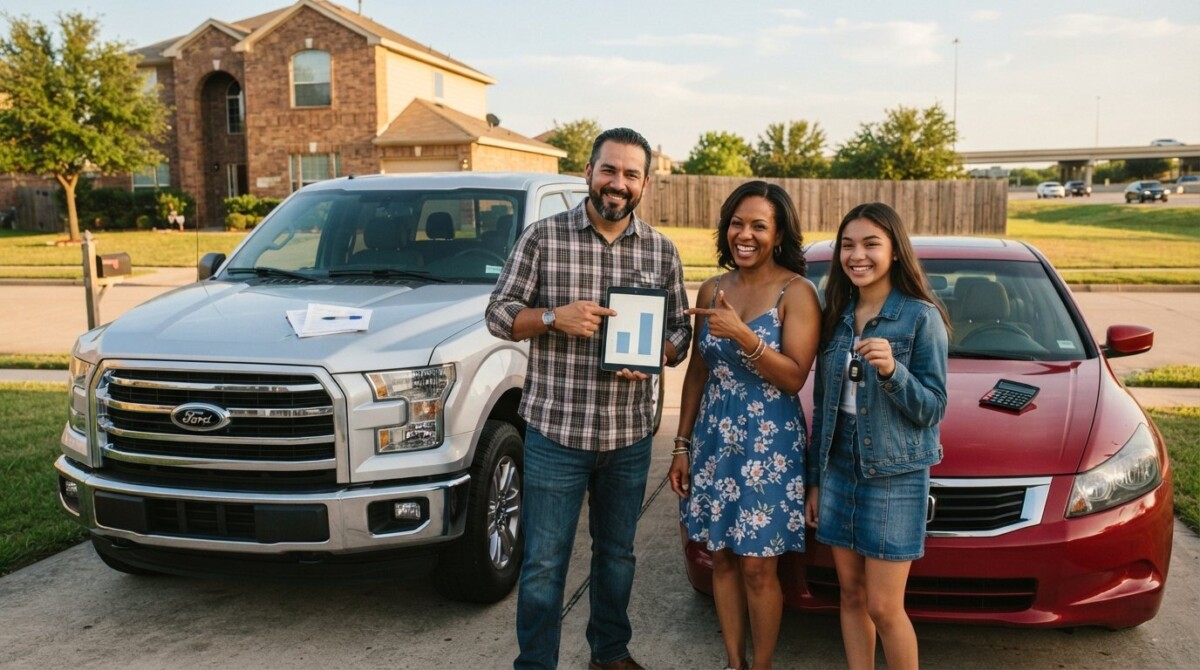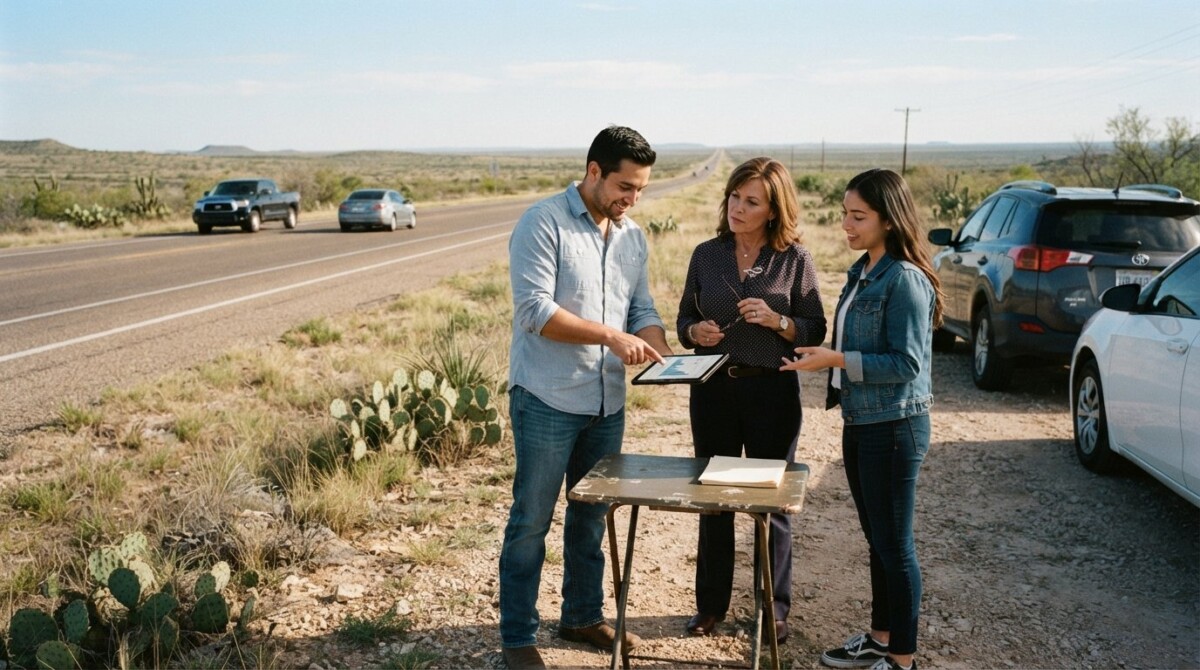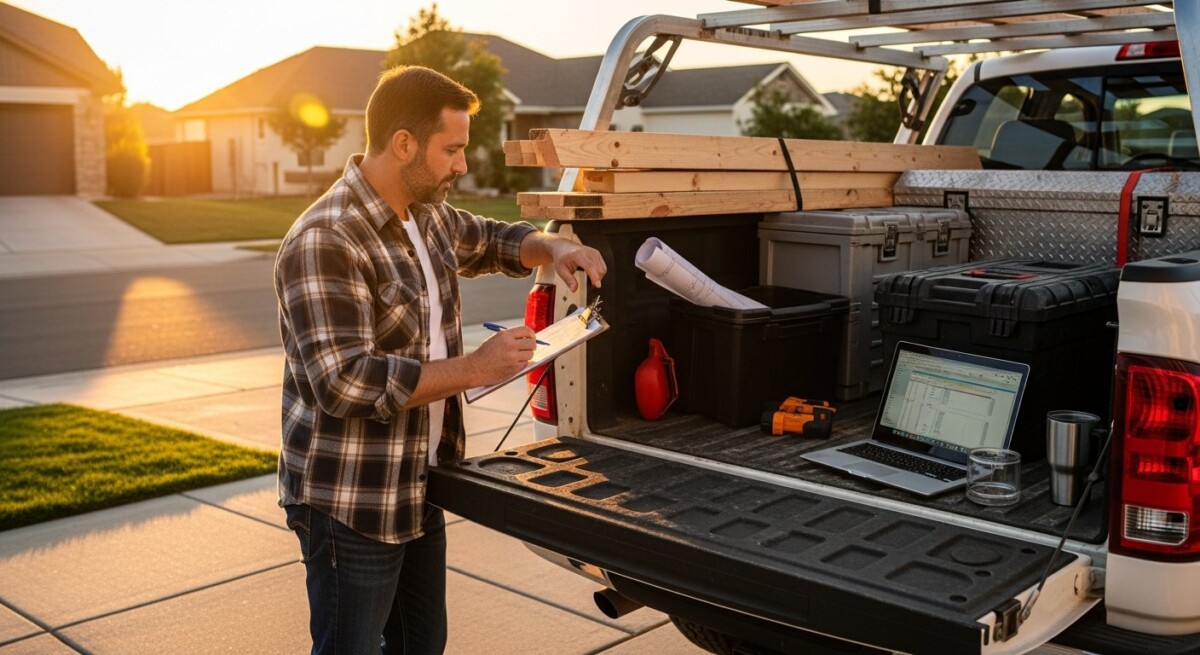
Your workday might start with a laptop in a coffee shop and end with a pickup full of tools. For the self-employed, a car is not just a way to get around. It is a mobile office, a delivery vehicle, and a tax deduction. But when you rely on your vehicle for income, a standard personal auto policy can leave you dangerously exposed. The wrong coverage could mean a denied claim and a lost paycheck. So, what is the best auto insurance if you are self-employed? The answer depends on how you use your car, what you carry in it, and how much financial risk you can absorb. This guide breaks down the specific coverage needs for freelancers, contractors, gig workers, and small business owners so you can protect both your vehicle and your livelihood.
Many self-employed drivers make a common mistake: they assume their personal policy covers all work-related driving. Insurance companies, however, draw a strict line between personal use and business use. If you are delivering food, hauling equipment, or driving to client meetings, you may need a commercial policy or a specialized endorsement. We will walk through the key coverage options, the hidden risks of underinsurance, and the exact steps to get a policy that matches your work style. For a broader look at how rates are shifting, check out our analysis of 2026 Auto Insurance Trends Shaping Your Rates to understand the market factors at play.
Why Standard Personal Auto Insurance Falls Short
A personal auto policy is designed for commuting, errands, and recreational driving. It assumes you are not making money with the vehicle. When you use your car for business purposes, insurers consider that a material change in risk. If you file a claim while using the car for work and the insurer discovers the business use, they can deny the claim entirely. This leaves you paying out of pocket for damage, medical bills, and liability lawsuits.
Consider a freelance photographer who drives to a client’s location. On the way, they cause an accident. The personal insurer learns the trip was for a paid assignment. The claim is denied. The photographer is now personally responsible for the other driver’s medical costs, vehicle repairs, and potential legal fees. This scenario is far too common among self-employed professionals who do not realize their policy has a business-use exclusion.
Beyond liability, there is the issue of equipment. Many self-employed people carry expensive tools, samples, or inventory in their vehicles. A standard personal policy provides very limited coverage for personal property inside the car, often just a few hundred dollars. If your tools are stolen, you could face a devastating financial loss that is not covered by your auto insurance at all.
Key Coverage Types For The Self-Employed
To answer “what is the best auto insurance if you are self-employed” for your specific situation, you need to understand three main policy structures: personal policies with a business-use endorsement, commercial auto policies, and hired-and-non-owned auto insurance. Each serves a different purpose based on your business structure and vehicle usage.
Personal Policy With A Business-Use Endorsement
This option works best for sole proprietors and freelancers who use their personal vehicle for occasional business trips. The endorsement modifies your existing personal policy to cover limited business use. It typically covers driving to meet clients, running business errands, and transporting small amounts of equipment. It does not cover delivery services, ridesharing, or heavy hauling.
The advantage is cost. A business-use endorsement is usually much cheaper than a full commercial policy. It maintains your personal policy structure while closing the gap that would otherwise leave you uninsured during work trips. However, you must be honest with your insurer about the nature of your business. If you downplay your usage to save money, you risk a denial later.
Commercial Auto Insurance
If you use your vehicle primarily for business, or if your work involves delivering goods, transporting passengers, or hauling heavy equipment, you likely need a commercial auto policy. This is the gold standard for self-employed individuals whose vehicle is a core business asset. Commercial policies offer higher liability limits, broader coverage for equipment, and protection for employees who might drive the vehicle.
Common professions that require commercial coverage include:
- Plumbers, electricians, and contractors who carry tools and materials.
- Food delivery drivers for services like DoorDash or Uber Eats.
- Mobile pet groomers, caterers, or massage therapists.
- Landscapers who tow trailers or carry heavy equipment.
Commercial policies are more expensive than personal ones, but they provide essential protection. If you cause a serious accident while working, the higher liability limits can protect your personal assets and your business from a lawsuit. For a deeper look at covering vehicles used for work, read our Complete Guide to Auto Insurance in Massachusetts for Drivers which explains state-specific requirements that also apply to commercial vehicles.
Hired And Non-Owned Auto Insurance
This coverage is for self-employed people who do not own a business vehicle but rent cars or have employees use their own vehicles for business. For example, a freelance consultant who rents a car for a client site visit can use hired auto coverage to protect against liability. Non-owned auto coverage protects your business if an employee causes an accident while driving their own car on a work errand. This is a common gap for small business owners who think their personal policy covers everything.
How To Determine Your Exact Coverage Needs
The answer to “what is the best auto insurance if you are self-employed” depends on how you answer these four questions:
1. Do you carry tools, samples, or inventory in your vehicle? If yes, you need to check your policy’s personal property coverage. You may need a commercial policy or a separate inland marine policy to cover your equipment. 2. Do you drive to client locations for paid work? If yes, a personal policy alone is insufficient. You need a business-use endorsement or a commercial policy. 3. Do you deliver goods or transport passengers for a fee? If yes, you almost certainly need a commercial policy. Rideshare and delivery drivers have specific coverage requirements that personal policies do not meet. 4. Do you have employees who drive for your business? If yes, you need hired-and-non-owned auto insurance to protect your business from liability when employees drive their own cars or rental vehicles.
Once you answer these questions, you can approach an insurance agent with clarity. When you request quotes, be transparent about your business activities. Hiding information to get a lower rate can lead to a denied claim later. For a practical example of how to add someone to a policy, see our guide on Adding a Driver to Your Auto Insurance Policy: A Complete Guide which applies equally to adding an employee or a business partner.
Mistakes Self-Employed Drivers Make
Even well-intentioned freelancers make errors that cost them money or leave them unprotected. Here are the most common pitfalls and how to avoid them.
Mistake 1: Assuming Personal Coverage Is Enough. This is the biggest risk. Many self-employed people drive to client meetings, pick up supplies, or make bank deposits without realizing these trips are business use. If an accident happens during any of these trips, the insurer can deny the claim. Always read the business-use exclusion in your policy. If you are unsure, call your agent and ask directly: “Does my policy cover me if I am driving to a client for a paid appointment?”
Mistake 2: Not Insuring Equipment. Your auto policy covers the car, not the expensive tools inside it. A stolen laptop, camera, or set of power tools is your loss. Consider a separate equipment floater or inland marine policy. These are relatively inexpensive and provide broad coverage for your business property wherever it is located.
Mistake 3: Choosing The Lowest Liability Limits. When you are self-employed, your personal assets are at risk. If you cause a serious accident and your liability limits are too low, the other party can come after your savings, your home, and your future income. State minimum limits are often dangerously low. Most experts recommend at least $100,000 per person and $300,000 per accident for bodily injury liability, plus a $1 million umbrella policy if you have significant assets.
Mistake 4: Forgetting About Non-Owned Auto Liability. If you run a small business and an employee runs an errand in their own car and causes an accident, your personal policy will not cover your business’s liability. The employee’s personal policy might cover the accident, but if their limits are low, the injured party can sue your business. Non-owned auto insurance fills this gap.
Comparing Insurance Costs For Self-Employed Drivers
Cost is a major factor when you are self-employed and managing your own budget. Commercial auto insurance is typically 50% to 100% more expensive than a personal policy. However, the cost varies based on your driving record, the type of vehicle, your annual mileage, and the nature of your business. Delivery drivers pay more than consultants because the risk is higher.
You can offset some of the cost by taking advantage of discounts. Many insurers offer discounts for bundling auto and business insurance, for paying annually instead of monthly, and for installing telematics devices that track safe driving. You can also raise your deductibles to lower your premium, but make sure you have enough cash on hand to cover the deductible if you need to file a claim.
It is also worth noting that the premium for a commercial policy is a legitimate business expense. You can deduct it on your taxes, which reduces the net cost. Keep detailed records of your insurance payments and consult with a tax professional to ensure you are claiming the deduction correctly.
Frequently Asked Questions
Can I use my personal car for my small business?
Yes, but only if you have the correct coverage. A standard personal policy does not cover business use. You need either a business-use endorsement on your personal policy or a commercial auto policy. Driving for business without the right coverage is a major risk.
What is the difference between business-use and commercial auto insurance?
Business-use is an endorsement added to a personal policy for occasional business driving. Commercial auto is a separate, comprehensive policy for vehicles used primarily for business. Commercial policies offer higher limits and broader coverage, including protection for equipment and employees.
Do I need commercial insurance for DoorDash or Uber Eats?
Yes. Most personal auto policies explicitly exclude delivery services. DoorDash and Uber Eats provide some liability coverage while you are on a delivery, but it is often limited and may not cover damage to your vehicle. You need a commercial policy or a rideshare endorsement that specifically covers food delivery.
How much liability insurance do I need as a self-employed driver?
At a minimum, you should carry $100,000 per person and $300,000 per accident for bodily injury liability. If you have significant personal assets or a high-risk business, consider a $1 million umbrella policy. State minimum limits are usually too low to protect a self-employed person’s assets.
Can I deduct my auto insurance on my taxes?
Yes, if you use your vehicle for business. You can deduct the business-use percentage of your premium. For example, if you use your car 60% for business and 40% for personal, you can deduct 60% of the premium. Keep a mileage log to support your deduction.
Getting The Right Policy With Free Auto Insurance Quotes Online
Finding the best auto insurance as a self-employed individual does not have to be complicated. The key is to be honest about your business activities and to compare quotes from multiple carriers. A standard personal policy is rarely the right answer. You need a policy that matches the way you actually use your vehicle.
Start by gathering details about your business: how many miles you drive for work each year, what you carry in your vehicle, and whether employees drive for you. Then, use a comparison platform to get quotes for both business-use endorsements and commercial policies. For those in specific states, check out our information on Auto Insurance Connecticut: Save Money on Your Car Insurance to see how regional factors affect rates.
When you compare quotes, look beyond the premium. Examine the coverage limits, deductibles, and exclusions. Make sure the policy covers the specific activities you engage in. If you are a freelance graphic designer who only drives to client meetings, a business-use endorsement may be sufficient. If you are a contractor hauling lumber and tools, a commercial policy is non-negotiable.
Your vehicle is an essential tool for your business. Protecting it with the right insurance is not just a legal requirement. It is a financial necessity. By understanding your risks and choosing the correct coverage, you can drive with confidence knowing that both your car and your livelihood are protected.