Finding the right auto insurance in Colorado can feel like navigating a mountain pass without a map. With varying rates across Denver, Colorado Springs, and rural counties, knowing how to compare auto insurance quotes Colorado carriers offer is the first step toward saving money and getting proper protection. This guide breaks down the process step by step, helping you secure coverage that fits both your budget and your lifestyle.
Why Colorado Auto Insurance Rates Vary So Much
Colorado is a unique market for auto insurance. The state’s high rate of hail claims, increasing number of uninsured drivers, and diverse geography all influence premiums. Carriers assess risk differently based on where you live, how much you drive, and your personal history. For example, a driver in Aurora might pay significantly more than someone in a small town like Durango, even with the same vehicle and driving record.
Understanding these factors helps you know what to look for when you request auto insurance quotes Colorado providers supply. The goal is not just to find the cheapest rate but to balance cost with coverage that protects you in a state known for unpredictable weather and busy highways. In our guide on State Farm auto insurance reviews, we explain how large carriers handle Colorado-specific risks, which can inform your decision when comparing multiple quotes.
Minimum Coverage Requirements in Colorado
Colorado law requires all drivers to carry liability insurance. The minimum limits are 25/50/15, which means $25,000 for bodily injury per person, $50,000 for bodily injury per accident, and $15,000 for property damage. While these minimums meet legal requirements, they often leave drivers exposed in serious accidents. Medical costs alone can quickly exceed $25,000, and property damage to a newer vehicle can easily surpass $15,000.
Many experts recommend carrying higher limits, such as 100/300/50, especially if you own a home or have significant assets. Additionally, Colorado does not require uninsured motorist coverage, but with an estimated 16% of drivers uninsured, adding this protection is a smart move. When you compare auto insurance quotes Colorado options, look for policies that include uninsured motorist bodily injury and collision coverage to avoid major out-of-pocket expenses after an accident with an uninsured driver.
Understanding Full Coverage vs. Liability Only
Full coverage typically includes liability, collision, and comprehensive insurance. Collision covers damage to your vehicle from an accident, while comprehensive covers non-collision events like hail, theft, or hitting a deer. Colorado’s hail risk makes comprehensive coverage especially valuable. A single hailstorm can cause thousands in damage, and without comprehensive coverage, you pay for repairs entirely out of pocket.
If you drive an older car worth less than $5,000, dropping collision and comprehensive might make financial sense. However, for most drivers, full coverage provides essential financial protection. When shopping for auto insurance quotes Colorado insurers offer, ask about deductible options. Choosing a higher deductible, like $1,000 instead of $500, can lower your premium significantly, but ensure you have that amount saved for emergencies.
How to Get Accurate Auto Insurance Quotes in Colorado
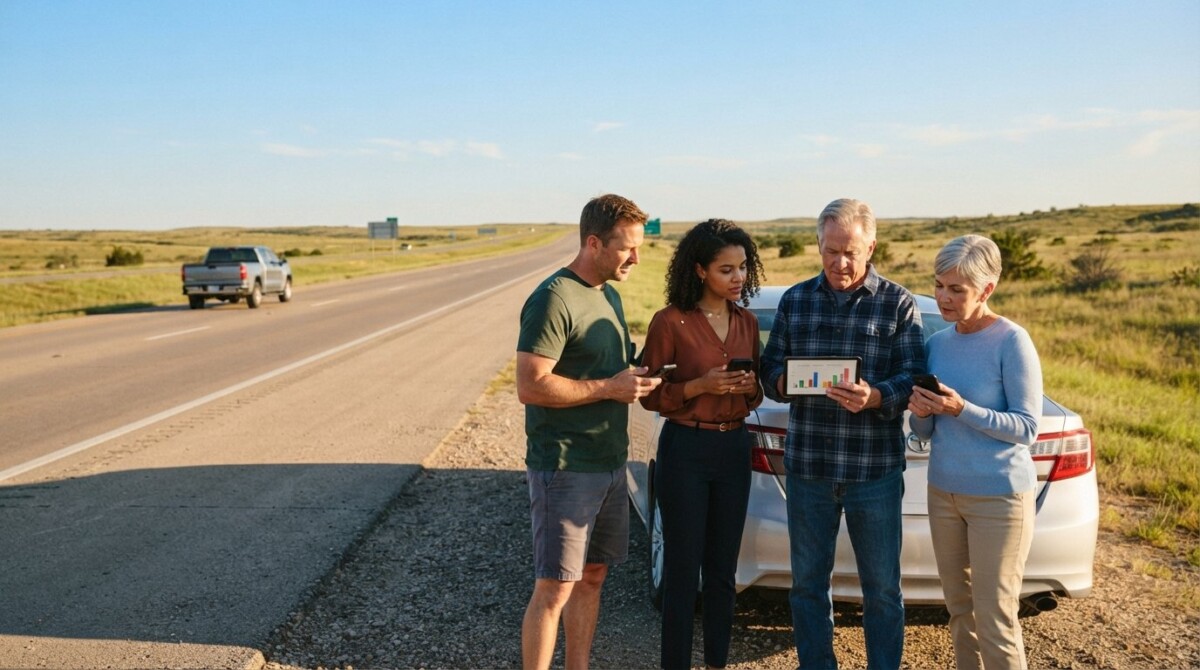
Getting accurate auto insurance quotes Colorado drivers can rely on requires preparation. Start by gathering your driver’s license number, vehicle identification number (VIN), current mileage, and details about your driving history. Having this information ready ensures quotes reflect your actual risk profile rather than estimates that could change later.
Here are the key steps to follow when requesting quotes:
- Compare at least three to five carriers to see a range of pricing and coverage options.
- Provide the same coverage limits and deductibles for each quote to make fair comparisons.
- Check for discounts such as multi-policy, good driver, low mileage, and anti-theft device savings.
- Review each carrier’s financial strength rating through agencies like A.M. Best or Standard & Poor’s.
- Read customer reviews about claims handling, especially for Colorado-specific issues like hail claims.
After collecting quotes, look beyond the monthly premium. A cheap policy with poor customer service can cost you more in the long run if claims are denied or delayed. Our platform makes it easy to compare multiple options side by side. For those seeking specialized coverage, our guide on how to get accurate commercial auto insurance quotes offers similar strategies tailored for business vehicles.
Discounts That Lower Your Colorado Auto Insurance Premium
Carriers offer a variety of discounts that can reduce your auto insurance quotes Colorado totals by 10% to 30% or more. The most common discounts include bundling home and auto insurance, maintaining a clean driving record for three to five years, completing a defensive driving course, and insuring multiple vehicles on the same policy. Some insurers also offer discounts for paying your annual premium in full rather than monthly.
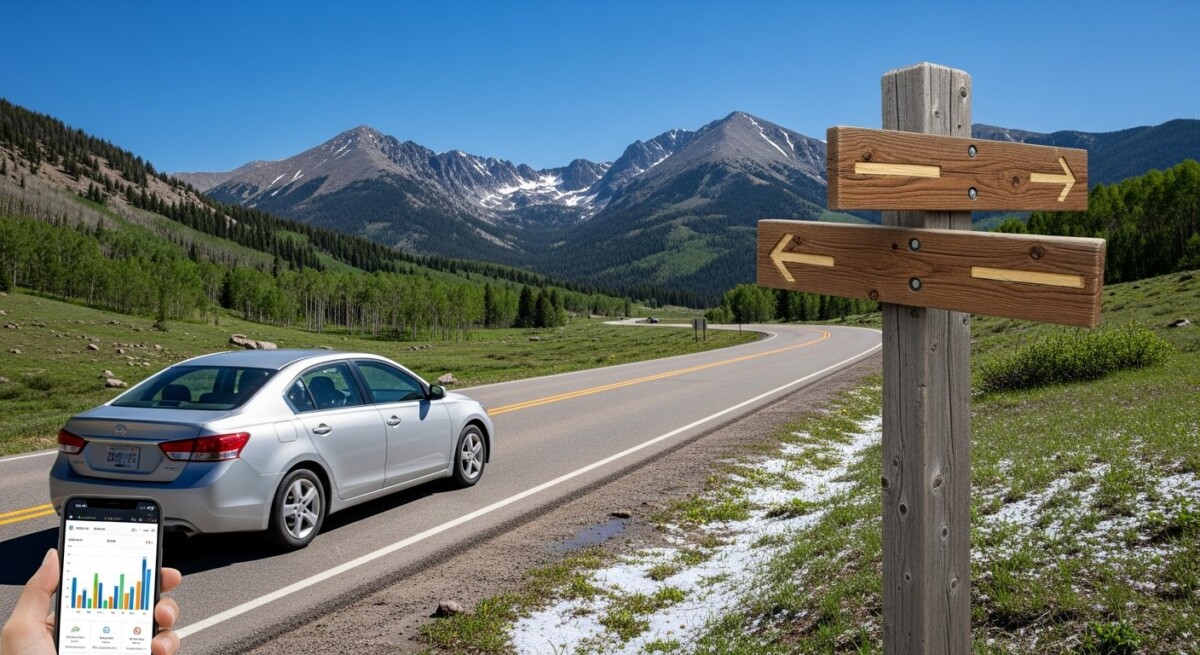
Colorado drivers can also benefit from usage-based insurance programs. These programs use a mobile app or device to monitor your driving habits, such as speed, braking, and time of day you drive. Safe drivers can earn significant discounts. Additionally, if you drive fewer than 7,500 miles per year, a low-mileage discount may apply. Always ask each carrier about every discount they offer, as some are not automatically applied when you get a quote online.
Common Mistakes When Shopping for Colorado Auto Insurance
Many drivers make errors when comparing auto insurance quotes Colorado options that cost them money or leave them underinsured. One common mistake is focusing only on price and ignoring coverage details. A policy that costs $50 less per month might have lower limits, higher deductibles, or exclusions that create financial risk. Always read the policy documents or ask an agent to explain coverage differences.
Another mistake is failing to update your policy after major life changes. Moving to a new ZIP code, adding a teen driver, or buying a new car can change your rates. Not reporting these changes might lead to a claim denial or rate adjustment later. Similarly, some drivers assume their credit score does not affect rates, but Colorado allows insurers to use credit-based insurance scores. Improving your credit can lead to better auto insurance quotes Colorado carriers provide.
What to Do After an Accident in Colorado
Knowing what to do after an accident protects your rights and helps your claim process smoothly. Colorado follows a fault-based system, meaning the at-fault driver’s insurance pays for damages. If you are not at fault, you file a claim with the other driver’s insurer. However, if the other driver is uninsured or underinsured, your uninsured motorist coverage kicks in.
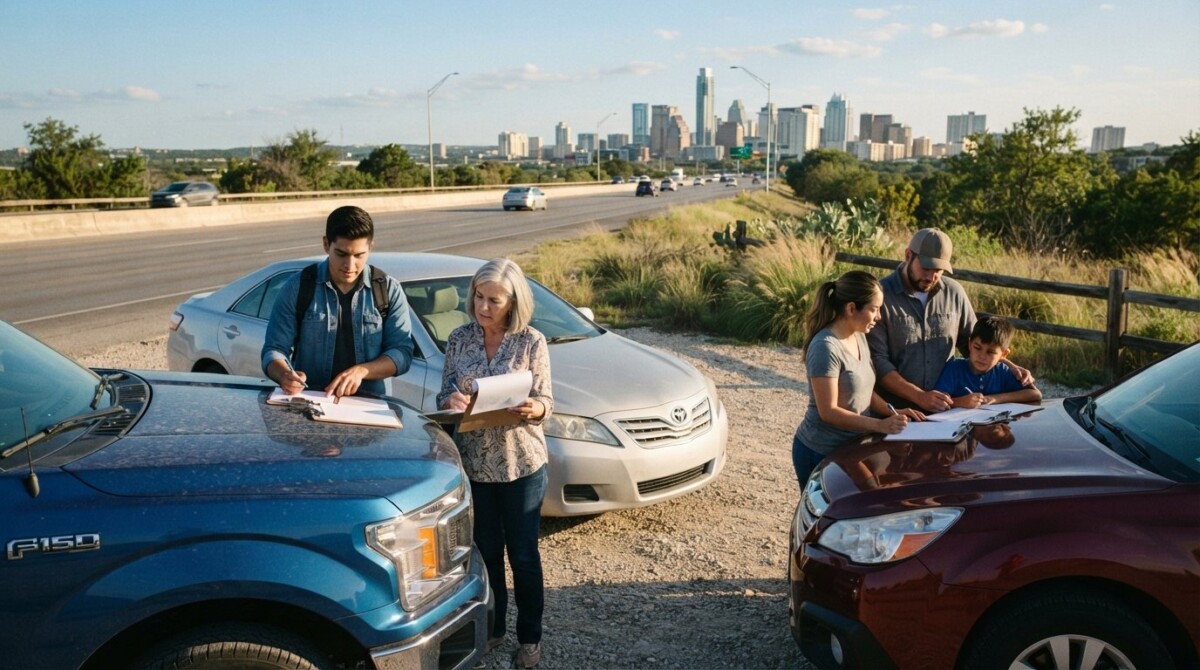
After an accident, exchange information with the other driver, take photos of the scene, and contact the police if there are injuries or significant damage. Notify your insurance company as soon as possible. Most carriers have mobile apps that let you start a claim and upload photos directly. For a deeper understanding of how accident forgiveness can protect your rates after a first accident, read our article on what is accident forgiveness auto insurance and how it works. This coverage is available from several carriers in Colorado and can prevent a single mistake from doubling your premium.
How Your Location Affects Colorado Auto Insurance Quotes
Your ZIP code is one of the most significant factors in determining your auto insurance rate. Insurers analyze claims data by area, including theft rates, accident frequency, and weather damage. Drivers in Denver and Colorado Springs typically pay higher premiums than those in smaller towns like Fort Collins or Grand Junction. Urban areas have more traffic congestion and higher repair costs, which increase risk.
However, even within the same city, rates can vary by neighborhood. For example, a ZIP code with a higher rate of hail claims will see higher comprehensive premiums. When you compare auto insurance quotes Colorado carriers generate, make sure you use your exact address. Some online tools provide estimated rates based on your ZIP code, but the final quote may change when your specific address is entered. If you are moving to a new area, get new quotes before you relocate to budget for any rate changes.
Special Considerations for New Drivers and Teenagers
Adding a teen driver to your policy in Colorado can double or triple your premium. Teenagers have the highest accident rates of any age group, and insurers price that risk accordingly. However, there are ways to reduce the impact. Many carriers offer good student discounts for teens with a B average or higher. Completing a driver’s education course can also lower rates. Some insurers even offer discounts for teens who maintain a clean driving record for 12 consecutive months.
Parents should also consider naming their teen as an occasional driver on an existing policy rather than buying a separate policy. This approach usually costs less. Additionally, choosing a safe, low-cost vehicle for your teen can make a big difference. A sedan with high safety ratings costs less to insure than a sports car or SUV. When shopping for auto insurance quotes Colorado families need, ask each carrier specifically about teen driver discounts and restrictions.
Comparing Online Quotes vs. Working with an Agent
Both online quote tools and local agents have advantages. Online comparison platforms like ours allow you to get auto insurance quotes Colorado multiple carriers in minutes without phone calls or appointments. You can compare rates at your convenience, save your quotes, and revisit them later. This approach works well for drivers who know what coverage they need and want a fast, data-driven decision.
Working with a local independent agent can be helpful if you have a complex situation, such as a poor driving record, a classic car, or a need for umbrella coverage. An agent can explain policy nuances, help you bundle coverages, and advocate for you during a claim. Many drivers use a hybrid approach: they get online quotes for initial comparison, then consult an agent to finalize the policy. For drivers in New York facing similar challenges, our article on finding affordable auto insurance NY drivers can trust provides additional strategies that translate well to the Colorado market.
Frequently Asked Questions
How much is auto insurance in Colorado per month?
The average cost of full coverage auto insurance in Colorado is approximately $150 to $200 per month, though rates vary widely by driver profile, location, and coverage limits. Minimum liability coverage averages around $60 to $90 per month. Shopping around is the best way to find a rate that fits your budget.
What is the penalty for driving without insurance in Colorado?
Driving without insurance in Colorado can result in fines up to $500, license suspension, and mandatory filing of an SR-22 form for three years. Repeat offenses carry harsher penalties, including possible jail time. It is far cheaper to maintain insurance than to pay these penalties.
Does Colorado require uninsured motorist coverage?
Colorado does not require uninsured motorist coverage, but insurers must offer it. You can reject it in writing. Given the high rate of uninsured drivers in the state, adding this coverage is strongly recommended for financial protection.
Can I get auto insurance with a suspended license in Colorado?
Yes, some carriers offer non-owner auto insurance policies for drivers with a suspended license. These policies provide liability coverage when you drive a vehicle you do not own. However, options are limited, and premiums are higher. Restoring your license should be a priority to access standard rates.
How do hail claims affect my Colorado auto insurance rates?
Filing a comprehensive claim for hail damage typically does not raise your rates as much as an at-fault accident claim. However, multiple claims in a short period can lead to non-renewal or a surcharge. Some carriers offer disappearing deductible programs that reduce your deductible each year you go without a claim, which can be valuable in hail-prone areas.
Getting the best auto insurance quotes Colorado has to offer requires research, patience, and a clear understanding of your needs. Start by using our free comparison tool to see rates from multiple carriers side by side. Then, review the coverage details, ask about discounts, and choose a policy that protects you, your family, and your vehicle. With the right approach, you can find affordable coverage that gives you peace of mind on Colorado’s beautiful but challenging roads.