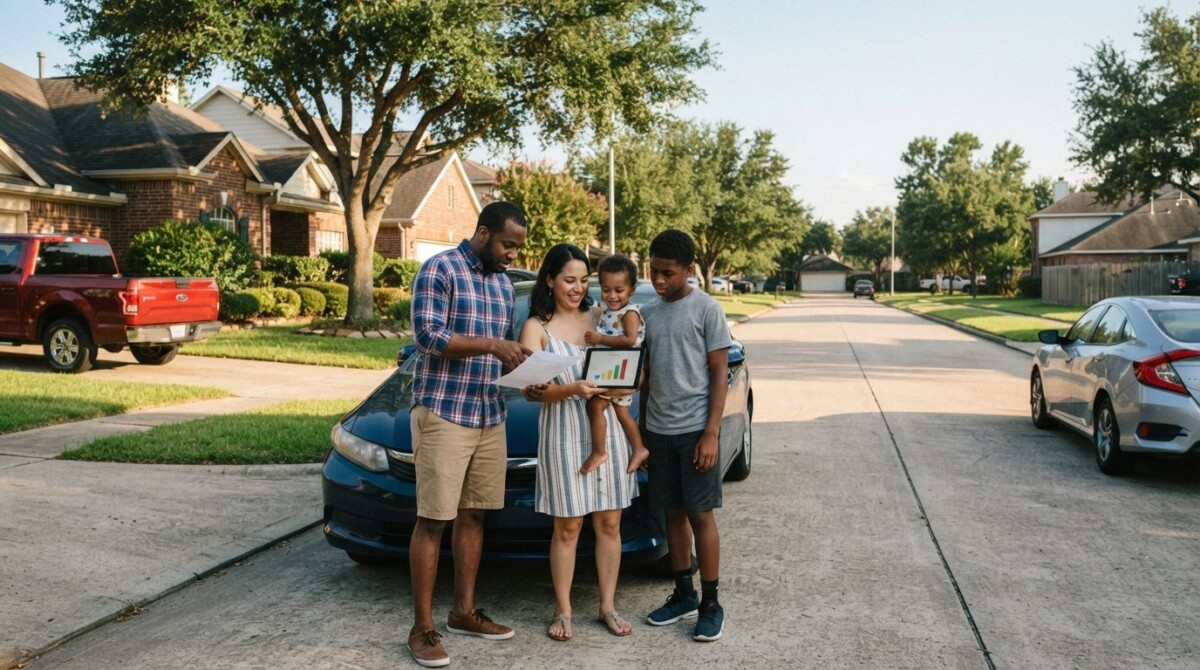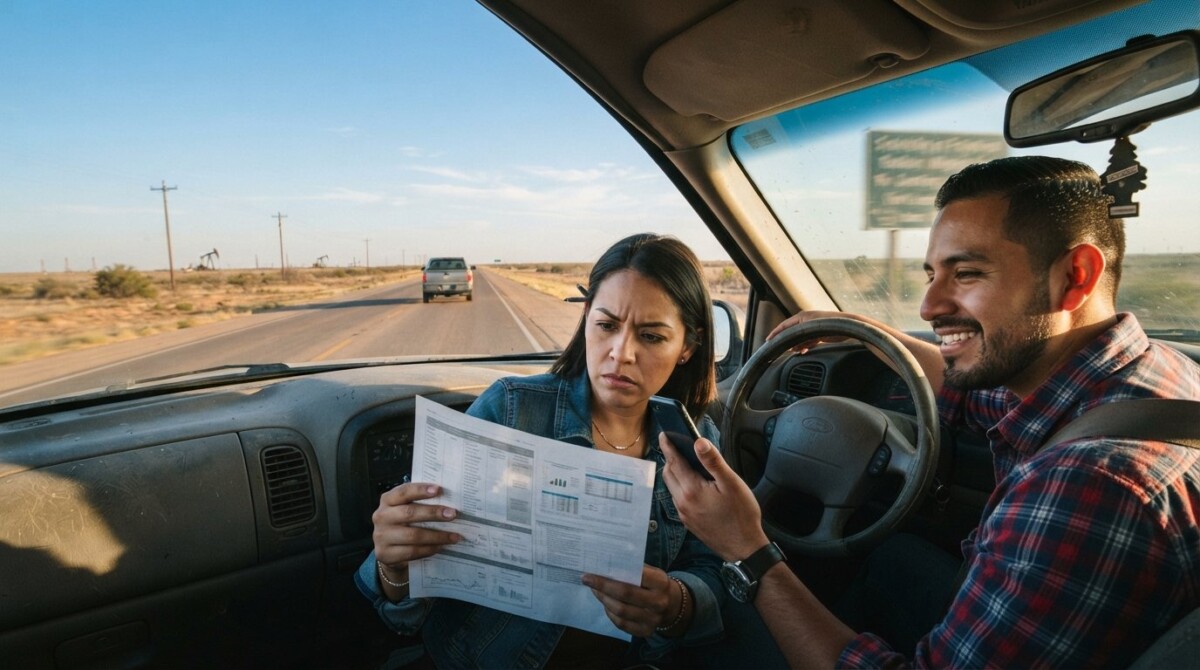
Texas roads are vast, and the insurance landscape here is just as expansive. If you have not shopped for auto insurance in the Lone Star State recently, you are likely leaving money on the table. Rates vary wildly between carriers, and the difference can be hundreds of dollars per year for the exact same coverage. The good news is that getting a clear picture of your options has never been easier, especially when you use a service that pulls multiple quotes at once. This guide breaks down how to navigate the Texas market, what factors move your premium, and how to lock in savings without sacrificing protection.
Why Texas Auto Insurance Rates Are Unique
Texas operates under a unique set of rules that directly affect what you pay. Unlike many other states, Texas uses a “file and use” system. This means insurers can adjust their rates without prior state approval, as long as they eventually file the changes with the Texas Department of Insurance. This flexibility allows carriers to react quickly to weather events, accident trends, and claim costs, which means rates can shift more frequently than in other regions.
Another major factor is the sheer size of the state. From the dense traffic of Houston to the wide-open rural highways in West Texas, the driving environment varies dramatically. Urban drivers face higher risks of collisions and theft, while rural drivers log more miles. Insurers price these risks into their algorithms, which is why a quote from one company can look completely different from a competitor’s offer for the same driver.
To see how these factors play out in a practical sense, you can check our breakdown of Texas auto insurance quotes and how to compare carriers. That resource dives into the specific numbers and market trends that are shaping premiums right now.
Minimum Coverage Requirements in Texas
Before you start comparing prices, you need to know the baseline. Texas law requires every driver to carry at least 30/60/25 coverage. This translates to $30,000 for bodily injury per person, $60,000 for bodily injury per accident, and $25,000 for property damage. These limits are the absolute minimum, but they are often not enough to protect your assets if you cause a serious accident.
Medical bills alone can easily exceed $30,000, and if you are sued, your personal savings and future wages could be at risk. Many financial advisors recommend carrying higher liability limits, such as 100/300/100, to provide a stronger buffer. The cost difference between minimum coverage and a more robust policy is often surprisingly small, sometimes just a few dollars a month.
Key Factors That Influence Your Premium
Insurance companies in Texas use a complex mix of data to set your rate. Some of these factors are within your control, while others are not. Understanding them helps you know where to focus your energy when trying to lower your bill.
Here are the primary variables that underwriters evaluate:
- Driving record: A clean record earns the best rates. Accidents and moving violations can stay on your record for three to five years and increase your premium significantly.
- Credit history: Texas allows insurers to use credit-based insurance scores. A higher score usually leads to lower rates, so it pays to review your credit report for errors before shopping.
- Location and mileage: Where you park your car and how far you drive daily matter. Urban zip codes and long commutes typically result in higher premiums.
- Vehicle type: The make, model, and trim level of your car influence repair costs and theft risk. A sports car will cost more to insure than a family sedan.
- Coverage choices: Your deductible and the limits you choose directly impact your premium. A higher deductible generally means a lower monthly payment.
Once you understand these variables, you can take targeted action. For instance, if your credit score has improved since you last shopped, you might qualify for a much better rate. Similarly, if you have moved to a safer neighborhood, that change alone could lower your premium.
How to Get Accurate Auto Insurance Quotes in Texas
Getting accurate quotes requires more than just typing your name into a website. To get a true comparison, you need to provide consistent information across every carrier. Use the same coverage limits, deductibles, and vehicle details for each quote. If you change the deductible or add comprehensive coverage to one quote but not another, the comparison becomes useless.
The best approach is to use a comparison platform that standardizes this process. Instead of visiting ten different insurer websites and re-entering your data each time, you can use a single form to reach multiple licensed agents. This saves time and ensures you are comparing apples to apples. You can explore how this works in our detailed guide on full coverage auto insurance quotes and how to compare them effectively.
Steps to Compare Effectively
Follow these steps to ensure you get the most accurate and useful quotes:
- Gather your information: Have your driver’s license, vehicle identification number (VIN), and current policy declaration page ready.
- Set a standard coverage profile: Decide on your desired liability limits, comprehensive and collision deductibles, and any add-ons like roadside assistance.
- Use a multi-quote tool: Submit your information through a service like Free Auto Insurance Quotes Online to receive offers from multiple carriers at once.
- Review the declarations page: When you receive quotes, check the fine print to ensure the coverage matches what you requested. Do not assume a lower price means the same coverage.
- Look for discounts: Ask about bundling home and auto, safe driver discounts, and low-mileage discounts. These can reduce your total cost by 10% to 25%.
This process might take 20 minutes, but the potential savings are substantial. A driver who saves $50 per month by switching carriers pockets $600 per year. Over three years, that is nearly $2,000 back in your pocket.
Common Discounts for Texas Drivers
Discounts are where you can find the biggest savings without sacrificing coverage. Insurers in Texas offer a variety of reductions, and most drivers qualify for at least one. You just have to ask for them. Many policies automatically apply some discounts, but others require you to proactively provide proof.
For example, many companies offer a discount if you take a defensive driving course. This is a low-cost way to save money and improve your skills. Others offer a telematics program where you install a device in your car or use a mobile app to track your driving habits. Safe drivers can save a significant percentage by proving their habits behind the wheel.
If you are a student or have a young driver in your household, look for good student discounts that reward a B average or higher. Also, check with your employer or professional associations to see if they have a partnership with an insurance company. These group discounts are often overlooked and can be substantial.
When to Shop for a New Policy
Timing matters when it comes to auto insurance. You do not have to wait until your current policy expires to shop. In fact, you can switch carriers at any time. Most insurers will refund the unused portion of your premium if you cancel early, provided you have paid in advance.
A good rule of thumb is to compare quotes at least once a year, typically 30 to 45 days before your renewal date. This gives you time to research and switch without a lapse in coverage. You should also shop immediately after any major life event, such as moving to a new city, buying a car, getting married, or adding a teen driver to your policy. These events can change your risk profile and your current carrier might not offer the best rate for your new situation.
For a forward-looking perspective on where rates are heading, you can review our analysis of auto insurance quotes in Texas and what to expect in 2026. Being proactive about these changes can prevent you from overpaying for months before you realize a better deal exists.
High-Risk Drivers Still Have Options
If you have a DUI, multiple accidents, or a lapse in coverage, you are considered a high-risk driver. Your rates will be higher, but you are not uninsurable. Texas maintains a Texas Automobile Insurance Plan Association (TAIPA) as a last resort, but you should first try standard carriers that specialize in non-standard policies.
These companies offer coverage to drivers with less-than-perfect records, but the premiums are steep. The key is to improve your record over time. As violations age off your record, you can re-shop and find more competitive rates. Working with a broker who has access to multiple high-risk carriers can help you find the best available price during this period. For a broader look at your possibilities, check out our resource on how to compare auto insurance quotes in Texas and save effectively.
Frequently Asked Questions
How much is auto insurance in Texas per month?
The average cost in Texas is around $120 per month for full coverage and about $55 per month for minimum liability. However, your actual rate depends on your age, driving record, credit score, and location. The only way to know your specific price is to get personalized quotes.
Can I get auto insurance without a down payment in Texas?
Yes, many insurers offer policies with no down payment or a low initial installment. However, you will typically need to pay the first month’s premium before coverage is active. Some companies also offer pay-in-full discounts if you pay for six months or a year upfront.
Does Texas require uninsured motorist coverage?
Texas does not require uninsured motorist (UM) coverage, but it is highly recommended. If an uninsured driver hits you, UM coverage pays for your medical bills and vehicle damage. Insurers must offer it, but you can reject it in writing. Given that a significant percentage of Texas drivers are uninsured, accepting this coverage is a smart financial move.
How do I lower my insurance rate quickly?
The quickest way is to raise your deductible. Moving from a $500 deductible to a $1,000 deductible can lower your collision and comprehensive premiums by 10% to 20%. You can also remove collision coverage on an older vehicle that is not worth much, but you should weigh the risk of paying for repairs yourself.
Your Next Step to Cheaper Coverage
Comparing auto insurance quotes in Texas is not a one-and-done task. It is an ongoing habit that keeps your budget in check. Start by gathering your current policy details and setting a target coverage level. Then, use a free comparison tool to see what the market offers you today. The difference between your current rate and a new quote might surprise you.
Do not let the process feel overwhelming. A single online form can put you in touch with licensed agents who can answer your questions and tailor a policy to your needs. With the right information and a willingness to switch, you can secure affordable coverage that protects you on every mile of Texas road.