Texas roads span vast distances, from Houston freeways to rural Hill Country routes, and every mile carries risk. For drivers in the Lone Star State, finding affordable protection is not just a monthly budget concern; it is a legal necessity. Yet, the process of comparing auto insurance quotes Texas drivers face can feel overwhelming, especially when rates vary by hundreds of dollars for the same coverage. Understanding how insurers calculate premiums in this state is the first step toward turning that confusion into savings.
Unlike some states that set standard rates, Texas operates under a competitive marketplace. This means each carrier uses its own formula to assess risk, which is why one company might charge a 25-year-old Austin driver $1,800 annually while another quotes $1,200 for identical limits. The good news is that this variance works in your favor if you know how to shop strategically. By leveraging multiple quotes and understanding local factors, you can secure a policy that fits both your coverage needs and your wallet.
Why Texas Insurance Rates Vary So Widely
Insurance is fundamentally about predicting risk, and Texas presents a unique set of variables that carriers must price into every policy. Severe weather, including hail storms in Dallas and flooding along the Gulf Coast, leads to frequent comprehensive claims. Additionally, the state has one of the highest rates of uninsured drivers in the nation, which pushes up the cost of uninsured motorist coverage and general liability premiums. When you request auto insurance quotes Texas providers will weigh these regional threats heavily.
Your personal profile also plays a massive role. Insurers look at your driving record, credit history, age, and even marital status. Texas law allows the use of credit-based insurance scores, meaning a strong credit profile can lower your rate significantly. Furthermore, your ZIP code matters. A driver in a densely populated area like San Antonio or Fort Worth will likely pay more than someone in a rural county due to higher accident frequency and theft rates.
The Minimum Coverage Puzzle: Cheap vs. Smart
Texas law requires drivers to carry at least 30/60/25 coverage, which means $30,000 in bodily injury liability per person, $60,000 per accident, and $25,000 in property damage liability. While these minimums are the cheapest way to satisfy legal requirements, they often leave drivers dangerously exposed. If you cause an accident involving serious injuries, medical bills can quickly exceed $60,000, leaving you personally responsible for the difference.
When comparing cheap auto insurance quotes Texas drivers should consider whether minimum limits are truly worth the risk. Adding collision and comprehensive coverage is essential if you have a car loan or lease, as lenders will require it. Even for older vehicles, dropping collision might save money, but you must be prepared to absorb the total loss cost yourself. A licensed agent can help you model different scenarios to find the sweet spot between premium affordability and financial protection.
Understanding Uninsured Motorist Coverage
One coverage you should rarely skip in Texas is uninsured motorist (UM) insurance. With nearly one in five Texas drivers lacking insurance, you have a significant chance of being hit by someone without valid coverage. UM protection pays for your medical bills and vehicle damage if the at-fault driver is uninsured or underinsured. It is relatively inexpensive compared to your main liability limits, often adding only a small percentage to your total premium.
While you can reject UM coverage in writing in Texas, doing so is a gamble. In our guide on auto insurance for first-time buyers, we emphasize that UM coverage is a critical safety net. Without it, you could face thousands in out-of-pocket medical costs after an accident that was not your fault.
How to Compare Quotes Effectively
Getting auto insurance quotes Texas providers offer is only half the battle; the real challenge is comparing them accurately. To do this, you must ensure every quote you request is based on the exact same coverage limits and deductibles. Comparing a quote with $500 deductibles against one with $1,000 deductibles is like comparing apples to oranges. Always specify the same liability limits, comprehensive and collision deductibles, and optional coverages like roadside assistance.
Here are the key steps to ensure an apples-to-apples comparison:
- Set your baseline: Decide on your minimum liability limits (consider 50/100/50 or higher for better protection) and stick to them.
- Choose your deductibles: Select a dollar amount you can comfortably afford out of pocket, typically $500 or $1,000.
- List your drivers: Include every licensed driver in your household who has access to your vehicle.
- Provide accurate mileage: Your annual commute distance affects your premium, so be precise.
Once you have standardized these variables, you can see which carrier genuinely offers the best rate for the same product. This process reveals that the cheapest insurer for one driver might be the most expensive for another based on age, vehicle, and location. Taking twenty minutes to gather this data can save you over $500 a year in many cases.
Discounts That Slash Your Premium
Beyond the base rate, insurers offer a variety of discounts that can dramatically reduce your final cost. Most shoppers know about the good driver discount for maintaining a clean record, but many overlook other savings opportunities. Bundling your auto policy with homeowners or renters insurance is often the easiest way to save, frequently unlocking a multi-policy discount of 10 to 25 percent.
Students and young drivers have unique opportunities to save. Maintaining a B average or higher can qualify for a good student discount, while completing a defensive driving course often yields a further reduction. For those under 25, being listed on a parent’s policy is usually cheaper than holding an individual one. Families with multiple vehicles should also explore multi-car discounts, which can lower the premium on each vehicle. For a deeper dive into these savings, check out our breakdown of auto insurance discounts for students.
Another powerful discount involves usage-based insurance programs. These telematics programs use a mobile app or device to monitor your driving habits, including hard braking, speeding, and mileage. Safe drivers can earn substantial discounts, sometimes up to 30 percent, simply by proving they are low-risk. However, aggressive drivers should be cautious, as this program may raise rates if the data shows risky behavior.
Navigating the Texas Claims Process
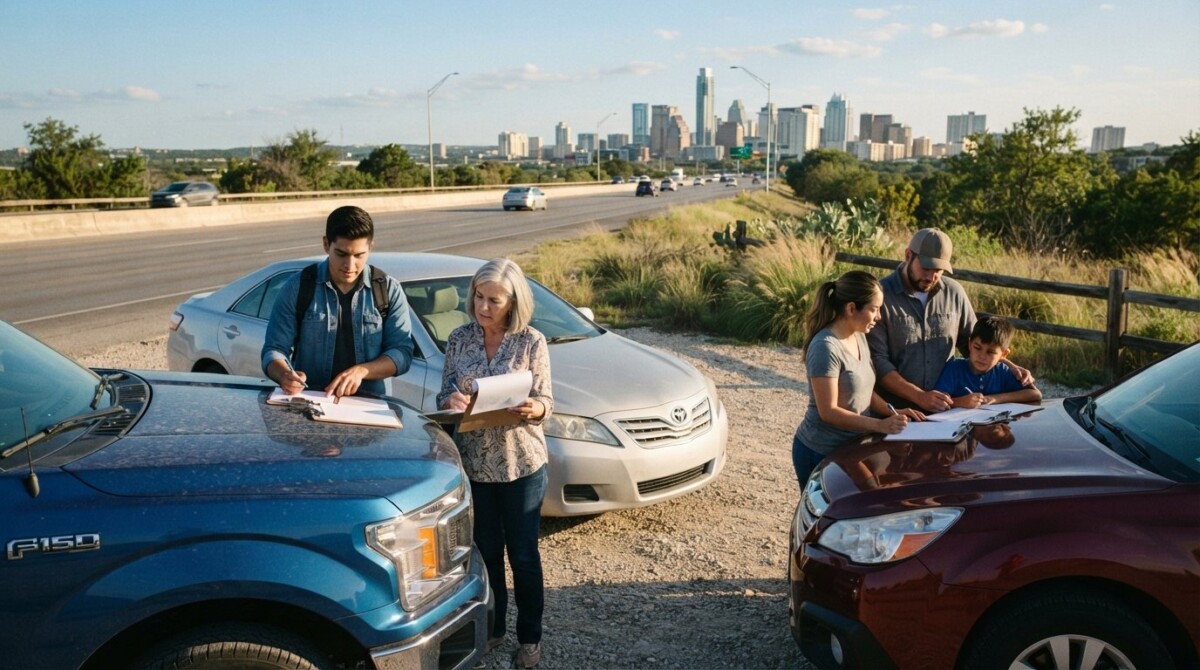
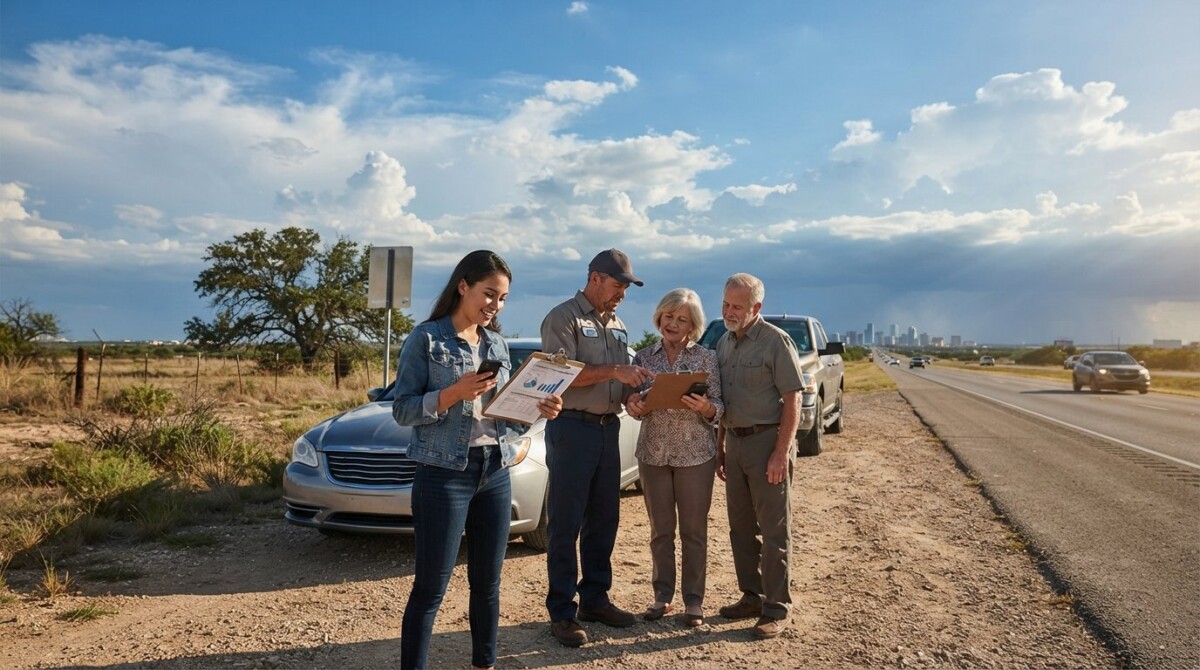
Even with the best coverage, accidents happen, and understanding the claims process is vital. After a collision, your first step is to ensure everyone is safe and call the police if there are injuries or significant damage. Exchange information with the other driver, including name, policy number, and license plate. Do not admit fault at the scene, as this can complicate your claim later.
When you file a claim, your insurer will assign an adjuster to assess the damage. In Texas, you have the right to choose your own repair shop, and insurers cannot force you to use a specific facility. If you disagree with the settlement offer, you have options to negotiate or seek an independent appraisal. Understanding your rights is crucial, particularly if you face a disputed claim. For comprehensive guidance on handling conflicts, our resource on auto insurance tips for young drivers offers practical advice on navigating initial claims and avoiding common pitfalls.
Why Using a Comparison Platform Makes Sense
Visiting multiple carrier websites individually to request quotes is time-consuming and often leads to a flood of spam calls. A more efficient approach is using a centralized comparison service like Free Auto Insurance Quotes Online. Instead of submitting your information to five different companies, you fill out one form and receive offers from multiple licensed agents. This saves time and reduces the number of unsolicited contacts you receive.
The platform is designed to address the pain points Texas drivers face, particularly the confusion around coverage types and the frustration of high rates. Whether you are a high-mileage commuter in the Metroplex or a senior driver in El Paso, the service connects you with carriers that specialize in your demographic. There is no obligation to purchase, and the quotes are free, allowing you to research your options without pressure.
High-Risk Drivers and SR-22 Requirements
If you have a DUI, multiple at-fault accidents, or a lapse in coverage, you fall into the high-risk category. This designation leads to significantly higher premiums, sometimes double or triple the standard rate. Additionally, Texas courts or the DMV may require you to file an SR-22, which is a certificate of financial responsibility proving you carry the minimum required insurance. This form is not an insurance policy itself but an endorsement that your insurer files with the state.
Finding affordable coverage with an SR-22 can be challenging, but it is not impossible. Some insurers specialize in high-risk drivers and offer policies designed specifically for this segment. Be prepared to pay a higher rate initially, but note that you can typically request a rate review after maintaining a clean record for six to twelve months. Comparing quotes from specialized carriers is essential, as rates can vary by several hundred dollars for the same risk profile. For residents in other states facing similar issues, the process is comparable, as seen in this guide to auto insurance in Massachusetts, though Texas-specific regulations apply here.
Frequently Asked Questions
How often should I shop for new car insurance quotes in Texas?
Experts recommend comparing rates at least once every six months, especially when your policy is up for renewal. Life changes such as moving, getting married, or buying a new car can also trigger a rate change, making it a smart time to re-shop.
Does my credit score really affect my Texas auto insurance rate?
Yes. Texas insurers are permitted to use credit-based insurance scores. Drivers with excellent credit often pay significantly less than those with poor credit, sometimes 50 percent or more for identical coverage.
Can I get auto insurance without a down payment in Texas?
Many insurers offer policies with no down payment or allow you to pay in monthly installments. However, these plans may include installment fees. Some carriers also offer a pay-in-full discount, which can save you around 10 percent annually.
What is the penalty for driving without insurance in Texas?
First-time offenders face fines ranging from $175 to $350. Subsequent offenses can result in fines up to $1,000, vehicle impoundment, and license suspension. You may also be required to file an SR-22 for up to two years.
Making Your Final Decision
Securing the right auto insurance quotes Texas has to offer is about balancing cost with coverage confidence. The cheapest policy is not always the best value if it leaves you vulnerable after a serious accident. Conversely, overpaying for coverage you do not need wastes money that could be saved for other priorities. By understanding your personal risk factors, the state’s unique requirements, and the discounts available, you position yourself to make an informed choice.
Start by gathering quotes from multiple sources to see the landscape of available rates. Use the comparison tools on this site to simplify the process and ensure you are seeing offers from reputable, licensed carriers. Once you have a few options, review the coverage details carefully and do not hesitate to ask an agent questions about anything unclear. Taking these steps today can lead to significant savings and peace of mind on every Texas road you travel.