Young drivers have always faced higher premiums, but the landscape is shifting fast in 2026. New state regulations, usage-based insurance programs, and a wave of telematics technology are creating opportunities to save hundreds of dollars per year. Whether you are a teenager getting your first policy or a parent adding a teen driver, understanding these 2026 updates can help you find affordable coverage without sacrificing protection. At Free Auto Insurance Quotes Online, we help you compare rates from multiple carriers to find the best deal for your situation.
Why Young Driver Rates Are Changing in 2026
Insurance companies rely on statistical risk, and young drivers historically file more claims and engage in riskier driving behaviors. However, 2026 brings several shifts that are reshaping how insurers calculate premiums. First, more states are adopting rules that limit the use of credit scores and education levels in rate setting, which previously penalized many young policyholders. Second, the rise of advanced driver assistance systems (ADAS) in newer vehicles is reducing the frequency of certain accidents. Third, insurers are expanding usage-based insurance (UBI) programs that reward safe driving with lower rates.
These changes mean that young drivers who take proactive steps can now access premiums that were previously reserved for older, more experienced motorists. The key is knowing which discounts to pursue and how to present yourself as a lower risk to carriers. For a deeper look at the broader market, read our 2026 auto insurance trends shaping your rates article.
Top Discounts and Savings Programs for 2026
Insurance companies offer a variety of discounts that directly benefit young drivers. The challenge is that many families do not know to ask for them. In 2026, the following discounts are widely available and can significantly reduce your premium.
Before we list the specific discounts, it helps to understand that most carriers require you to request these savings. They will not automatically apply every discount to your policy. When you shop for quotes, ask each agent about the discounts below and confirm they are reflected in your rate.
- Good Student Discount: Maintain a B average or higher in high school or college. This can reduce your premium by 10 to 25 percent depending on the carrier.
- Driver Training Discount: Complete an approved driver education course, even if your state does not require it. Many insurers offer a 5 to 15 percent discount.
- Telematics or Usage-Based Discount: Install an app or device that monitors your speed, braking, and mileage. Safe driving can earn you 20 to 40 percent off.
- Bundling Discount: Add your policy to a parent’s existing auto or home insurance plan. This often saves 10 to 25 percent on each policy.
- Low Mileage Discount: If you drive fewer than 7,500 miles per year, you may qualify for a reduced rate.
Each discount has specific eligibility criteria. For example, the good student discount typically requires a report card or transcript each year. The telematics discount requires you to maintain good driving habits for a set period, usually three to six months, before the savings kick in. Combining multiple discounts can lead to substantial annual savings, sometimes exceeding 40 percent off the base rate.
Usage-Based Insurance: A Game Changer for Young Drivers
Usage-based insurance (UBI) programs are the most transformative development for young drivers in 2026. Instead of relying on age, gender, and credit score, these programs measure your actual driving behavior. If you drive safely, you pay less. This is especially beneficial for young drivers who are responsible behind the wheel but get penalized by demographic factors they cannot control.
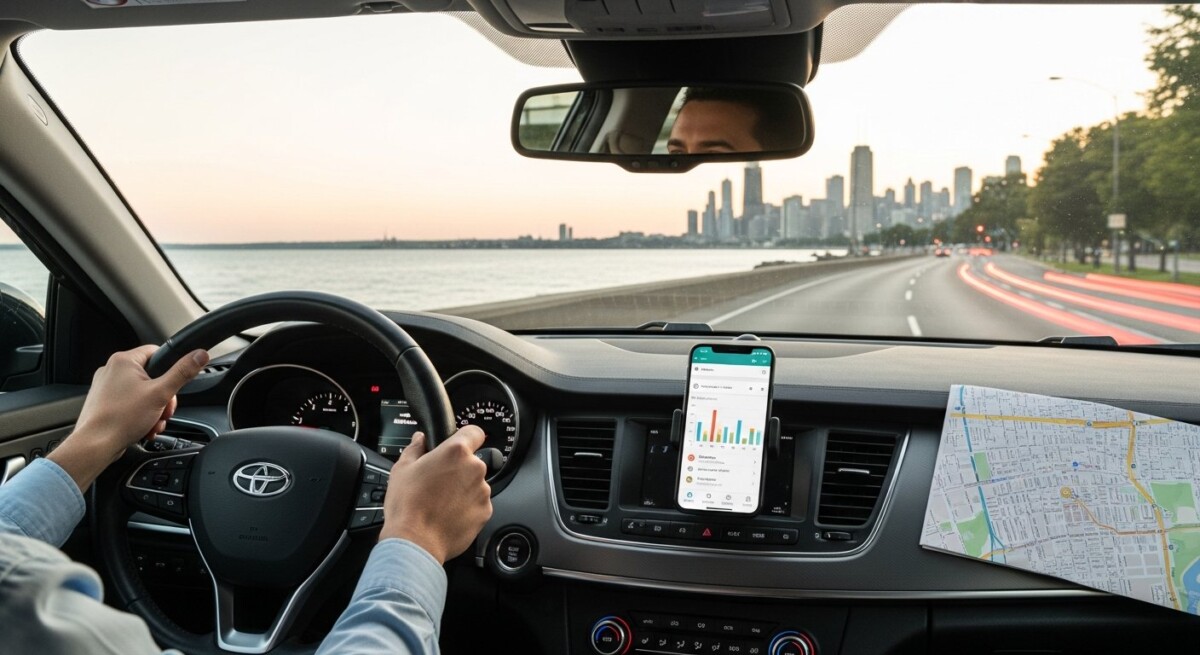
Most UBI programs use a smartphone app or a small plug-in device that connects to your car’s diagnostic port. They track metrics such as:
- Hard braking events
- Rapid acceleration
- Speeding over the limit
- Time of day you drive (late-night driving is considered riskier)
- Total miles driven
In 2026, many insurers have improved the transparency of these programs. You can typically view your driving score in real time and see how specific behaviors affect your rate. Some carriers even offer a one-time rate adjustment after the first 90 days, so you do not have to wait a full year for savings. For a complete overview of how to compare policies, check our 2026 guide to comparing auto insurance quotes.
State-Specific Requirements and How They Affect Young Drivers
Insurance requirements vary by state, and young drivers must comply with their state’s minimum liability limits. In 2026, several states have increased their minimum coverage amounts, which can raise premiums for younger policyholders who only buy the bare minimum. However, carrying higher limits is often advisable because it provides better financial protection in an accident.
For instance, California and New York have some of the highest minimum liability limits in the country. Young drivers in these states should expect to pay more than their peers in states like Ohio or Indiana, where minimums are lower. Additionally, some states have implemented graduated licensing laws that affect insurance rates. If you hold a learner’s permit or a provisional license, your premium may be higher until you obtain a full, unrestricted license.
Beyond state minimums, consider adding uninsured motorist coverage and medical payments coverage. Young drivers are statistically more likely to be injured in an accident, and these coverages can help pay for medical bills without draining your savings. Our platform can help you compare quotes that meet your state’s requirements while also offering optional protection.
How Parents Can Help Young Drivers Get Affordable Coverage
If you are a parent adding a teen driver to your policy, you have several strategies to keep costs manageable. The most effective approach is to keep the young driver on your existing policy rather than purchasing a separate one. Insurers offer multi-car and multi-policy discounts that significantly reduce the incremental cost of adding a teen.
You should also review your own coverage limits and deductibles. If you have high liability limits and low deductibles, your premium will be higher overall. Consider raising your deductible to $1,000 or more, which can lower your premium by 15 to 30 percent. Just make sure you have that amount set aside in an emergency fund in case of a claim.
Another powerful tool is to designate the young driver as an occasional operator on your policy, especially if they only drive one of the family’s cars infrequently. Some insurers offer a reduced rate for drivers who are listed as occasional rather than primary. Be honest about how often the teen drives, because misrepresentation can lead to a denied claim later. For more guidance on the entire process, read our 2026 auto insurance guide for first-time buyers.
Technology and Telematics: What Young Drivers Should Know
Beyond usage-based insurance, technology is changing how young drivers interact with their insurers. Many carriers now offer mobile apps that allow you to file claims, request roadside assistance, and view your digital ID card. Some apps even provide feedback on your driving habits and tips to improve your score.
In 2026, a growing number of insurers are integrating with connected car systems. If your vehicle has built-in telematics (like OnStar or FordPass), you may be able to share that data with your insurer to qualify for discounts without installing a separate device. This simplifies the process and ensures more accurate data collection.
However, privacy is a valid concern. Before enrolling in any telematics program, read the data-sharing agreement carefully. Understand what data is collected, how long it is stored, and whether it can be used against you in the event of a claim. Most reputable insurers only use the data to determine discounts and will not share it with third parties without your consent.
Common Mistakes Young Drivers Make When Buying Insurance
Young drivers often make avoidable errors that cost them money or leave them underinsured. One frequent mistake is buying only the state minimum liability coverage. While this keeps your monthly payment low, it can leave you personally responsible for thousands of dollars in damages if you cause a serious accident. In 2026, medical costs and vehicle repair prices are higher than ever, making minimum coverage a risky choice.
Another mistake is not shopping around. Many young drivers accept the first quote they receive, often from the same company their parents use. Rates can vary by hundreds of dollars between carriers for the exact same coverage. Using a comparison platform like Free Auto Insurance Quotes Online allows you to see multiple quotes side by side and choose the best value.
Finally, some young drivers fail to update their policy when their circumstances change. Moving to a new address, getting a new job, or buying a safer car can all lower your premium. Set a reminder to review your policy every six months and request updated quotes. If your driving record has improved since your last renewal, you may qualify for a lower rate.
Student-Specific Discounts and Programs
Students have access to unique discounts that are not available to other drivers. In addition to the good student discount mentioned earlier, many insurers offer discounts for students who attend college away from home. If you take your car to school, you may still qualify for a discount if your campus is more than 100 miles from your home address.
Some carriers also offer a discount for students who complete a defensive driving course online. These courses take a few hours and can be done from your dorm room. The certificate is typically valid for three years, so the savings can add up over time. For a detailed list of all available student discounts, see our 2026 auto insurance discounts for students save big article.
Frequently Asked Questions
Can I get auto insurance if I am under 18?
Yes, many insurers offer policies for drivers under 18, but you will need a parent or guardian to co-sign the policy. In most states, you must have a valid learner’s permit or driver’s license to be listed on a policy.
How much does auto insurance cost for a 16-year-old in 2026?
The average cost for a 16-year-old driver in 2026 ranges from $3,000 to $6,000 per year, depending on the state, vehicle, and coverage levels. Using telematics and good student discounts can reduce this by 30 to 50 percent.
Does my credit score affect my rate as a young driver?
In most states, yes. However, California, Hawaii, Massachusetts, and Michigan prohibit or restrict using credit scores in auto insurance pricing. If you live in a state that allows it, work on building your credit by paying bills on time and keeping credit card balances low.
What is the best car for a young driver to insure?
Generally, older vehicles with good safety ratings and lower horsepower are cheapest to insure. Examples include the Honda Civic, Toyota Corolla, and Subaru Impreza. Avoid sports cars, luxury vehicles, and models with high theft rates.
We hope this guide helps you navigate the 2026 auto insurance landscape. Young drivers who stay informed about discounts, telematics, and state requirements can find affordable coverage that protects them on the road. Use our free comparison tool to get personalized quotes from top carriers and start saving today.