Driving 15,000, 20,000, or even 30,000 miles a year in New York presents a unique challenge. Standard insurance policies often fail to account for the increased exposure and wear that comes with high mileage. For commuters, rideshare drivers, and road warriors, finding the right coverage is not just about compliance. It is about protecting a vehicle that works hard every day. This guide explains how to secure affordable, robust auto insurance for high-mileage vehicles in New York without sacrificing necessary protection.
Why High Mileage Changes Your Risk Profile
Insurance carriers calculate premiums based on risk. The more time a vehicle spends on the road, the higher the probability of an accident. In New York, dense traffic, aggressive driving patterns, and unpredictable weather compound this risk. High-mileage drivers are statistically more likely to file claims for collisions, road debris damage, and mechanical failures linked to wear. This reality means insurers often charge higher rates or apply mileage surcharges once a driver exceeds 12,000 to 15,000 miles annually.
However, not all insurers penalize high mileage equally. Some companies specialize in policies for drivers who log significant annual distances. Understanding your mileage bracket (10k-15k, 15k-20k, or 20k+) is the first step to comparing accurate quotes. If you drive for work or live in a borough like Manhattan or Brooklyn, your daily commute alone can push you into a higher tier. In our guide on auto insurance Massachusetts: smart protection for every vehicle, we discuss similar regional factors that influence rate calculations. The principle applies here: accurate mileage reporting prevents claim denials and rate adjustments later.
Coverage Essentials for High-Mileage Drivers in NY
New York State mandates minimum liability coverage of $25,000 per person and $50,000 per accident for bodily injury, plus $10,000 for property damage. But for high-mileage drivers, minimum coverage is rarely sufficient. Consider these critical coverage add-ons.
Collision and Comprehensive
If you finance or lease your vehicle, your lender requires collision and comprehensive coverage. Even if you own your car outright, high-mileage vehicles depreciate faster. However, a single accident can total a car that still has significant value. Collision covers damage from accidents with other vehicles or objects. Comprehensive covers theft, vandalism, weather damage, and animal strikes. Given the increased exposure on New York highways, both are strongly recommended.
Uninsured and Underinsured Motorist Coverage
New York has a high rate of uninsured drivers. If you are hit by a driver without insurance, uninsured motorist coverage pays for your medical bills and lost wages. Underinsured motorist coverage kicks in when the at-fault driver’s policy limits are too low to cover your expenses. High-mileage drivers face a greater chance of encountering these scenarios. This coverage is relatively inexpensive and provides critical financial protection.
Rideshare Gap Coverage
If you drive for Uber, Lyft, or a delivery service, your personal auto policy may not cover you while you are logged into the app and waiting for a ride request. This is a dangerous gap. Rideshare coverage fills the void between your personal policy and the company’s commercial policy. Without it, a single accident during that waiting period could leave you personally liable for thousands of dollars in damages. This is a must-have add-on for any high-mileage driver who uses their car for gig work.
How to Lower Premiums Without Dropping Coverage
High mileage does not mean you must pay exorbitant rates. Several strategies can reduce your premium while keeping your coverage robust. First, inquire about pay-per-mile insurance. Some carriers offer policies where you pay a base rate plus a small per-mile fee. This can be cost-effective if your mileage fluctuates month to month. Second, bundle your auto policy with homeowners or renters insurance for a multi-policy discount. Third, ask about safe driver discounts. Many insurers offer a discount if you install a telematics device or use a smartphone app that tracks your driving habits. If you drive smoothly and avoid hard braking, you can save 10% to 30%.
Another effective tactic is to increase your deductible. Raising your collision deductible from $500 to $1,000 can lower your premium by 10% to 20%. Just ensure you have that amount saved in an emergency fund. Finally, maintain a clean driving record. Traffic tickets and at-fault accidents are the fastest way to spike your rates. Defensive driving courses in New York can also earn you a discount of up to 10% for three years. Compare these options carefully. For drivers with multiple vehicles, our guide on 7 best auto insurance for new drivers in New York provides additional strategies for managing family policies that can also apply to high-mileage households.
Comparing Quotes for High-Mileage Policies
Not all insurers treat high mileage the same way. Some automatically place you in a high-risk category, while others have specific products for frequent drivers. The best way to find affordable coverage is to compare quotes from multiple carriers. When you request a quote, be precise about your annual mileage. Exaggerating can lead to higher premiums. Underestimating can result in a claim denial if the insurer discovers you drive more than reported.
When comparing policies, look beyond the monthly premium. Evaluate the coverage limits, deductibles, and exclusions. A cheap policy with low limits may leave you vulnerable. Also, check the insurer’s financial strength rating and customer service reviews. High-mileage drivers need a carrier that handles claims efficiently and has a strong network of repair shops. Using a comparison platform like Free Auto Insurance Quotes Online simplifies this process. You fill out one form and receive multiple quotes from vetted providers. This saves time and ensures you see a wide range of options. For drivers in other states, similar strategies apply. For example, in our article on auto insurance Florida: protect your vehicle with top providers, we highlight how state-specific factors like no-fault laws affect coverage choices. New York is also a no-fault state, so understanding personal injury protection (PIP) limits is crucial.
Special Considerations for New York City Drivers
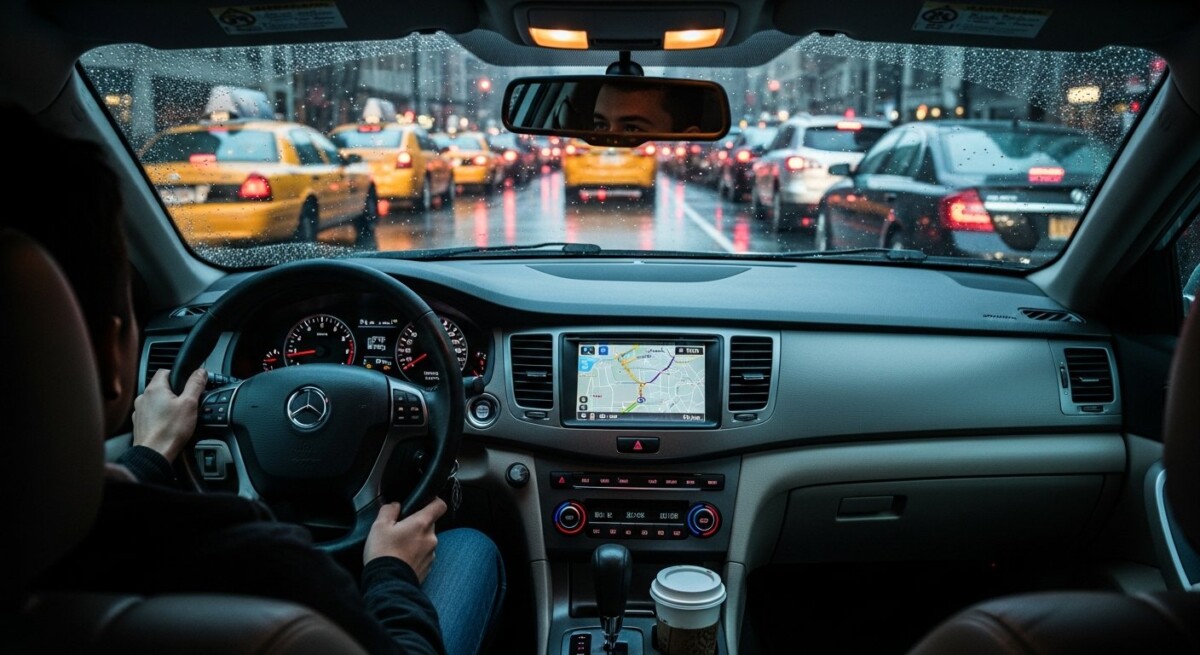
Driving in New York City presents distinct challenges for high-mileage drivers. Congestion, frequent stop-and-go traffic, and tight parking spaces increase the likelihood of minor collisions and vandalism. Comprehensive coverage is particularly valuable here, as theft rates and parking lot dings are common. Additionally, New York City has some of the highest auto insurance rates in the country. To combat this, consider a policy with a higher deductible for collision but a low deductible for comprehensive. This balances the risk of expensive repairs from parking lot incidents with the lower cost of accident coverage.
Another factor is garage location. Insurers ask where you park your car overnight. A vehicle parked on the street in a dense urban area will have a higher premium than one kept in a private garage. If you can, secure a garage spot. It can lower your rate and protect your car from weather and theft. Finally, be aware of the New York State Insurance Department’s regulations. They require insurers to offer certain discounts, such as anti-theft device discounts and defensive driving course discounts. Make sure your agent applies all available discounts to your policy. For a broader perspective on how different states handle insurance for various driver profiles, you can reference our analysis in auto insurance Wyoming: get the best deal for your vehicle, which demonstrates how regional factors shape coverage needs.
Frequently Asked Questions
Do I need to tell my insurer if I start driving more miles?
Yes. Failing to update your annual mileage can lead to a claim being denied or your policy being canceled. Most insurers allow you to update your mileage mid-term. If your mileage increases significantly, your rate may go up, but it is better to pay a higher premium than to have no coverage when you need it.
Is there a mileage cap for standard auto insurance?
Many standard policies cap annual mileage at 12,000 to 15,000 miles. If you exceed this, you may be moved to a high-mileage tier or need a specialty policy. Some insurers offer policies that allow up to 25,000 or 30,000 miles per year. Always confirm the mileage limit before purchasing.
Can I get a discount for low mileage if I drive a hybrid or electric car?
Some insurers offer discounts for hybrid or electric vehicles, but these are usually separate from mileage discounts. A low-mileage discount is based solely on how much you drive. If you drive a hybrid but still log 20,000 miles a year, you will not qualify for a low-mileage discount. However, you may still save on fuel costs and qualify for an eco-friendly vehicle discount.
What happens if my car breaks down due to high mileage?
Standard auto insurance does not cover mechanical breakdowns due to wear and tear. However, if you have roadside assistance coverage, it can help with towing, flat tires, and lockouts. For major repairs, you would need a mechanical breakdown insurance policy or an extended warranty. High-mileage vehicles are more prone to breakdowns, so consider adding roadside assistance to your policy.
Does my insurance cover me if I use my car for business deliveries?
It depends on the policy. Personal auto policies generally exclude commercial use, including food delivery, courier services, and ridesharing. If you use your car for business, you need a commercial auto policy or a personal policy with a rideshare or business use endorsement. Driving without proper coverage can void your policy entirely.
Final Thoughts on Insuring Your High-Mileage Vehicle
Finding affordable auto insurance for high-mileage vehicles in New York requires diligence and a clear understanding of your driving habits. Accurate mileage reporting, strategic coverage choices, and regular quote comparisons are the three pillars of a smart insurance strategy. Do not assume that all insurers will penalize you. Many carriers compete for high-mileage drivers by offering usage-based programs or flexible policies. Start by gathering quotes from multiple providers using a trusted comparison service. With the right approach, you can secure comprehensive protection that fits your budget and keeps you on the road with confidence.