
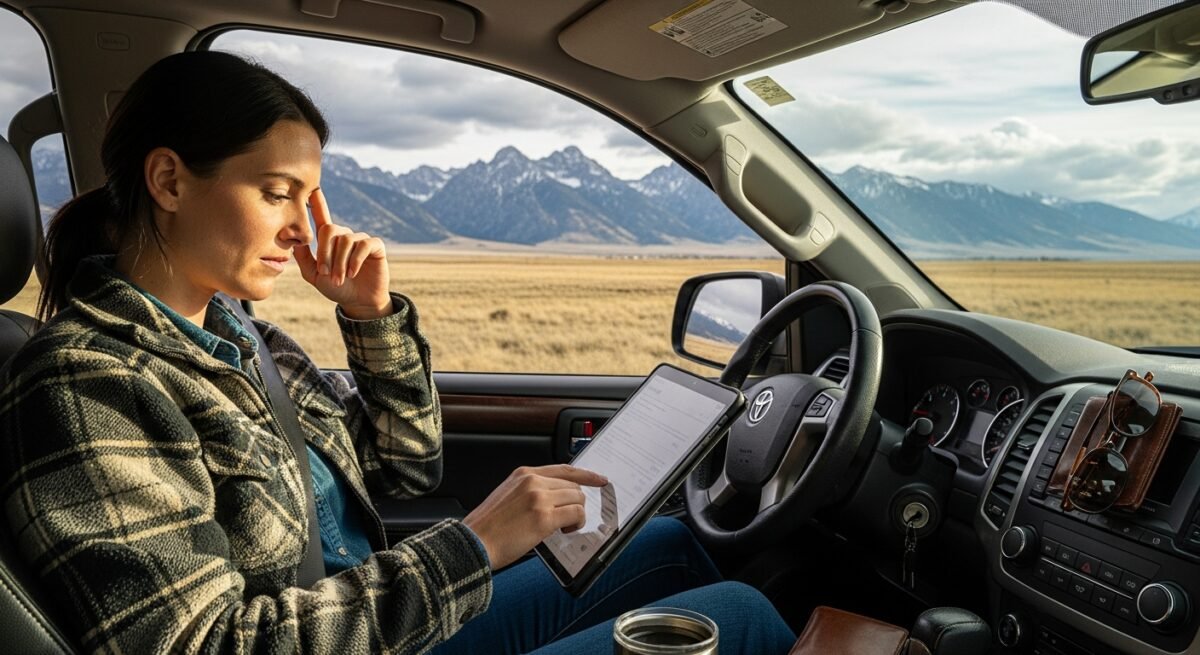
Auto Insurance Montana: Expert Tips to Lower Your Premiums
Navigate Montana’s unique driving risks and legal requirements. This guide explains how to secure affordable, comprehensive auto insurance Montana coverage that protects you from wildlife collisions to winter storms.

By Marcus Bennett
Driving through Montana’s breathtaking landscapes, from the rugged Rockies to the expansive plains, comes with a unique set of challenges and responsibilities. For every resident navigating the state’s vast distances and variable weather, securing the right auto insurance Montana policy is not just a legal formality but a critical component of financial security. Understanding the intricacies of Montana’s insurance laws, coverage options, and the factors that influence your premium can feel as complex as navigating a mountain pass in a snowstorm. This guide is designed to demystify the process, helping you make informed decisions that protect you, your passengers, and your vehicle without straining your budget.
Understanding Montana’s Minimum Auto Insurance Requirements
Like every state, Montana mandates a minimum level of auto insurance coverage for all registered vehicles. State law requires drivers to carry liability insurance to cover costs associated with injuries or property damage you may cause to others in an accident. The minimum limits in Montana are expressed as 25/50/20. This means your policy must provide at least $25,000 for bodily injury per person, $50,000 for total bodily injury per accident, and $20,000 for property damage. It is crucial to understand that these are only the minimum legal requirements and may not be sufficient to fully protect your assets in the event of a serious collision. Given Montana’s rural nature and the potential for high-speed incidents on its long highways, medical and repair costs can quickly exceed these minimums, leaving you personally liable for the difference.
Beyond the basic liability coverage, Montana is a tort state, meaning the driver who is found at fault for an accident is financially responsible for the resulting damages. This system underscores the importance of carrying adequate liability limits. While not legally required for all drivers, you will also need to consider additional coverages. For instance, if you finance or lease your vehicle, your lender will require both comprehensive and collision coverage to protect their financial interest in the car. Furthermore, Montana law requires uninsured motorist coverage to be offered with every policy, and you must sign a waiver if you choose to decline it. This coverage protects you if you are hit by a driver with no insurance or in a hit-and-run scenario, a vital safeguard worth serious consideration.
Factors That Influence Your Montana Auto Insurance Premiums
Insurance companies use a complex algorithm to determine your individual risk profile, which directly translates to your premium. In Montana, several key factors are weighed heavily. Your driving record is paramount; a history of accidents, speeding tickets, or DUIs will significantly increase your costs. Your age and experience also play a major role, with younger, less experienced drivers typically facing higher rates. The type of vehicle you drive matters immensely a high-performance sports car or a large, expensive SUV will cost more to insure than a modest sedan with strong safety ratings.
Where you live in Montana significantly impacts your rate. Urban areas like Billings, Missoula, or Bozeman often have higher premiums due to increased traffic density, higher rates of accidents, and greater incidence of theft and vandalism. Conversely, drivers in more remote rural areas might see lower rates for those risks but could face adjustments based on the distance to emergency services or repair facilities. Your annual mileage is another critical factor; the more you drive, the higher your statistical risk of being in an accident. Montana’s severe weather, including heavy snow, ice, and hail, is also factored into comprehensive coverage rates, as these events lead to frequent claims for damage. For a deeper look at how location affects rates, our analysis of auto insurance in neighboring Wyoming highlights similar geographic considerations.
Essential Coverage Options Beyond the Minimum
Building a policy that starts with Montana’s minimum liability limits is like building a house on a shaky foundation; it meets the code but may not withstand a storm. To create truly robust financial protection, you should evaluate several additional coverage types. Collision coverage pays for damage to your own vehicle resulting from an accident with another car or object, regardless of fault. Comprehensive coverage handles damage from non-collision events such as theft, fire, vandalism, falling objects, or encounters with wildlife a particularly relevant risk in Montana. Together, these are often referred to as “full coverage” when combined with liability.
Other critical add-ons include Medical Payments (MedPay) or Personal Injury Protection (PIP), which cover medical expenses for you and your passengers, and Uninsured/Underinsured Motorist (UM/UIM) coverage, as previously mentioned. Given the high cost of new vehicles, you may also want to consider rental reimbursement coverage to pay for a temporary vehicle while yours is being repaired, and gap insurance if your car is new or leased, which covers the difference between the car’s actual cash value and the amount you still owe on a loan if it’s totaled. Evaluating these options requires a careful assessment of your personal assets, driving habits, and risk tolerance.
Strategies for Finding Affordable Rates in Montana
Montana drivers are not powerless against high premiums. Proactive strategies can lead to substantial savings. The single most effective action is to shop around and compare quotes from multiple insurers. Rates can vary dramatically between companies for the same driver profile. When shopping, aim to compare quotes for identical coverage levels and deductibles to get a true apples-to-apples comparison. Leveraging discounts is the next major step. Most insurers offer a variety of discounts, and you should inquire about every possibility.
Common discounts available for Montana auto insurance include:
- Multi-policy (bundling auto with home or renters insurance)
- Multi-vehicle (insuring more than one car on the same policy)
- Safe driver discount for maintaining a clean record
- Good student discount for young drivers with strong grades
- Pay-in-full discount for avoiding monthly installment fees
- Usage-based or telematics discounts for safe driving habits monitored by an app or device
- Defensive driving course completion discount
Furthermore, you can lower your premium by making strategic choices about your coverage. Opting for a higher deductible on your comprehensive and collision coverage will lower your monthly payment, but you must ensure you have the savings to cover that deductible if you need to file a claim. Maintaining a good credit score is also financially beneficial in Montana, as insurers are permitted to use credit-based insurance scores to assess risk. Regularly reviewing your policy and communicating life changes, like a move or a new job with a shorter commute, can also uncover new savings opportunities. For more insights on securing value, the tips in our guide to auto insurance in Kansas on balancing savings and coverage are universally applicable.
Navigating Claims and Legal Considerations
If you are involved in an accident in Montana, knowing the proper steps can streamline the claims process and protect your rights. First, ensure everyone’s safety and call 911 if there are injuries. Exchange insurance and contact information with the other driver(s), and gather evidence at the scene, such as photos, witness statements, and a police report number. Report the accident to your insurance company as soon as possible, even if you are not at fault. Your insurer will guide you through their specific claims process. Be honest and thorough in your communications. If the other driver is uninsured, your uninsured motorist coverage would be your primary recourse for bodily injury, highlighting its importance once again.
Montana follows a “modified comparative fault” rule. This means you can recover damages in an accident as long as you are not found to be 50% or more at fault. However, your compensation will be reduced by your percentage of fault. For example, if you are deemed 30% responsible for an accident with $10,000 in damages, you can only recover $7,000. This system makes determining fault a critical part of any claim. It is also wise to understand Montana’s statute of limitations for filing auto accident lawsuits, which is generally three years from the date of the accident for both personal injury and property damage claims. This legal context is similar to procedures in other states, such as those outlined for drivers navigating auto insurance in Missouri.
Frequently Asked Questions About Montana Auto Insurance
Is auto insurance expensive in Montana?
Montana has historically had rates above the national average, influenced by factors like weather-related claims, wildlife collisions, and its vast rural landscape. However, individual rates vary widely based on personal factors, and shopping around is the best way to find a competitive price.
What happens if I drive without insurance in Montana?
Driving without the state-required minimum insurance is illegal. Penalties can include fines, license and registration suspension, and potentially having your vehicle impounded. You may also be required to file an SR-22 form as proof of future financial responsibility, which leads to significantly higher insurance premiums.
Do I need special coverage for hitting an animal?
Damage from hitting an animal, such as a deer or elk, is covered under the comprehensive portion of your auto insurance policy, not collision. Given the high frequency of animal strikes in Montana, carrying comprehensive coverage is highly advisable.
How can I get insurance if I have a poor driving record?
While a DUI or multiple violations will make you a high-risk driver, you still have options. You may need to seek out companies specializing in non-standard or high-risk auto insurance. Maintaining a clean record going forward and completing state-approved defensive driving courses can help lower your rates over time.
Does my credit score affect my Montana auto insurance rate?
Yes, most insurers in Montana use credit-based insurance scores as one factor in determining premiums. Statistically, there is a correlation between credit history and insurance risk. Maintaining good credit can help you secure lower rates.
Securing the right auto insurance in Montana is a deliberate process that balances legal compliance, financial protection, and personal budget. By moving beyond the bare minimum requirements, understanding the local factors that affect your rate, and actively pursuing discounts, you can obtain a policy that offers real peace of mind on every mile of your journey. The vast Montana landscape demands preparedness, and a well-considered insurance policy is a fundamental part of being a responsible driver under the Big Sky.
Ensure you’re fully protected on Arkansas roads. Call 📞833-275-7533 or visit Get Your Quote to get a personalized insurance quote today.