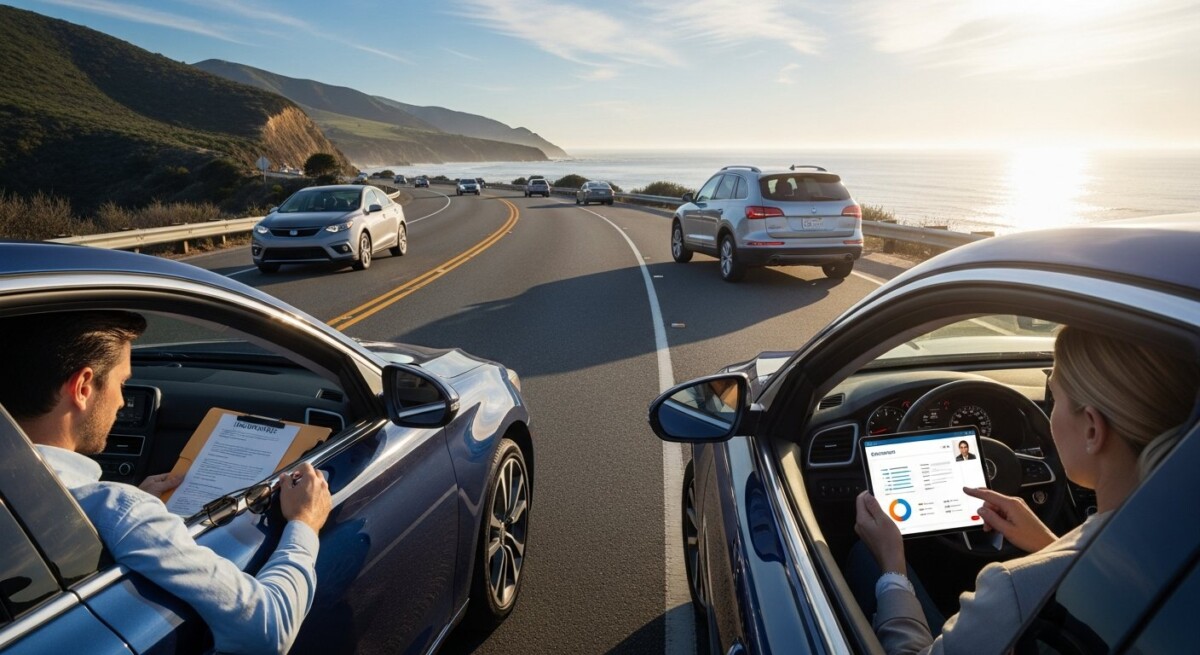
Driving through the scenic roads of New Hampshire, from the White Mountains to the Seacoast, offers a sense of freedom. This independence is reflected in the state’s unique approach to auto insurance, making understanding your coverage not just a legal formality but a critical component of financial security. Unlike most states, New Hampshire does not mandate that all drivers carry auto insurance, a fact that often leads to confusion and significant risk. This comprehensive guide will demystify auto insurance New Hampshire landscape, explaining the legal framework, coverage options, and smart strategies to protect yourself and your assets without overpaying.
Understanding New Hampshire’s Unique Financial Responsibility Law
New Hampshire is the only state in the U.S. without a compulsory auto insurance law. Instead, it operates under a “Financial Responsibility” law. This means that while you are not forced to buy a policy to register your vehicle, you are legally and financially responsible for any damages or injuries you cause in an at-fault accident. If you cannot prove you have the financial means to cover these costs, your driving privileges can be suspended. The state sets minimum financial responsibility limits that you must be able to meet if you choose to drive. These are often referred to as the “25/50/25” limits: $25,000 for bodily injury to one person, $50,000 total for bodily injury per accident, and $25,000 for property damage. While you can theoretically meet this requirement with a surety bond or a cash deposit with the state treasurer, purchasing a standard auto insurance policy is by far the most practical and common method for New Hampshire drivers to achieve compliance and peace of mind.
Essential and Recommended Coverage Options
Choosing the right coverage in New Hampshire requires careful thought about your personal risk tolerance and financial situation. At a minimum, if you opt for insurance to meet the financial responsibility law, you will purchase liability coverage. However, savvy drivers understand that the state’s minimums are often insufficient in a serious accident. Medical bills and vehicle repair costs can quickly exceed $25,000, leaving you personally liable for the difference.
Beyond basic liability, several other coverage types are highly recommended. Collision coverage pays for damage to your own vehicle after an accident, regardless of fault. Comprehensive coverage protects against non-collision events like theft, vandalism, fire, or hitting an animal. Given New Hampshire’s weather, this can be particularly valuable. Uninsured/Underinsured Motorist (UM/UIM) coverage is arguably one of the most critical additions for Granite State drivers. Since insurance is not mandatory, the likelihood of encountering an at-fault driver with no insurance or minimal limits is higher. UM/UIM steps in to cover your medical expenses and losses in such a scenario. Medical Payments (MedPay) coverage can also be useful, helping to pay for medical expenses for you and your passengers after an accident.
Special Considerations for New Hampshire Drivers
New Hampshire’s distinct environment and driving conditions should influence your coverage decisions. The state experiences harsh winters with heavy snow and ice, leading to a higher frequency of weather-related accidents, collisions with wildlife like moose and deer, and damage from falling branches or ice. A robust comprehensive policy is essential. Furthermore, if you have a newer vehicle, a loan or lease, you will almost certainly be required by your lender to carry both collision and comprehensive coverage. For a deeper look at how another state structures its mandatory and optional coverages, you can review our guide on auto insurance Massachusetts requirements and choices.
How Premiums Are Calculated in the Granite State
Auto insurance rates in New Hampshire are determined by a complex algorithm that assesses risk. While the state does not force you to buy insurance, companies will still price policies based on how likely they believe you are to file a claim. Key factors include your driving record, age, and location within the state. Urban areas like Manchester or Nashua typically see higher rates than rural towns due to increased traffic density and claims frequency. Your vehicle’s make, model, and year also play a significant role, as expensive cars cost more to repair and sports cars are statistically involved in more claims. Your annual mileage and, importantly, your credit-based insurance score (where permitted by law) are major rating factors. Companies use this financial data, which differs from a standard credit score, to predict the likelihood of a future claim.
To manage these costs effectively, it’s vital to understand what you can control. Here are the primary levers for influencing your premium:
- Driving Record: Maintaining a clean record free of accidents and violations is the single most effective way to keep rates low.
- Coverage Selection: Choosing higher deductibles for collision and comprehensive coverage can lower your premium, but means paying more out-of-pocket if you file a claim.
- Vehicle Choice: Insuring a safe, moderately priced family sedan will always be cheaper than insuring a high-performance luxury vehicle.
- Discounts: Proactively asking about and qualifying for every possible discount can lead to substantial savings.
Maximizing Savings and Finding the Right Provider
New Hampshire drivers have a competitive insurance market with many national carriers and strong regional providers. To find the best value, you must comparison shop. Obtain quotes from at least three to five different companies, ensuring you request identical coverage limits and deductibles for an apples-to-apples comparison. Don’t simply default to your current provider or the cheapest headline rate; investigate the company’s reputation for customer service and claims handling through independent review sites.
Insurance companies offer a wide array of discounts, but they rarely apply them automatically. You must inquire and provide proof of eligibility. Common discounts in New Hampshire include multi-policy (bundling auto with home or renters insurance), multi-vehicle, good student, safe driver, paid-in-full, and discounts for completing a defensive driving course. Some insurers also offer low-mileage discounts or use telematics programs where a device or mobile app monitors your driving habits in exchange for potential savings. For drivers seeking a streamlined purchasing process, exploring options for direct auto insurance providers can be an efficient path to coverage.
Steps to Take After an Accident in New Hampshire
Even with the best coverage, knowing the correct procedure after an accident is crucial for ensuring your claim is processed smoothly. First, ensure safety: check for injuries, move vehicles out of traffic if possible, and call 911 if anyone is hurt or there is significant property damage. Exchange information with the other driver(s), including name, address, phone number, insurance company, and policy number. Document the scene thoroughly with photos and notes. File a police report, as this creates an official record. Notify your insurance company as soon as practicable to start the claims process. Be truthful and consistent in all your communications. If the other driver is uninsured, your Uninsured Motorist coverage will be essential. The post-accident process shares similarities across state lines; for instance, drivers in Maine also benefit from understanding local claim protocols.
Frequently Asked Questions
Q: Is auto insurance really optional in New Hampshire?
A: Yes, but with a major caveat. The state does not require you to purchase a policy, but you are legally obligated to pay for any damages you cause. Since most individuals cannot afford to pay tens or hundreds of thousands of dollars out-of-pocket, carrying liability insurance is the only practical way to meet this financial responsibility requirement and protect your assets.
Q: What happens if I’m hit by an uninsured driver in NH?
A: If you have Uninsured Motorist (UM) coverage, your own policy will cover your medical expenses and other losses, up to your policy limits. If you lack UM coverage, you would have to pursue the at-fault driver personally through the courts, which is often a difficult and unsuccessful process.
Q: How can I prove financial responsibility if I don’t buy insurance?
A>Alternatives include posting a cash or securities bond with the State Treasurer or obtaining a surety bond from a licensed company. These options require demonstrating significant liquid assets and are administratively complex, making them unrealistic for the vast majority of drivers.
Q: Are New Hampshire auto insurance rates high?
A>Rates in New Hampshire are generally close to or slightly below the national average. They are typically lower than in neighboring Massachusetts but higher than in some other New England states. Your individual rate will vary dramatically based on the factors discussed earlier.
Navigating auto insurance in New Hampshire requires a clear understanding of the state’s unique balance of driver freedom and financial accountability. By viewing insurance not as an optional burden but as a strategic tool for risk management, you can select a policy that provides robust protection against the substantial costs of accidents, theft, and liability. Informed choices about coverage types, limits, and providers empower you to drive New Hampshire’s beautiful byways with confidence, knowing you are prepared for the unexpected twists in the road ahead.
Ensure you’re fully protected on Arkansas roads. Call 📞833-275-7533 or visit Get Your Quote to get a personalized insurance quote today.