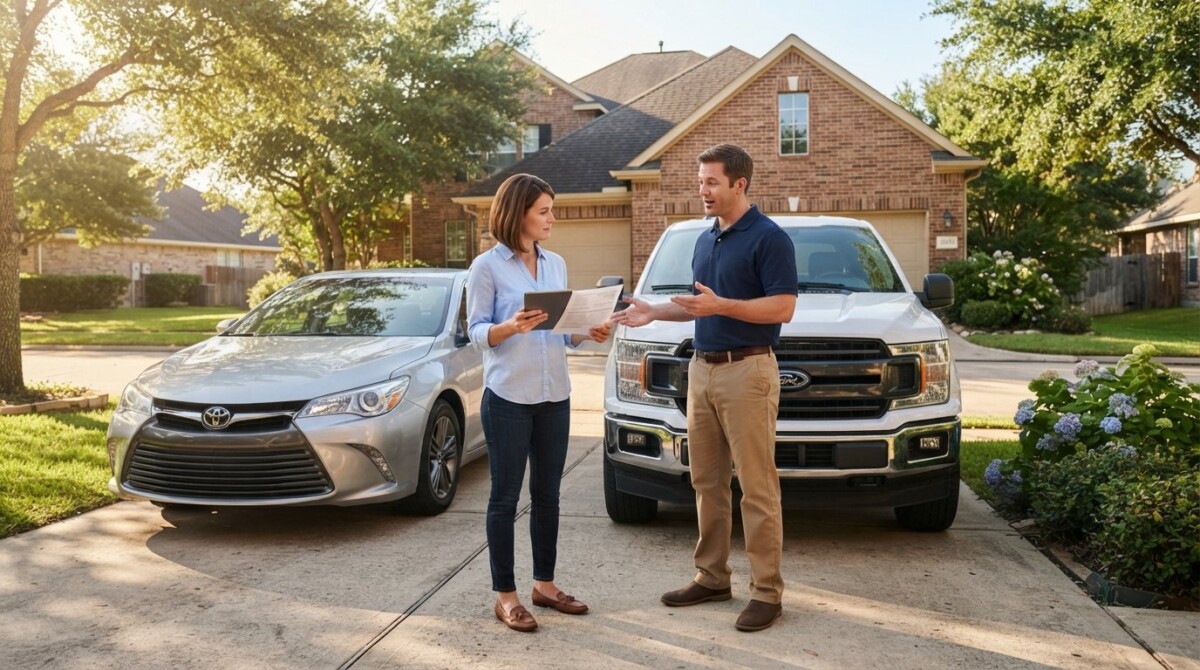
Finding affordable car insurance in Texas does not have to be a frustrating scavenger hunt. With thousands of drivers hitting the road every day across the Lone Star State, from the bustling highways of Houston to the rural routes of West Texas, the cost of coverage varies wildly depending on where you live and how you drive. If you are currently overpaying for your policy or are simply looking for a better deal, securing accurate auto insurance quotes texas is the single most effective way to lower your monthly bills.
Texas operates on a competitive market system, which means insurers are constantly adjusting their rates to win your business. However, this also means that loyalty to a single provider often results in you paying more than necessary. To get the best deal, you need to understand the state’s specific requirements, the factors that influence your premium, and the tools available to compare offers side by side. This guide will walk you through the process of obtaining quotes, analyzing coverage, and leveraging discounts to keep more money in your pocket.
Understanding Texas Auto Insurance Requirements
Before you start requesting quotes, it is crucial to understand what the State of Texas legally requires you to carry. Texas follows a tort system, meaning that if you cause an accident, you are financially responsible for the other party’s injuries and property damage. To drive legally, you must carry a minimum level of liability coverage. While minimum coverage keeps you legal, it often does not provide enough protection to cover the costs of a serious accident, leaving your personal assets at risk.
The state mandates the following minimum liability limits, commonly referred to as 30/60/25 coverage:
- $30,000 for bodily injury to one person in an accident.
- $60,000 for bodily injury to two or more people in an accident.
- $25,000 for property damage to someone else’s vehicle or property.
While these limits satisfy the legal requirement, many financial experts recommend purchasing higher limits. If you cause an accident that results in medical bills exceeding $30,000 for a single person, you are personally liable for the difference. Increasing your liability limits usually costs only a few dollars more per month and provides significantly greater peace of mind. When you compare auto insurance quotes Texas drivers rely on, ensure you are comparing identical coverage levels to see the true price difference.
In addition to liability coverage, Texas insurers must offer uninsured/underinsured motorist coverage (UM/UIM). This protects you if you are hit by a driver who has no insurance or insufficient coverage to pay for your injuries. While you can reject this coverage in writing, it is a vital safety net given the number of uninsured drivers on Texas roads.
Factors That Determine Your Texas Premium
Insurance companies use a complex algorithm to determine your risk profile. The higher the risk you pose to the insurer, the more you will pay for coverage. While you cannot control every factor, understanding what goes into the calculation can help you make informed decisions to lower your rate. In Texas, insurers look at a combination of personal details, driving history, and vehicle information.
One of the most significant factors is your location. Texas is massive, and rates differ drastically between zip codes. For example, drivers in major metropolitan areas like Dallas or Austin typically pay more than those in rural counties due to higher traffic density, accident rates, and theft rates. Additionally, your credit score plays a major role in Texas. Unlike some states, Texas allows insurers to use credit-based insurance scores to determine rates. A poor credit score can significantly inflate your premium, while a good score can earn you substantial discounts.
Other key rating factors include:
- Driving Record: Accidents, tickets, and DUI convictions will raise your rates.
- Age and Experience: Teen drivers and seniors often face higher premiums.
- Vehicle Make and Model: Sports cars and expensive vehicles cost more to repair and insure.
- Annual Mileage: The more you drive, the higher your risk of an accident.
- Coverage Limits: Higher limits mean higher premiums, but better protection.
To get a truly accurate picture of your potential costs, you need to provide truthful information during the quote process. If you underestimate your annual mileage or fail to disclose a teenage driver, your final policy price could be much higher than the initial quote.
How to Compare Quotes Effectively
Gone are the days of calling individual agents one by one and waiting days for a call back. Today, the most efficient way to shop for insurance is to use an online comparison platform. These tools allow you to enter your information once and receive multiple quotes from different carriers instantly. This transparency forces insurers to compete for your business, often resulting in lower rates for you.
When you are ready to compare, follow a structured approach to ensure you are making an apples-to-apples comparison. It is not just about the bottom line price; it is about the value you receive for that price. A cheap policy with poor customer service or slow claims processing can cost you more in the long run.
Here is a step-by-step process for comparing rates:
- Gather Your Information: Have your driver’s license, vehicle registration, current insurance card, and mileage ready.
- Use a Comparison Tool: Visit a site like Free Auto Insurance Quotes Online to generate multiple offers simultaneously.
- Review Coverage Levels: Ensure every quote has the same liability limits and deductibles.
- Check Discounts: Look for savings you qualify for, such as bundling home and auto or safe driver bonuses.
- Read Reviews: Check the insurer’s reputation for claims handling and customer satisfaction.
Our guide on how to compare rates and save provides deeper insights into navigating these complex variables. By following a disciplined comparison method, you can avoid the trap of selecting a low-premium policy that fails to protect you when you need it most.
Key Discounts for Texas Drivers
Insurance companies love safe drivers and loyal customers. To attract these demographics, they offer a variety of discounts that can reduce your premium by hundreds of dollars annually. However, these discounts are not always automatic; you often have to ask for them or verify that you meet the criteria. Texas drivers have access to a wide range of standard and unique discounts.
One of the most common and effective discounts is the multi-policy discount. If you bundle your auto insurance with your homeowners or renters insurance, most major carriers will offer a significant percentage off both policies. Similarly, insuring multiple vehicles on the same policy usually results in a multi-car discount. For families with teen drivers, maintaining good grades (typically a B average or higher) can qualify the student for a good student discount, which recognizes their responsibility.
Other valuable discounts to look for include:
- Defensive Driving: Completing an approved course can save you money, especially if you are over 55.
- Safety Features: Cars with airbags, anti-lock brakes, and anti-theft devices often get lower rates.
- Low Mileage: If you drive less than a certain number of miles per year, you may qualify for a low-mileage discount.
- Paperless Billing: Opting to receive documents via email saves the insurer administrative costs.
- Pay in Full: Paying your entire premium upfront rather than monthly can save you installment fees.
Always ask your agent or check the insurer’s website for a complete list of available discounts. Sometimes, simply asking, “What discounts am I eligible for?” can uncover savings you did not know existed.
The Role of Credit in Texas Insurance
As mentioned earlier, Texas is one of the states that permits the use of credit information to set insurance rates. This is a controversial practice, but it is legal and widely used. Insurers argue that there is a strong correlation between a person’s credit history and their likelihood of filing a claim. Statistically, people with poor credit tend to file more claims, leading insurers to charge them higher premiums to offset the risk.
If you have a poor credit score, do not despair. You can still find affordable coverage, but you may need to shop around more aggressively. Some insurers are more lenient with credit histories than others. It is also worth noting that you can improve your credit-based insurance score over time by paying your bills on time and reducing your debt. As your score improves, you should request a re-rating of your policy to lower your premium.
When obtaining auto insurance quotes Texas residents can trust, be honest about your credit situation. Hiding information will only lead to complications later. A reputable comparison tool will connect you with carriers who specialize in your specific financial profile, whether you have excellent credit or are working to rebuild it.
Frequently Asked Questions
How often should I get new auto insurance quotes in Texas?
You should compare quotes at least once a year, preferably before your current policy renews. Even if you are happy with your current insurer, rates change frequently. A competitor might offer a better rate for the same coverage, or your current insurer might have introduced new discounts you are not receiving.
Is it mandatory to have car insurance in Texas?
Yes, Texas law requires all drivers to carry liability insurance. Driving without insurance can result in fines, license suspension, and impoundment of your vehicle. You must be able to show proof of financial responsibility, typically in the form of an insurance card, if you are stopped by law enforcement.
Can I get a quote without a Social Security Number?
Some insurers allow you to get a quote without a Social Security Number, but you will likely need to provide it to bind the policy. The SSN is used to pull your credit-based insurance score, which affects your rate. If you do not have an SSN, you may need to provide other identification documents.
What is the penalty for a lapse in coverage in Texas?
If you allow your insurance to lapse, you may face fines if caught driving. Additionally, when you reinstate your policy or buy a new one, you will likely be charged a higher rate because you are viewed as a higher risk. Some insurers may require you to pay the full premium upfront for six months to a year after a lapse.
Taking Action to Save
Securing the best auto insurance in Texas requires a proactive approach. The market is competitive, and prices fluctuate, meaning the policy you bought two years ago might not be the best deal today. By understanding the state’s minimum requirements, knowing which factors affect your rate, and utilizing online comparison tools, you can take control of your insurance costs.
Do not settle for the first quote you receive. Take the time to explore your options, ask about every discount available, and choose a policy that balances cost with the protection you need. Whether you are a new driver in El Paso or a seasoned commuter in Fort Worth, comparing auto insurance quotes Texas offers is the smartest financial move you can make for your vehicle. Start your comparison today and see how much you could be saving.