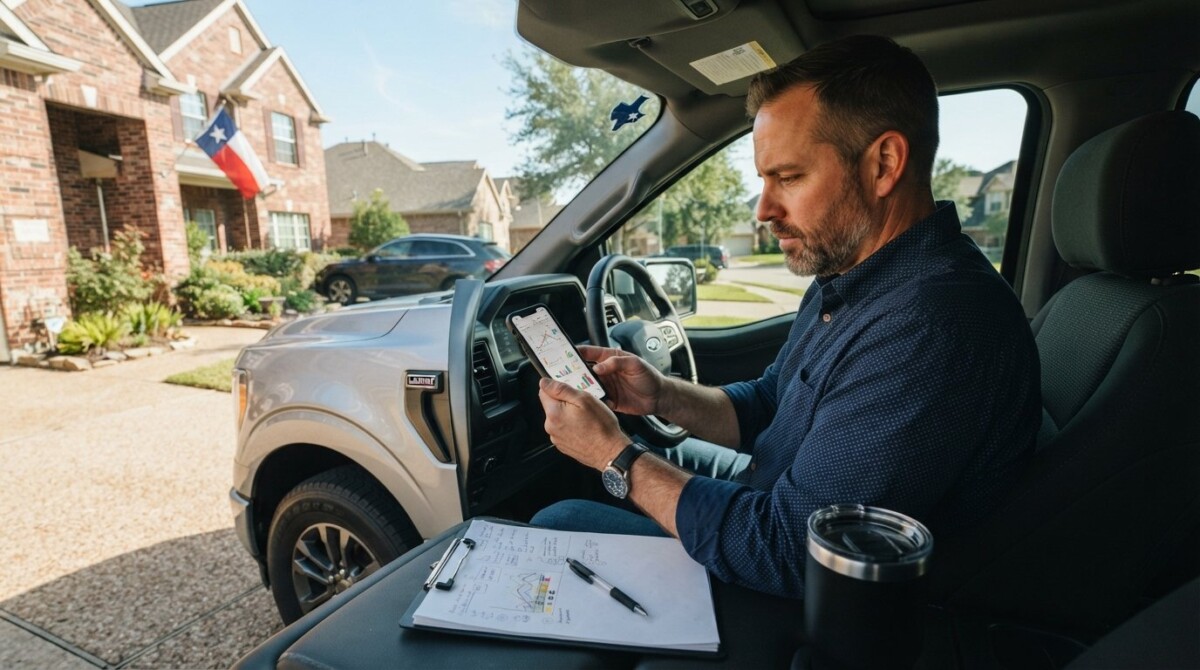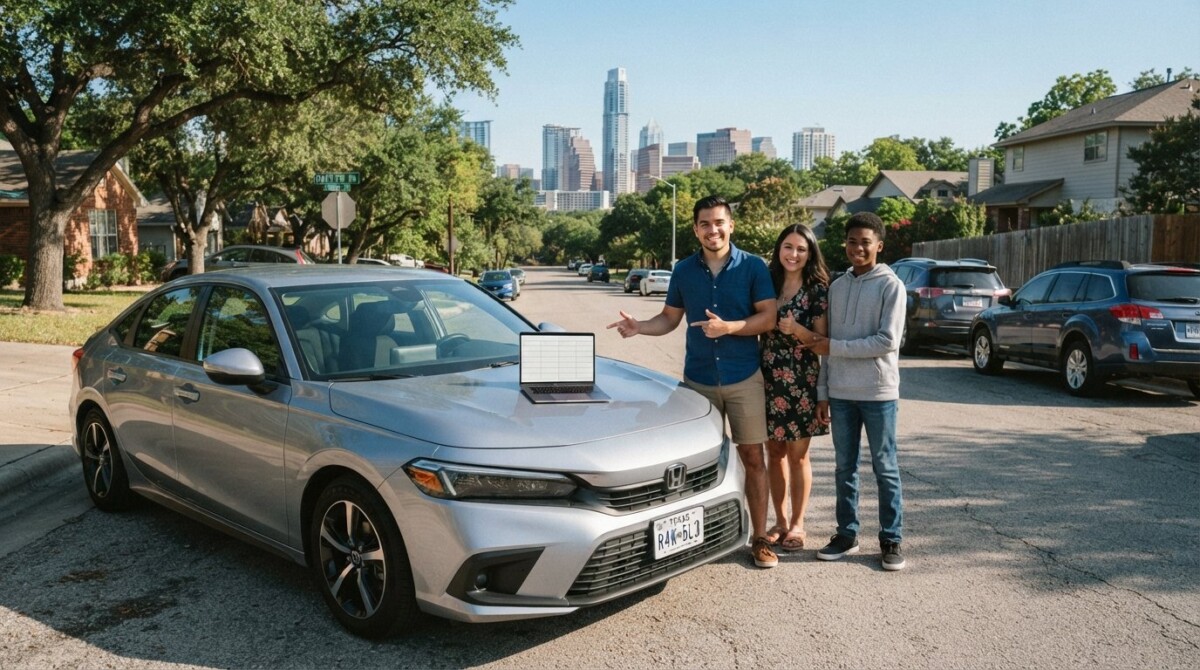
Getting the right auto insurance in Texas can feel like a maze of confusing terms, endless rate variations, and hidden fees. But here is the good news: the Texas insurance market is one of the most competitive in the country, and that competition works in your favor, if you know how to use it. Whether you are a new driver in Houston, a long-time resident in Dallas, or a family in rural West Texas, comparing auto insurance quotes Texas is the single most effective way to lower your premium without sacrificing coverage.
This guide walks you through the exact steps to gather, compare, and choose the best auto insurance quotes Texas has to offer. We will cover state-specific rules, the factors insurers use to price your policy, and the hidden discounts that most drivers miss. By the end, you will have a clear action plan to secure affordable coverage with confidence.
Why Texas Auto Insurance Quotes Vary So Much
Texas is a unique insurance landscape. Unlike some states with standardized rates, Texas allows insurers to set their own pricing within state guidelines. That means the same driver with the same record can receive quotes that differ by hundreds of dollars for identical coverage. In fact, a 2025 study by the Texas Department of Insurance found that rates for the same profile can vary by as much as 40% between carriers.
Several factors explain this variation. Insurers weigh your credit score, driving history, age, vehicle type, and even your ZIP code. But each company applies these factors differently. One carrier might heavily penalize a speeding ticket, while another sees it as a minor blemish. Another might offer deep discounts for low mileage, while a competitor does not. This is why a single quote is never enough.
The smart approach is to gather multiple auto insurance quotes Texas from different providers and compare them side by side. Our comparison platform simplifies this process by connecting you with multiple carriers through one simple form. You can see your options without spending hours on the phone or visiting dozens of websites. And because the service is free and no-obligation, you can explore rates with zero pressure.
Minimum Coverage Requirements in Texas
Before you start comparing quotes, you need to understand what the state requires. Texas law mandates minimum liability coverage for every driver. The current minimums are 30/60/25, which breaks down as follows:
- $30,000 for bodily injury per person
- $60,000 for total bodily injury per accident (if multiple people are injured)
- $25,000 for property damage per accident
These minimums are just the floor. In practice, they are often insufficient. If you cause an accident and the damages exceed your limits, you could be personally responsible for the difference. Medical bills and car repairs can easily surpass $30,000, especially in a serious collision. That is why many drivers in Texas choose higher limits, such as 50/100/50 or even 100/300/100, for better financial protection.
Additionally, Texas is a fault state. This means the at-fault driver’s insurance pays for the other party’s injuries and damages. However, you are also required to carry uninsured motorist coverage (UM/UIM) unless you explicitly reject it in writing. UM/UIM protects you if you are hit by a driver with no insurance or insufficient coverage, which is surprisingly common in Texas. About 1 in 8 Texas drivers is uninsured, so this coverage is a smart safety net.
When you request auto insurance quotes Texas, make sure the quotes reflect the same coverage levels. Comparing apples to apples is the only way to get an accurate picture of which carrier offers the best value for your needs.
Key Factors That Affect Your Texas Insurance Rate
Insurance companies use a complex algorithm to price your policy. Understanding these factors can help you improve your rate or at least know what to expect. Here are the most influential variables:
- Driving record: Accidents and violations can raise your premium by 20% to 50% for three to five years.
- Credit-based insurance score: In Texas, insurers can use your credit history to set rates. A higher score usually means lower premiums.
- Age and experience: Young drivers under 25 and seniors over 70 often pay more due to higher statistical risk.
- Vehicle type: Sports cars, luxury models, and vehicles with high theft rates cost more to insure.
- Location: Urban areas like Austin and San Antonio tend to have higher rates due to traffic density and accident frequency.
Some of these factors, like your age or vehicle, are out of your control. Others, like your credit score or driving habits, can be improved over time. For example, taking a defensive driving course can reduce your premium by up to 10% in Texas. Many insurers also offer usage-based programs that track your driving via a mobile app, rewarding safe habits with discounts.
When you compare auto insurance quotes Texas on our platform, you can see how each carrier weighs these factors for your specific profile. This transparency helps you identify which company values your positive traits, such as a clean record or low annual mileage, and which one might penalize you unfairly.
How to Get the Best Auto Insurance Quotes Texas
The process of obtaining and comparing quotes is straightforward, but it requires a systematic approach. Follow these steps to maximize your savings:
- Gather your information: Before you start, have your driver’s license, vehicle identification number (VIN), current insurance policy (if any), and details about your annual mileage and commute. Having this ready speeds up the quote process.
- Choose your coverage level: Decide whether you want minimum liability, full coverage, or something in between. Full coverage typically includes comprehensive and collision, which covers damage to your own vehicle from accidents, theft, or weather events.
- Use a comparison service: Instead of visiting each insurer’s website individually, use our free tool at Free Auto Insurance Quotes Online. You fill out one form, and we connect you with multiple licensed agents who can provide tailored quotes. This saves you hours and ensures you see a broad range of options.
- Scrutinize the details: Review each quote for deductibles, coverage limits, and exclusions. A lower premium might come with a higher deductible, which means more out-of-pocket costs if you file a claim.
- Ask about discounts: Every carrier offers discounts, but they are not always advertised. Common ones include multi-policy (bundling auto and home), multi-vehicle, safe driver, good student, and low mileage. Mention your situation to the agent to uncover all possible savings.
After you receive your quotes, take time to compare them beyond the price. Look at the financial strength of the insurer (via ratings from A.M. Best or Standard & Poor’s), customer service reviews, and claim satisfaction scores. A cheap policy from a company that denies claims is no bargain.
For a deeper look at how to evaluate full coverage options, check out our guide on full coverage auto insurance quotes. It explains the nuances of comprehensive and collision coverage in plain language.
Common Mistakes to Avoid When Comparing Quotes
Even savvy shoppers can trip up when comparing auto insurance quotes Texas. Here are the most frequent pitfalls and how to avoid them:
- Not comparing the same coverage: If one quote includes $100,000 in liability and another only $30,000, the price difference is meaningless. Always compare identical limits and deductibles.
- Ignoring the deductible: A $1,000 deductible might lower your premium, but it also means you pay more out of pocket after an accident. Choose a deductible you can comfortably afford.
- Overlooking discounts: Many drivers miss out on savings because they do not ask. Always ask the agent or use the insurer’s online tool to see which discounts apply to you.
- Only checking the big names: National insurers like State Farm and Geico are popular, but regional carriers in Texas often offer competitive rates. A comparison service brings these lesser-known options to your inbox.
- Not reviewing your policy annually: Your life changes, and so should your coverage. Reviewing your policy each year ensures you are not overpaying for obsolete coverage or missing new discounts.
If you are still unsure about which coverage level fits your budget, our article on best auto insurance quotes Texas offers a practical breakdown of coverage tiers and their typical costs.
The Role of Your Credit Score in Texas Rates
Texas is one of the few states that allows insurers to use your credit-based insurance score as a rating factor. This score is different from your standard credit score, but it is derived from similar data: payment history, outstanding debt, length of credit history, and new credit applications. Insurers argue that this score correlates with the likelihood of filing a claim, and studies support that connection.
If you have a poor credit history, you might see significantly higher auto insurance quotes Texas. The difference can be staggering. According to the Federal Trade Commission, drivers with poor credit can pay up to 85% more for the same coverage than those with excellent credit. That is a huge gap, but it is not set in stone. Improving your credit score by even 50 points can lead to substantial savings when you renew your policy.
To improve your credit-based insurance score, focus on paying bills on time, reducing credit card balances, and avoiding new credit applications before shopping for insurance. If you are in a high-risk category due to credit, consider working with an independent agent who can shop your profile across multiple carriers, as some may be more lenient than others.
For a comprehensive look at how rates are calculated and what you can do to lower them, explore our resource on auto insurance quotes Texas. It includes real-world examples of how drivers saved hundreds by addressing their credit profile.
How to Use Discounts to Lower Your Premium
Discounts are the easiest way to reduce your auto insurance quotes Texas without changing your coverage. Every carrier offers a different menu of discounts, so it pays to shop around. Here are the most common ones and how to qualify:
- Multi-policy discount: Bundling your auto insurance with home or renters insurance can save you 10% to 25% on both policies.
- Safe driver discount: A clean driving record for three to five years can earn you a substantial discount, often 20% or more.
- Good student discount: Full-time students under 25 with a B average or better can save up to 15%.
- Defensive driving course: Completing an approved course can reduce your premium by up to 10% for three years.
- Low mileage discount: If you drive fewer than 7,500 miles a year, you may qualify for a discount.
To maximize your discounts, always ask the agent or use the insurer’s online tool to see which ones apply to your situation. Some discounts are automatic, but others require you to provide proof, such as a certificate of completion for a driving course. Keep these documents handy when you apply.
Remember, discounts are not universal. A discount that one carrier offers might not exist at another. That is another reason to compare multiple auto insurance quotes Texas. A carrier that offers a generous low mileage discount might be the best choice for a remote worker, while a student might benefit more from a company with a strong good student discount.
When to Switch Carriers in Texas
Switching insurers is easier than many drivers think. There is no penalty for changing carriers mid-policy in Texas, though you may owe a prorated amount for the time you were covered. The key is to ensure there is no gap in coverage, as a lapse can raise your rates for years.
Consider switching if you experience any of the following:
- Your premium increases by more than 10% at renewal without a change in your driving record or coverage.
- You have had a claim and your current insurer treated you poorly or delayed payment.
- You have moved to a new ZIP code and your current insurer does not offer competitive rates there.
- You have added a teen driver or a new vehicle, and your current policy’s rates are significantly higher than alternatives.
Before you switch, compare new quotes with your current policy’s renewal quote. Make sure the new coverage is at least as good, if not better. Also, check for cancellation fees, though most insurers do not charge them in Texas. The process is straightforward: once you have chosen a new policy, the new insurer will handle the cancellation of your old one, or you can do it yourself.
For a step-by-step comparison of rates and coverage options, our guide on Texas auto insurance quotes provides detailed examples of how drivers saved by switching during renewal.
Frequently Asked Questions
How often should I compare auto insurance quotes in Texas?
You should compare quotes at least once a year, ideally at renewal time. Additionally, compare after major life changes like moving, buying a car, adding a driver, or getting married, as these events can significantly alter your rates.
Can I get auto insurance without a driver’s license in Texas?
In Texas, you must have a valid driver’s license to purchase a personal auto insurance policy in your name. However, you can be listed as an excluded driver on someone else’s policy, but that means you are not covered when driving that vehicle. For most drivers, having a license is essential.
What is the penalty for driving without insurance in Texas?
Driving without insurance in Texas can result in fines up to $1,000 for a first offense, plus possible license suspension and vehicle impoundment. You may also be required to file an SR-22 certificate of financial responsibility, which carries its own costs.
Do I need comprehensive and collision coverage in Texas?
If you have a car loan or lease, your lender will require it. Even if your car is paid off, comprehensive and collision are wise if you cannot afford to repair or replace your vehicle out of pocket. For older cars with low value, dropping these coverages may make financial sense.
How does the comparison process work on your site?
Our platform at Free Auto Insurance Quotes Online lets you enter your details once, and we connect you with licensed agents who can provide quotes from multiple carriers. You receive options via email or phone, and you decide which policy to purchase. There is no obligation, and your information is secure.
Final Thoughts on Saving with Auto Insurance Quotes Texas
Finding affordable auto insurance in Texas is not about luck; it is about strategy. By understanding the state’s minimum requirements, knowing the factors that affect your rate, and comparing multiple quotes, you can take control of your insurance costs. The savings can be substantial, often enough to cover a year of premiums for a second vehicle or a family vacation.
Do not settle for the first quote you receive. Use a free comparison service to see the full range of options available to you. When you are ready to start, fill out our simple form and receive personalized auto insurance quotes Texas from vetted providers. Your wallet will thank you, and you will drive with the peace of mind that comes from having the right coverage at the right price.