Imagine your tire blows out on a dark highway or your engine fails in the middle of a rainstorm. In those moments, a single phone call can turn panic into relief. That is the promise of roadside assistance, and when it is bundled with your auto insurance, the value multiplies. This coverage is no longer a luxury add-on; for many drivers, it is a practical safety net that saves time, money, and stress. In this article, we explain how auto insurance with roadside assistance works, what it covers, and how to decide if it is right for you.
What Is Auto Insurance With Roadside Assistance?
Auto insurance with roadside assistance is a policy endorsement or add-on that provides emergency help when your vehicle becomes disabled. Instead of paying out-of-pocket for a tow truck or locksmith, you call your insurer, and they dispatch a service provider to assist you. The cost of the service is covered up to a limit specified in your policy. This benefit is typically available 24/7, giving you peace of mind wherever you drive.
Most major insurers offer this feature, though the scope of services varies. Common covered events include flat tires, dead batteries, lockouts, fuel delivery, and towing to a nearby repair shop. Some policies also include winching, extrication from mud or snow, and even trip interruption benefits if you are stranded far from home. Understanding the fine print is essential, as coverage limits and exclusions differ widely.
Key Benefits of Bundling Roadside Assistance With Your Policy
Adding roadside assistance to your auto insurance is often more affordable than purchasing a separate membership from a motor club. For an extra few dollars per month, you gain access to a network of pre-vetted service providers, which means faster response times and reliable help. You also avoid the hassle of searching for a towing company on your own, especially in unfamiliar areas.
Another major advantage is simplified billing. When you use a standalone roadside service, you may need to pay upfront and file for reimbursement. With auto insurance with roadside assistance, the insurer typically pays the provider directly (up to your coverage limit), so you avoid surprise bills. This is especially helpful for drivers on a tight budget who cannot afford an unexpected $150 tow.
For frequent travelers, families with multiple vehicles, or anyone who commutes long distances, the convenience is unmatched. In our guide on auto insurance with roadside assistance: is it worth it?, we break down the cost-benefit analysis for different driver profiles. That article can help you decide if this add-on makes financial sense for your situation.
What Services Are Typically Included?
While every policy is different, most standard roadside assistance packages include the following services. Knowing what is covered helps you avoid disappointment when you need help most.
- Towing: Your vehicle is transported to the nearest qualified repair facility, usually up to a distance limit (e.g., 10 to 15 miles). Exceeding that limit may result in an extra charge per mile.
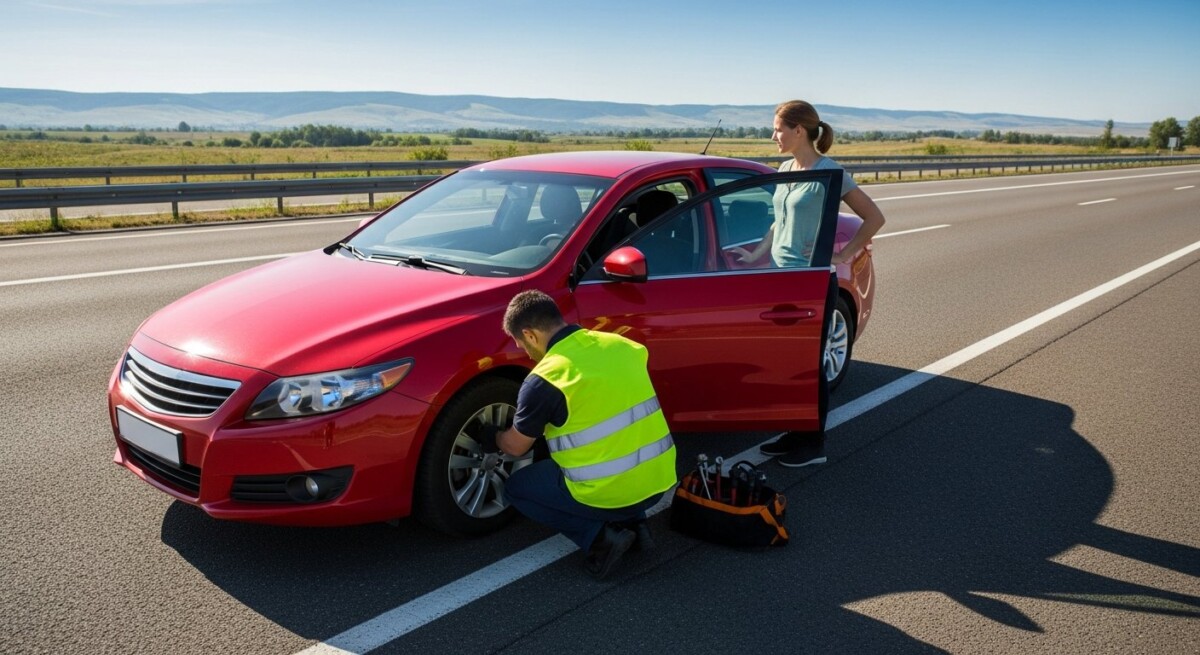
- Flat tire change: A technician will replace your flat tire with your spare. If you do not have a spare, towing may be required.
- Battery jump-start: If your battery is dead, the service will attempt to jump-start your vehicle.
- Lockout assistance: If you lock your keys in the car, a locksmith will be dispatched to open the door.
- Fuel delivery: If you run out of gas, a small amount of fuel (usually 2 to 3 gallons) is delivered to get you to a station.
Some insurers also offer expanded benefits like winching (if your car is stuck in a ditch), trip interruption coverage (meals and lodging if you are stranded overnight), and even assistance for rental vehicles. Always review your policy documents to confirm exact coverage. A common misconception is that roadside assistance covers mechanical repairs on the spot. It does not; it only gets you to a repair shop or resolves basic issues like a dead battery.
How to Choose the Right Plan for Your Needs
Not all roadside assistance plans are created equal. When shopping for auto insurance with roadside assistance, consider these factors to ensure you pick a plan that fits your lifestyle and budget.
First, evaluate your driving habits. If you mostly drive short distances in urban areas, a basic plan with towing up to 10 miles may suffice. But if you frequently take road trips or drive in rural areas, you may want a plan with higher towing limits and trip interruption coverage. Second, check the number of service calls allowed per year. Most plans cap it at three to five calls annually. If you drive an older vehicle prone to breakdowns, a higher limit is wise.
Third, compare the cost of the add-on versus standalone memberships. Some motor clubs offer additional perks like travel discounts or identity theft protection. However, bundling with your insurer is often cheaper and easier to manage. Fourth, read customer reviews about the insurer’s roadside service quality. Response times, dispatcher professionalism, and network coverage vary significantly. A cheap plan is worthless if the tow truck never arrives.
Finally, ask about coverage for family members. Many policies extend roadside assistance to any driver of your insured vehicle, not just the policyholder. This is a valuable feature for households with teenage drivers or spouses who share the car.
Comparing Insurance Add-Ons vs. Standalone Motor Clubs
Drivers often wonder whether they should add roadside assistance to their auto policy or buy a separate membership from an organization like AAA. Both options have pros and cons. Our article on auto insurance with roadside assistance: a smart add-on provides a detailed comparison, but here is a quick overview.
Insurance add-ons are typically cheaper, with costs ranging from $3 to $10 per month. They are convenient because you deal with one company for both claims and roadside needs. However, the coverage limits are often lower, and using the benefit may count as a claim on your policy, potentially leading to a rate increase at renewal. Standalone motor clubs, on the other hand, charge an annual fee (often $50 to $150) but rarely affect your insurance rates. They also tend to offer higher towing distances and additional perks like maps, travel planning, and discounts.
For most drivers, the best choice depends on their risk tolerance and budget. If you rarely need roadside help and want minimal out-of-pocket cost, the insurance add-on is ideal. If you want robust coverage and do not want to risk a rate hike, a motor club membership is a better fit. Some drivers even keep both: a basic insurance add-on for emergencies and a motor club for long trips.
When Does Roadside Assistance Make the Most Sense?
Roadside assistance is not a one-size-fits-all product. Certain drivers benefit more than others. Here are scenarios where adding this coverage is particularly wise:
New drivers, especially teenagers, are more likely to experience lockouts, flat tires, or dead batteries due to inexperience. Parents can rest easier knowing their child has a safety net. Similarly, drivers of older vehicles with high mileage face a greater risk of mechanical failure. A single tow can cost more than a year of roadside assistance premiums, making it a no-brainer.
People who commute long distances or drive in remote areas also gain significant value. Being stranded on a rural highway with no cell signal is dangerous; having a dedicated service to call is critical. Finally, families with multiple cars can often get a multi-vehicle discount when adding roadside assistance to all policies. Check with your insurer to see if bundling multiple vehicles reduces the per-car cost.
On the flip side, if you drive a brand-new car with a comprehensive warranty that includes roadside assistance from the manufacturer, you may not need the insurance add-on. Similarly, if you have a credit card that offers complimentary roadside service, you might be covered at no extra cost. Always verify the terms, as some credit card benefits are limited or require you to pay upfront and seek reimbursement.
How to Use Your Roadside Assistance Benefit
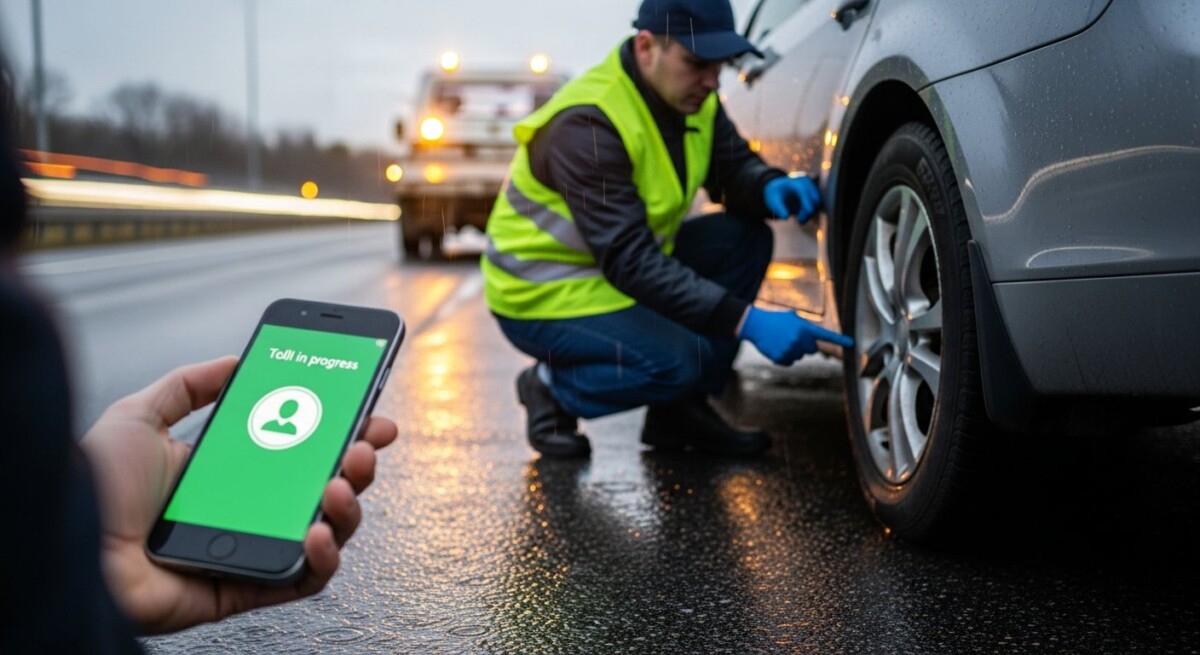
Using your roadside assistance is straightforward, but following the correct steps ensures a smooth experience. First, pull over to a safe location away from traffic. Turn on your hazard lights and, if possible, set up reflective triangles or flares. Then, call your insurance company’s roadside assistance hotline (the number is usually on your insurance card or mobile app).
Provide your policy number, location, and a description of the problem. The dispatcher will estimate the arrival time of a service provider. Stay with your vehicle and keep your phone charged. Once help arrives, confirm the service is covered under your plan before work begins. If the technician recommends a repair beyond the scope of roadside assistance (e.g., a tow to a shop), clarify the distance limit and any potential out-of-pocket costs.
After the service, you may receive a follow-up survey from your insurer. Honest feedback helps improve the quality of the network. And remember, if you are unhappy with the response time or service, you can file a complaint with your insurance company. For a deeper dive into the claims process and what to expect, read our piece on auto insurance with roadside assistance: smart coverage.
Common Exclusions and Limitations to Watch For
Even the best roadside assistance plans have exclusions. Knowing them upfront prevents unpleasant surprises. Most policies do not cover vehicles used for commercial purposes, such as ride-sharing or delivery driving. If you use your car for work, you may need a separate commercial roadside plan. Additionally, coverage is typically limited to the insured vehicle. If you break down in a rental car or a friend’s car, you cannot use your policy’s roadside assistance.
Another common limitation is the number of service calls per year. Exceeding the cap means you pay full price for additional calls. Some insurers also exclude services related to intentional damage, racing, or driving under the influence. Finally, roadside assistance does not cover the cost of parts or labor for repairs; it only covers the service of getting your vehicle operational or towed.
To avoid denied claims, read your policy’s fine print and ask your agent specific questions about what is and is not covered. For example, if you frequently drive on unpaved roads, confirm that winching or extraction is included. Our guide on auto insurance with roadside assistance: smart coverage highlights additional exclusions to be aware of.
Frequently Asked Questions
Does roadside assistance affect my insurance rates?
Using roadside assistance is generally not considered an at-fault accident, so it should not cause your rates to increase. However, some insurers classify it as a claim, and multiple claims of any type could lead to a rate increase or non-renewal. Check with your agent to understand your insurer’s specific policy.
Can I add roadside assistance to my policy at any time?
Yes, most insurers allow you to add roadside assistance mid-policy, though you may need to wait until the next billing cycle for it to take effect. Some companies impose a short waiting period (e.g., 24 to 48 hours) before you can use the benefit after adding it.
Is roadside assistance the same as towing insurance?
No. Towing insurance is a specific type of coverage that pays for towing expenses, often with higher limits. Roadside assistance is a broader package that includes towing along with other services like jump-starts and lockout help. Some policies offer towing as a standalone option, but roadside assistance is more comprehensive.
What should I do if my insurer’s roadside service is unavailable?
If the dispatched provider does not arrive within a reasonable time, call your insurer again. They may send another provider or authorize you to use a local service and reimburse you up to the coverage limit. Keep all receipts if you pay out-of-pocket.
Final Thoughts on Choosing the Right Coverage
Adding roadside assistance to your auto insurance is a small investment that can save you significant stress and expense during an emergency. By understanding the services, limits, and exclusions, you can select a plan that aligns with your driving habits and budget. Whether you are a new driver, a road trip enthusiast, or simply want peace of mind, this add-on is worth considering. Compare quotes from multiple insurers to find the best combination of price and coverage for your needs. And if you have questions, reach out to a licensed agent who can explain how auto insurance with roadside assistance works in your state.