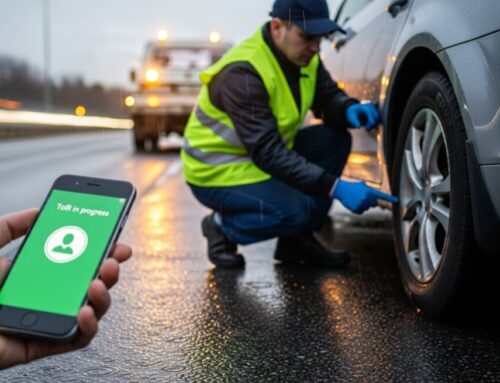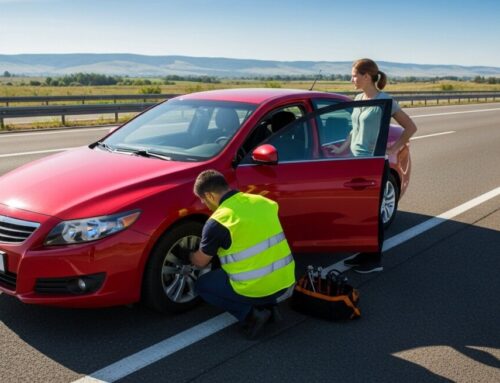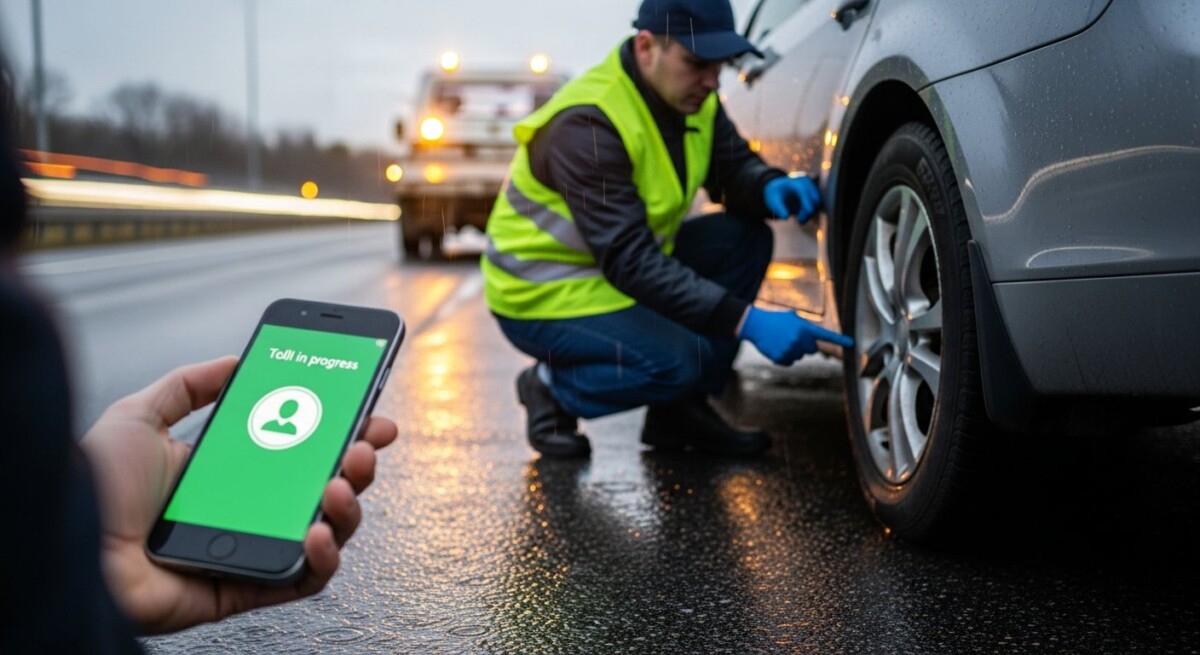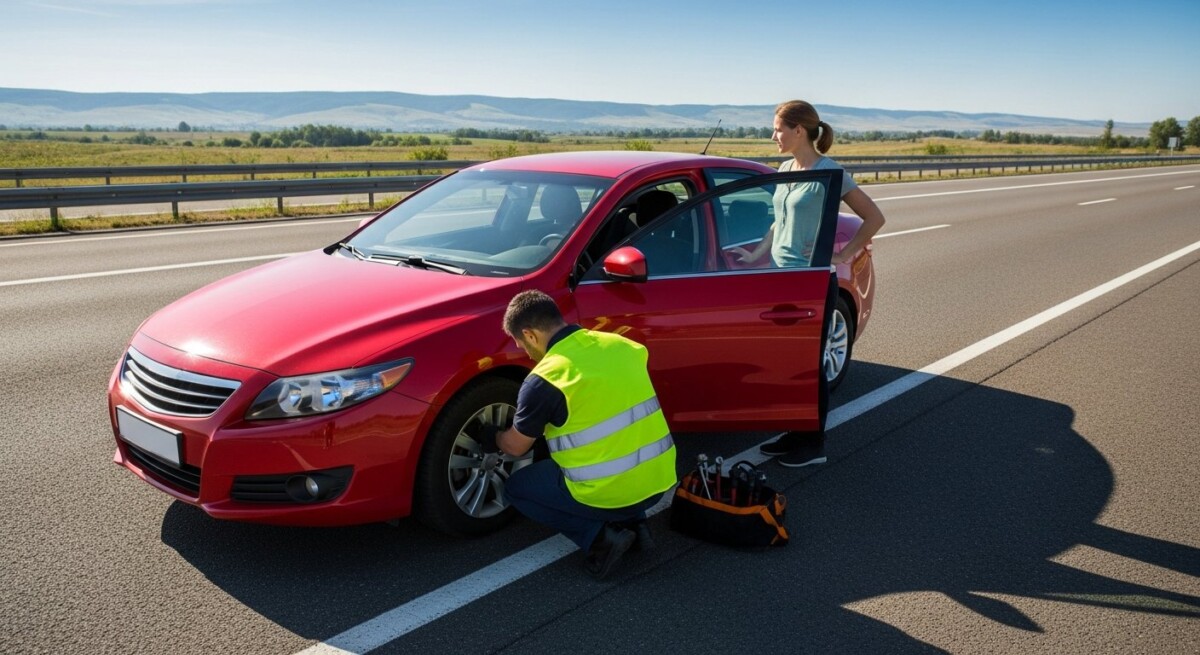
Your car breaks down on a dark highway. Your tire blows out in the rain. You lock your keys inside the car at a grocery store. In these moments, you need help fast. Many drivers wonder if standard auto insurance covers towing, flat tires, or lockouts. The answer is not always yes. That is where auto insurance with roadside assistance comes into play. This add-on coverage acts like a safety net for unexpected vehicle emergencies. It gives you peace of mind and a single point of contact when trouble strikes. But is it worth the extra cost? How does it compare to standalone roadside plans? This article breaks down everything you need to know about roadside assistance bundled with your car insurance policy.
Roadside assistance is an optional endorsement you can add to your existing auto policy. It covers services like towing, battery jumps, fuel delivery, tire changes, and lockout assistance. Instead of calling a random tow truck and paying out of pocket, you call your insurance company. They dispatch a vetted provider to your location. You pay a low annual fee for this service, often between $10 and $30 per year. Compare that to a single tow costing $100 or more. For most drivers, the math works in their favor. But there are nuances to understand before you add this coverage. Let us explore how it works, what it costs, and when it makes sense.
How Auto Insurance With Roadside Assistance Works
When you add roadside assistance to your policy, you get access to a network of service providers. Your insurer handles the logistics of dispatching help. You typically get a toll-free number to call or a mobile app to request service. The process is straightforward: you describe your problem, your location, and your vehicle. A truck is sent to your location within 30 to 60 minutes on average. For minor issues like a flat tire or dead battery, the service is quick and convenient. For major breakdowns, towing is arranged to the nearest repair shop.
Most insurers cap the number of service calls per year. The standard limit is three to five calls per policy period. If you need more, you pay the full cost for additional calls. Some policies also cap the towing distance. For example, your plan might cover towing up to 10 miles. If your breakdown happens 30 miles from the nearest shop, you pay the difference. These limits matter when comparing policies. A plan with higher call limits and longer towing distances costs slightly more but offers better protection for long-distance commuters or frequent travelers.
Another key detail is that roadside assistance covers the vehicle, not the driver. If you are driving a friend’s car and break down, your policy’s roadside assistance may not apply. But if a friend drives your car and breaks down, your coverage follows the car. This distinction is important for households with multiple drivers. If you often lend your car to family members, make sure your policy covers any driver operating your vehicle. Most standard policies do, but it is worth confirming with your agent.
For a deeper comparison of how different insurers handle roadside assistance, read our guide on auto insurance with roadside assistance and its value. That article examines specific carrier offerings and cost-benefit scenarios.
Common Coverage Items and Exclusions
Understanding what is included and what is not helps you avoid surprises. Below is a list of typical services covered by auto insurance roadside assistance plans.
- Towing: Your vehicle is towed to the nearest qualified repair facility. Coverage is usually limited to a set distance, such as 10 or 15 miles.
- Flat tire change: A technician changes your flat tire with your spare. If you have no spare, towing is used instead.
- Battery jump-start: If your battery is dead, a service vehicle provides a jump-start to get you going.
- Fuel delivery: If you run out of gas, a small amount of fuel (usually 2-3 gallons) is delivered to your location. You pay for the fuel itself.
- Lockout assistance: If you lock your keys inside the car, a locksmith or technician helps you regain entry. Some policies cover up to a certain dollar amount for locksmith services.
- Winching and extrication: If your vehicle is stuck in mud, snow, or a ditch, winching service pulls it to the road. This coverage often has a per-incident limit.
Exclusions are equally important. Roadside assistance does not cover mechanical repairs at the roadside. It does not cover storage fees if your car is towed to a shop that is closed. It does not cover rental cars or travel expenses while your vehicle is being repaired. Some policies exclude service calls for vehicles used in commercial activities, racing, or off-road driving. Always read the fine print. If you have a classic car or a modified vehicle, check if roadside assistance applies.
Cost vs. Value: Is the Add-On Worth It?
The average cost of adding roadside assistance to an auto policy is $10 to $30 per year. That is less than a single pizza delivery. For that price, you get access to services that would cost $50 to $150 per incident if paid out of pocket. Over a decade of coverage, you might pay $200 to $300 total. If you use the service just once during that time, you likely break even. Use it twice or more, and you come out ahead. For most drivers, the value proposition is strong.
However, standalone roadside assistance plans from companies like AAA cost $60 to $120 per year. They often offer higher service limits and additional benefits like trip interruption coverage and travel discounts. If you drive long distances regularly or own an older vehicle prone to breakdowns, a standalone plan might be better. But if you rarely drive or have a new car with a manufacturer warranty that includes roadside help, the insurance add-on is a cheap backup option. Compare your options before deciding.
Another factor is convenience. With auto insurance roadside assistance, you have one company to call for both claims and roadside help. You get a single bill and a single customer service team. With a separate plan, you manage two accounts. Some drivers find this simplicity worth the slightly higher cost of a standalone plan. Others prefer the low price of the insurance add-on. Your choice depends on your driving habits, budget, and tolerance for administrative hassle. For a broader view of how different carriers stack up, our analysis of Geico auto insurance coverage and value includes a detailed look at their roadside assistance program.
When to Add Roadside Assistance to Your Policy
Not every driver needs roadside assistance. Here are scenarios where adding it makes sense.
- You drive an older vehicle: Cars over 10 years old are more likely to break down. Roadside assistance protects you from unexpected towing bills.
- You commute long distances: Daily highway driving increases your exposure to breakdowns, flat tires, and accidents. Quick access to help is critical.
- You travel frequently: Road trips in unfamiliar areas make self-help harder. Roadside assistance ensures you are not stranded far from home.
- You have a teenage driver: New drivers are more likely to lock keys in the car, run out of gas, or have minor issues. Roadside coverage gives parents peace of mind.
- You want to avoid surprise bills: A single tow can cost $150 or more. Paying $20 per year eliminates that financial shock.
On the other hand, if you drive a new car with a comprehensive warranty that includes roadside help, you may not need the add-on. Similarly, if you have a membership with a motor club or a credit card that offers roadside assistance, you might be double-covered. Check your existing benefits before purchasing. If you already have coverage, adding it to your insurance policy creates redundancy. In that case, you are paying for something you already have.
Comparing Insurance Add-Ons to Standalone Plans
Standalone roadside assistance plans typically offer more features than insurance add-ons. For example, AAA Plus covers towing up to 100 miles, while most insurance add-ons cap at 10 or 15 miles. Standalone plans also provide trip interruption coverage, meaning they reimburse you for lodging and meals if a breakdown delays your trip overnight. Insurance add-ons rarely include this benefit. Additionally, standalone plans cover you in any vehicle, whether you are driving your own car, a rental, or a friend’s car. Insurance add-ons usually cover only the insured vehicle.
However, standalone plans cost more. AAA Classic membership is about $60 per year for the first person, with additional fees for extra household members. Insurance add-ons cost $10 to $30 per year for all vehicles on the policy. If you have multiple cars, the insurance route is cheaper. Also, insurance add-ons are easier to cancel. You simply remove the endorsement at renewal. Standalone memberships require a separate cancellation process. For budget-conscious drivers with multiple vehicles, the insurance add-on is often the better choice.
Another consideration is response time. Insurance companies contract with local towing companies. In rural areas, response times can be longer. Standalone clubs like AAA have their own networks and may offer faster service in some regions. But in urban areas, both options are comparable. Before choosing, check the average response time in your area. Your insurance agent can provide this information. You can also read online reviews from customers in your region. A few minutes of research can save you frustration during an emergency.
If you are looking to bundle other policies for savings, our guide on finding cheap home and auto insurance bundles explains how combining policies can lower your overall costs, including roadside assistance endorsements.
How to Add Roadside Assistance to Your Policy
Adding roadside assistance is simple. You can do it online, through a mobile app, or by calling your insurance agent. The process takes less than five minutes. You select the coverage, confirm the additional premium, and the change takes effect immediately or at your next renewal. Some insurers require you to add it at policy inception or during a specific enrollment period. Others allow you to add it anytime. If you are in the middle of a policy term, ask if the change can be made mid-term. Most carriers allow it, but a few require waiting until renewal.
When adding the coverage, ask about service limits. How many calls are allowed per year? What is the maximum towing distance? Are there any exclusions for certain vehicle types? Get the answers in writing. Also, ask if the coverage applies to rental cars or vehicles you borrow. Some policies extend coverage to any car you are driving, but others limit it to the insured vehicle. Knowing these details prevents confusion later. If you have a teen driver or a spouse who frequently drives your car, confirm that they are covered as well.
Finally, compare quotes from multiple insurers before adding roadside assistance. Premiums vary significantly between companies. A $20 per year add-on from one carrier might cost $40 from another. Use a comparison platform like Free Auto Insurance Quotes Online to see rates side by side. Our tool helps you find the best combination of coverage and price. For example, you can compare how Liberty Mutual structures its roadside assistance versus other carriers in our article on getting a Liberty Mutual auto insurance quote.
Frequently Asked Questions About Auto Insurance With Roadside Assistance
Does roadside assistance affect my insurance rates if I use it?
Generally, no. Using roadside assistance is not a claim against your liability or collision coverage. It is a service benefit, like a towing endorsement. Most insurers do not raise your rates for using it. However, if you use it excessively (more than the allowed number of calls), your insurer may drop the endorsement or refuse to renew it. A single call per year is unlikely to cause any rate change.
Can I get roadside assistance if I have a commercial vehicle?
Some insurers offer roadside assistance for commercial auto policies, but it is less common. Commercial policies often exclude roadside help because commercial vehicles are used more intensively. If you need coverage for a business vehicle, ask your agent about a standalone commercial roadside plan or a motor club membership.
Does roadside assistance cover motorcycles or RVs?
Standard auto insurance roadside assistance applies only to cars, trucks, and SUVs. Motorcycles and RVs usually require separate coverage. Some insurers offer a motorcycle roadside assistance add-on for an additional premium. RV owners should look for specialized RV roadside plans that cover larger vehicles and their unique needs, such as tire changes on dual-wheel setups.
What happens if I need help but my coverage has expired?
If your policy lapses, roadside assistance is no longer active. You would have to pay for the service out of pocket or call a separate provider. To avoid this, set up automatic payments or renewal reminders. If you are between policies, consider a short-term membership with a motor club for temporary coverage.
Is there a waiting period after adding roadside assistance?
Most insurers activate the coverage immediately or within 24 hours. A few impose a short waiting period of 2 to 3 days to prevent people from adding coverage only after a breakdown. Check with your insurer before you need the service. If you have an immediate need, ask if they can expedite the activation.
Making the Right Choice for Your Driving Needs
Roadside assistance is a small investment that can save you from major headaches. Whether you add it to your auto policy or buy a standalone plan, having a safety net for vehicle emergencies is wise. For most drivers, the insurance add-on offers the best balance of low cost and adequate coverage. It protects you from expensive towing bills and provides peace of mind on every trip. If you have multiple vehicles, the add-on becomes even more affordable. And if you rarely drive, the low annual fee is a small price to pay for emergency coverage that might never be used but is invaluable when needed.
Before you make a decision, review your current policy. Check if you already have roadside assistance through your insurer, credit card, or vehicle warranty. If not, call your agent or use an online comparison tool to add it. The process is fast and inexpensive. Once you have coverage, save the roadside assistance number in your phone. Store a printed card in your glove compartment. When trouble strikes, you will be glad you prepared. For personalized quotes and help comparing policies with roadside assistance included, call us at 833-275-7533 or visit Free Auto Insurance Quotes Online.