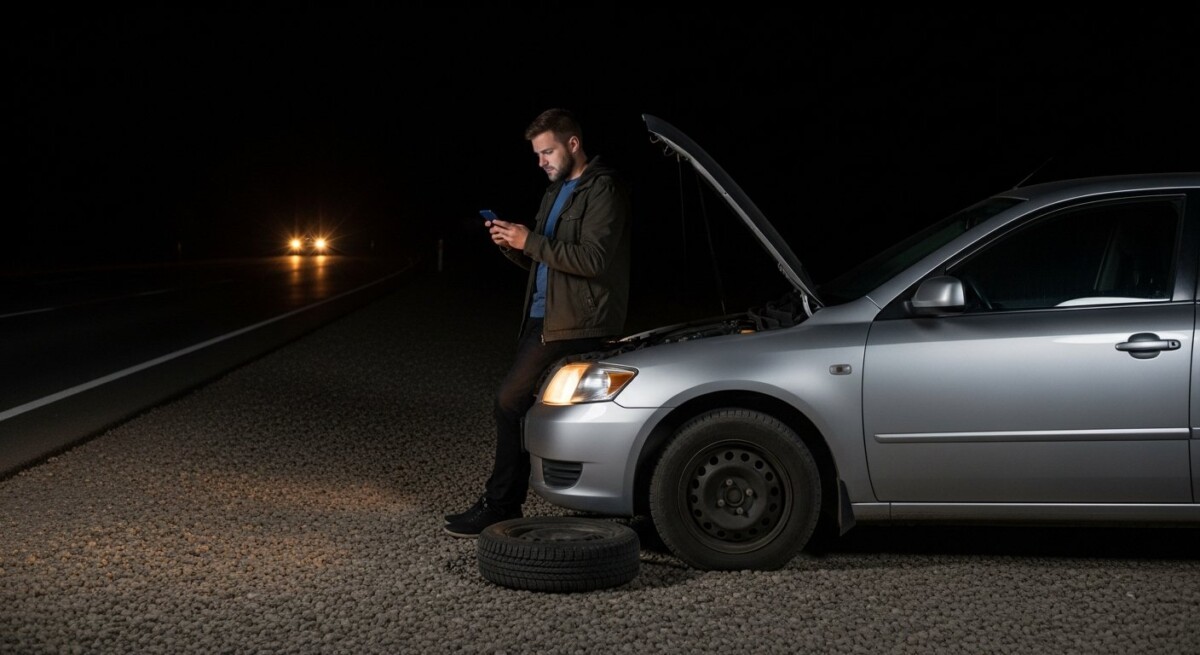
Imagine this: you are driving home late at night on a dark highway, and suddenly your engine sputters and dies. You pull over to the shoulder, your hazard lights flashing, and you realize you have no idea who to call. Towing companies charge a fortune for a short tow, and your membership with a separate roadside club may have expired. This is the exact moment when having auto insurance with roadside assistance transforms from a small add-on into a lifesaver.
For many drivers, roadside assistance is an afterthought, a checkbox they skip to save a few dollars per month. But the reality is that breakdowns, flat tires, lockouts, and dead batteries happen to millions of drivers every year. When they do, the cost of a single tow or a locksmith can easily exceed the annual premium of the roadside coverage. In this comprehensive guide, we will explore how auto insurance with roadside assistance works, what it covers, how to choose the right plan, and whether it is truly worth the investment for your specific driving needs.
What Is Auto Insurance With Roadside Assistance?
Auto insurance with roadside assistance is an optional endorsement or add-on that you can attach to your standard car insurance policy. It provides emergency support when your vehicle becomes inoperable due to mechanical failure, a flat tire, a dead battery, a lockout, or running out of fuel. Instead of having to find a tow truck on your own or relying on a separate membership service, you call your insurance carrier, and they dispatch a certified provider to help you.
This coverage is not the same as your liability or collision insurance. It is a separate service designed to get you moving again quickly and safely. Most major insurers offer this add-on for a modest fee, usually between $3 and $10 per month. In return, you gain access to a network of towing companies, locksmiths, and roadside technicians who can assist you 24 hours a day, 365 days a year.
One important distinction is that auto insurance with roadside assistance is different from a standalone roadside membership like AAA. While both provide similar services, the insurance-based version is typically cheaper and more convenient because it is bundled with your existing policy. However, the coverage limits, response times, and service areas can vary significantly between providers.
Core Services Included in Roadside Assistance Coverage
Most insurance companies offer a standard package of services, but the specific terms and limits differ from one carrier to another. Understanding what is included helps you avoid surprises when you need help the most. Here are the most common services you can expect from a typical roadside assistance add-on:
- Towing: Your vehicle is towed to the nearest qualified repair shop. Most policies cover a set distance, often 10 to 15 miles, before you pay extra per mile.
- Flat tire change: A technician will change your flat tire with your spare. If you do not have a spare, they may tow you to a tire shop.
- Battery jump-start: If your battery is dead, a technician will attempt to jump-start your vehicle.
- Lockout assistance: If you lock your keys inside the car, a locksmith will be dispatched to unlock the door.
- Fuel delivery: If you run out of gas, a technician will bring enough fuel (usually 2 to 3 gallons) to get you to the nearest station.
Some policies also include additional perks such as winching, fluid delivery, or trip interruption coverage. Trip interruption reimburses you for lodging and meals if your car breaks down far from home. However, these extras are not universal, so always read the fine print of your specific policy.
How Does Roadside Assistance Through Insurance Compare to AAA or Other Clubs?
Many drivers wonder whether they should add roadside assistance to their auto insurance or maintain a separate membership with a club like AAA. Both options have pros and cons, and the right choice depends on your driving habits, budget, and tolerance for risk.
Auto insurance with roadside assistance is almost always cheaper. Adding the coverage to your existing policy can cost as little as $30 to $60 per year, while a AAA basic membership runs around $60 to $100 annually. However, insurance-based roadside assistance often has lower service limits. For example, your policy may cover only 10 miles of towing, whereas AAA Classic covers up to 5 miles free and then charges a reduced rate. AAA Plus covers up to 100 miles of towing at no extra cost.
Another key difference is that insurance-based assistance typically does not follow the vehicle. It follows the policyholder. That means if you are driving a friend’s car and it breaks down, your insurance roadside assistance may not cover the tow. AAA, by contrast, is tied to the member, not the vehicle, so it covers you in any car you are driving. Additionally, repeated claims on your insurance roadside assistance can sometimes lead to premium increases or non-renewal, whereas AAA does not affect your insurance rates.
For drivers who rarely travel far from home and have a reliable vehicle, the insurance add-on is often sufficient. For those who take long road trips, own older cars, or want the peace of mind of higher coverage limits, a standalone membership may be a better fit.
Is Auto Insurance With Roadside Assistance Worth the Cost?
To determine whether this add-on is worth it, consider the potential out-of-pocket costs of common roadside emergencies. A simple lockout can cost $75 to $150 for a locksmith. A flat tire change from a mobile service runs $50 to $100. A tow of just 10 miles can cost $150 to $250. If you experience even one of these events per year, the cost of roadside assistance (usually $30 to $60 annually) pays for itself.
Additionally, many drivers underestimate the convenience factor. When you are stranded, the last thing you want to do is search for a reputable tow company, negotiate prices, and wait for a service that may or may not show up. With auto insurance with roadside assistance, you make one call to your insurer, and they handle the logistics. The service is pre-negotiated, so you do not have to worry about being overcharged.
However, there are scenarios where the add-on may not be worthwhile. If you have a new car under warranty, the manufacturer may already include roadside assistance for the first few years. Similarly, if you are already a member of a premium roadside club, adding insurance coverage may be redundant. Evaluate your current coverage before making a decision.
How to Choose the Right Roadside Assistance Add-On
Not all roadside assistance plans are created equal. When shopping for auto insurance with roadside assistance, consider the following factors to ensure you get the best value for your money.
First, check the towing distance limit. Many basic policies cap towing at 10 miles. If you live in a rural area where the nearest repair shop is 20 miles away, you may face significant out-of-pocket costs for the additional distance. Some insurers offer upgraded plans with higher towing limits for a small extra fee.
Second, look at the service call limit per year. Most policies allow a certain number of service calls per year, typically three to five. If you have an older vehicle that breaks down frequently, you may exceed that limit. In that case, a standalone membership with unlimited calls might be better.
Third, consider the response time guarantee. Some insurers commit to a 30- or 45-minute average response time, while others do not specify. Read reviews or ask your agent about average wait times in your area.
Finally, ask about coverage for other drivers. If you frequently lend your car to a spouse, child, or friend, ensure that the roadside assistance covers them when they are driving your insured vehicle. Some policies only cover the named policyholder.
For a deeper comparison of plans and costs, explore our guide on auto insurance with roadside assistance smart coverage to see how different insurers stack up.
Common Exclusions and Limitations You Should Know
Even the best roadside assistance plans have exclusions. Understanding these limitations prevents unpleasant surprises. Most policies will not cover towing if the vehicle is in a race, used for commercial purposes, or has been involved in an illegal activity. They also typically exclude services for vehicles that are not properly maintained, such as running out of oil or having bald tires that caused a blowout.
Additionally, many insurers limit the number of times you can use the service per policy term. If you exceed that limit, you may have to pay full price for additional calls. Some insurers also exclude coverage for vehicles over a certain age or with more than a certain number of miles, though this is rare.
Another important limitation is geographic. While most plans cover the United States and Canada, some exclude remote areas, such as off-road trails or rural highways with limited service providers. Always confirm that your coverage works in the areas where you drive most frequently.
Finally, note that roadside assistance is a service, not a reimbursement. You cannot call any tow company and then submit a receipt to your insurer for payment. You must use the insurer’s designated network of providers. If you choose your own, you may not be reimbursed.
How to File a Roadside Assistance Claim
When a breakdown occurs, the process for using your auto insurance with roadside assistance is straightforward. Follow these steps to get help quickly and avoid common mistakes.
First, ensure you are in a safe location. If possible, move your vehicle to the shoulder or a parking lot away from traffic. Turn on your hazard lights and set up reflective triangles if you have them. Then, call your insurance company’s dedicated roadside assistance number. This number is usually listed on your insurance ID card, on the insurer’s mobile app, or on their website.
When you call, be ready to provide your policy number, your exact location, a description of the problem (flat tire, dead battery, lockout, etc.), and a description of your vehicle (make, model, color, and license plate number). The dispatcher will then assign a service provider and give you an estimated arrival time.
While you wait, stay inside your vehicle with the doors locked if you are on a busy road. When the technician arrives, verify their identification before exiting the vehicle. After the service is completed, you may need to sign a service form. Keep a copy for your records. Your insurer will handle the payment directly with the provider for covered services, so you should not need to pay anything out of pocket unless you exceed your coverage limits.
If you are unsure about your coverage or want to compare plans before an emergency happens, read our analysis on auto insurance with roadside assistance is it worth it to help you decide.
Frequently Asked Questions
Does roadside assistance through insurance raise my rates?
Using roadside assistance services typically does not result in a premium increase because it is not considered an at-fault accident claim. However, if you use the service excessively, some insurers may view you as a higher risk and could non-renew your policy. Always check your insurer’s claims policy.
Can I add roadside assistance to an existing policy?
Yes, most insurers allow you to add roadside assistance at any time, not just when you purchase a new policy. You can request the add-on through your agent or online portal. The additional premium will be prorated for the remainder of your policy term.
Does roadside assistance cover rental cars?
Generally, no. Your personal auto insurance with roadside assistance applies to vehicles listed on your policy. Rental cars are typically covered by the rental company’s own roadside program or by your credit card benefits. However, some insurers extend coverage to rental cars if you have comprehensive and collision coverage on them. Check your policy for details.
What if my car breaks down in a different state?
Most roadside assistance plans cover breakdowns anywhere in the United States and Canada. If you are traveling in a remote area, response times may be longer, but the service will still be provided. Always confirm coverage for international travel.
Is towing included if my car is in an accident?
If you have collision coverage, your insurance may pay for towing to a repair shop as part of the claim. However, roadside assistance add-ons typically cover towing for mechanical breakdowns, not accident-related towing. For accident tows, use your collision coverage to avoid double-paying.
Making the Final Decision on Roadside Assistance
Choosing to add roadside assistance to your auto insurance policy is a personal decision that depends on your vehicle’s reliability, your driving patterns, and your budget. For most drivers, the low cost and high convenience make it a no-brainer. The peace of mind that comes from knowing help is just a phone call away is invaluable, especially for those who drive long distances, travel with family, or own an older vehicle.
Before you commit, compare the terms of your insurer’s roadside assistance with other options. If you are a member of a roadside club or your car is under warranty, you may be able to skip the add-on. However, if you have no other backup plan, adding this coverage to your policy is a simple, affordable way to protect yourself from unexpected roadside emergencies.
To see how much you could save by bundling roadside assistance with your auto insurance, check out our comparison of auto insurance with roadside assistance smart coverage and get a free quote today.
Ultimately, whether you choose to add roadside assistance to your policy or maintain a separate membership, the most important thing is to have a plan in place. Emergencies are unpredictable, but your response to them does not have to be. With the right coverage, you can turn a stressful breakdown into a minor inconvenience.
For more tips on choosing the best add-ons for your driving needs, read our article on auto insurance with roadside assistance a smart add-on to see how it fits into a complete coverage strategy.