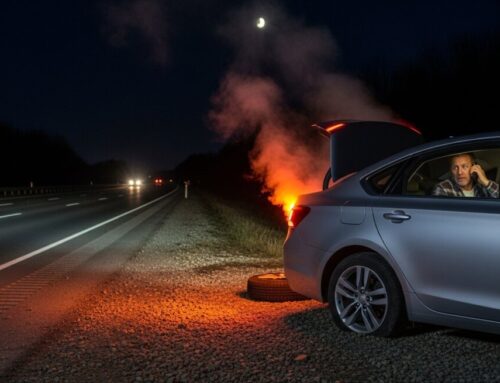
Imagine you are driving home late at night, and your tire blows out on a dark stretch of highway. Your phone battery is at 15 percent, and you have no idea who to call. In that moment, the value of having roadside assistance attached to your auto insurance becomes crystal clear. It is not just about fixing a flat tire; it is about safety, convenience, and financial protection. This article explores exactly what auto insurance with roadside assistance covers, how it compares to standalone plans, and how you can choose the best option for your driving habits.
What Is Auto Insurance With Roadside Assistance?
Auto insurance with roadside assistance is an add-on coverage, often called an endorsement or rider, that you attach to your standard car insurance policy. It provides help when your vehicle becomes disabled while you are on the road. Typical services include towing, battery jump-starts, flat tire changes, fuel delivery, and lockout assistance. Unlike a separate membership from a motor club, this coverage is billed as part of your monthly premium and often costs only a few dollars per month.
Many drivers assume that their basic liability policy includes roadside help, but that is rarely the case. You must specifically elect this coverage when you shop for a policy. Once added, you gain access to a network of service providers who are dispatched when you call your insurer’s claims hotline. The convenience of having everything under one policy, rather than juggling a separate membership, is a major reason why drivers switch to this bundled option.
Common Services Included in Roadside Assistance Coverage
Roadside assistance packages vary by insurer, but most share a core set of services. Understanding exactly what is covered helps you avoid surprises when you need help. Below are the most common services you can expect.
- Towing: Your vehicle is towed to the nearest qualified repair shop, usually within a set mileage limit such as 10 or 15 miles. Beyond that, you may pay a per-mile fee.
- Battery Jump-Start: A technician arrives to jump-start your dead battery. If the battery cannot hold a charge, you may need a tow to a service center.
- Flat Tire Change: The service provider will change your flat tire with your working spare. If you have no spare, they may tow you to a tire shop.
- Fuel Delivery: If you run out of gas, a technician brings enough fuel (usually 2 to 3 gallons) to get you to the nearest station.
- Lockout Assistance: A locksmith is sent to unlock your vehicle if you lock your keys inside. Some policies cover up to a certain dollar amount for this service.
Some insurers also offer additional perks such as winching (pulling your vehicle out of a ditch), trip interruption coverage (reimbursement for lodging and meals if a breakdown occurs far from home), and coverage for rental cars while your vehicle is being repaired. Always read the fine print to know the exact limits and exclusions.
How Does It Compare to Standalone Roadside Plans?
You have likely seen advertisements for standalone roadside assistance from companies like AAA, Good Sam, or your car manufacturer. These plans operate independently of your auto insurance. The key difference lies in how they are billed and how claims are handled. With auto insurance roadside assistance, you pay a small monthly premium added to your policy. With a standalone plan, you pay an annual membership fee, often between $50 and $150, and you may have to pay a service fee per call.
Another difference is claim frequency. If you use roadside assistance multiple times in a year through your insurance, some insurers may view that as a higher risk and raise your premium at renewal. Standalone plans generally do not affect your insurance rates, but they may limit the number of service calls per year. For example, a typical insurance-based plan allows up to four calls per year, while a motor club might allow five or six calls.
Cost is also a factor. Insurance add-ons are usually cheaper upfront, often $3 to $10 per month. Standalone memberships require a lump sum annually. However, standalone plans sometimes offer broader coverage, such as RV or motorcycle towing, which insurance add-ons may exclude. For most everyday drivers, the insurance add-on provides sufficient coverage at a lower cost, but heavy travelers or those with multiple vehicles might prefer the predictability of a separate plan. For a deeper comparison, read our guide on auto insurance with roadside assistance: is it worth it? to see how costs and benefits stack up.
Who Should Consider Adding This Coverage?
Roadside assistance is not for everyone, but it is a smart choice for a large segment of drivers. If you commute long distances on highways, you are more likely to encounter a breakdown far from home. Parents driving children to school or activities also benefit, because a sudden flat or dead battery can disrupt an entire family schedule. Older vehicles, especially those with more than 100,000 miles, are statistically more prone to breakdowns, making this coverage a wise investment.
New drivers, such as teenagers or recent license holders, often lack the experience to handle a roadside emergency. Having a professional service just a phone call away gives them (and their parents) peace of mind. On the other hand, if you drive a brand-new car with a comprehensive warranty that already includes roadside assistance, you may not need the insurance add-on. Similarly, if you are a member of a motor club through your employer or credit union, check whether that benefit duplicates what the insurer offers.
How to Choose the Right Policy for Your Needs
Selecting the right auto insurance with roadside assistance requires comparing a few key factors. Start by reviewing the coverage limits. Some policies cap the towing distance at 10 miles, while others offer unlimited towing. If you frequently drive in rural areas where repair shops are far apart, a higher towing limit is essential. Next, look at the number of service calls allowed per policy period. Most insurers allow three to five calls annually, but a few offer unlimited calls for an extra fee.
Also consider the network of service providers. Large national insurers like Geico, Progressive, and State Farm contract with thousands of tow trucks and mechanics across the country. Regional insurers may have a smaller network, leading to longer wait times. Read online reviews or ask your agent about average response times in your area. Finally, check for exclusions. Some policies do not cover motorcycles, RVs, or vehicles used for commercial purposes. If you own a non-standard vehicle, you may need a standalone plan.
Price is obviously important, but do not choose solely on cost. A $3 per month plan with a 10-mile towing limit might be useless if you break down 30 miles from a shop. Balance affordability with realistic coverage for your driving patterns. Our detailed analysis on auto insurance with roadside assistance: smart coverage breaks down the best policies by service quality and value.
What to Do When You Need Roadside Help
Knowing the process ahead of time reduces stress during an emergency. When you break down, first ensure your safety. Pull as far off the road as possible, turn on your hazard lights, and if it is dark, use flares or reflective triangles. Then call your insurance company’s roadside assistance hotline. Have your policy number, your exact location (use a GPS app if needed), and a description of the problem ready.
The dispatcher will connect you with a nearby service provider. You will receive an estimated arrival time. Most insurers aim for a 30- to 60-minute response in urban areas, though rural waits can be longer. When the technician arrives, show your insurance ID card and confirm that the service is covered. Some services, like towing beyond the limit or after-hours lockout assistance, may require you to pay a fee on the spot. Keep the receipt and submit it to your insurer for reimbursement if applicable.
After the service, note the details for your records. If you believe the service was unsatisfactory, contact your insurer to file a complaint. Most companies have quality guarantees and will send a different provider if needed. For a step-by-step breakdown of what happens after you call, refer to our article on auto insurance with roadside assistance: a smart add-on.
Frequently Asked Questions
Will using roadside assistance raise my insurance rates?
It depends on the insurer. Some companies treat roadside assistance claims as non-chargeable incidents, meaning they do not affect your premium. Others may increase your rate if you use the service multiple times in a short period. Ask your agent before you add the coverage. Generally, one or two claims per year will not trigger a rate hike, but frequent use can be seen as a red flag.
Can I add roadside assistance to an existing policy?
Yes. Most insurers allow you to add roadside assistance at any time, not just during the initial policy purchase. You can usually do it online through your account portal or by calling your agent. The change takes effect immediately or within 24 hours. There is typically no fee to add the coverage, only the additional premium on your next billing cycle.
Does roadside assistance cover rental cars?
Coverage for rental cars varies. Some policies extend roadside assistance to any vehicle you are driving, including rentals, as long as you are the policyholder. Others cover only vehicles listed on your policy. If you rent cars often, consider a standalone plan that specifically includes rental coverage, or purchase the rental company’s roadside package at the counter.
What is not covered by roadside assistance?
Common exclusions include services for vehicles used in commercial activities, off-road recoveries, and repairs beyond basic roadside fixes (like engine or transmission work). Most policies also exclude storage fees if your vehicle is towed to a facility and left overnight. Always read the policy documents carefully to understand what is excluded so you are not caught off guard.
Making the Final Decision
Adding roadside assistance to your auto insurance is a low-cost way to protect yourself from the inconvenience and danger of a breakdown. The peace of mind it provides, especially for families, long-distance commuters, and drivers of older cars, far outweighs the small monthly premium. Before you decide, compare the coverage limits, service network, and claim policies of at least three insurers. If you are still unsure, a standalone motor club membership might be a better fit for your specific needs.
Ultimately, the right choice comes down to your driving habits and budget. For most drivers, bundling roadside assistance with your auto insurance is the simplest and most affordable route. It keeps all your vehicle protection under one roof and ensures you have help when you need it most. To see how much you could save on a bundled policy, check out our comprehensive resource on auto insurance with roadside assistance: smart coverage and compare quotes from top carriers today.