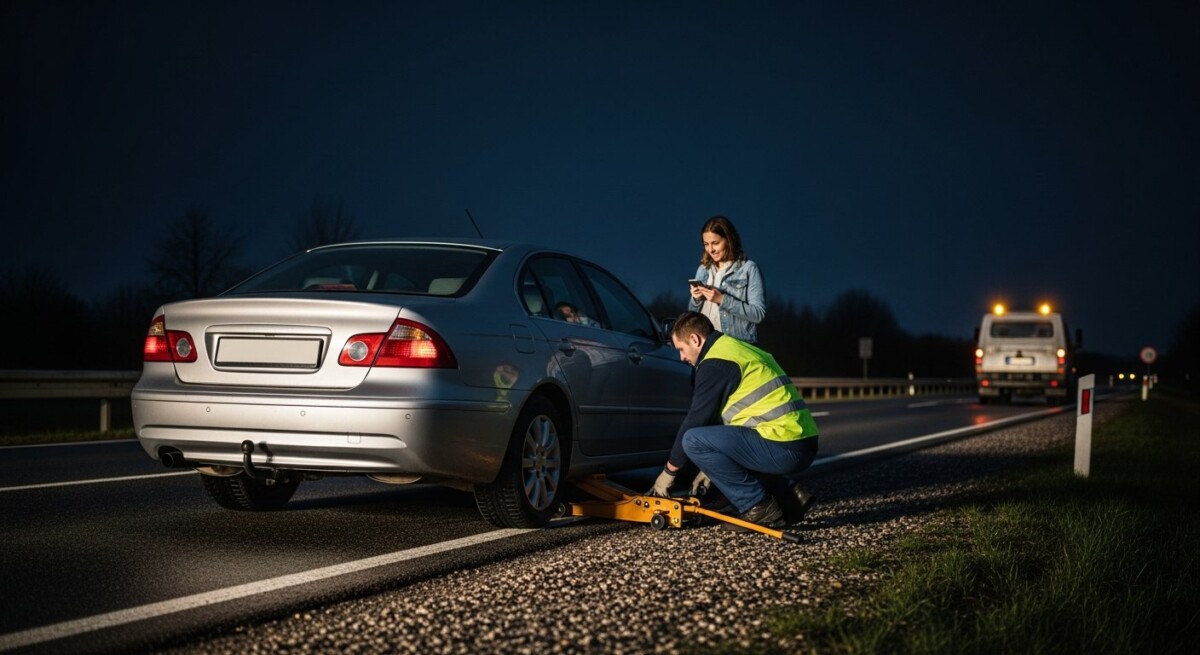
Picture this: you are driving home late at night, and suddenly your tire blows out on a dark, unfamiliar road. Your heart races as you realize you have no jack, no spare, and no idea who to call. In that moment, having a plan for roadside emergencies can turn a stressful situation into a manageable one. That is where auto insurance with roadside assistance becomes more than just an add-on. It becomes a lifeline. Many drivers overlook this coverage until they need it, but understanding how it works, what it costs, and when it makes sense can save you time, money, and frustration. This article breaks down everything you need to know about combining your auto policy with roadside help, so you can drive with confidence.
What Is Auto Insurance With Roadside Assistance?
Auto insurance with roadside assistance is a policy add-on or bundled service that provides emergency help when your vehicle becomes disabled. While standard auto insurance covers accidents, theft, and liability, roadside assistance extends protection to common breakdowns and inconveniences. These services typically include towing, flat tire changes, battery jump-starts, lockout assistance, and fuel delivery. Some insurers offer it as an endorsement to your existing policy, while others include it in premium packages or sell it as a separate product. The key difference from standalone programs like AAA is that you pay a small additional premium each month rather than an annual membership fee. This integration can simplify your coverage and ensure you are never stranded without a plan.
Think of roadside assistance as a safety net for everyday driving mishaps. For example, if you accidentally leave your keys inside the car at a grocery store, your policy can dispatch a locksmith to help you get back in. If you run out of gas on a highway, a service vehicle brings enough fuel to get you to the nearest station. These events are not accidents in the traditional sense, but they disrupt your day and can leave you vulnerable. By adding this coverage to your auto insurance, you consolidate your protection under one provider, which often means fewer bills and faster service. In our guide on auto insurance with roadside assistance smart coverage, we explain how this integration works for different driving scenarios.
What Does Roadside Assistance Typically Cover?
Roadside assistance coverage varies by insurer and policy level, but most plans include a core set of services designed to get you moving again quickly. Understanding these benefits helps you compare options and choose the right level of protection. Below is a breakdown of standard covered services.
- Towing: If your vehicle cannot be repaired on site, the provider tows it to a nearby repair shop, usually within a set mileage limit like 5 to 15 miles.
- Flat Tire Change: A technician removes your damaged tire and installs your spare. This service does not include repairing the tire itself.
- Battery Jump-Start: If your battery is dead, a service vehicle provides a jump to restart your engine.
- Lockout Assistance: If you are locked out of your car, a professional unlocks the door. Some policies cover up to a certain dollar amount for locksmith services.
- Fuel Delivery: If you run out of gas, the provider delivers enough fuel to reach a station, often with a cost for the fuel itself.
Some insurers offer expanded coverage that includes winching (pulling your vehicle out of a ditch or snowbank), spare tire delivery, and even trip interruption benefits that cover lodging and meals if a breakdown occurs far from home. It is important to read the fine print because limits and exclusions apply. For instance, most policies cap the number of service calls per year, typically three to five. They also exclude routine maintenance like oil changes or repairs beyond basic roadside fixes. If you frequently drive in remote areas or extreme weather, you may want a plan with higher mileage limits for towing or additional calls. Our article on auto insurance with roadside assistance is it worth it dives deeper into how these limits affect your out-of-pocket costs.
How Much Does It Cost to Add Roadside Assistance?
The cost of adding roadside assistance to your auto policy is generally affordable. Most insurers charge between $5 and $15 per month, or roughly $60 to $180 per year. This is often cheaper than standalone memberships, which can run $50 to $150 annually depending on the tier. However, there are trade-offs. Insurance-based roadside assistance may have lower coverage limits, longer response times in rural areas, and fewer included services compared to dedicated providers. For example, a basic auto policy add-on might cover only $75 toward a locksmith, while a premium standalone plan covers up to $150. You also need to consider that using your roadside benefit could count as a claim on your insurance record, potentially affecting your rates at renewal.
Despite these potential drawbacks, the convenience of having everything on one bill appeals to many drivers. You do not need to remember a separate membership card or pay an annual fee upfront. Instead, the cost is spread across your monthly premium. Some insurers even offer roadside assistance for free as part of a comprehensive or collision package. When shopping for a policy, ask your agent whether the add-on is a flat fee or a percentage of your premium. Also check if there is a deductible for certain services, such as towing beyond a base distance. Understanding these details helps you avoid surprise bills. For a closer look at pricing models, see our breakdown in auto insurance with roadside assistance smart coverage.
Who Should Consider Adding Roadside Assistance?
Roadside assistance is not for everyone, but it is a smart choice for many drivers. If you fall into any of the following categories, the add-on may be worth the small monthly cost.
- Long-distance commuters: If you drive 50 miles or more each day for work, your odds of a breakdown increase. Towing costs alone can exceed $100 per incident.
- Owners of older vehicles: Cars with high mileage or aging components are more prone to battery failures, belt issues, and flat tires.
- Drivers who travel frequently: Road trips through unfamiliar areas make you more vulnerable to lockouts, dead batteries, and fuel miscalculations.
- New or inexperienced drivers: Teenagers and young adults may not know how to change a tire or handle a breakdown safely.
- Families with children: A stranded vehicle with kids can become a safety hazard quickly. Roadside help reduces stress and wait times.
On the other hand, if you drive a new car with a comprehensive manufacturer warranty that includes roadside assistance, adding it to your insurance may be redundant. Similarly, if you already belong to a motor club like AAA or have coverage through your credit card, you can skip the add-on. The key is to avoid paying for duplicate coverage. Review your existing benefits before making a decision. Many drivers find that layering their insurance roadside assistance with a backup membership gives them peace of mind, but that approach can double your costs. Assess your driving habits and risk tolerance to find the right balance. For a detailed comparison of policies, check out our guide on auto insurance with roadside assistance a smart add-on.
Pros and Cons of Insurance-Based Roadside Assistance
Every coverage option has trade-offs, and roadside assistance is no exception. Weighing the advantages and disadvantages helps you decide if this add-on fits your needs.
Pros: The biggest benefit is convenience. Bundling roadside assistance with your auto insurance means one company handles your claims, one bill, and one customer service number. This simplifies the process during a stressful event. Additionally, the cost is low compared to paying for individual tows or lockouts out of pocket. A single tow can cost $75 to $150, making the annual premium a good value if you use the service even once. Some insurers also offer 24/7 dispatch and mobile apps to track the service vehicle, which adds transparency.
Cons: The primary downside is that using roadside assistance may count as a claim. In some states, insurers can raise your rates after one or two service calls, especially if they involve towing. Another drawback is limited coverage. Most insurance add-ons cap towing distance at 10 to 15 miles, whereas standalone plans often cover 100 miles or more. Response times can also be slower if your insurer contracts with a national network rather than local providers. Finally, you may not be able to use the service if you are not the policyholder or if the vehicle is not listed on the policy. Read your contract carefully to understand who is covered and under what circumstances.
How to Choose the Right Policy
Selecting the best auto insurance with roadside assistance requires comparing multiple factors. Start by asking your current insurer about their add-on options and pricing. Then, get quotes from at least three competitors to see how their bundles stack up. As you evaluate, focus on these key areas.
- Service limits: Check the maximum number of calls per year and the towing distance included. Higher limits cost more but provide better protection.
- Coverage scope: Does the plan include winching, trip interruption, or spare tire delivery? Some policies exclude services you might assume are standard.
- Claims impact: Ask whether using roadside assistance affects your premium or counts as a claim. Some insurers treat it separately from accident claims.
- Network size: A larger service network means faster response times, especially in rural areas. Verify that your insurer partners with reputable towing companies.
- Exclusions: Read the fine print for vehicle types (e.g., RVs or motorcycles may not be covered) and situations like off-road driving or racing.
Once you narrow down your options, request sample policy documents and review the definitions section. Look for terms like “disablement” and “covered event” to understand what triggers coverage. If you have a classic car, a high-mileage vehicle, or a leased auto, notify the insurer so they can advise on any special requirements. Taking these steps ensures you get the most value from your premium and avoid surprises when you need help the most.
Frequently Asked Questions
Is roadside assistance the same as towing coverage?
No. Towing coverage is a component of roadside assistance, but the two are not interchangeable. Roadside assistance includes towing along with other services like jump-starts and lockout help. Standalone towing coverage only pays for towing your vehicle to a repair shop. If you only have towing coverage, you will not receive help with a flat tire or dead battery unless it is included separately.
Will using roadside assistance raise my insurance rates?
It depends on your insurer and state regulations. Some companies classify roadside calls as “non-chargeable events” and do not raise your premium. Others treat them as claims that can lead to rate increases, especially if you use the service multiple times in a policy period. Always ask your agent how your insurer handles this before enrolling.
Can I add roadside assistance to my policy at any time?
Yes, most insurers allow you to add roadside assistance mid-policy. The change typically takes effect immediately or within 24 hours. You will pay a prorated premium for the remainder of your term. However, if you are filing a claim right after adding the coverage, the insurer may deny it due to a waiting period. Check your policy for any such restrictions.
Does roadside assistance cover rental cars or vehicles I borrow?
Usually, coverage follows the vehicle rather than the driver. If you are driving a rental car or a borrowed vehicle, your personal auto policy may extend roadside assistance to that car if it is listed or if the policy includes non-owned vehicle coverage. However, rental companies often offer their own roadside plans at the counter. Confirm with your insurer before relying on your policy for a rental.
Making the Final Decision
Choosing auto insurance with roadside assistance is a personal decision based on your driving habits, budget, and risk tolerance. For most drivers, the low monthly cost provides valuable peace of mind and practical help during unexpected breakdowns. The key is to compare policies carefully, understand the limits and exclusions, and avoid duplicate coverage. By taking these steps, you ensure that when you are stranded on the side of the road, help is just a phone call away. Remember to review your policy annually as your driving needs change, and do not hesitate to switch providers if you find a better value. Safe driving starts with being prepared, and roadside assistance is a simple yet powerful tool to keep you moving.