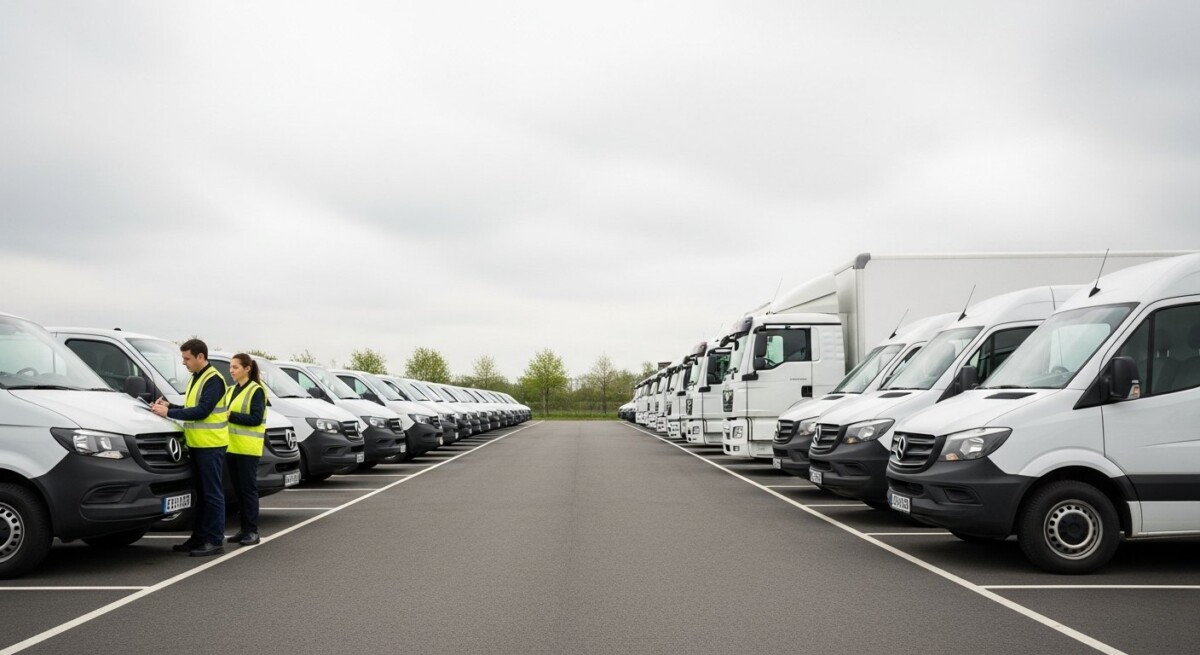
Managing a fleet of vehicles for your business is a complex operation. You have to track maintenance, monitor driver behavior, optimize routes, and ensure every delivery or service call happens on time. One of the most critical pieces of that puzzle is insurance. The best auto insurance for business fleets does not just protect your vehicles. It safeguards your entire operation from financial ruin after a collision, lawsuit, or cargo loss. Many business owners treat fleet insurance as a generic purchase, but the coverage you choose can mean the difference between a minor disruption and a catastrophic hit to your bottom line.
Fleet insurance is different from personal auto coverage in several key ways. It covers multiple vehicles under a single policy, often with customized limits, deductibles, and endorsements. It also factors in the combined driving record of your entire team, not just one person. Insurers look at your fleet size, vehicle types, cargo, and annual mileage. They also consider your industry. A plumbing company with vans faces different risks than a trucking company with semi-trailers. Finding the best auto insurance for business fleets requires understanding these nuances and matching them to a carrier that specializes in commercial coverage.
In this guide, we walk through the top carriers, essential coverage types, cost-saving strategies, and frequently asked questions. We also explain how to avoid common pitfalls like underinsuring your fleet or missing key endorsements. By the end, you will have a clear path to securing the right protection for your vehicles and your business.
What Makes Fleet Insurance Different from Personal Auto Insurance?
Business fleet insurance is designed for companies that own or lease multiple vehicles used for work purposes. While personal auto insurance covers an individual and their family for personal driving, fleet insurance covers a collection of vehicles used for commercial activities. This distinction matters because commercial use introduces higher liability exposure. If one of your drivers causes an accident while making a delivery, the injured party may sue your company, not just the driver. Personal policies typically exclude business use, leaving you uninsured in that scenario.
Another difference is how premiums are calculated. Personal insurance rates are based on your age, credit score, and driving history. Fleet insurance rates are based on the combined risk profile of your entire fleet. Factors like the types of vehicles (vans, trucks, sedans), the distance they travel annually, the goods they carry, and the safety record of your drivers all play a role. Many insurers also consider your company’s loss history and safety programs. If you have a strong safety culture with telematics and regular training, you can often negotiate lower rates.
Coverage limits also differ. A personal auto policy might offer $100,000 in liability per accident, but that amount is rarely enough for a commercial claim. Fleet policies typically start at $1 million in combined single limit liability and can go much higher depending on your exposure. Additionally, fleet policies can include specialized coverages like hired and non-owned auto liability, which covers vehicles your employees use for work but that you do not own. This is critical if your team uses personal cars for business errands.
Top Carriers for the Best Auto Insurance for Business Fleets
Several national and regional insurers excel at fleet coverage. Below are the top carriers we recommend based on financial strength, claims service, coverage options, and customer satisfaction. Each one has unique strengths that may align better with certain types of fleets.
1. Progressive Commercial
Progressive is one of the largest commercial auto insurers in the United States. They offer flexible policies for fleets of all sizes, from small businesses with two vehicles to large enterprises with hundreds. Their online platform makes it easy to manage policies, add or remove vehicles, and file claims. Progressive also provides usage-based insurance options that can lower premiums for fleets with good driving records. Their claims service is generally well-regarded, with 24/7 support and a mobile app for quick reporting. In our State Farm Auto Insurance Reviews: An In-Depth Analysis, we compare how Progressive stacks up against other top carriers in terms of coverage breadth and pricing for commercial fleets.
2. Nationwide
Nationwide is a strong choice for fleets that need robust coverage options and excellent risk management tools. They offer a comprehensive fleet insurance program that includes liability, physical damage, cargo, and equipment coverage. Nationwide also provides loss control services, including driver training programs and telematics discounts. Their financial strength is top-notch, earning an A+ (Superior) rating from A.M. Best. This means they have the resources to pay large claims quickly. For businesses that operate across state lines, Nationwide’s nationwide network of agents and adjusters is a significant advantage.
3. Travelers
Travelers is another excellent option, particularly for fleets that transport high-value cargo or operate in high-risk industries like construction and logistics. They offer customizable policies with endorsements for rental reimbursement, roadside assistance, and gap coverage. Travelers also invests heavily in technology. Their IntelliDrive program uses telematics to give fleet managers real-time data on driver behavior, helping reduce accidents and lower premiums. Travelers has an A++ (Superior) financial strength rating from A.M. Best, giving you confidence that they will be there when you need them.
4. The Hartford
The Hartford specializes in small to mid-sized fleets, especially those in the trades sector like plumbing, electrical, and HVAC. They offer a flexible policy called the Master Builder program that bundles commercial auto with general liability and property coverage. The Hartford also provides a dividend program that can return up to 10% of premium to eligible businesses with low loss ratios. Their claims service is consistently rated highly by customers. If you have a fleet of work trucks and vans, The Hartford is worth a close look.
Essential Coverage Types for Your Fleet
When shopping for the best auto insurance for business fleets, you need to understand the different coverage options. A basic liability policy may be the cheapest, but it often leaves you exposed. Below are the essential coverages every fleet should consider.
- Commercial Auto Liability: Covers bodily injury and property damage to third parties if your driver causes an accident. Most states require a minimum amount, but experts recommend at least $1 million in coverage for commercial fleets.
- Physical Damage (Comprehensive and Collision): Covers damage to your own vehicles from collisions, theft, vandalism, fire, and natural disasters. This is especially important if you have financed or leased vehicles.
- Medical Payments (MedPay) or Personal Injury Protection (PIP): Covers medical expenses for you and your passengers regardless of fault. This can help avoid lawsuits from injured employees.
- Uninsured/Underinsured Motorist (UM/UIM): Protects your fleet if you are hit by a driver with no insurance or insufficient limits. This is critical because roughly 1 in 8 drivers on the road is uninsured.
- Cargo Coverage: Covers the goods you transport in your vehicles. If you deliver products, equipment, or materials, cargo coverage ensures you are not left paying for lost or damaged shipments.
- Hired and Non-Owned Auto Liability: Covers vehicles you rent, lease, or borrow, as well as personal cars used for business purposes. This is often overlooked but essential for companies where employees run errands in their own cars.
Each of these coverages can be tailored with different deductibles and limits. For example, you might choose a higher deductible on physical damage to lower your premium, but keep a low deductible on liability to avoid out-of-pocket costs after an at-fault accident. It is wise to work with an independent agent who can compare quotes from multiple carriers and help you find the right balance.
How to Lower Your Fleet Insurance Premiums
Insurance is a significant operating expense for any fleet-based business. Fortunately, there are proven strategies to reduce your costs without sacrificing protection. Implementing a few of these tactics can save you thousands of dollars annually.
Invest in Driver Safety Training. Carriers reward fleets with lower accident rates. Enroll your drivers in a defensive driving course and conduct regular safety meetings. Some insurers offer direct discounts for completing approved training programs. Additionally, creating a written safety policy and enforcing it consistently can lead to lower loss ratios and better renewal rates.
Use Telematics and GPS Tracking. Installing telematics devices in your vehicles allows you to monitor speed, harsh braking, and idle time. Many insurers offer usage-based discounts for fleets that use telematics. Beyond the discount, the data helps you coach drivers on safer habits, further reducing accidents. In our guide on What Is Non Standard Auto Insurance and Who Needs It?, we discuss how telematics can also help high-risk drivers improve their profiles and access better rates.
Bundle Policies. If you purchase your fleet insurance from the same carrier that provides your general liability, workers’ compensation, or property insurance, you can often get a multi-policy discount. This also simplifies billing and claims management. Ask each carrier about bundling options before you commit.
Increase Deductibles. Raising your physical damage deductible from $500 to $1,000 or $2,500 can significantly lower your premium. Just make sure you have enough cash reserves to cover the deductible if you need to file a claim. For large fleets, a higher deductible often makes sense because the savings accumulate across many vehicles.
Screen Your Drivers. Before hiring a new driver, run a motor vehicle record (MVR) check. Avoid hiring drivers with multiple moving violations, DUIs, or at-fault accidents. Some insurers require MVR checks for all named drivers. A clean driving record across your fleet is one of the strongest factors in keeping your rates low. For more on protecting your record and rates, see our article on What Is Accident Forgiveness Auto Insurance and How It Works, which explains how some carriers forgive first at-fault accidents.
Common Mistakes to Avoid When Insuring a Fleet
Even experienced business owners make errors when purchasing fleet insurance. Avoiding these common pitfalls can prevent gaps in coverage and expensive surprises.
Mistake 1: Underinsuring Liability Limits. Many businesses buy only the state minimum liability limits to save money. This is a dangerous gamble. A single serious accident can result in medical bills and legal judgments that exceed those minimums by millions of dollars. If you are found personally liable for the excess, it could bankrupt your company. A good rule of thumb is to carry at least $1 million in liability coverage per occurrence.
Mistake 2: Forgetting to Add New Vehicles. When you purchase or lease a new vehicle for your fleet, you must add it to your policy immediately. Some policies have a grace period, but many do not. Driving an uninsured vehicle even for one day can expose you to liability. Set up a system with your team so that every new vehicle is reported to your insurer before it hits the road.
Mistake 3: Not Reviewing Exclusions. Read your policy carefully for exclusions. Some policies exclude certain types of vehicles (like heavy trucks or tow trucks) or certain uses (like transporting hazardous materials). If your fleet operations change, update your policy accordingly. Otherwise, you might find out you are not covered only after a claim is denied.
Mistake 4: Ignoring Non-Owned Auto Coverage. If your employees use their personal vehicles for business tasks, you need hired and non-owned auto liability coverage. Without it, you could be held liable for an accident the employee causes while running a business errand. This coverage is inexpensive and essential for any business where employees drive for work.
Frequently Asked Questions
How many vehicles do I need to qualify for a fleet policy?
Most insurers define a fleet as at least 3 to 5 vehicles. However, some carriers offer fleet policies for as few as 2 vehicles. If you have only 1 or 2 vehicles, you may still be able to get a commercial auto policy that can be expanded later. It is always worth asking carriers about their minimum fleet size requirements.
Can I use my personal auto insurance for a business vehicle?
No. Personal auto insurance policies generally exclude business use. If you use a personal vehicle for business purposes and get into an accident, your claim could be denied. You need a commercial auto policy or at least a business-use endorsement on your personal policy. For more details, read our guide on Finding Affordable Auto Insurance NY Drivers Can Trust, which covers commercial vs. personal distinctions in a high-cost market.
What factors affect fleet insurance rates the most?
The biggest factors are the driving records of your employees, the types of vehicles in your fleet, the annual mileage driven, and your claims history. Other factors include your industry, the geographic areas you operate in, and whether you transport hazardous materials. Improving driver safety and reducing claims are the most effective ways to lower rates over time.
Do I need workers’ compensation if my drivers are employees?
Yes, in most states, workers’ compensation is required for employees. If a driver is injured on the job, workers’ comp covers their medical bills and lost wages. It also protects you from being sued by the employee for workplace injuries. Fleet insurance and workers’ comp are separate policies, but they work together to protect your business.
Choosing the best auto insurance for business fleets is a strategic decision that impacts your financial stability and operational efficiency. By understanding the coverage options, selecting a strong carrier, and implementing cost-saving measures, you can protect your business without breaking the bank. Review your policy at least once a year or whenever your fleet changes. As your business grows, your insurance needs will evolve. Stay proactive, and your fleet will remain a reliable asset rather than a liability.