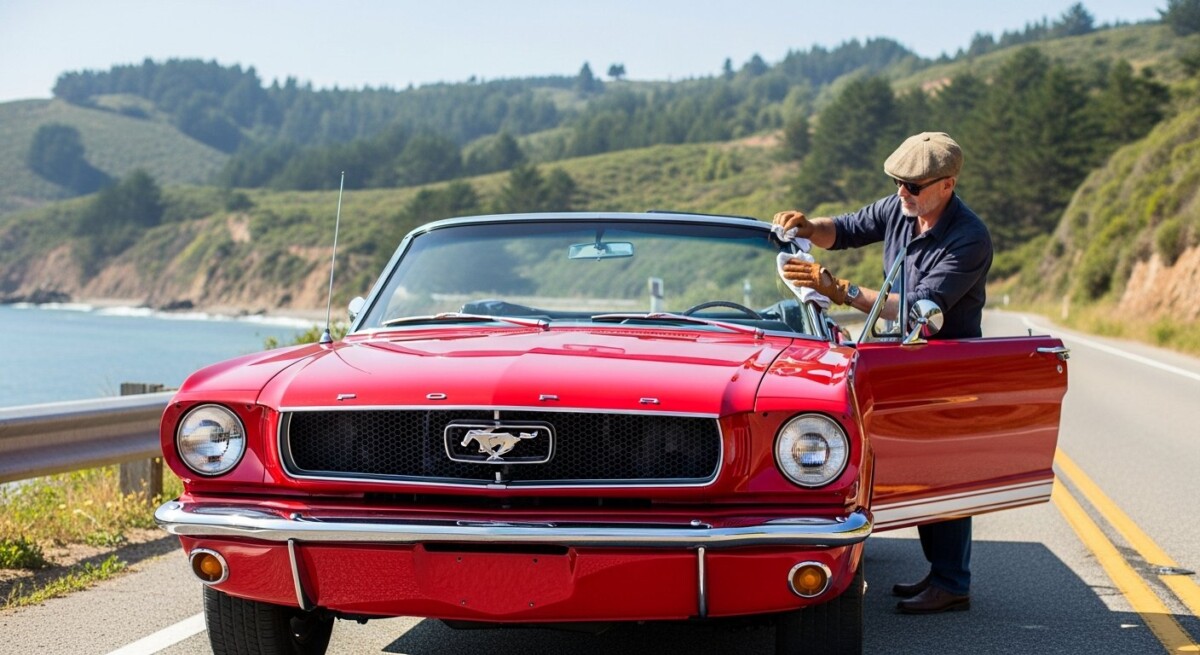
Owning a classic car is a point of pride. Whether you have a 1965 Mustang, a 1957 Chevrolet Bel Air, or a vintage Porsche 356, your vehicle is more than transportation. It is an investment, a piece of history, and a passion project. Standard auto insurance policies often fall short when it comes to protecting these unique assets. They value cars based on depreciation, not appreciation, and they rarely cover the specialized costs of restoration parts or expert labor. That is why finding the best auto insurance for classic car owners requires a different approach. You need a policy that understands the true value of your collector vehicle and offers coverage that matches its worth.
In this guide, we will walk you through the essential factors to consider when insuring a classic car. We will explain how agreed value policies work, what coverage options matter most, and how you can save money while getting the protection your vehicle deserves. We will also show you how comparing quotes from multiple carriers can help you secure a policy that fits both your car and your budget. Let us start by understanding why classic car insurance is different from standard auto insurance.
Why Classic Car Insurance Differs from Standard Policies
Standard auto insurance policies are designed for daily drivers. They use actual cash value formulas that subtract depreciation from the car’s market value. For a classic car that is increasing in value or has been meticulously restored, this formula is disastrous. If your classic is totaled, a standard policy might pay you only a fraction of what it is worth. Classic car insurance, on the other hand, uses an agreed value approach. You and the insurer agree on the car’s value upfront. If you file a total loss claim, you receive that full agreed amount with no depreciation deduction.
Another major difference is usage. Classic car policies typically require that the vehicle be used for limited purposes: shows, parades, club events, and occasional pleasure drives. They assume the car is not a daily commuter. Because the risk of accidents is lower for these limited-use vehicles, premiums are often much more affordable than standard car insurance. Insurers also recognize that classic car owners are usually meticulous about storage and maintenance, which further reduces risk.
Finally, classic car insurance often includes specialized features like spare parts coverage, automatic coverage for appreciation, and roadside assistance tailored to vintage vehicles. Standard policies rarely offer these benefits. Understanding these differences is the first step in choosing the right coverage. You can learn more about how coverage options vary in our complete guide to auto insurance in Massachusetts for drivers, which explains state-specific nuances that can affect your policy.
Key Features of the Best Auto Insurance for Classic Car Owners
When shopping for coverage, look for these critical features. The best auto insurance for classic car owners is not just about price. It is about the quality of protection and the insurer’s understanding of collector vehicles.
Agreed Value vs. Stated Value
This is the most important distinction. Agreed value means you and the insurer agree on the car’s worth when the policy is written. If the car is totaled, you get that amount. Stated value means you tell the insurer what the car is worth, but the company may only pay the actual cash value at the time of loss if it is less. Always choose agreed value coverage for a classic car. It protects your investment from depreciation and market fluctuations.
Coverage for Restoration and Parts
If you are restoring a classic, you need coverage for parts and work in progress. Some policies include automatic coverage for newly acquired parts or vehicles being restored. This can save you from significant out-of-pocket costs if something happens during the restoration process. Also look for coverage that includes original equipment manufacturer (OEM) parts rather than generic aftermarket parts.
Flexible Mileage and Usage Limits
Classic car policies typically cap annual mileage between 2,500 and 7,500 miles. If you drive your classic more often, look for a policy with higher mileage allowances. Some insurers offer tiered mileage plans that let you pay for the miles you actually drive. Usage restrictions usually prohibit using the car for daily commuting, errands, or commercial purposes. Make sure the policy matches how you actually use your vehicle.
How to Compare Classic Car Insurance Quotes
Finding the best rate requires comparing multiple insurers. Each company uses its own formula to assess risk and value. Here are the steps to get accurate quotes.
- Document your car’s value. Get a professional appraisal from a certified classic car appraiser. This establishes a baseline for agreed value negotiations. Keep records of restoration costs, receipts, and any modifications that increase value.
- Determine your coverage needs. Decide on liability limits, comprehensive and collision deductibles, and any additional coverages like towing or spare parts. Higher deductibles lower premiums but increase your out-of-pocket cost if you file a claim.
- Request quotes from specialty insurers. Companies like Hagerty, Grundy, Heacock, and American Collectors specialize in classic cars. However, standard carriers like Geico, State Farm, and Progressive also offer classic car policies. Compare at least three to five quotes.
- Review the fine print. Check for mileage limits, storage requirements, and usage restrictions. Some insurers require that the car be kept in a locked garage. Others have minimum driver age requirements.
Once you have quotes, compare them side by side. Look beyond the premium. Consider the insurer’s reputation for claims handling, financial stability, and customer service. A slightly higher premium from a company known for excellent claims service may be worth it. For help navigating the process, see our guide on best auto insurance for new drivers in New York, which includes tips on comparing policies effectively.
Coverage Options You Should Consider
Beyond the basics, several add-on coverages can enhance your classic car policy. Evaluate which ones apply to your situation.
- Automatic Appreciation Coverage: This automatically increases your agreed value each year to account for market appreciation. It prevents your coverage from becoming outdated.
- Spare Parts Coverage: If you have a collection of rare parts or a spare engine, this covers them even if they are not installed in the car.
- Roadside Assistance for Classics: Standard towing may not handle a low-slung vintage car. Specialty roadside assistance includes flatbed towing and technicians familiar with older vehicles.
- Inflation Guard: This adjusts your coverage limits to keep pace with inflation on repair costs and parts.
- Liability for Car Shows: Some policies extend liability coverage to events where you display your car, protecting you if someone is injured near your exhibit.
Not every add-on is necessary. Focus on those that address your specific risks. For example, if you trailer your car to shows, spare parts coverage may be more important than roadside assistance. If your car is a fully restored show winner, automatic appreciation coverage is critical.
Common Discounts for Classic Car Owners
Insurers offer several discounts that can lower your premium. Ask about these when getting quotes.
Multi-car discounts apply if you insure your daily driver and your classic with the same company. Some insurers offer discounts for completing a defensive driving course or for being a member of a recognized car club. If your vehicle has anti-theft devices, a secure storage facility, or a tracking system, you may qualify for additional savings. Bundling your classic car policy with your homeowners insurance can also reduce costs. Always ask what discounts are available before finalizing a policy.
How to File a Claim for Your Classic Car
If you need to file a claim, the process differs from a standard auto claim. Notify your insurer immediately and provide documentation of the damage. For a classic car, you will likely need to provide the appraisal, photos, and receipts for any repairs. The insurer may send a specialized adjuster who understands collector vehicles. If the car is repairable, make sure the shop you choose is approved by the insurer and experienced with classic cars. Using a shop that specializes in vintage vehicles ensures that repairs are done correctly with proper materials and techniques. For a detailed walkthrough, read our guide on filing your California auto insurance claim, which outlines steps that apply to most states.
If the car is a total loss, the agreed value policy pays the full amount you and the insurer agreed upon. This is why agreeing on a realistic value at policy inception is so important. If your car has appreciated significantly since the policy was written, you may be underinsured. Review your agreed value annually and adjust it as needed.
Frequently Asked Questions
How much does classic car insurance cost?
Premiums vary widely based on the car’s value, your driving history, mileage, and storage conditions. On average, classic car insurance costs between $300 and $800 per year for a standard policy. High-value vehicles or those driven more frequently may cost more. Always compare multiple quotes to find the best rate.
Can I drive my classic car every day?
Most classic car policies restrict daily commuting and routine errands. If you drive your classic daily, you may need a standard policy or a specialty policy with higher mileage limits. Some insurers offer hybrid policies that allow more frequent use, but premiums will be higher.
Do I need a separate policy for my classic car?
Yes. Adding a classic car to your standard auto policy often results in inadequate coverage. A separate specialty policy provides agreed value protection, specialized claims handling, and coverage for parts and restoration. It is almost always a better choice for collector vehicles.
What if my classic car is in storage?
Many insurers offer storage or lay-up policies that reduce coverage and premium when the car is not driven. You keep comprehensive coverage for theft, fire, and vandalism but drop liability and collision. This can save money during winter months or long storage periods.
Final Thoughts on Protecting Your Investment
Choosing the best auto insurance for classic car owners is about more than finding the lowest premium. It is about securing a policy that respects the unique value of your vehicle and provides peace of mind. Focus on agreed value coverage, understand the usage limits, and take advantage of discounts that reward responsible ownership. Review your policy annually to ensure your coverage keeps pace with your car’s appreciating value.
If you are ready to compare rates and find a policy tailored to your classic car, start by getting free quotes from multiple carriers. The right coverage is out there. With a little research and the help of a trusted comparison platform, you can protect your prized possession without overpaying. For mature drivers who also own classic cars, our AARP auto insurance review offers insights into benefits that may complement your classic car policy.