
Classic Car Insurance: Protecting Your Prized Automobile
Secure agreed value coverage for your collector vehicle. Call 833-275-7533 for a quote on classic car insurance.

By Oliver Turner
Owning a classic car is a passion project, a rolling piece of history, and often a significant financial investment. Protecting that investment requires a specialized approach, as standard auto insurance policies are fundamentally mismatched for the unique needs of a collector vehicle. Standard insurance is designed for daily transportation and depreciating assets, while classic cars are cherished, often appreciating, and driven under limited, controlled conditions. Understanding the nuances of auto insurance for classic cars is not just a financial necessity, it’s a critical part of responsible ownership, ensuring your prized automobile is covered for its true, agreed-upon value, not just a depreciated book figure.
Why Standard Auto Insurance Fails Classic Cars
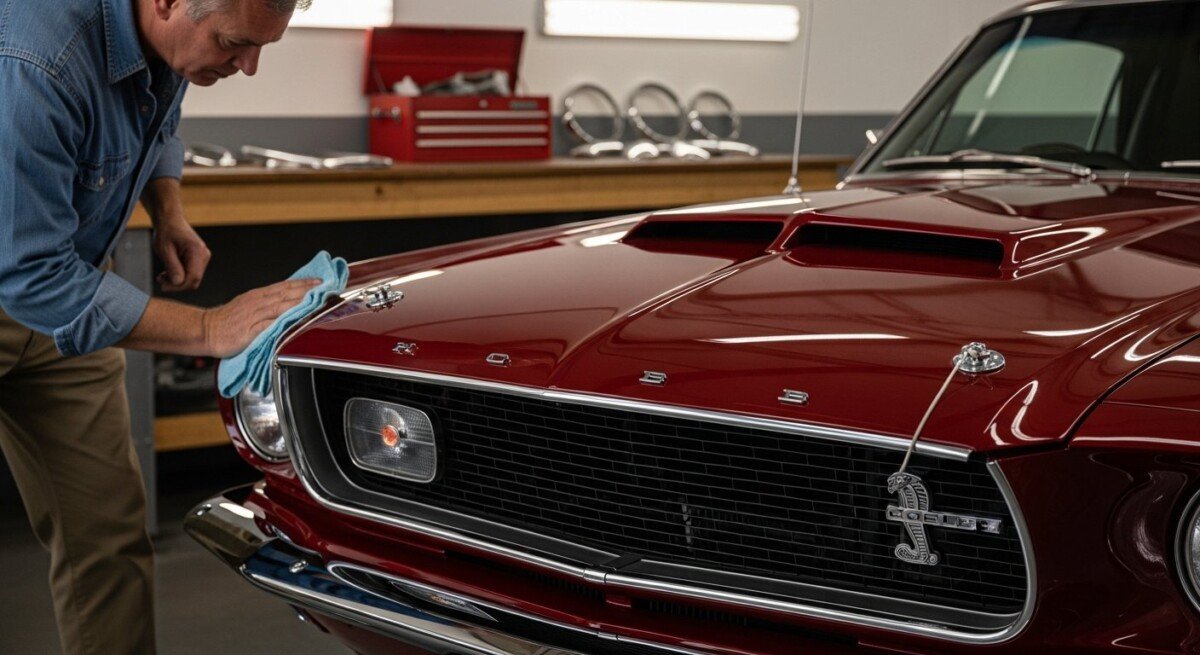
The core principle of a standard personal auto policy is to provide liability coverage and to indemnify you for the actual cash value (ACV) of your vehicle at the time of a loss. ACV is calculated as the replacement cost minus depreciation. For a modern daily driver, this makes sense. For a meticulously restored 1967 Ford Mustang Shelby GT500, this is a disaster. The ACV would be a fraction of what you’ve invested in restoration and a tiny sliver of its market value. Furthermore, standard policies often restrict how you can use your vehicle, may not cover spare parts or restoration projects, and can even cancel your policy if they discover you’re using a collectible car for regular commuting. The limitations are significant and expose you to substantial financial risk.
Classic car insurance, often called collector car insurance, is built on a different model: agreed value. Before the policy is issued, you and the insurer agree on the car’s value, typically based on appraisals, comparable sales, and restoration receipts. In the event of a total loss, you receive that agreed amount, no depreciation deducted. This is the cornerstone benefit. Additionally, these policies are tailored for limited usage. They understand you won’t be driving your classic to the supermarket in a snowstorm. Premiums are consequently much lower, often 30-50% less than standard insurance for the same vehicle, because the risk profile (limited miles, garage-kept, experienced drivers) is so favorable.
Key Features and Benefits of Collector Car Insurance
A robust classic car policy goes far beyond just agreed value coverage. It bundles a suite of protections designed for the collector’s lifestyle. Understanding these features will help you compare policies effectively and ensure you have comprehensive protection.
First, mileage restrictions are a standard feature, not a drawback. They are a key reason premiums are low. You might select an annual limit of 1,000, 2,500, or 5,000 miles. Some insurers offer “unlimited” mileage for show vehicles, but it still implies pleasure use, not daily commuting. Second, coverage for spare parts and automobilia is common. If you have a cache of NOS (New Old Stock) parts or vintage signage, you can often schedule these items on your policy. Third, inflation guard is a crucial rider that automatically increases your agreed value periodically to keep pace with market appreciation.
Other vital benefits often include:
- Flexible Usage: Coverage for club activities, exhibitions, and tours is standard.
- Restoration Coverage: Some policies can cover the car while it’s under restoration, protecting the increasing value as work progresses.
- No Deductible for Glass/Windshield: Given the cost and rarity of classic car glass, this is a valuable inclusion.
- Travel Expense Coverage: If your classic breaks down far from home during a tour, this can cover lodging and transport.
- Diminishing Deductible: Your deductible may decrease for each claim-free year.
It is essential to read the fine print on what constitutes acceptable use. Most policies explicitly forbid using the classic car for routine errands, daily driving to work, or commercial activities like ride-sharing. Violating these use clauses can void your coverage. For insights into navigating insurance claims processes, which shares principles with standard auto claims, you can review our step-by-step guide to filing your California auto insurance claim.
Eligibility and Qualification Requirements
Not every old car qualifies for classic car insurance. Insurers have specific criteria to ensure the vehicle is a true collectible and the owner presents a low risk. These requirements are in place to maintain the favorable risk pool that allows for low premiums and agreed value coverage.
The vehicle itself must typically be at least 15-25 years old, though some insurers have a 10-year minimum for certain modern collectibles. It must be in good to excellent restored or original condition. A project car on blocks in the driveway usually won’t qualify until it’s operational. The car’s primary purpose must be for hobby and exhibition, not daily transportation. You will also need a secure, enclosed garage for storage. Leaving a classic parked on the street is a significant risk insurers are unwilling to take.
Driver requirements are equally important. Most companies require all drivers in the household to have a clean driving record. They often stipulate that the primary driver must be at least 25 years old and have a good driving history. Crucially, you must have a regular daily driver for each licensed driver in the household. The insurer needs proof that the classic car is a secondary vehicle. This requirement is non-negotiable. For mature drivers who may be classic car enthusiasts, understanding options from providers like AARP can be beneficial, as detailed in our AARP auto insurance review for mature drivers.
Determining the Agreed Value of Your Classic Car
Setting the correct agreed value is the most critical step in securing your classic car insurance. Set it too low, and you are underinsured. Set it too high, and you’re paying premiums on an inflated value. The goal is an accurate, defensible number that reflects the car’s true market worth.
Start by gathering documentation. This includes photographs from all angles, interior and engine bay shots, receipts for all restoration work, parts, and major services. An appraisal from a recognized classic car appraiser is the gold standard. Appraisers will assess the car’s condition, originality, quality of restoration, and current market trends to provide a professional valuation. This document carries significant weight with insurance companies. You can also conduct your own market research using respected price guides like Hagerty’s Price Guide, completed auction results from Barrett-Jackson or RM Sotheby’s, and classified listings for comparable vehicles. Remember to compare cars in similar condition, with similar options and provenance.
When you submit your value to the insurer, be prepared to justify it with your evidence. Most reputable insurers will work with you to arrive at a fair number. It’s also wise to re-evaluate this value every 2-3 years or after any significant restoration work, as markets can shift. Ensuring your agreed value keeps pace with appreciation is as important as the initial valuation. This proactive approach to asset valuation is a key part of broader financial planning, similar to strategies discussed in our guide to auto insurance in Massachusetts for drivers, which covers comprehensive policy evaluation.
Cost Factors and How to Save on Premiums
While classic car insurance is generally cheaper than standard insurance for the same vehicle, premiums still vary. Understanding what influences your rate helps you find the best deal and identify potential savings. The primary factor is, of course, the agreed value of the car. A $500,000 Ferrari will cost more to insure than a $30,000 classic Mustang. Your annual mileage limit is another major lever. Choosing a 1,000-mile limit versus a 5,000-mile limit will lower your premium.
Driver factors are key. Your driving record, age, and years of experience directly impact your rate. A clean record is essential. Where you live and where the car is garaged also matters. Rates can be higher in areas with greater population density, higher theft rates, or severe weather risks. The type of security in your garage (alarm, locked, etc.) can lead to discounts. Finally, your deductible choice will affect your premium. Opting for a higher deductible lowers your annual cost, but you must be comfortable with that out-of-pocket expense in a claim.
To save on your classic car insurance premium, consider these strategies: bundle multiple collector vehicles with the same insurer for a multi-car discount, maintain a flawless driving record, complete a defensive driving course, install an approved anti-theft device, and store the car in a secure, locked garage. Always shop around and get quotes from several specialized insurers. Don’t assume your standard auto insurer offers the best classic car product. For older drivers, exploring specialized mature driver programs, like those in our AARP auto insurance comprehensive review, can reveal additional bundling or discount opportunities.
Frequently Asked Questions
Can I drive my classic car to work occasionally?
Almost universally, no. Classic car insurance policies explicitly exclude using the vehicle for regular daily transportation, which includes commuting to work or school. An occasional drive for pleasure on a nice day is fine, but using it as a substitute for your daily driver, even once a week, violates the policy terms and could result in a denied claim or policy cancellation.
What happens if my classic car’s market value increases after I set the agreed value?
If the market rises and your car’s value increases, you are responsible for contacting your insurer to adjust the agreed value upward. This may result in a slight premium increase, but it ensures you are fully covered. Many policies offer an “inflation guard” endorsement that automatically increases the value by a set percentage (e.g., 4%) each year, though a manual review is often better for tracking volatile markets.
Does classic car insurance cover mechanical breakdowns?
No, classic car insurance is primarily for physical damage (collision, comprehensive) and liability. It is not a mechanical repair warranty. If the engine fails due to wear and tear, that is a maintenance issue, not an insured loss. Some insurers may offer optional breakdown coverage as an add-on, similar to roadside assistance.
Can I let a friend drive my classic car?
This depends entirely on your policy. Some policies are very restrictive and only allow listed drivers, typically household members with clean records. Others may provide coverage for any licensed driver with your permission, but often with stipulations. You must check your policy wording and discuss with your agent before handing over the keys.
What is the difference between “Stated Value” and “Agreed Value”?
This is a critical distinction. A “Stated Value” policy is where you state a value, but the insurer only pays the lesser of that amount or the actual cash value at the time of loss, which includes depreciation. It’s a dangerous compromise. An “Agreed Value” policy means you and the insurer have a signed agreement on the value, and that is the amount paid for a total loss, minus your deductible. Always insist on a true Agreed Value policy.
Securing the right auto insurance for classic cars is an act of stewardship. It moves the conversation from mere commodity protection to asset preservation. By choosing a specialized agreed value policy, you align your coverage with the true nature of your vehicle: an appreciating collectible, a historical artifact, and a source of joy. It provides the peace of mind to fully enjoy the hobby, knowing that your financial investment is protected by a policy designed specifically for it. Take the time to research insurers, document your car’s value thoroughly, and understand the policy terms. Your classic car deserves nothing less.