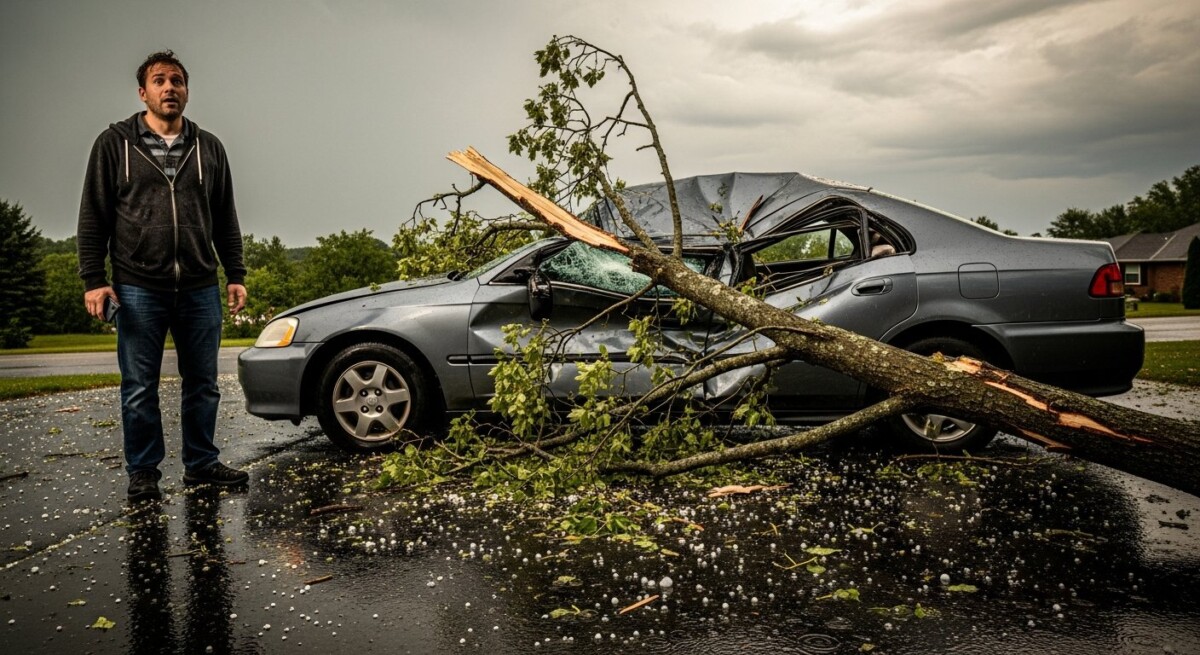
Imagine waking up to find your car vandalized, a tree limb crushing the roof after a storm, or a deer darting across the highway with no time to swerve. In each of these scenarios, your standard liability policy offers zero protection for your own vehicle. This is where auto insurance with comprehensive coverage steps in, acting as a financial shield against the unpredictable. Unlike collision insurance, which pays for damage from accidents involving another car or a stationary object, comprehensive coverage handles everything else: theft, fire, hail, falling objects, animal strikes, and even vandalism. For drivers who want true peace of mind, this coverage is not just an add-on; it is a critical layer of protection that separates a minor inconvenience from a major financial setback.
In this article, we will break down exactly what comprehensive coverage includes, how it works with your deductible, when it makes sense to carry it, and how to shop for the best rate. Whether you are insuring a leased vehicle, a new car, or a reliable used sedan, understanding comprehensive coverage helps you avoid surprise bills and maximize your recovery after a covered loss. We will also address common misconceptions, such as whether comprehensive coverage covers rental cars or what happens if your car is totaled by hail damage. By the end, you will have a clear roadmap to decide if this coverage belongs on your policy.
What Is Auto Insurance With Comprehensive Coverage?
Comprehensive coverage is a type of auto insurance that pays for damage to your vehicle caused by events other than a collision with another car or object. It is often referred to as “other than collision” coverage in the insurance industry. While state laws require liability insurance to cover damage you cause to others, comprehensive and collision are optional coverage types that protect your own car. However, if you finance or lease your vehicle, your lender will almost certainly require both comprehensive and collision coverage until the loan is paid off.
The term “comprehensive” can be misleading because it does not cover everything. It specifically excludes normal wear and tear, mechanical breakdown, and damage from a collision with another vehicle or object (that is what collision coverage is for). Instead, it covers a defined list of perils. According to the Insurance Information Institute, the most common claims under comprehensive coverage include damage from falling objects (like tree limbs), vandalism, theft, fire, hail, windstorm, flood, and hitting an animal. For example, if a deer runs into the side of your car on a rural highway, comprehensive coverage pays for the repairs, minus your deductible.
In our guide on auto insurance in Massachusetts for drivers, we explain how state-specific requirements can affect your coverage options. While Massachusetts mandates liability insurance, comprehensive coverage remains optional for most drivers. However, given the region’s harsh winters and high deer population, many Bay State drivers find comprehensive coverage essential.
How Comprehensive Coverage Works With Your Deductible
When you file a comprehensive claim, your insurance company will pay for the cost of repairs or the actual cash value of your vehicle (if it is a total loss) minus your chosen deductible. The deductible is the amount you agree to pay out of pocket before the insurer covers the rest. Comprehensive deductibles typically range from $100 to $1,000, with $500 being the most common choice. Choosing a higher deductible lowers your premium, but it also means you will pay more if you file a claim.
For example, if hail damages your roof and the repair cost is $2,400, and you have a $500 comprehensive deductible, you pay $500 and the insurer pays $1,900. If the repair cost is only $300 (less than your deductible), you would not file a claim because it would not make financial sense. This is an important consideration: comprehensive claims are typically non-fault events, so they do not usually cause your rates to increase as much as an at-fault accident would. However, filing multiple claims in a short period can still lead to higher premiums or non-renewal.
A step-by-step guide to filing your California auto insurance claim illustrates the process for comprehensive losses, including documentation tips and how to handle disputes with adjusters. The same principles apply in any state: take photos, file a police report if theft or vandalism is involved, and contact your insurer promptly.
Comprehensive Coverage vs. Collision Coverage: Key Differences
Many drivers confuse comprehensive and collision coverage because both pay for damage to your own vehicle. Collision coverage pays for damage from hitting another car, a guardrail, a tree, a pothole, or rolling your vehicle. Comprehensive covers everything else: fire, theft, vandalism, weather events, animal strikes, falling objects, and glass breakage. If you back into a mailbox, that is a collision claim. If a thief smashes your window to steal your radio, that is a comprehensive claim.
Insurance companies often bundle comprehensive and collision together as “full coverage,” but you can purchase them separately. For instance, you might choose a $1,000 deductible on collision to keep your premium low but a $100 deductible on comprehensive because glass claims are frequent in your area. This flexibility allows you to tailor your policy to your specific risk profile and budget.
When deciding which to carry, consider the value of your car. A general rule of thumb: if your annual combined premium for comprehensive and collision exceeds 10% of your car’s current market value, you might consider dropping these coverages. For an older car worth $3,000, paying $400 per year for comprehensive and collision may not be worthwhile, especially if you have an emergency fund to cover a total loss.
Who Needs Auto Insurance With Comprehensive Coverage?
Comprehensive coverage is not for everyone, but it is strongly recommended for several groups of drivers. Here are the primary scenarios where carrying comprehensive coverage makes sense:
- Leased or financed vehicles: Lenders and lessors require comprehensive and collision to protect their financial interest in the vehicle. If you fail to carry it, the lender can force-place coverage at a much higher cost.
- New or high-value cars: If your car is worth more than $5,000, comprehensive coverage protects your investment from non-collision events that could total the vehicle, such as flooding or theft.
- Drivers in high-risk areas: Regions prone to hailstorms (like Texas or Colorado), flooding (like Florida), or high rates of vehicle theft (like California) make comprehensive coverage a smart buy.
- Drivers with limited savings: If you cannot afford to repair or replace your car out of pocket after a theft or storm, comprehensive coverage provides a financial safety net.
For drivers over 50 considering their options, an AARP auto insurance review for mature drivers highlights how comprehensive coverage can be especially valuable for older vehicles that are still in good condition. Many mature drivers own their cars outright and may be tempted to drop comprehensive coverage to save money, but the peace of mind from knowing a hailstorm or deer strike will not derail their finances is often worth the modest premium.
What Comprehensive Coverage Covers: A Detailed Breakdown
Understanding the specific perils covered under comprehensive insurance helps you avoid surprises at claim time. While policy language varies by insurer, most standard comprehensive policies cover the following events:
- Theft: If your car is stolen and not recovered, comprehensive pays its actual cash value minus your deductible. It also covers damage from a break-in, such as a smashed window or damaged steering column.
- Vandalism: Keyed paint, slashed tires, broken windows, and graffiti are covered as long as the damage is malicious and intentional.
- Fire: Whether from an engine fire or a wildfire that spreads to your parked car, fire damage is covered.
- Weather events: Hail, windstorm, tornado, hurricane, flood, lightning, and earthquake are typically covered.
- Falling objects: Tree limbs, rockslides, or debris from a construction site that falls onto your car.
- Animal strikes: Hitting a deer, elk, moose, or even a large bird is covered. Note: if you swerve to avoid an animal and hit a tree, that becomes a collision claim.
- Glass breakage: Windshield cracks, shattered side windows, or damaged sunroofs are covered with no deductible in some states (like Florida and Kentucky) due to separate glass statutes.
- Civil disturbance or rioting: Damage from protests or riots, such as overturned or burned vehicles, is covered.
One important exclusion: if you leave your car unlocked with the keys inside and it is stolen, your insurer may still cover the theft, but they could deny the claim if they determine you were negligent. Always lock your doors and take your keys to avoid complications.
How to Lower Your Comprehensive Coverage Premium
Comprehensive coverage is generally affordable compared to collision insurance, but there are ways to reduce your premium further without sacrificing protection. Here are five strategies that can help:
1. Increase your deductible. Raising your comprehensive deductible from $200 to $500 or $1,000 can lower your premium by 15% to 30%. Just make sure you have that amount set aside in an emergency fund.
2. Bundle policies. Many insurers offer discounts of 10% to 25% when you bundle auto insurance with homeowners or renters insurance. This can make comprehensive coverage even more cost-effective.
3. Install anti-theft devices. A car alarm, GPS tracking system, or steering wheel lock can qualify you for a discount on the theft portion of your comprehensive coverage.
4. Park in a garage. If you have a secure garage, your car is less likely to be stolen or damaged by hail, falling branches, or vandalism. Some insurers offer a small discount for garaged vehicles.
5. Maintain a good driving record. While comprehensive claims are non-fault, insurers still view drivers with multiple claims of any type as higher risk. Avoid filing small claims to keep your rates low.
For a comprehensive review of coverage options tailored to drivers over 50, see our article on AARP auto insurance for drivers over 50.
Frequently Asked Questions About Comprehensive Coverage
Does comprehensive coverage cover rental cars?
If you rent a car for personal use, your personal auto insurance policy’s comprehensive and collision coverage typically extends to the rental vehicle, but you must check your policy for details. Many credit cards also offer rental car insurance as a benefit. If you rely on your personal policy, be aware that the deductible still applies. For business rentals, you may need a separate commercial policy.
Will comprehensive coverage pay for a cracked windshield?
Yes, a cracked windshield is covered under comprehensive coverage. In some states, insurers are required to offer zero-deductible glass coverage, meaning you can repair or replace the windshield for free. Even without that endorsement, the glass repair is subject to your comprehensive deductible. Many insurers waive the deductible for small windshield chips because repairing them prevents the need for a full replacement later.
Can I drop comprehensive coverage on an old car?
Yes, you can drop comprehensive coverage at any time, but consider the financial risk. If your car is worth less than $2,000, the premium may not be justified. However, if you live in an area prone to hail or theft, even a small payout from a claim could be worth the modest cost. Run the numbers: if your annual comprehensive premium is $150 and your car is worth $3,000, you would need 20 years of premiums to equal the car’s value. That math often favors dropping coverage on older vehicles.
Does comprehensive coverage cover flood damage?
Yes, flood damage is covered under comprehensive insurance. This includes damage from rising water, storm surges, and flash floods. If your car is flooded, do not start the engine. Have it towed to a mechanic for inspection. Starting a flooded engine can cause catastrophic damage that may not be covered.
Will my insurance go up after a comprehensive claim?
Comprehensive claims are generally considered not-at-fault, so they are less likely to cause a rate increase than collision or liability claims. However, insurers vary in their underwriting practices. Some companies offer accident forgiveness programs that protect your rates after a first claim, while others may raise rates if you file multiple claims in a short period. Always ask your agent about your insurer’s claims surcharge policy before filing a claim.
Making the Right Choice for Your Auto Insurance With Comprehensive Coverage
Choosing the right auto insurance with comprehensive coverage comes down to balancing risk and cost. If you own a car that you could not afford to replace or repair out of pocket, or if you live in an area where theft, weather, or animal strikes are common, comprehensive coverage is a wise investment. The modest monthly premium acts as a buffer against the unexpected, turning a potential financial disaster into a manageable inconvenience.
When shopping for quotes, compare deductibles and coverage limits across multiple carriers. Use online tools to see how different deductible levels affect your premium. And remember, you can always adjust your coverage as your car ages or your financial situation changes. The goal is to have protection that fits your life without paying for coverage you do not need. If you are ready to compare rates and find the best deal on comprehensive coverage, call us at 833-275-7533 to speak with a licensed agent who can help you build the perfect policy.